The MrBeast reward system is a high-velocity reinvestment model that leverages extreme gamification, viewer-centric philanthropy, and direct-to-consumer (D2C) integration to drive engagement. By 2026, this model has shifted from simple cash giveaways to a complex ecosystem of participatory entertainment where attention is incentivized through psychological stakes, physical products, and hyper-optimized retention strategies.
The Mechanics of the MrBeast Incentive Model
To understand how "MrBeast rewards" function, one must look past the spectacle of a million-dollar giveaway and analyze the underlying economic engine. Jimmy Donaldson, known as MrBeast, pioneered a "reinvestment loop" that has become the gold standard for the creator economy in 2026. This model operates on the principle that the cost of a video—no matter how high—is an investment in brand equity and future distribution power rather than a sunk expense.
The Reinvestment Cycle (The "Zero-Profit" Strategy)
At the core of the MrBeast model is the aggressive recycling of revenue. In the early stages of the creator economy, most influencers extracted profit as personal income. The MrBeast approach, however, treats every dollar earned from YouTube AdSense and sponsorships as fuel for the next production. By spending $3 million to $5 million on a single video, the production value exceeds traditional broadcast television standards.
This creates a competitive moat. Smaller creators cannot afford the "rewards" or the scale, while traditional media companies cannot match the speed or the direct relationship with the audience. In 2026, this reinvestment strategy has evolved into a diversified portfolio where the "rewards" are funded not just by ads, but by the massive margins of physical goods like Feastables.
High-Stakes Gamification
The "rewards" are rarely passive. Whether it is "Last to Leave the Circle" or "Extreme Hide and Seek," the incentive model relies on gamification. This serves two purposes:
- Viewer Proxy: The audience experiences the reward vicariously through the contestants. The high stakes create physiological responses in viewers (increased heart rate, dopamine release), which leads to higher Average View Duration (AVD).
- Narrative Tension: In the creator economy, retention is the primary currency. By offering a "reward" that changes a contestant's life, the narrative tension is naturally maintained without the need for scripted drama.
Behavioral Economics and Viewer Rewards
The genius of the MrBeast incentive model lies in its alignment with behavioral economics. It utilizes "variable ratio reinforcement," a psychological concept where rewards are provided after an unpredictable number of responses. Viewers tune in because they know a reward—often an absurdly large one—is coming, but the exact nature and recipient remain a mystery.
Variable Ratio Reinforcement in Content
In 2026, the "reward" is no longer just the prize at the end of the video. It is the pacing of the video itself. Every 30 to 60 seconds, a "micro-reward" occurs—a visual change, a joke, a sub-goal achieved, or a teaser for the final prize. This keeps the brain's reward system engaged, preventing the viewer from clicking away. This "retention engineering" is why MrBeast’s style has been widely mimicked across platforms like YouTube, TikTok, and Instagram.
Community-Led Philanthropy as an Incentive
Another pillar of the model is "Philanthropic Incentivization." Initiatives like Team Trees, Team Seas, and the Beast Philanthropy channel turn the viewer into a participant in a global reward. By watching a video, the viewer "rewards" the world (e.g., planting a tree or removing plastic from the ocean). This creates a "feel-good" feedback loop that builds brand loyalty far beyond what a simple giveaway could achieve. It shifts the creator-viewer relationship from transactional to communal.
The Evolution of "Rewards" in 2026: Beyond Cash
As we move through 2026, the definition of "rewards" in the creator economy has expanded. Cash is no longer the only, or even the most effective, incentive. The model has diversified into digital participation and physical product integration.
Digital Assets and Virtual Participation
The rise of integrated apps (such as the "Finger on the App" challenges) demonstrated that digital interaction could be a reward in itself. In 2026, creators use augmented reality (AR) and dedicated mobile platforms to allow millions of people to participate in "reward" events simultaneously. This solves the scalability problem: while only one person can win a private island, millions can earn digital badges, exclusive content access, or "Beast Points" that translate into real-world discounts.
Integration with D2C Brands (Feastables and Beyond)
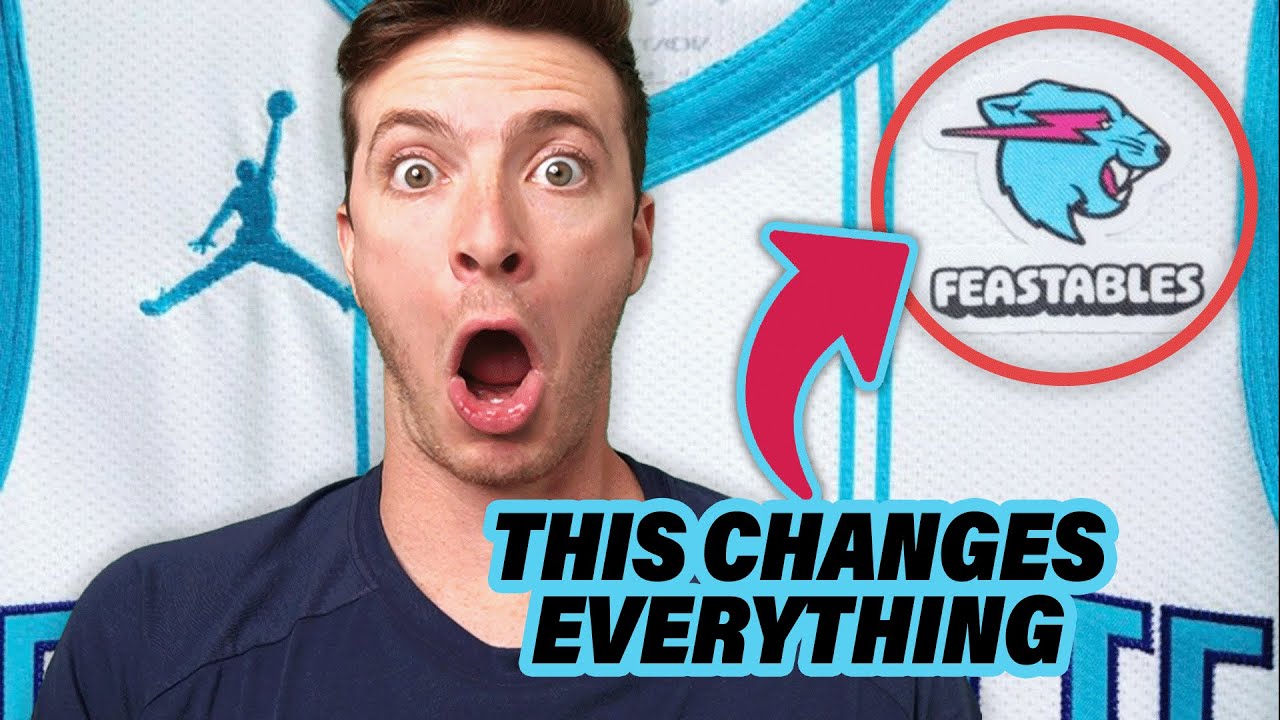
The "reward" is now a bridge to the creator's retail ecosystem. For example, Feastables uses "hidden tickets" or QR codes on packaging to gamify the act of purchasing. This turns a standard retail transaction into a high-stakes entry for a larger reward.
The incentive model here is a closed loop:
- Content: Promotes the product.
- Product: Contains a "reward" opportunity.
- Reward: Becomes the subject of the next viral video.
- Growth: Increased sales fund bigger rewards and higher production.
Technical Infrastructure of Creator Incentives
The success of the MrBeast rewards model is not just about the "what," but the technical "how." To manage global rewards, the infrastructure must be incredibly robust, covering everything from legal compliance to global distribution.
Data Analytics and Retention Engineering
Creators at this level use sophisticated heatmaps to see exactly where viewers drop off. If a specific "reward" explanation is too long, it is edited down in real-time or for future uploads. This data-driven approach ensures that the "incentive" is always positioned at the peak of the viewer's interest curve.
Global Distribution and Dubbing
In 2026, the MrBeast model is truly global. By dubbing videos into over a dozen languages (Spanish, French, Arabic, Hindi, etc.), the incentive model scales across cultures. A "reward" of $10,000 has different psychological weight in different regions, and the Beast team optimizes these prizes to maximize local engagement. This global synchronization allows for a single production to generate revenue from multiple geographic markets simultaneously, further padding the reinvestment fund.
Comparing Creator Models: MrBeast vs. Traditional Media
To understand why the MrBeast model is so disruptive in 2026, it is helpful to compare it to the traditional television incentive models (like game shows).
| Feature | Traditional Game Shows (TV) | MrBeast/Creator Economy Model |
|---|---|---|
| Funding Source | Ad spots sold by networks | D2C brands, AdSense, and Sponsorships |
| Viewer Role | Passive observer | Active participant/Digital engager |
| Reward Pacing | Slow (built for 30-min slots) | Hyper-fast (built for retention) |
| Accessibility | Geographic/Linear schedule | Global/On-demand |
| Philanthropy | Rare/Special events | Integrated into the core brand identity |
| Production Cycle | Seasonal | Continuous/High-frequency |
Ethical Considerations and Sustainability
With the massive scale of the MrBeast reward model come significant ethical questions. As other creators attempt to replicate this in 2026, several issues have surfaced:
- The "Escalation Trap": To keep the audience’s attention, rewards must constantly grow. What happens when a "million-dollar giveaway" no longer shocks the audience? This creates an unsustainable arms race for smaller creators.
- Gamified Poverty: Critics argue that using "life-changing money" as entertainment can border on "poverty porn," where the struggle of contestants is exploited for views.
- Legal Complexity: Sweepstakes laws and international tax regulations for rewards are incredibly complex. In 2026, a significant portion of the Beast team is dedicated solely to legal compliance to ensure that prizes are awarded fairly and legally across different jurisdictions.
Practical Application: How Other Creators Use the Model
You do not need a million-dollar budget to use the MrBeast incentive model. In 2026, micro-creators are scaling this down to fit their niches.
The "Small Scale" Reward Strategy
- Access as a Reward: Instead of cash, creators offer "access"—one-on-one calls, Discord roles, or behind-the-scenes content.
- Skill-Based Incentives: Rewarding community members for their contributions (fan art, coding, moderation) with platform-specific benefits.
- Incremental Reinvestment: Taking 50% of monthly earnings and putting it back into a "community prize" or better equipment to improve the viewer experience.
The core lesson of the MrBeast model is that the viewer is the primary stakeholder. Every decision, from the thumbnail to the final reward, must provide value to the person watching. In the creator economy of 2026, the most successful entities are those that treat attention as a gift and use "rewards" to show their appreciation for that gift.
Frequently Asked Questions
Is the money in MrBeast's rewards real?
Yes, the rewards are real and are verified through various public records, contestant testimonials, and behind-the-scenes documentaries. MrBeast (Jimmy Donaldson) has built his entire brand on the authenticity of his giveaways. In 2026, the legal scrutiny on large-scale influencers is higher than ever, making it nearly impossible to fake these rewards without facing massive legal and reputational consequences. The funds come from a combination of brand deals, YouTube revenue, and his various business ventures like Feastables.
How does MrBeast afford to give away millions?
The "affordability" comes from the massive volume of views he generates. A single video might get 200 million views across multiple dubbed channels. When you combine the AdSense revenue with high-six-figure brand sponsorships and the profit from his physical product lines, the revenue often exceeds the cost of the video. He famously operates on a high-reinvestment, low-personal-profit margin to continue scaling the brand.
Can anyone win a MrBeast reward?
Technically, yes, but the selection process varies. Some rewards are for people who participate in specific challenges (which often require being in a certain location, like North Carolina), while others are given to random subscribers or followers on social media. By 2026, many rewards are also tied to "merch drops" or interactive challenges via his proprietary apps, where participation is open to a global audience.
What is the "Creator Economy Incentive Model"?
This refers to the structural way creators use "attention" to generate "revenue," which is then used to create "better content" to get "more attention." It is a virtuous cycle. Unlike traditional media, which seeks to maximize profit for shareholders, the creator economy incentive model (pioneered by MrBeast) focuses on maximizing growth and audience loyalty through direct rewards and high production value.
Why do people criticize the MrBeast reward model?
Common criticisms include the idea that the model creates an "attention arms race" where only the wealthiest creators can compete. Others worry about the ethics of using people’s financial needs as a form of entertainment. However, supporters point to the significant philanthropic impact and the fact that the "rewards" often provide genuine, life-changing opportunities for the participants.
Final Recommendation
For creators and business leaders looking to navigate the 2026 landscape, the MrBeast model offers a vital blueprint: Prioritize retention over immediate profit. Whether you are selling a product or a piece of content, build an incentive structure that rewards your audience for their time and loyalty. Start small with community-based rewards, focus on high-pacing and "micro-wins" within your content, and always look for ways to reinvest your earnings into the "production value" of your brand. The goal is to move from being a "content creator" to a "community builder."