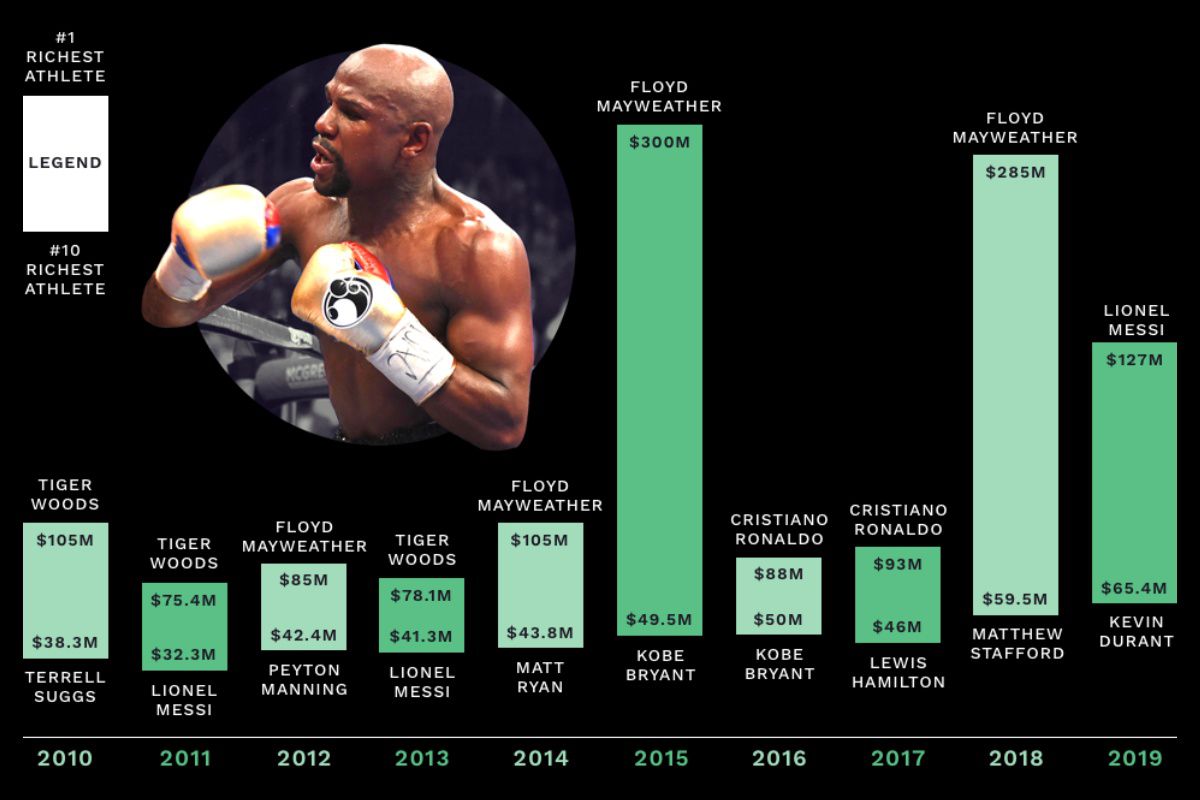
According to the latest Forbes data tracking global sports earnings, soccer superstar Cristiano Ronaldo is the highest-paid athlete in the world. His staggering annual compensation package combines monumental on-field playing contracts with an expansive portfolio of lucrative off-field brand endorsements, cementing his financial dominance at the absolute pinnacle of professional sports.
Understanding the Forbes World’s Highest-Paid Athletes Ranking
The financial landscape of elite professional sports has evolved dramatically over the past two decades. What was once defined primarily by multi-million-dollar team contracts has transformed into a complex ecosystem of global brand partnerships, equity stakes, digital media ventures, and state-backed athletic investments. Forbes magazine has long served as the definitive benchmark for quantifying this economic phenomenon through its annual tracking of the world’s highest-paid athletes.
To fully understand who holds the top spot and why, one must look closely at how these earnings are calculated. The methodology employed by Forbes is designed to capture the total gross income of an athlete over a specific 12-month evaluation period, typically running from May to May to align with major sports calendar cycles. This comprehensive financial assessment incorporates two primary pillars of revenue: on-field earnings and off-field earnings. By examining both components, financial analysts and sports enthusiasts can see a complete picture of an athlete's commercial pulling power.
On-Field vs. Off-Field Earnings: The Dual Revenue Streams
On-field earnings represent the direct compensation athletes receive from playing their respective sports. This category includes base salaries, performance bonuses, and prize money won during competitions. For team-sport athletes, these figures are derived from legally binding contracts negotiated between players, their agents, and club executives or league offices. For individual-sport athletes, such as golfers, tennis players, and combat sports athletes, on-field earnings are largely dictated by tournament purses, match fees, and lucrative FedExCup-style bonuses.
Conversely, off-field earnings capture the vast array of commercial activities that occur outside the competitive arena. This includes:
- Endorsement and Sponsorship Contracts: Multi-year agreements with global conglomerates in apparel, footwear, luxury watches, automotive, and financial services.
- Licensing and Memorabilia: Royalties generated from the sale of branded merchandise, video game appearances, and trading cards.
- Business Ventures and Equity: Earnings derived from owned businesses, venture capital investments, brand ownership stakes, and media production companies.
- Appearance Fees: Guaranteed payouts for participating in promotional events, exhibition matches, or media tours.
The interplay between these two streams often dictates who reaches the very top of the Forbes list. While historic contracts in soccer, basketball, and American football guarantee massive on-field baselines, it is the global marketability of an athlete—their ability to transcend their sport and capture international consumer attention—that turns a wealthy athlete into the highest-paid person in global sports.
Cristiano Ronaldo at the Summit of Global Sports Wealth
Cristiano Ronaldo’s ascension to the top of the Forbes earnings list highlights the globalization of sports and the shifting economics of international football. Following his high-profile move to Saudi Pro League club Al Nassr, Ronaldo's on-field salary skyrocketed to unprecedented levels. This massive playing contract, combined with his unparalleled social media reach and lifelong partnership with major athletic brands, propelled his total annual earnings past all other competitors in professional sports.
Ronaldo’s financial dominance is anchored by several distinct advantages. First, his club contract with Al Nassr guarantees an astronomical annual base salary, reportedly positioning him as the highest-earning player in the history of team sports strictly from playing compensation. Second, his off-field empire is virtually unrivaled. With hundreds of millions of followers across platforms like Instagram, Facebook, and X (formerly Twitter), Ronaldo possesses a digital distribution network that media agencies and consumer brands pay premium rates to access. This digital footprint allows him to command top-tier endorsement fees from multinational corporations, ensuring a steady stream of revenue that exists entirely independently of his athletic performance on the pitch.
Comparative Analysis of Top Earners in Professional Sports
To contextualize Ronaldo's financial standing, it is valuable to examine how his earnings compare to other elite competitors across major sports leagues. The top tier of the Forbes ranking typically features a diverse mix of soccer legends, NBA superstars, and golf icons.
| Athlete | Primary Sport | Estimated On-Field Earnings | Estimated Off-Field Earnings | Total Estimated Annual Earnings |
|---|---|---|---|---|
| Cristiano Ronaldo | Soccer | $200 Million | $60 Million | $260 Million |
| Jon Rahm | Golf | $198 Million | $20 Million | $218 Million |
| Lionel Messi | Soccer | $65 Million | $70 Million | $135 Million |
| LeBron James | Basketball | $48.2 Million | $80 Million | $128.2 Million |
| Giannis Antetokounmpo | Basketball | $46 Million | $65 Million | $111 Million |
Note: Figures reflect estimates compiled during the most recent Forbes evaluation window, combining reported contract data, prize money, and industry-standard commercial valuations.
The Broader Economic Forces Shaping Athlete Earnings
The presence of athletes like Jon Rahm and Lionel Messi near the top of the financial rankings reveals shifting paradigms within the sports industry. The entry of sovereign wealth funds and massive private equity investments into sports like professional golf (via LIV Golf) and international soccer has drastically inflated on-field compensation packages. Leagues and franchises are no longer constrained solely by traditional broadcasting rights and ticket sales; they are backed by immense capital reserves that allow them to offer unprecedented financial incentives to attract generational talent.
At the same time, the divergence between on-field and off-field earnings highlights the unique value of personal branding. Athletes such as LeBron James and Lionel Messi demonstrate that long-term wealth accumulation relies heavily on strategic off-field ventures. Many modern athletes are moving away from traditional endorsement deals in favor of equity partnerships, taking ownership stakes in growing startups, lifestyle brands, and sports franchises themselves. This entrepreneurial approach ensures that their earning potential remains robust even as their active playing careers draw to a close.
Frequently Asked Questions
How does Forbes calculate athlete earnings?
Forbes calculates total earnings by combining all prize money, salaries, and bonuses earned during the designated 12-month tracking period. Off-field earnings are estimated through conversations with industry insiders, market research, brand executives, and sponsorship analysts, capturing sponsorships, appearance fees, licensing income, and media business returns before taxes and agent fees.
Do endorsement deals make up the majority of athlete income?
It depends heavily on the sport. For individual sports stars, particularly in basketball and tennis, off-field endorsements often eclipse playing salaries. For example, athletes like LeBron James frequently earn more from commercial partnerships than from their NBA team contracts. Conversely, for soccer players like Cristiano Ronaldo, massive club contracts can make up the lion's share of their annual income, though their off-field portfolios remain exceptionally valuable.
Do the Forbes earnings figures include taxes and agent fees?
No. The figures published by Forbes represent gross earnings before the deduction of federal, state, or international taxes. Additionally, the calculations do not subtract agent fees, legal expenses, or management costs, meaning the net take-home pay for these athletes is significantly lower than the headline gross figures.
Have female athletes cracked the top-tier global earnings list?
While female athletes have made tremendous strides in commercial endorsements and prize money equity—particularly in tennis, soccer, and golf—none have historically cracked the overall top-ten global list dominated by male soccer stars, NBA players, and golfers. The disparity is driven primarily by the massive broadcast revenues, franchise valuations, and corporate spending associated with men’s professional team leagues and high-stakes individual circuits.
Practical Next Steps for Following Sports Economics
For those interested in tracking the financial evolution of professional sports, consulting primary financial publications and specialized sports business analysts provides the clearest view. Readers should monitor annual reports released by Forbes, Sportico, and major sports accounting firms following the conclusion of each competitive season. Understanding these financial structures offers a deeper appreciation of how global commerce, media rights, and athletic performance intersect in the modern era.