While Henry Kravis, co-founder of Kohlberg Kravis Roberts & Co. (KKR), has not published a traditional, standalone autobiography or a formal textbook carrying his name as sole author, the corpus of literature surrounding his career, speeches, academic case studies, and corporate milestones offers a masterclass in modern finance. This intellectual repository captures the evolution of leveraged buyouts (LBOs), institutional private equity investing, shareholder alignment, and operational value creation. Examining the wisdom attributed to Kravis through authorized biographies, historical case analyses, and annual investor letters reveals core tenets that continue to shape the alternative asset management industry.
Understanding the mechanics of modern private equity requires looking past generalized media portrayals and examining the core financial engineering, operational restructuring, and governance strategies pioneered by firms like KKR. This examination explores the primary strategic principles associated with Henry Kravis and KKR, detailing how leveraged buyouts function, how equity value is unlocked, and how regulatory, economic, and operational shifts impact the asset class.
The Foundations of Leveraged Buyouts and the KKR Model
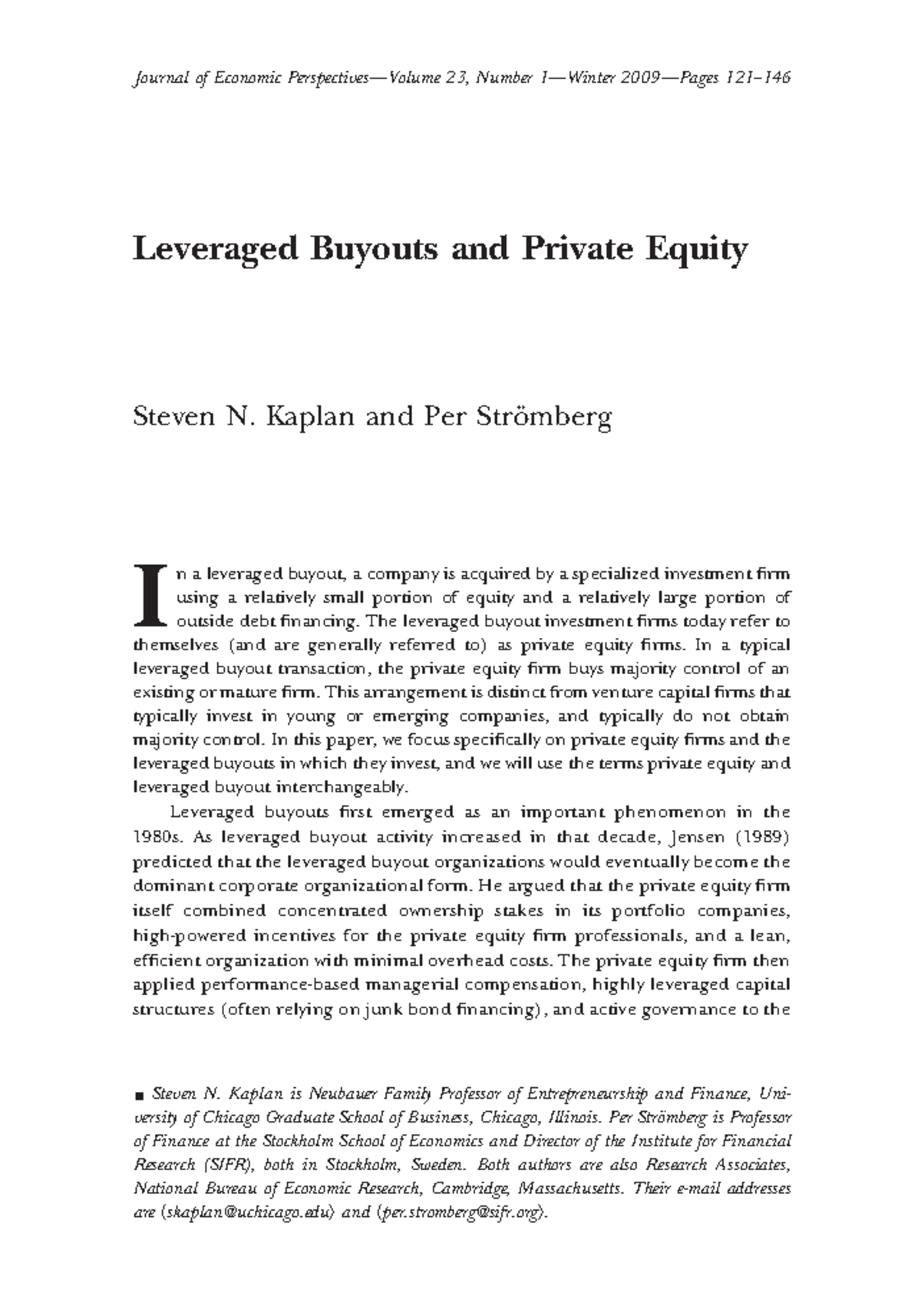
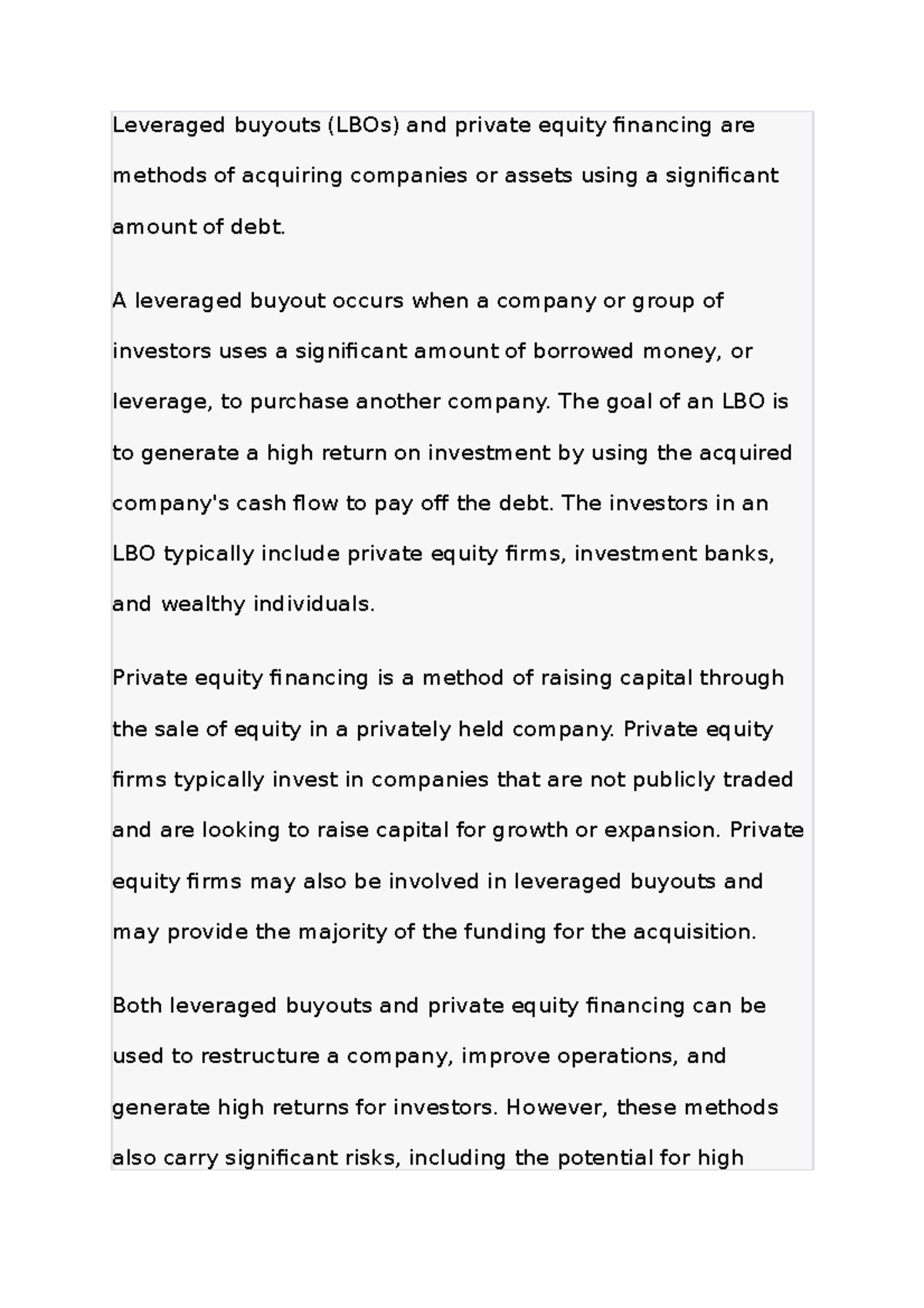
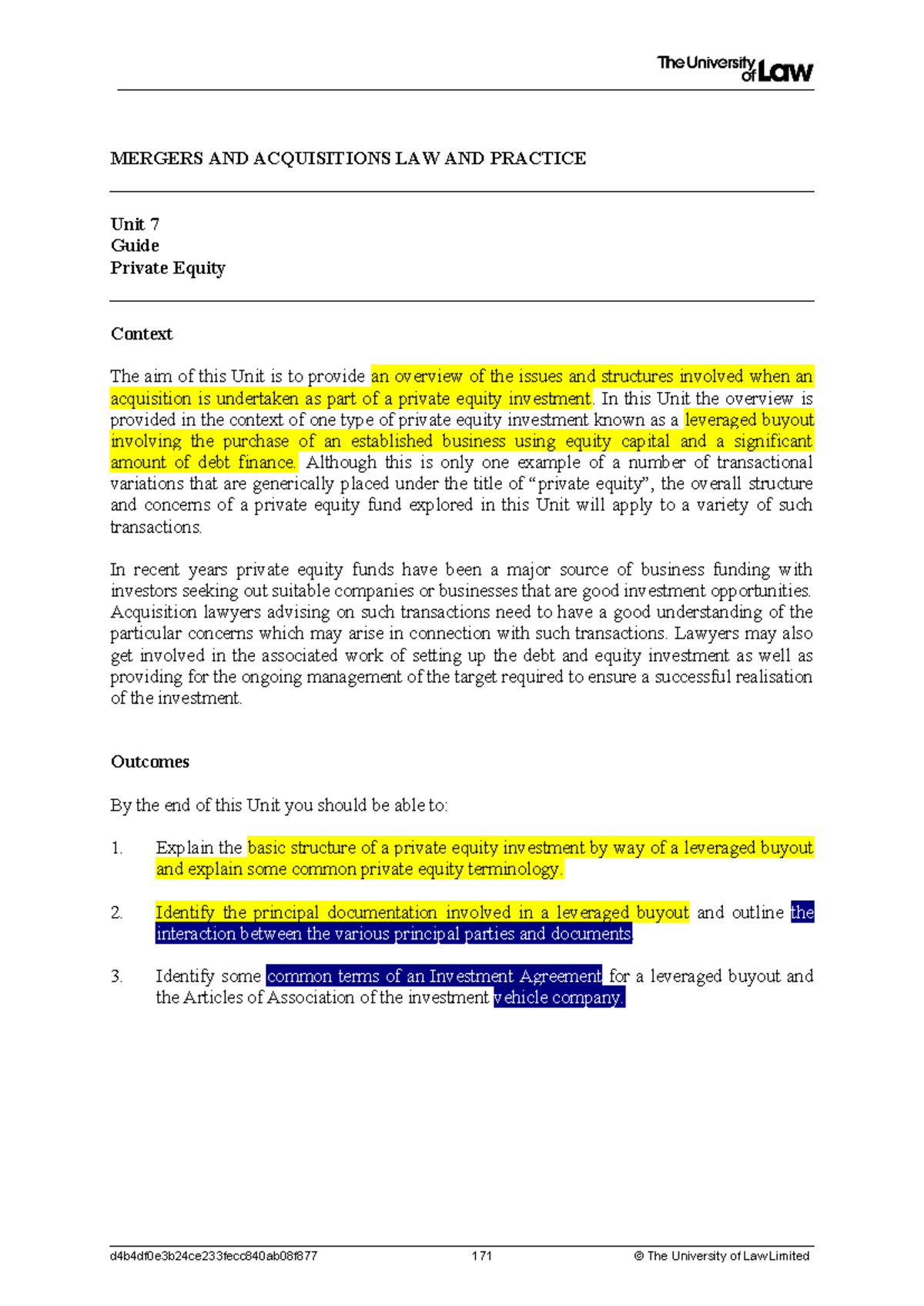
To appreciate the insights attributed to Henry Kravis, one must understand the foundational structure of the leveraged buyout. Popularized during the late 20th century—most famously highlighted by KKR’s 1989 acquisition of RJR Nabisco—the LBO model relies on using a high proportion of debt combined with a relatively small sliver of equity to acquire a target company.
At its core, the LBO strategy is designed to transform the capital structure of a mature, cash-generating business. By substituting expensive public equity with cheaper, tax-deductible debt, the private equity sponsor forces management teams to operate with heightened discipline. The cash flow generated by the target company is then systematically channeled toward paying down the debt principal over a 3- to 7-year holding period.
Key Structural Components of an LBO
- Debt Financing (Sponsor Leverage): Typically makes up 50% to 70% of the total purchase price, sourced through institutional term loans, senior notes, and high-yield bonds.
- Sponsor Equity: Contributed by the private equity fund and its Limited Partners (LPs), usually accounting for 30% to 50% of the capital structure.
- Target Company Cash Flows: Utilized directly for debt service (interest and principal amortization) and operational maintenance capital expenditures.
- Management Co-Investment: Insiders and key executives are required to roll over or buy equity in the new vehicle, aligning their financial outcomes directly with the private equity sponsor.
Operational Value Creation Over Financial Engineering
A common theme in contemporary analyses of Kravis’s business philosophy is the evolution from purely financial engineering—leveraging balance sheets to arbitrage interest rates and asset multiples—to rigorous operational improvement. Modern private equity cannot rely solely on leverage, particularly in high-interest-rate environments where the cost of debt is elevated.
KKR was among the early pioneers in recognizing that long-term returns are maximized when portfolio companies operate more efficiently, expand into new geographic or product markets, and optimize supply chains. This shift transformed private equity firms from passive financial investors into active corporate operators.
Strategies for Driving Portfolio Company Growth
- Talent Upgrade: Installing seasoned executives, specialized board members, and industry veterans who possess deep sector expertise.
- Strategic M&A (Add-On Acquisitions): Using the portfolio company as a platform to execute smaller, synergistic acquisitions that increase market share and scale efficiencies.
- Digital Transformation and Tech Integration: Upgrading enterprise resource planning (ERP) systems, automating manufacturing workflows, and leveraging data analytics for customer acquisition.
- Working Capital Optimization: Streamlining inventory management, accelerating accounts receivable collection, and negotiating better terms with suppliers to free up internal liquidity.
Governance and Alignment of Interests
Another cornerstone of the insights derived from Kravis’s career is the vital importance of corporate governance. Traditional public companies often suffer from agency problems, where management incentives are detached from long-term shareholder value creation. Private equity addresses this structural flaw by rewriting the governance playbook.
When KKR acquires a company, the traditional public board of directors is replaced by a lean, highly focused board composed of private equity partners, industry experts, and management. This board meets frequently, holds executives strictly accountable to detailed operating budgets, and ties executive compensation directly to equity performance metrics (such as Internal Rate of Return and Multiple on Invested Capital).
| Traditional Public Corporation | KKR-Style Private Equity Portfolio Company |
|---|---|
| Board Composition: Broad, often featuring independent directors with limited operational skin in the game. | Board Composition: Lean, highly specialized, consisting of operating partners and industry experts. |
| Management Incentives: Heavily weighted toward short-term stock options and quarterly earnings targets. | Management Incentives: Significant personal equity co-investment tied directly to long-term enterprise value realization. |
| Strategic Horizon: Quarterly reporting pressure focused on immediate earnings per share (EPS) impact. | Strategic Horizon: Multi-year strategic planning unburdened by public market sentiment and short-term volatility. |
| Capital Allocation: Often prone to dividend smoothing and share buybacks to appease public markets. | Capital Allocation: Aggressive capital deployment toward debt reduction, organic growth, and operational scaling. |
Navigating Macroeconomic Cycles and Capital Fundraising
Private equity is inherently cyclical, exposed to fluctuations in credit markets, interest rates, macroeconomic growth, and geopolitical stability. Insights from KKR’s history emphasize the necessity of disciplined capital allocation across different economic cycles.
During periods of economic expansion and low interest rates, asset valuations tend to climb, increasing competition for proprietary deal flow. Conversely, during economic downturns or periods of tight monetary policy, leveraged financing becomes scarce and expensive. In these environments, successful private equity firms pivot toward operational turnaround strategies, distressed debt acquisitions, and alternative credit deployment.
Furthermore, maintaining robust relationships with institutional investors—such as pension funds, sovereign wealth funds, and endowments—is paramount. Transparency, consistent risk-adjusted returns, and disciplined fund sizing ensure that capital remains available even when broader financial markets experience liquidity contractions.
Common Misconceptions About Leveraged Buyouts
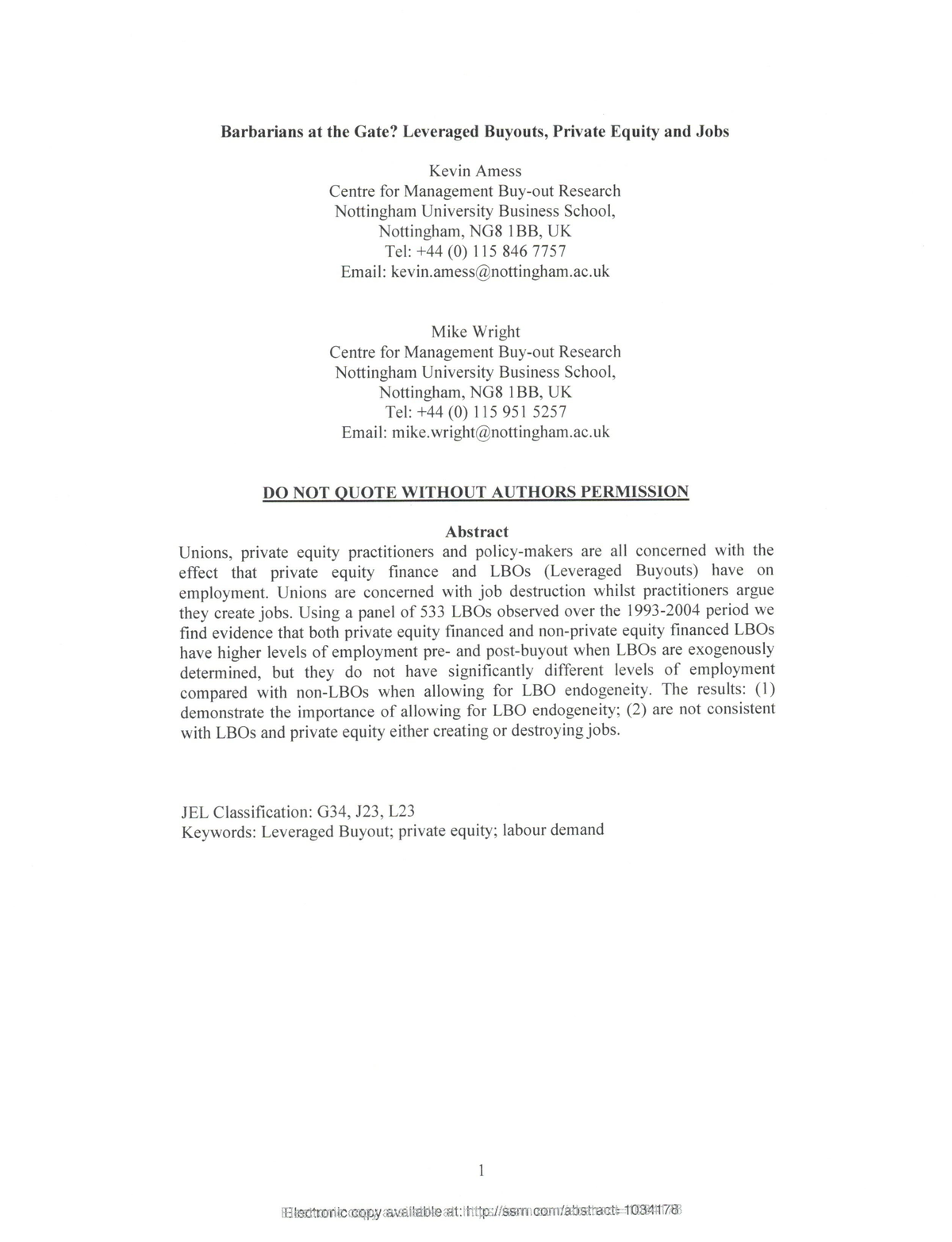
Public discourse surrounding leveraged buyouts often contains misconceptions regarding their impact on employment and corporate stability. Critics frequently characterize LBOs as asset-stripping exercises that load companies with unsustainable debt burdens at the expense of workers.
However, empirical economic research and historical reviews of firms like KKR indicate a more nuanced reality:
- Debt as a Discipline Mechanism: While leverage introduces risk, it also eliminates wasteful corporate spending and forces management to focus strictly on core competencies and cash generation.
- Job Creation vs. Job Destruction: While operational streamlining can result in short-term workforce reductions in redundant administrative areas, successful portfolio company expansion frequently results in net job creation over the life of the investment as the enterprise grows.
- Skin in the Game: Because private equity sponsors invest billions of dollars of their own capital (and their LPs' capital), they have a powerful financial incentive to ensure the long-term viability and growth of the target enterprise rather than its collapse.
Practical Takeaways for Modern Investors and Analysts
For finance professionals, corporate executives, and business students studying the legacy of Henry Kravis and the evolution of KKR, several actionable takeaways emerge:
- Prioritize Fundamentals Over Financial Gimmickry: Relying purely on high leverage without an underlying thesis for operational improvement exposes a portfolio to catastrophic risk, especially when interest rates spike.
- Align Incentives Rigorously: Ensure that every key executive shares the financial risk and reward of the enterprise through meaningful equity participation.
- Maintain Operational Agility: Cultivate a network of operating partners and subject-matter experts who can step into a business post-acquisition and execute transformation plans immediately.
- Manage Liquidity and Capital Structure Conservatively: Anticipate credit market contractions by securing flexible loan terms, maintaining manageable debt service-coverage ratios, and avoiding over-reliance on a single source of financing.
Frequently Asked Questions
Did Henry Kravis write a specific book on private equity?
Henry Kravis has not authored a conventional, standalone textbook or memoir. However, his investment philosophy, deal-making strategies, and corporate history are extensively documented in authorized and unauthorized biographies—such as Barbarians at the Gate by Bryan Burrough and John Helyar—as well as in academic case studies, historical archives, and KKR’s investor publications.
What is the primary goal of a leveraged buyout (LBO)?
The primary goal of an LBO is to acquire a target company using a high proportion of debt and a lower proportion of equity. This structure amplifies potential equity returns, incentivizes strict management discipline through debt-service obligations, and allows the sponsor to restructure and grow the business away from public market scrutiny.
How has the private equity model changed since the 1980s?
While the 1980s were characterized largely by financial engineering, tax strategies, and hostile takeovers funded by high-yield debt, modern private equity heavily emphasizes operational value creation. Today’s top firms deploy dedicated operating partners, technology experts, and strategic consultants to directly improve portfolio company efficiency and organic growth.
What risks are associated with high leverage in private equity?
High leverage increases financial risk because the portfolio company must generate consistent cash flow to service its debt obligations. If revenues decline during an economic downturn or if interest rates rise significantly on floating-rate debt, the company may face liquidity distress, covenant defaults, or bankruptcy.
How do private equity firms exit their investments?
Private equity sponsors typically exit their investments after a 3- to 7-year holding period through one of three primary mechanisms: an Initial Public Offering (IPO) on a public stock exchange, a trade sale to a strategic corporate acquirer, or a secondary buyout involving the sale of the portfolio company to another private equity fund.
Conclusion
The enduring influence of Henry Kravis and KKR on the private equity landscape serves as a comprehensive study in corporate finance, governance reform, and operational execution. By understanding how leveraged buyouts transition from financial restructuring tools into engines of long-term enterprise value, investors and business leaders can better navigate the complexities of modern capital markets. Balancing disciplined financial leverage with rigorous operational management remains the definitive formula for sustainable success in alternative asset investing.