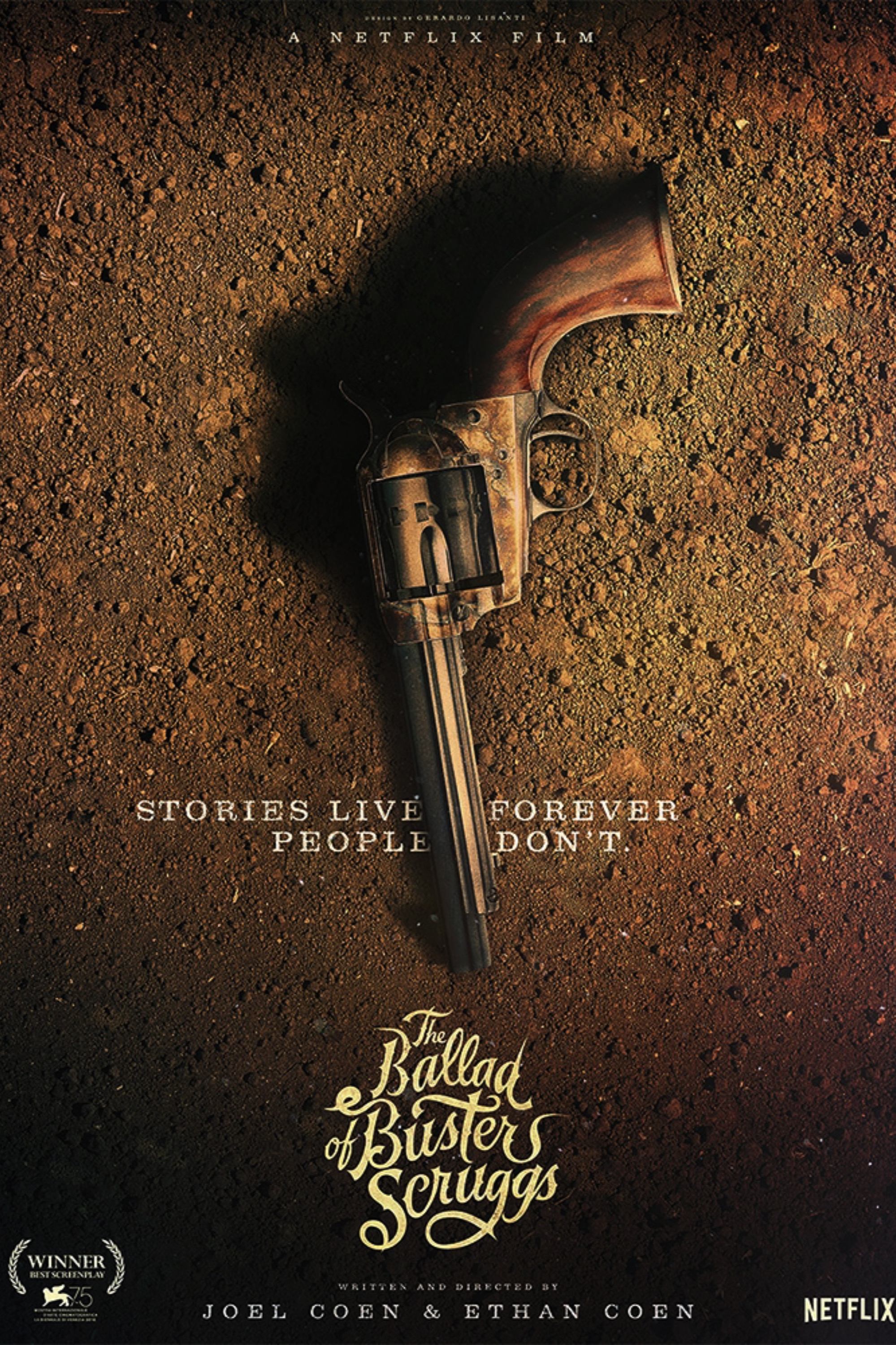
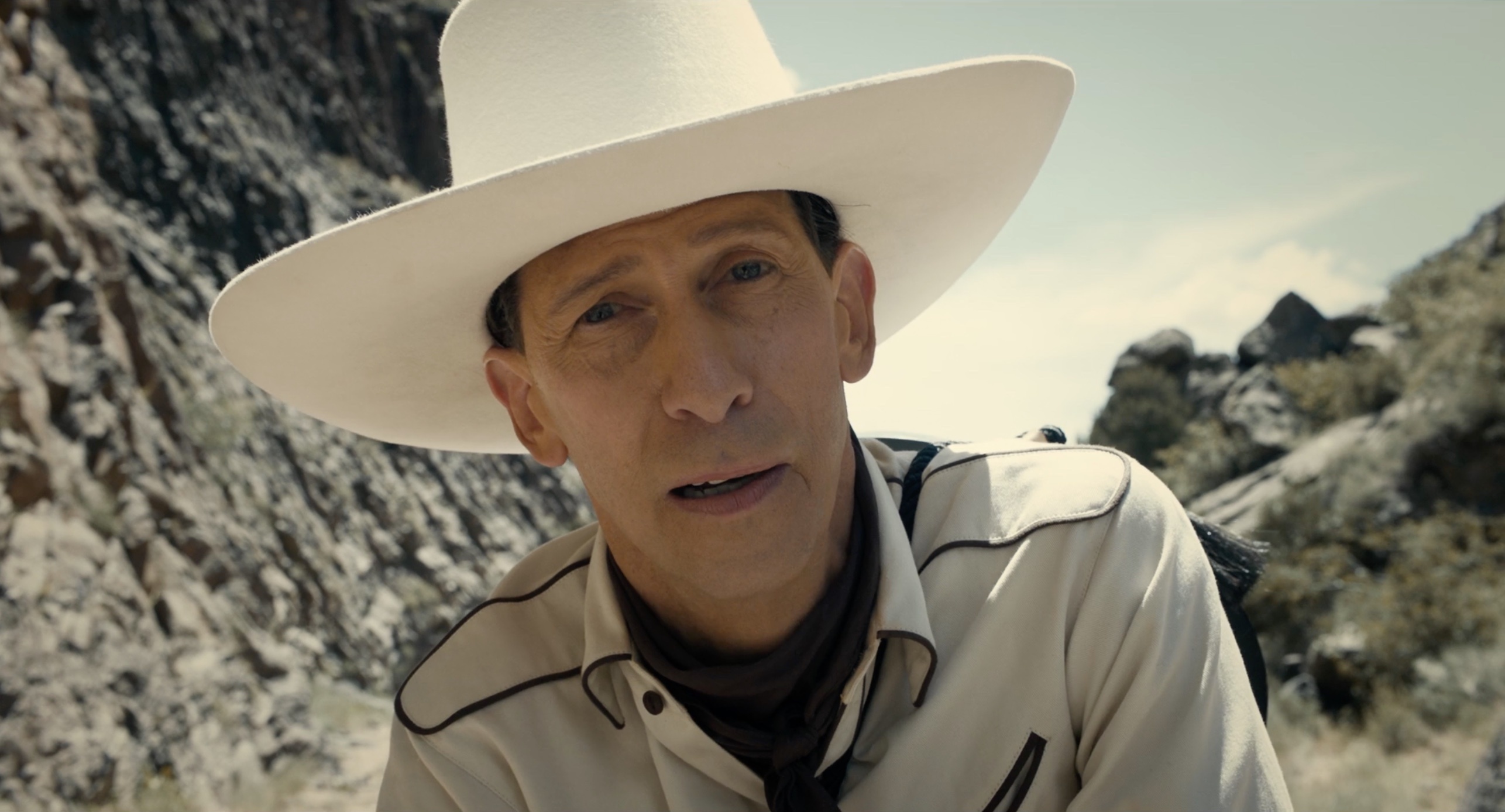
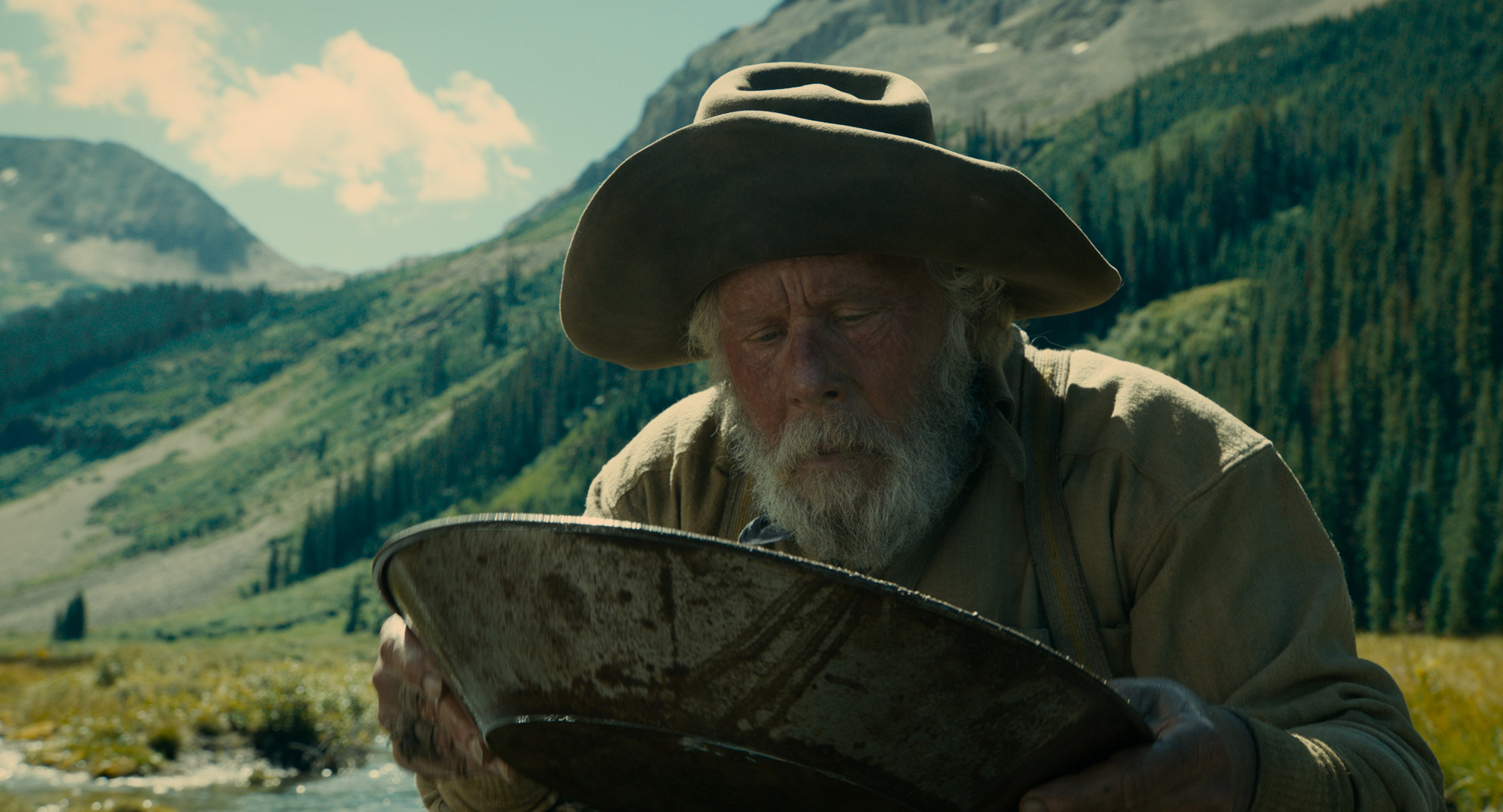
Evaluating the content suitability of Joel and Ethan Coen's 2018 anthology film for younger audiences requires a detailed breakdown of its thematic elements, graphic violence, and tonal shifts. Navigating The Ballad of Buster Scruggs parents guide for viewers in 2026 remains essential as the film circulates widely on modern streaming platforms, often catching families off guard with its sudden tonal pivots from whimsical musical numbers to stark, unflinching existential tragedy. This comprehensive review examines the six distinct vignettes that make up the Netflix Western anthology, equipping parents and guardians with the precise contextual metrics needed to make informed viewing decisions.
Understanding the Anthology Structure and Tone
The film is not a traditional narrative Western with a single continuous plot line. Instead, it operates as a collection of six separate short stories tied together by a decorative, illustrated book format. Each segment was written, directed, and produced by the Coen brothers, though their origins stem from different classic Western tropes and source materials.
Because the film shifts wildly between pitch-black comedy, absurdism, high drama, and grim philosophical fatalism, the suitability varies significantly from one vignette to the next. Understanding this fragmented architecture helps explain why a standard PG-13 or R rating applies blanket coverage to segments that range vastly in intensity.
Parental Advisory Overview The structural nature of the film means that mature themes are concentrated in sudden bursts rather than sustained throughout a uniform narrative, making episodic viewer discretion vital.
Detailed Segment Breakdown and Content Matrix
To properly evaluate what younger viewers will encounter, each of the six chapters must be isolated and examined for violence, language, and thematic maturity.
| Vignette Title | Core Premise | Violence and Gore Level | Thematic Maturity and Distress | Recommended Minimum Age |
|---|---|---|---|---|
| The Ballad of Buster Scruggs | A singing, white-clad cowboy engages in comedic, highly stylized shootouts. | Moderate to High (Comedic/Slapstick) | Dark humor, cartoonish deaths, existential fatalism. | 14+ |
| Near Algodones | A bumbling bank robber faces repeated near-executions by hanging. | Moderate (Realistic execution themes) | Anxiety-inducing peril, dark satire on the legal system. | 15+ |
| Meal Ticket | An aging impresario and his limbless, eloquent orator travel the harsh frontier. | Low Visual / High Emotional | Profound bleakness, exploitation, cruelty, desperation. | 16+ |
| All Gold Canyon | A solitary prospector ruthlessly tears up a pristine valley in search of gold. | Moderate (Surprise violence, minor gore) | Greed, survival struggle, sudden life-threatening attack. | 14+ |
| The Gal Who Got Rattled | A shy young woman on a wagon train faces sudden widowhood and frontier realities. | High (Sudden, shocking violence/suicide) | Grief, panic, intense psychological despair, tragic ending. | 16+ |
| The Mortal Remains | Five diverse passengers share a stagecoach ride to an ominous destination. | Minimal Visual / High Psychological | Unsettling dialogue, morbid philosophical musings, supernatural undertones. | 15+ |
Violence, Gore, and Physical Harm Analysis
The primary trigger warning for The Ballad of Buster Scruggs centers on its pervasive, uncompromising depiction of death. While the first segment treats fatal gunfights with the whimsical absurdity of a Looney Tunes cartoon—complete with fast-talking wordplay and bodies flying through the air—subsequent chapters discard humor entirely.
- Graphic Shootouts: Characters are routinely shot in the head, chest, or back, often resulting in sudden, unceremonious deaths. Blood splatters, bullet holes, and post-mortem trauma are portrayed with stark realism in later segments like "All Gold Canyon" and "The Gal Who Got Rattled."
- Capital Punishment: The second segment ("Near Algodones") focuses extensively on the gallows, featuring multiple near-hangings and a mass execution scene that carries significant emotional weight.
- Animal Injury: In "The Gal Who Got Rattled," a small dog is placed in mortal peril, and a hunting dog sustains a severe injury, which can be particularly distressing for younger or sensitive animal lovers.
Language, Profanity, and Subtitles
Unlike modern action films laden with contemporary vulgarity, the dialogue in this anthology mirrors the stylistic, slightly archaic cadence of 19th-century frontier literature and period-accurate vernacular.
- Mild to Moderate Profanity: Words such as "damn," "hell," "bastard," and "goddamn" appear sporadically, used primarily by desperate frontiersmen, hardened outlaws, and weary travelers.
- Slurs and Period Terminology: Consistent with historical Western settings, characters use language reflecting the racial and social prejudices of the mid-1800s. While not gratuitously hateful, references to Native Americans ("savages," "redskins") and various immigrant groups reflect the harsh socio-political climate of the era.
- Subtitles and Readability: The film features considerable dialogue delivered in archaic dialects, alongside portions spoken in French and Native American sign language/languages (with English subtitles), requiring solid reading comprehension for full context.
Thematic Maturity and Psychological Impact
Parents must look beyond physical violence to consider the profound psychological weight of the film. The Coen brothers use the American frontier as a canvas to explore existential dread, the absolute randomness of mortality, and human isolation.
- Nihilism and Fatalism: Nearly every story ends with the abrupt, meaningless death of a protagonist. There is no grand moral redemption or poetic justice; characters who are kind, innocent, or hopeful frequently meet the same grisly or desolate fate as hardened killers.
- Despair and Suicide: In the fifth vignette, a character facing an inescapable and terrifying situation chooses to take their own life to avoid capture, depicted with stark, realistic gravity that demands careful pre-screening for vulnerable adolescents.
- Exploitation: "Meal Ticket" explores the grim economic reality of a disabled performer being treated as a mere commodity until his drawing power fades, touching on themes of ableism, poverty, and human commodification.
Step-by-Step Guide for Parents Assessing the Film
- Review the Vignette Format: Understand that turning the film on does not mean viewing a single cohesive storyline; you can easily watch individual segments or stop after the lighter opening chapters.
- Pre-Screen Chapter One: Watch the first 15 minutes ("The Ballad of Buster Scruggs") with your teenager to gauge their reaction to the stylized violence and dark comedic tone.
- Assess Maturity Thresholds: Determine if your child is emotionally equipped to process sudden, unmitigated tragedies where good characters do not win and survival is purely a matter of statistical luck.
- Discuss the Historical Context: Use the film as a springboard to discuss the actual harshness of Westward expansion, contrasting Hollywood myth-making with the stark realities of frontier survival.
- Establish Clear Viewing Boundaries: Decide in advance whether to permit viewing of the heavier, psychologically draining segments like "Meal Ticket" and "The Gal Who Got Rattled."
Frequently Asked Questions
Is The Ballad of Buster Scruggs appropriate for teenagers?
The film is generally suited only for older teenagers (ages 15 and up) due to sudden graphic violence, pervasive nihilistic themes, and intense psychological distress. Younger teens may find the abrupt shifts between comedy and bleak tragedy jarring or upsetting.
Does the movie contain any sexual content or nudity?
No, the film is entirely free of explicit sexual content, nudity, or romantic scenes, keeping its focus squarely on survival, morality, greed, and mortality.
Are all six segments equally violent?
No, the violence varies wildly; the opening title segment features cartoonish, slapstick violence, whereas middle segments like "Meal Ticket" and "The Gal Who Got Rattled" deal in psychological cruelty, exploitation, and shocking, realistic terminal harm.
Can parents skip individual chapters on streaming platforms?
Yes, because the film is structured as a literal book with distinct title cards and chapter breaks, viewers can easily skip through or stop the film after specific vignettes if the tone becomes too dark.
What is the official MPAA rating for the film?
The Motion Picture Association rated the film R for strong violence, some bloody images, and language.
Conclusion and Recommendations
Evaluating The Ballad of Buster Scruggs requires looking past the charming aesthetic of a storybook Western to confront its deeply cynical, philosophical core. While the film is an artistic triumph filled with brilliant performances, sweeping cinematography, and sharp wit, its unyielding exploration of mortality makes it unsuitable for children and sensitive pre-teens. Parents should exercise strict discretion, utilizing the chapter structure to preview content and ensuring that young viewers are psychologically prepared for the harsh frontier realities depicted on screen.