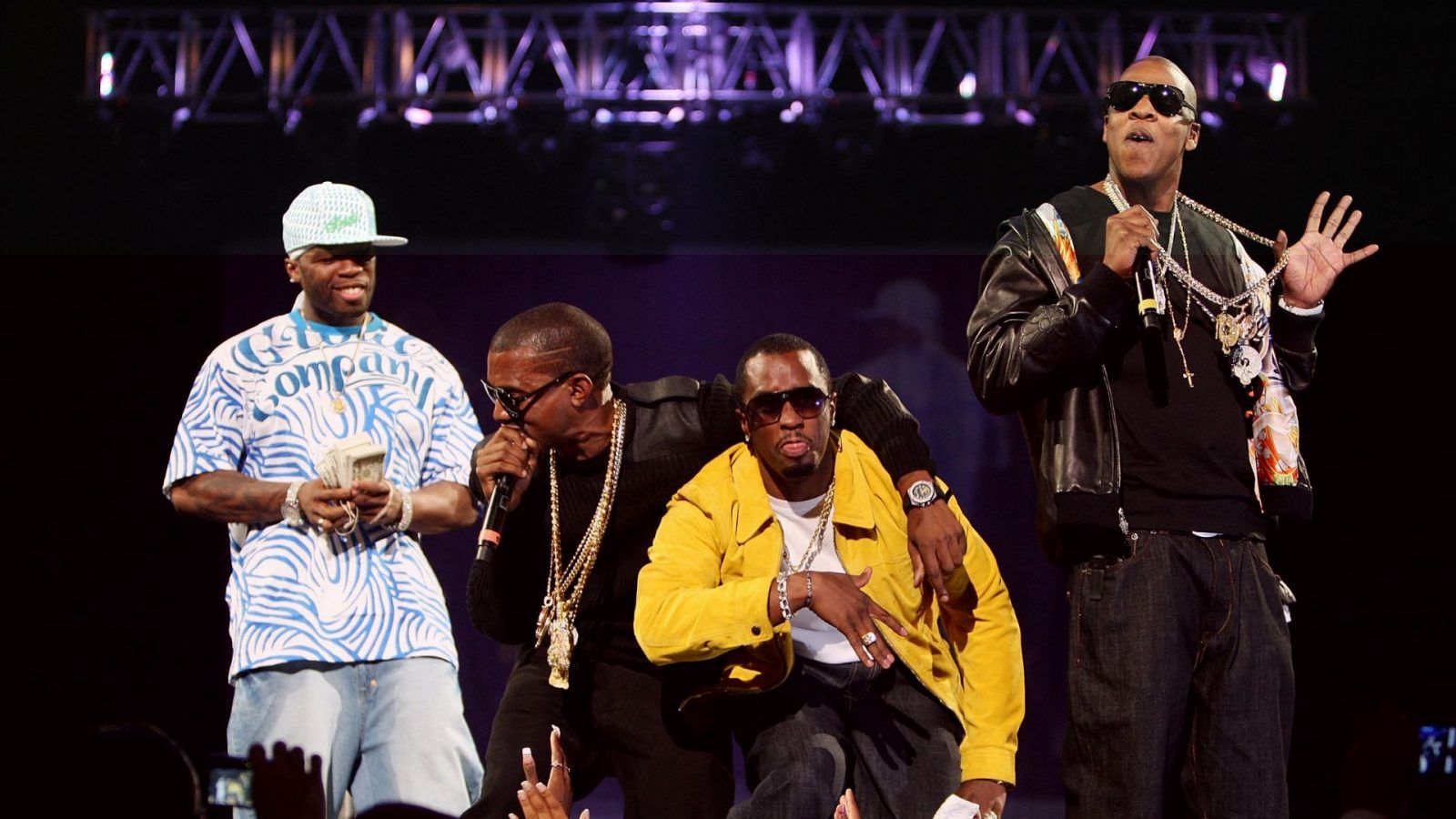
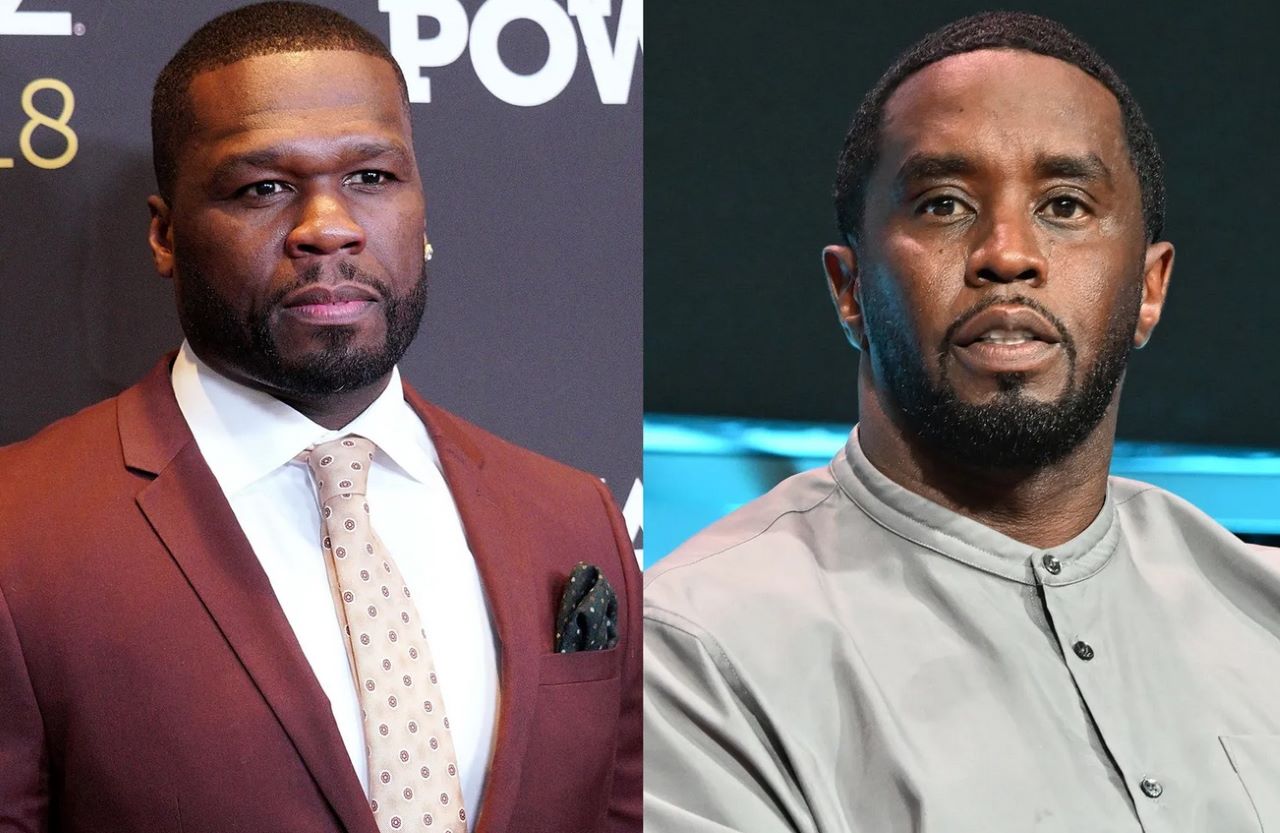
The relationship between Curtis "50 Cent" Jackson and Sean "Diddy" Combs has evolved from professional tension in the late 1990s to one of the most persistent and public rivalries in hip-hop history. While never a traditional "rap beef" involving diss tracks alone, their conflict spans corporate competition, personal trolling, and serious legal allegations that culminated in 2024 and 2025.
For over two decades, the dynamic between these two moguls has shifted through various phases: the "Gatekeeper" phase where 50 Cent felt snubbed by the Bad Boy Records founder, the "Liquor Wars" where they battled for market share in the spirits industry, and the "Whistleblower" phase where 50 Cent became the most vocal critic of Diddy’s personal conduct. Understanding this history requires looking past the social media memes to the underlying business disputes and industry power shifts that define their interactions as of 2026.
The Origins of Friction: The Late 1990s and "How to Rob"
The seeds of the 50 Cent and P. Diddy rivalry were planted long before 50 Cent became a global superstar with Get Rich or Die Tryin'. In 1999, a young and hungry 50 Cent released "How to Rob," a song that humorously detailed how he would rob various high-profile artists. Diddy was mentioned in the track, with 50 rapping about catching the Bad Boy mogul for his jewelry. While many artists took it as a joke, it signaled 50 Cent’s intent to disrupt the established hierarchy that Diddy sat atop.
Following 50 Cent's near-fatal shooting in 2000, he found himself blacklisted by much of the music industry. During this period, 50 Cent has claimed in various interviews that he sought a deal or support from Diddy’s Bad Boy Records. According to 50 Cent’s account, Diddy passed on him, citing the "drama" and danger surrounding the Queens rapper. This perceived rejection fueled 50 Cent’s long-standing narrative that Diddy was a "gatekeeper" who only supported those he could fully control or those who didn't pose a threat to his image.
The Mase Contract Dispute: A Turning Point in Business
One of the most significant "key moments" in their relationship history occurred in the mid-2000s regarding the rapper Mase. Mase, who had been the "golden boy" of Bad Boy Records, had retired to become a pastor but eventually sought a comeback. 50 Cent wanted to sign Mase to G-Unit Records, which was then at the height of its power.
However, Mase was still contractually tied to Diddy and Bad Boy Records. 50 Cent publicly accused Diddy of holding Mase "hostage" by demanding an exorbitant amount of money—upwards of $2 million—to release him from his contract. This dispute moved the conflict from a personal slight to a corporate war. 50 Cent used his platform to paint Diddy as an exploitative businessman, a theme he would return to for the next twenty years. The Mase situation was never fully resolved to 50 Cent's satisfaction, and it served as the blueprint for how 50 would attack Diddy: by targeting his business reputation and his treatment of artists.
The Spirits Industry: Cîroc vs. Effen Vodka
As both men transitioned from music to lifestyle branding, their rivalry entered the boardroom. In 2007, Diddy signed a massive deal with Diageo to oversee the marketing for Cîroc Vodka. He successfully turned the brand into a powerhouse, effectively creating the "luxury lifestyle" blueprint for rappers in the spirits industry.
In 2014, 50 Cent entered the fray by becoming a minority owner and the primary face of Effen Vodka. What followed was a multi-year marketing campaign that 50 Cent dubbed "The Vodka Wars." Unlike traditional marketing, 50 Cent’s strategy relied almost entirely on denigrating Cîroc and Diddy. He used the hashtag #PuffyIsGay (an early and controversial trolling tactic) and frequently posted videos of himself throwing Cîroc bottles in the trash.
50 Cent’s goal was to position Effen as the "authentic" choice for the streets, while labeling Cîroc as "fruity" or "soft." While Diddy largely ignored the provocations in public, the competition was fierce. This era proved that 50 Cent viewed Diddy not just as a former peer, but as a direct competitor in every facet of his professional life.
The "Diddy Do It?" Era and Personal Allegations
The most recent and most serious chapter of their relationship began around 2023. While 50 Cent had spent years making cryptic jokes about Diddy’s private parties and lifestyle, his tone shifted to a more aggressive, investigative stance as legal troubles began to mount for the Bad Boy founder.
When Cassandra "Cassie" Ventura filed a lawsuit against Diddy in November 2023, alleging years of abuse and sex trafficking, 50 Cent did not just comment on it—he became a primary source of commentary for the general public. He used his Instagram and X (formerly Twitter) accounts to amplify the allegations, often posting multiple times a day.
The Netflix Documentary: "Diddy Do It"
In late 2023 and early 2024, 50 Cent confirmed that his production company, G-Unit Film & Television, was producing a multi-part documentary series titled Diddy Do It. He announced that the proceeds from the documentary would go to victims of sexual assault. This move was unprecedented; one hip-hop mogul was creating a high-budget investigative project specifically aimed at exposing the alleged crimes of another.
By 2025, as the documentary neared its final release, it became clear that 50 Cent’s involvement was more than just a business move—it was a definitive attempt to dismantle Diddy’s legacy. The project included interviews with former Bad Boy employees and security personnel, many of whom corroborated the "shady" business practices 50 Cent had been complaining about since the early 2000s.
Timeline of Key Relationship Moments
The following table outlines the most critical junctures in the 25-year history between the two figures.
| Year | Event | Significance |
|---|---|---|
| 1999 | "How to Rob" Release | 50 Cent first mentions Diddy as a target in his breakout underground hit. |
| 2000-2002 | The "Bad Boy" Rejection | Diddy reportedly declines to sign 50 Cent after the shooting, citing safety concerns. |
| 2005 | The Mase Dispute | 50 Cent publicly attacks Diddy for refusing to release Mase from his contract. |
| 2014 | Launch of "Vodka Wars" | 50 Cent uses Effen Vodka to relentlessly troll Diddy’s Cîroc brand on social media. |
| 2015 | The "Puffy" Comments | 50 Cent begins making more frequent and direct insinuations about Diddy's personal life. |
| 2023 | Cassie Ventura Lawsuit | 50 Cent pivots from trolling to active commentary on Diddy's mounting legal issues. |
| 2024 | Federal Raids | 50 Cent reacts in real-time to the Homeland Security raids on Diddy's properties. |
| 2025 | Documentary Production | 50 Cent’s G-Unit Films completes work on the "Diddy Do It" docuseries. |
The Impact of the 2024 Federal Investigation
The relationship reached a point of no return in March 2024, when Homeland Security raided Diddy’s residences in Los Angeles and Miami. From the perspective of 2026, we can see how this moment validated 50 Cent’s long-standing claims in the eyes of his followers.
For years, 50 Cent had been accused of being a "hater" or a "bully" for his constant attacks on Diddy. However, as federal investigations deepened throughout 2024 and 2025, 50 Cent’s public image shifted from a mere agitator to a truth-teller for many. He was one of the few high-profile figures in the music industry who refused to stay silent, while many other celebrities who were frequent guests at Diddy’s parties remained quiet.
50 Cent’s commentary during the raids was relentless. He mocked Diddy’s sons' involvement in the raids and even went so far as to claim that there was more evidence to come. This period solidified the fact that their relationship was no longer a "beef" between rappers, but a high-stakes legal and reputational battle.
Strategic Trolling as a Business Model
To understand why 50 Cent has maintained this feud for so long, one must look at his business strategy. 50 Cent has often stated that he uses conflict to generate attention for his own ventures. By attaching himself to Diddy’s headlines, he ensures that his name remains in the news cycle without having to spend millions on traditional advertising.
- Audience Engagement: Every time Diddy faced a scandal, 50 Cent’s social media engagement skyrocketed.
- Brand Positioning: 50 Cent positioned himself as the "outsider" who isn't afraid to speak against the industry's elite.
- Monetization of Conflict: The Diddy Do It documentary is the ultimate example of 50 Cent turning a personal rivalry into a profitable (and socially relevant) media product.
Diddy’s approach, conversely, was almost always silence. Until the 2024 legal filings, Diddy rarely addressed 50 Cent by name, preferring to maintain an image of a "Love" preacher who was above the fray. This contrast in styles—aggressive transparency versus curated silence—defined their public interaction for two decades.
Frequently Asked Questions
Did 50 Cent ever sign with Bad Boy Records?
No. Despite rumors and 50 Cent’s own admission that he sought a deal with Diddy in the early 2000s, he was never signed to the label. Diddy allegedly felt that 50 Cent brought too much "energy" (violence and industry heat) that could have jeopardized the Bad Boy brand at that time.
Why does 50 Cent hate Diddy?
While "hate" is a strong word, the animosity stems from three primary areas: the initial rejection in 2000, the contractual blocking of Mase in 2005, and what 50 Cent describes as Diddy’s "fake" industry persona. 50 Cent has often claimed he finds Diddy’s business practices and personal conduct "disgusting."
What was the "Diddy Do It" documentary about?
The documentary produced by 50 Cent’s G-Unit Film & Television focuses on the various allegations of sexual assault, sex trafficking, and physical abuse leveled against Sean Combs. It also explores the historical context of his rise to power and how his influence supposedly allowed him to operate without oversight for decades.
How did Diddy respond to 50 Cent's trolling?
For the majority of the feud, Diddy ignored 50 Cent. On the rare occasions he did speak, he often referred to 50 Cent’s actions as "hating" or suggested that 50 Cent was simply looking for attention to sell products. Diddy never engaged in the back-and-forth social media wars that 50 Cent is known for.
Are 50 Cent and Diddy still rivals in 2026?
As of 2026, the rivalry has moved beyond personal bickering. With Diddy’s legacy largely dismantled by legal battles and 50 Cent’s documentary serving as a definitive record of the allegations, the "rivalry" is essentially over. 50 Cent is viewed as the victor in the court of public opinion, while Diddy remains embroiled in the legal fallout of the mid-2020s.
Practical Next Actions for Following This Story
For those interested in the deeper business and legal implications of the 50 Cent and P. Diddy history, the following steps are recommended:
- Review the Legal Filings: Read the initial 2023 lawsuit filed by Cassie Ventura, as it contains the specific allegations that shifted 50 Cent's tone from trolling to serious accusation.
- Watch the G-Unit Documentary: Seek out the Diddy Do It docuseries (released in 2025/2026) for a comprehensive look at the testimonies 50 Cent gathered.
- Analyze the "Vodka Wars": Study the marketing case studies of Cîroc vs. Effen to see how 50 Cent pioneered "negative marketing" in the spirits industry.
- Follow Official Reports: Stay updated on federal court proceedings regarding the 2024 raids, as these will provide the final factual resolution to many of the claims 50 Cent made over the years.
The relationship between 50 Cent and P. Diddy is a cautionary tale of how industry power dynamics can shift. What started as a young rapper's frustration with a powerful executive transformed into a crusade that eventually played a role in the downfall of one of hip-hop's most influential figures.