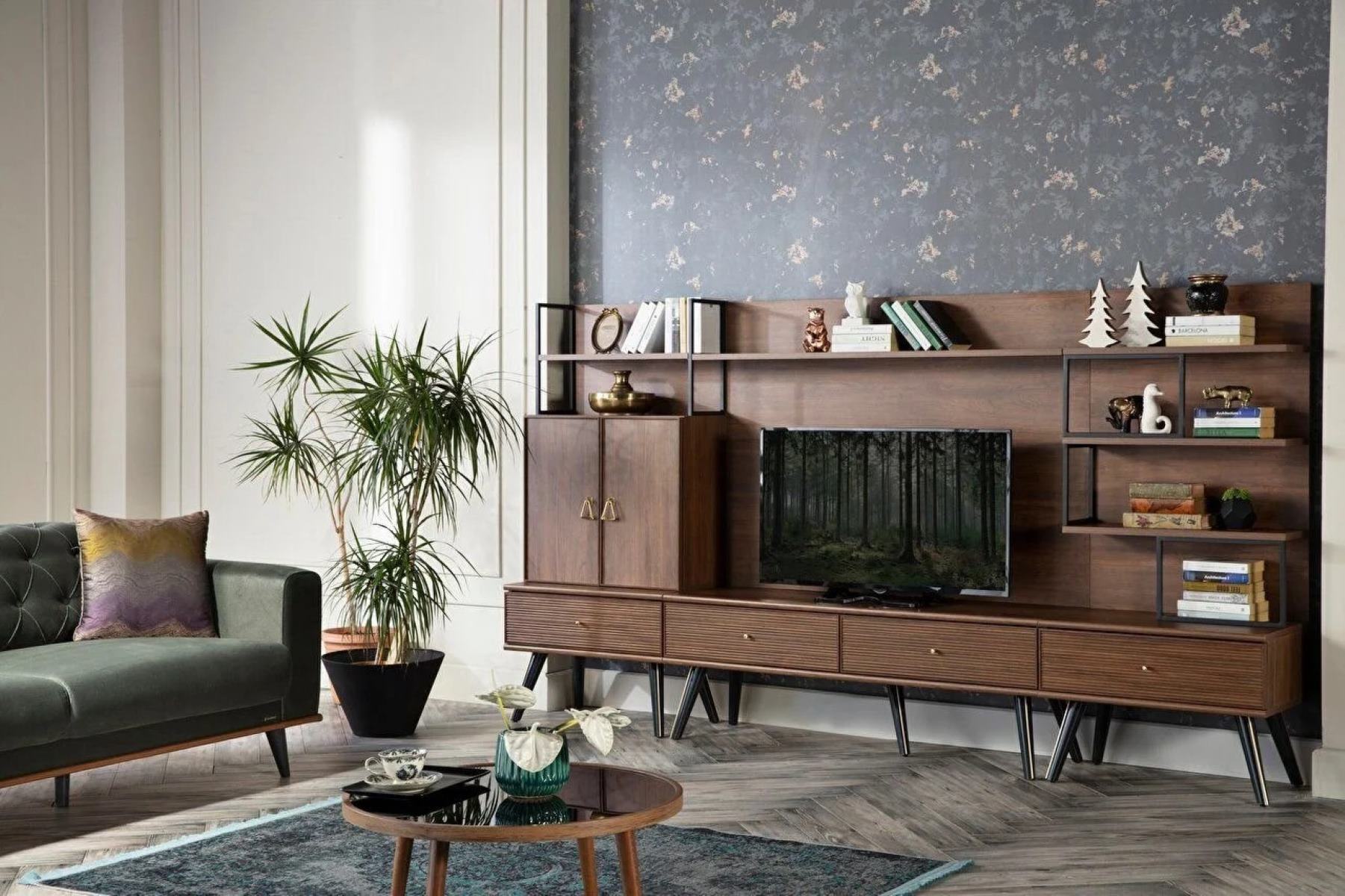
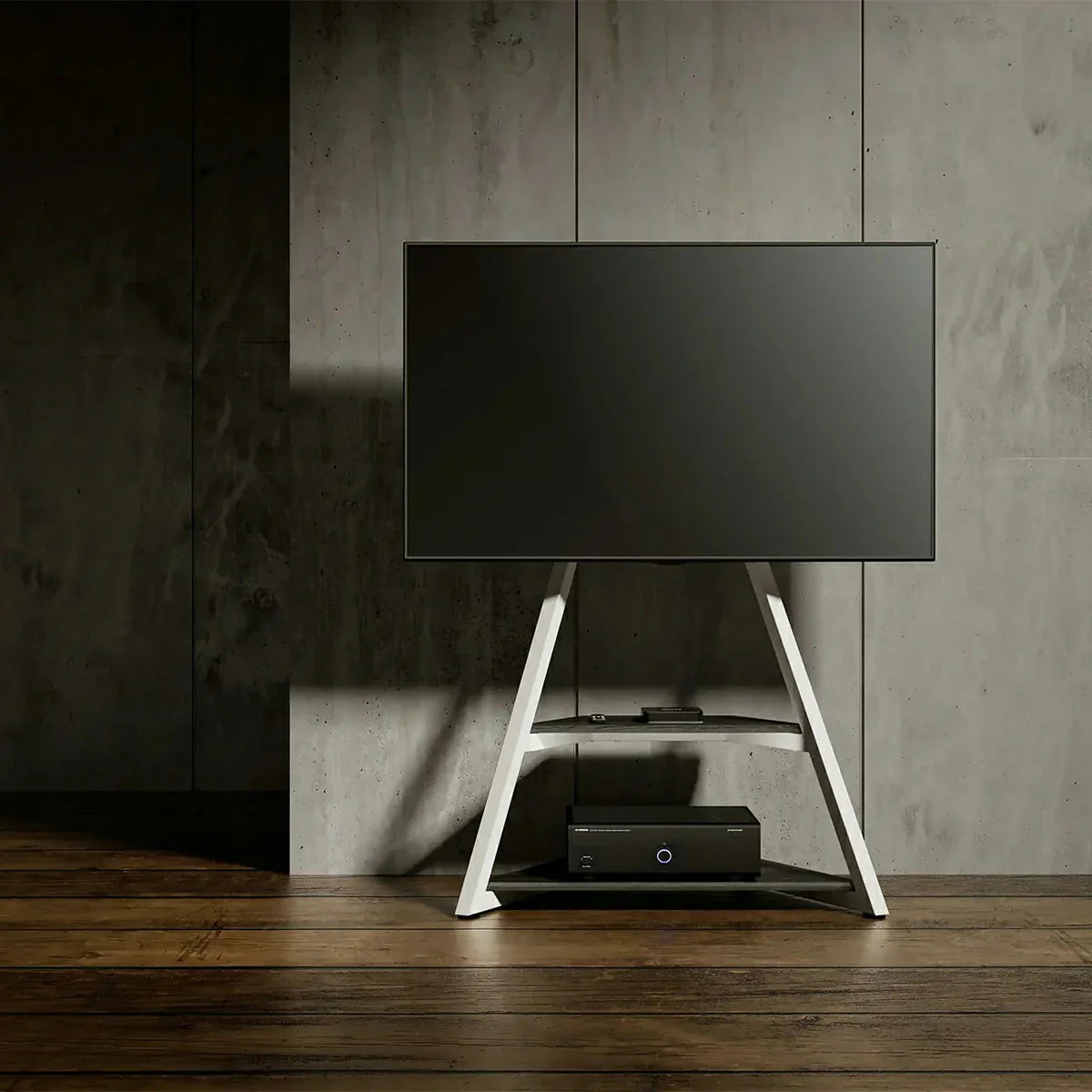
Selecting a 3ft TV stand requires balancing your television's physical footprint and weight distribution with your room's layout, viewing angles, and storage needs. A 36-inch media console is ideal for compact living rooms, bedrooms, or studio apartments housing screens up to 40 or 43 inches comfortably, provided you account for overhang, cable management, and material stability.
Understanding the Scope: Why a 3ft TV Stand Matters in Modern Interiors
When outfitting a living space, finding furniture that bridges the gap between functional utility and spatial efficiency is a primary design challenge. A 3ft TV stand—typically measuring around 36 inches in width—serves as a specialized solution for compact areas, secondary bedrooms, guest suites, and home offices. While massive entertainment centers dominate expansive great rooms, smaller media consoles demand a more calculated approach to interior architecture.
Choosing a media console of this size class requires understanding that every square inch counts. Unlike wider units that leave ample margin for error regarding screen placement and component storage, a 36-inch stand operates within tight dimensional tolerances. Consequently, getting the sizing, structural integrity, and aesthetic style right is essential to avoid a top-heavy appearance or a setup that fails to support your electronic ecosystem.
Dimensional Mathematics: Calculating Size and Proportion
The foundation of choosing any media furniture rests on precise measurements. Many buyers make the mistake of measuring only the screen size diagonal, neglecting the actual physical width of the television chassis and the stand's base.
Screen Size Versus Stand Width
A standard 36-inch TV stand is designed to accommodate televisions where the screen width is equal to or, ideally, slightly less than the console width. For context, a modern television with a 40-inch diagonal screen typically measures roughly 35 inches in width. Placing this television on a 36-inch stand leaves virtually zero margin on either side.
For optimal visual balance and safety, your television's base or legs must sit entirely on the top surface of the stand without hanging over the edges. If your TV uses wide-set feet rather than a central pedestal, measure the distance between the outer edges of those feet. That measurement must be comfortably smaller than the 36-inch top panel of the console.
Height and Ergonomic Viewing Angles
Beyond width, height is a critical factor for neck comfort and viewing posture. Ergonomic standards dictate that the center of your television screen should be at eye level when you are seated in your primary viewing position.
Most 3ft TV stands range from 20 to 24 inches in height. This lower profile is intentional; because smaller stands are typically paired with smaller TVs meant for bedrooms or intimate seating arrangements, a lower height aligns the screen properly with a bed or a low-profile accent chair. If you place a 36-inch stand in a room with high seating, you may need to utilize a wall mount above the stand or select a slightly taller console to prevent neck strain.
Material Composition and Weight Capacity
A compact footprint does not mean lightweight construction requirements. Electronic equipment, receivers, gaming consoles, and the television itself accumulate significant weight, making structural integrity a top priority.
Solid Wood Versus Engineered Wood and Metal
The market offers 3ft TV stands constructed from various materials, each affecting durability, weight capacity, and price:
- Solid Wood: Materials like oak, mango wood, or walnut offer exceptional durability, a high weight capacity, and a premium aesthetic. They resist warping and handle heavy loads effortlessly, though they come with a higher price tag and heavier physical weight.
- Engineered Wood (MDF and Particle Board): Common in budget-friendly and mid-tier furniture, high-density fiberboard (MDF) with a wood veneer can look sleek and modern. However, verify the manufacturer's maximum weight limits carefully, as moisture sensitivity and lower fastener retention are common drawbacks.
- Metal and Glass: Steel frames paired with tempered glass shelves provide a contemporary, open look that prevents small rooms from feeling visually crowded. Tempered glass handles vertical weight well but requires careful handling to prevent edge chipping.
Evaluating Weight Limits
Always check two distinct weight ratings when evaluating a 36-inch TV stand: the top surface capacity and the individual shelf capacity. Your television will rest on the top surface, while auxiliary devices—such as streaming boxes, gaming consoles, and soundbars—will occupy interior or lower shelves. Ensure the top surface can support at least 25% more than your TV's actual weight to account for dynamic loads and accidental pressure.
Style Harmonization: Matching Your Interior Decor
A 3ft TV stand occupies a notable visual anchor point in a compact room. Its style must complement your existing interior design language rather than clashing with it.
Modern Minimalism and Industrial Chic
For contemporary spaces, clean lines, handleless cabinet doors, and geometric metal legs are popular choices. An industrial-style stand featuring reclaimed wood panels and a black powder-coated steel frame adds texture without overwhelming a small footprint. Floating 36-inch wall-mounted consoles are another modern option that completely eliminates floor clutter, creating an illusion of expanded square footage.
Traditional, Rustic, and Mid-Century Modern
If your home features warm, classic tones, a traditional wooden console with raised panel doors and traditional hardware offers timeless appeal. Mid-century modern designs, characterized by tapered wooden legs, warm teak finishes, and slatted cabinet doors, bring architectural interest and retro charm to compact living areas.
| Style Category | Primary Materials | Best Suited For | Key Aesthetic Feature |
|---|---|---|---|
| Mid-Century Modern | Teak, Walnut, Engineered Wood | Retro, eclectic, and warm contemporary spaces | Tapered legs and organic wood grains |
| Industrial | Steel, Reclaimed Wood, Iron | Loft-style, urban, and modern masculine decors | Exposed hardware and raw textures |
| Minimalist / Floating | MDF, High-Gloss Laminate, Glass | Small apartments, bedrooms, and contemporary homes | Clean lines and concealed storage |
| Traditional Farmhouse | Distressed Pine, Oak, Beadboard | Country, transitional, and cottage-style interiors | X-brace doors and antique hardware |
Functional Features: Storage, Ventilation, and Cable Management
Compact furniture must work harder to maximize utility. When selecting a 3ft media console, evaluate how internal features manage your specific hardware ecosystem.
Ventilation and Heat Dissipation
Electronic components such as gaming consoles, AV receivers, and cable boxes generate substantial heat during operation. If you choose an enclosed cabinet style with solid wooden doors, ensure the back panel features pre-cut ventilation ports. Without adequate airflow, trapped heat can trigger thermal shutdowns or degrade the internal components of your expensive electronics. Glass doors or open shelving units naturally alleviate heat retention issues while allowing remote control signals to pass through unimpeded.
Cable Management Infrastructure
A tangled web of cords can ruin the clean aesthetic of a compact media setup. Look for stands that incorporate integrated cable management grommets or cutouts in the rear panel. These routing channels keep power cords, HDMI cables, and Ethernet lines organized, preventing unsightly clutter from spilling onto your floors.
Common Pitfalls to Avoid When Buying a Small TV Stand
Purchasing furniture online or in-store without a checklist often leads to costly mistakes. Keep these common missteps in mind:
- Ignoring Base Dimensions: Measuring only the screen diagonal and forgetting to check the stance width of the TV legs.
- Overloading Glass Shelves: Placing heavy older-model receivers or massive subwoofers onto thin glass shelving without verifying weight ratings.
- Neglecting Remote Control Line-of-Sight: Buying solid wood cabinets for infrared-dependent devices without confirming whether remotes will work through the doors.
- Disregarding Baseboard Heaters and Outlets: Failing to account for wall baseboards or awkwardly placed electrical outlets that prevent the stand from sitting flush against the wall.
Frequently Asked Questions
What size TV fits securely on a 3ft TV stand?
A 36-inch (3ft) TV stand safely accommodates most televisions with screen sizes up to 40 or 43 inches, provided the physical width of the TV chassis or its support feet does not exceed 36 inches. Always prioritize the distance between the TV's feet over the diagonal screen measurement.
Are floating 36-inch TV stands difficult to install?
Floating TV stands require anchoring directly into wall studs using heavy-duty lag bolts or toggle anchors. While installation requires basic carpentry skills, a stud finder, and a level, following the manufacturer's weight distribution guidelines ensures a secure and clean-looking setup.
How can I keep a small TV stand from looking cluttered?
Utilize enclosed storage cabinets for items you use infrequently, such as extra cables and gaming accessories. Keep open shelves limited to one or two primary components. Using cable sleeves and zip ties behind the stand also drastically reduces visual noise in compact spaces.
Can I place a soundbar on a 3ft TV stand alongside my TV?
Yes, but you must measure carefully. If your television takes up the entire 36-inch top surface width, a standard soundbar will not fit alongside it. In this scenario, consider a stand with an open shelf directly below the top surface dedicated to a soundbar, or mount the soundbar on the wall just beneath the television.
Is engineered wood durable enough for daily media room use?
High-quality engineered wood (such as high-density MDF with a durable laminate or veneer) is fully capable of handling daily wear and tear. However, it is less resilient to moisture and deep impacts than solid wood or steel, so it requires gentle cleaning and careful handling during assembly.
Final Recommendation
When choosing a 3ft TV stand, prioritize your equipment's actual footprint and weight over sheer aesthetic appeal. Measure your television's base, audit your electronic components for heat and ventilation needs, and select a style that complements your room's scale. For maximum longevity in tight spaces, opt for a sturdy wood or metal frame with built-in cable management ports and flexible open-and-closed storage configurations.