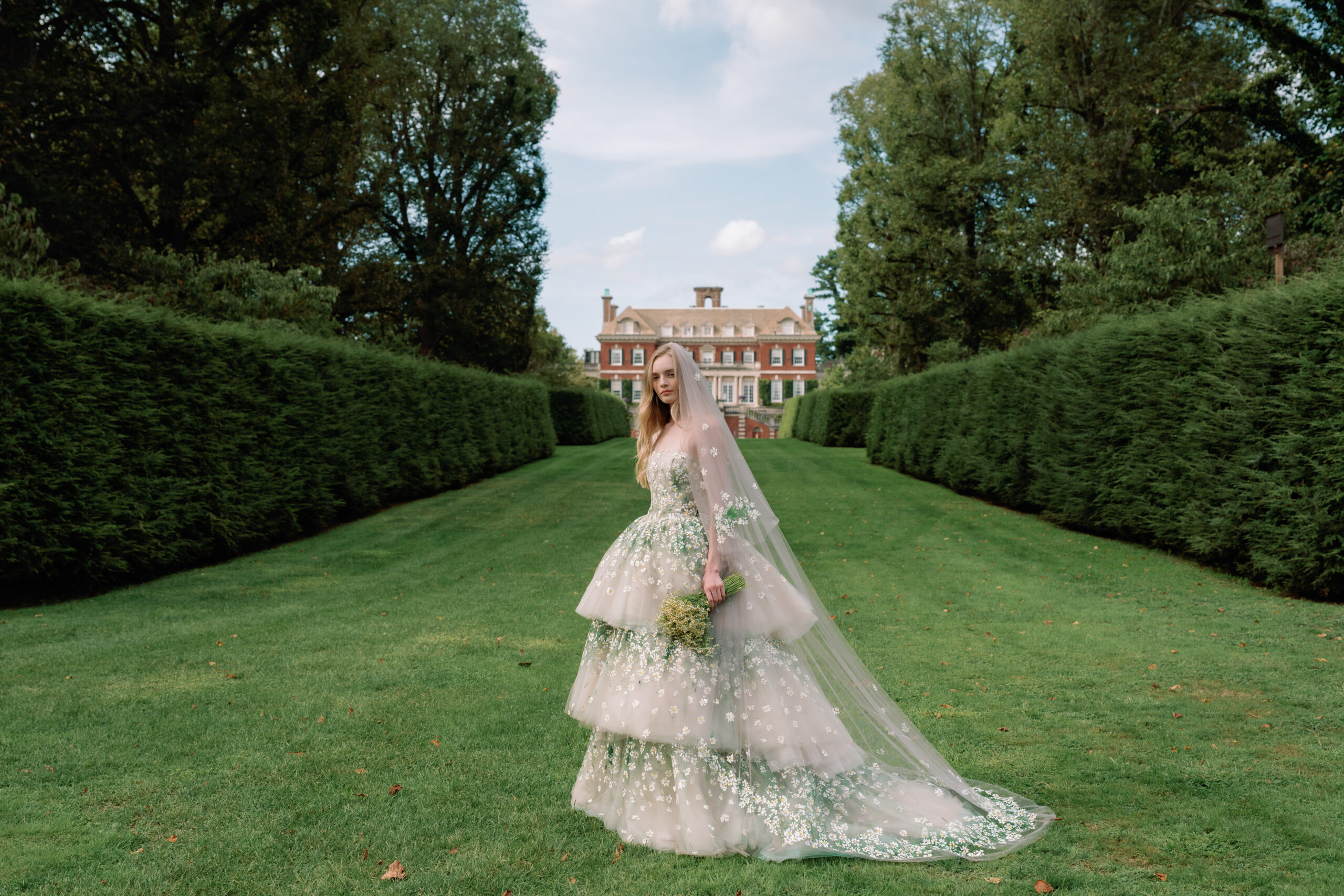
Planning a wedding in 2026 requires navigating an evolving landscape defined by hyper-personalization, technological integration, and a continued emphasis on intentional guest experiences. As couples move away from rigid traditions, modern celebrations prioritize authenticity, multi-day itineraries, and sophisticated vendor management that demands early preparation and strategic financial allocation.
The Modern Landscape of 2026 Weddings
The wedding industry in 2026 reflects a broader cultural shift toward intentionality, sustainability, and bespoke design. Couples are increasingly viewing their wedding not as a single-day performance, but as a curated weekend experience that tells a cohesive story. This mindset influences every facet of the planning process, from venue selection to environmental impact.
Modern couples are rejecting formulaic packages in favor of highly customizable spaces and vendor teams that understand their specific vision. Furthermore, economic realities and fluctuating supply chains mean that successful planning requires a clear understanding of baseline costs, realistic budgeting, and proactive vendor booking windows. Understanding these structural shifts is the first step toward building a memorable and stress-free celebration.
Early Planning and Timeline Architecture
A successful 2026 wedding relies on a structured timeline that mitigates logistical stress and secures high-demand vendors before availability vanishes. Because premier venues and sought-after photographers often book twelve to eighteen months in advance, establishing a chronological roadmap is essential.
[18-12 Months Out] ➔ Secure Venue, Hire Planner, Draft Initial Budget [12-9 Months Out] ➔ Book Core Vendors (Catering, Photo/Video, Music) [9-6 Months Out] ➔ Design Stationery, Select Attire, Secure Room Blocks [6-3 Months Out] ➔ Finalize Guest List, Send Invitations, Plan Menu [3-1 Months Out] ➔ Confirm Final Headcounts, Create Seating Charts, Obtain License
Securing Key Infrastructure
The foundational elements of any wedding—the venue, catering, and primary entertainment—must be addressed first. When evaluating venues in 2026, couples must look beyond aesthetic appeal and examine critical infrastructure: power capabilities for modern lighting and audio, weather contingency plans, sound ordinances, and vendor flexibility. Relying on an experienced wedding planner early in this phase can prevent costly contractual oversights and streamline communication across complex supply chains.
Financial Management and Budget Allocation
Establishing a realistic budget remains the most critical hurdle in wedding planning. In 2026, couples face diverse economic conditions that impact the cost of goods, labor, and venue rentals. A transparent, itemized budget prevents unexpected shortfalls and ensures resources are directed toward elements that hold the highest personal value.
Breakdown of Standard Cost Centers
While every celebration is unique, financial experts typically recommend distributing a wedding budget across specific foundational categories. The table below outlines standard percentage allocations and planning priorities to help couples structure their spending effectively.
| Category | Recommended Budget Share | Primary Planning Focus & Considerations |
|---|---|---|
| Venue & Catering | 40% – 50% | Includes site fees, food, bar services, rentals, and service staff. Often the most inflexible line item. |
| Media & Arts | 10% – 15% | Photography, videography, and live entertainment or high-end DJ services. Captures enduring value. |
| Design & Florals | 10% – 15% | Floral arrangements, structural installations, lighting design, and tabletop rentals. |
| Attire & Beauty | 5% – 10% | Wedding wardrobe, alterations, hair, makeup, and pre-wedding grooming. |
| Stationery & Details | 3% – 5% | Save-the-dates, formal invitations, signage, menus, and custom favors. |
| Contingency Fund | 5% – 10% | Unforeseen expenses, gratuities, taxes, and last-minute logistical adjustments. |
Aesthetic and Experiential Trends
2026 weddings emphasize sensory immersion. Rather than relying on generic color palettes, couples are opting for narrative-driven design that incorporates rich textures, dramatic lighting, and experiential elements tailored to guests.
Immersive Guest Experiences
The guest experience has evolved from passive observation to active participation. Couples are investing in interactive elements such as live-painter stations, custom fragrance bars, and curated late-night culinary experiences that reflect their personal histories or favorite travel destinations. Additionally, multi-day weddings—featuring welcome parties, post-wedding brunches, and localized excursions—are standard for destination events, requiring detailed communication hubs and dedicated hospitality teams.
Sustainable Design Practices
Environmental consciousness continues to shape design choices. Single-use plastics and non-biodegradable floral foams are being phased out in favor of local, seasonal sourcing and mechanics that prioritize compostable materials. Many couples also choose pre-owned or rental attire, digital-first invitation suites, and partnerships with local caterers who minimize food waste through pre-plated service or structured donation programs.
Technological Integration and Digital Tools
Technology plays an indispensable role in the modern wedding ecosystem, streamlining everything from guest communication to day-of coordination.
Digital RSVP and Website Hubs
Centralized wedding websites have largely replaced traditional multi-part paper invitation suites. These digital hubs serve as the primary source of truth for guests, housing accommodation links, dress code specifications, travel FAQs, and interactive RSVP portals. Utilizing these platforms reduces paper waste and allows planners to track dietary restrictions and headcounts in real time.
Live-Streaming and Content Creation
While traditional professional photography and cinematography remain paramount, many 2026 couples are hiring dedicated "wedding content creators." These professionals capture behind-the-scenes, vertical-format video content optimized for social sharing, allowing couples to receive immediate, raw footage of their celebration within 24 hours of the event. For remote family members, professional live-streaming setups ensure global loved ones can participate virtually without disrupting the intimate atmosphere of the ceremony.
Legal Requirements and Administrative Checklist
Beyond the aesthetics and celebrations, couples must navigate the legal and administrative prerequisites required to validate their marriage. Regulations vary significantly by jurisdiction, making early verification essential.
- Research Local Issuing Authorities: Determine whether the marriage license must be obtained from the county clerk, town hall, or regional government office where the ceremony will take place.
- Verify Residency and Citizenship Rules: Check if either partner must be a resident of the municipality, and identify what identification documents (such as passports or certified birth certificates) are required.
- Understand Waiting Periods and Expiration Dates: Many jurisdictions enforce a mandatory waiting period between the date of application and when the license becomes valid, alongside a strict expiration window (often 30 to 60 days) within which the ceremony must occur.
- Appoint an Authorized Officiant: Ensure the person solemnizing the marriage holds the legal authority to do so within the specific geographic jurisdiction. Some regions require officiants to register with local authorities in advance.
- Secure the Marriage Certificate: Following the ceremony, ensure the officiant and witnesses sign the license and that it is promptly returned to the issuing office for official recording.
Disclaimer: Marriage laws are subject to local jurisdictional changes. Couples should consult their specific regional government clerk’s office well in advance of their ceremony date to confirm current legal prerequisites.
Frequently Asked Questions
How far in advance should we book our wedding venue?
For peak weekend dates in high-demand regions, couples should secure their venue twelve to eighteen months in advance. Popular venues often book out even earlier for autumn and spring dates, which remain favored seasons due to moderate weather conditions.
What is the most effective way to manage a wedding budget?
The most effective approach is establishing a firm total spending limit before making any purchases, then distributing those funds across mandatory categories using a percentage-based template. Always maintain a 5% to 10% contingency fund to absorb unexpected service fees, taxes, and gratuities.
Are multi-day wedding celebrations expected for 2026?
Multi-day celebrations are increasingly common, particularly for destination weddings or events where a significant portion of guests are traveling. However, they are not mandatory; couples should tailor their itinerary to their budget, guest demographics, and personal energy levels.
How do we handle dietary restrictions for our guests?
Dietary restrictions should be collected directly through digital RSVP forms with specific prompt fields. This data must be compiled and delivered to the catering team at least three to four weeks prior to the event to ensure safe meal preparation and clear table service labeling.
What should be prioritized if we need to cut wedding costs?
If budget reductions are necessary, couples should look first at non-essential items that leave little lasting impact on the guest experience, such as elaborate paper stationery suites, custom favors, large floral installations, or extensive secondary lighting packages. Core elements like food quality, bar service, and music generally have a more direct impact on overall guest satisfaction.
Conclusion and Next Actions
Planning a wedding in 2026 is an exercise in balancing personal creativity with disciplined logistical management. By establishing a realistic budget, securing foundational vendors early, and prioritizing meaningful guest experiences, couples can build a celebration that is both deeply personal and impeccably organized. To begin your journey, sit down with your partner to define your core priorities, establish your maximum budget, and draft your initial guest list to determine appropriate venue capacities.