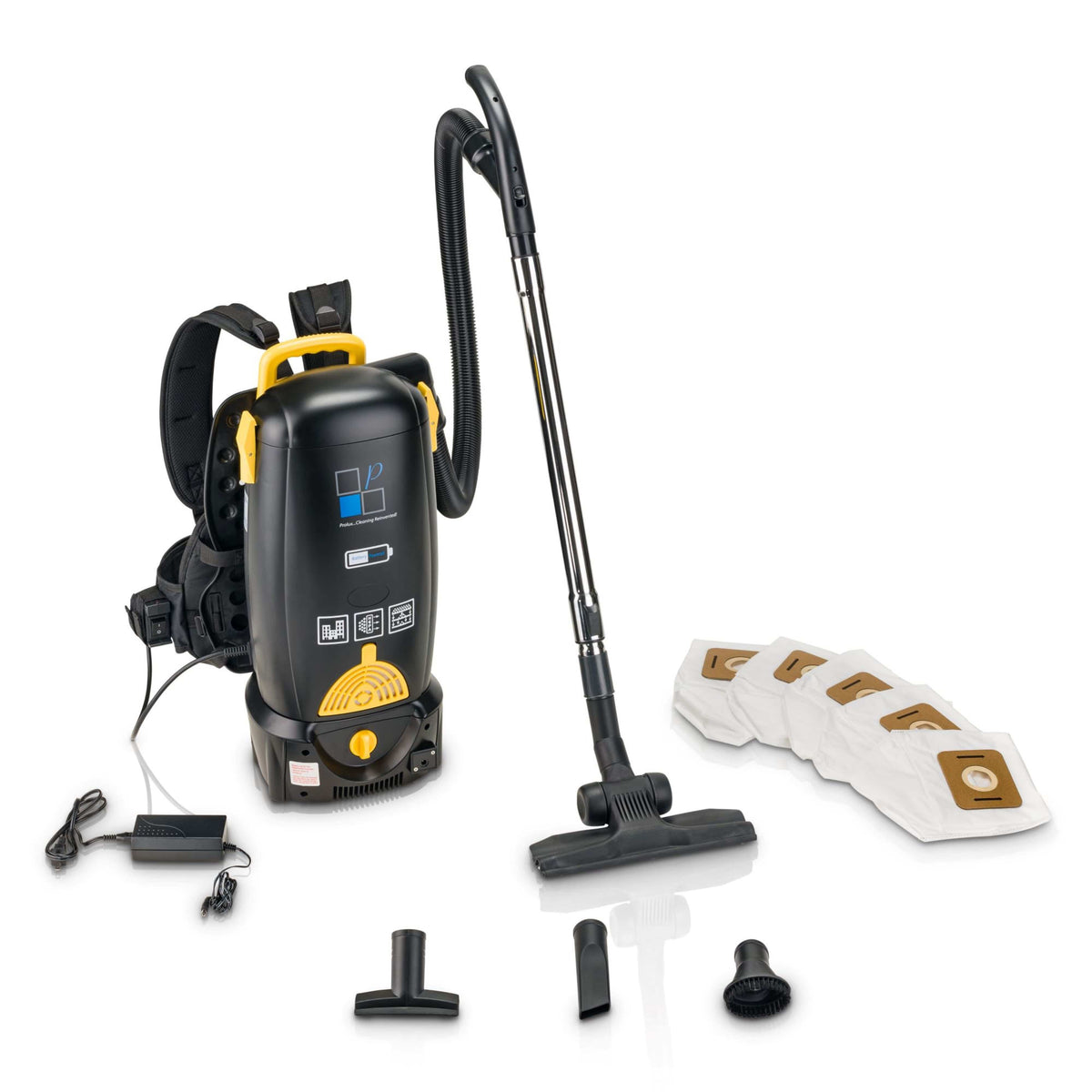
A 2-in-1 wet and dry vacuum cleaner combines traditional dry vacuuming with liquid suction and surface washing capabilities, allowing users to tackle solid debris, dust, and wet spills simultaneously in a single appliance.
Understanding the 2-in-1 Wet and Dry Vacuum Cleaner Phenomenon
Floor maintenance has historically required a sequential, multi-step process. First, a dry vacuum clears away loose dirt, crumbs, and pet hair. Next, a mop and bucket are deployed to wash away sticky residue, dried liquids, and ground-in grime. This traditional routine is time-consuming, requires storing multiple bulky tools, and often moves dirty water across the floor rather than removing it. The 2-in-1 wet and dry vacuum cleaner disrupts this paradigm by merging vacuum suction and active washing into a single, streamlined mechanism.
Designed for modern households that prioritize efficiency, these dual-action machines have evolved from industrial workshop tools into sleek, agile, consumer-friendly appliances. They utilize specialized brush rolls rotating at high speeds, combined with continuous clean-water distribution and powerful suction channels, to lift both dry debris and wet messes in one pass. Understanding how these machines operate requires looking past standard vacuum specifications and examining the mechanics of dual-tank systems, battery management, and floor-type compatibility.
Core Mechanics: How Wet and Dry Suction Operates
To appreciate why a 2-in-1 cleaner is considered a powerhouse, one must examine the internal architecture that separates it from standard upright vacuums. Conventional vacuums rely on a single airstream designed to trap dry dust particles inside a bag or cyclonic bin. Exposing a standard motor to liquids risks electrical short circuits, motor burnout, and mold growth within the housing.
Wet and dry vacuum cleaners bypass this limitation through specialized engineering:
- Dual-Tank Technology: Clean water and cleaning solution are housed in a dedicated fresh tank, spraying directly onto the rotating brush roll. Meanwhile, a separate dirty water tank captures sucked-up liquids, hair, and solid debris via centrifugal force or physical barriers, keeping the clean and dirty supplies completely isolated.
- Sealed Suction Motors: Waterproofed or isolated motor assemblies maintain high static lift and airflow even when pulling heavy moisture, ensuring that suction power remains stable during high-demand tasks like cleaning up spilled cereal in milk or muddy paw prints.
- Self-Cleaning Cycles: Many modern iterations feature docking stations that flush the brush roll and internal tubing with clean water at the touch of a button, preventing stagnant odors and bacterial buildup between uses.
Key Advantages Over Traditional Cleaning Methods
The appeal of the 2-in-1 cleaner lies in significant time savings and superior hygienic performance. When dealing with unexpected kitchen spills or routine weekend deep-cleans, traditional methods often push dirty liquid into grout lines or leave a residue film as the mop water becomes contaminated. Dual-action cleaners continuously apply fresh water to the floor while vacuuming the wastewater away into the recovery tank. This ensures that the floor is constantly washed with clean solution rather than recycled dirty water.
Furthermore, these appliances excel at managing multi-surface environments. Modern households rarely feature just one type of flooring; open-concept layouts transition seamlessly from hardwood and luxury vinyl plank to tile and low-pile area rugs. A high-performance 2-in-1 cleaner adapts to these transitions, adjusting suction and liquid output or utilizing specialized multi-surface brush rolls that capture dust from carpets while safely scrubbing hard floors without water saturation.
| Feature / Aspect | Traditional Mop & Vacuum | Standard Dry Vacuum | 2-in-1 Wet & Dry Cleaner |
|---|---|---|---|
| Equipment Needed | Vacuum, broom, bucket, mop, wringer | Vacuum cleaner only | Single appliance |
| Liquid Spill Handling | High risk of spreading; manual paper towels required | Motor damage risk; cannot handle liquids | Instant suction and washing in one pass |
| Water Hygiene | Mop water becomes dirty quickly | N/A (Dry only) | Dual tanks keep clean and dirty water separated |
| Time Investment | High (Sweep, vacuum, mop, dry time) | Medium (Dry debris only) | Low (Simultaneous vacuuming and washing) |
| Storage Footprint | Large (Multiple tools and cleaning agents) | Small to Medium | Compact (Single footprint with charging dock) |
Key Technical Specifications to Evaluate
When selecting a 2-in-1 wet and dry vacuum cleaner, buyers must look beyond marketing claims and evaluate technical metrics that dictate real-world performance. Specifications vary widely between entry-level models and premium cordless powerhouses.
Suction Power and Motor Efficiency
Suction is typically measured in Air Watts (AW) or Pascals (Pa). For wet and dry cleaning, higher suction is necessary not just to lift dust, but to pull heavy liquid columns up from the floor and leave surfaces nearly dry to the touch. Look for brushless DC motors, which offer higher energy efficiency, reduced heat generation, and a longer operational lifespan compared to brushed alternatives.
Battery Capacity and Run-Time
Most consumer-grade 2-in-1 cleaners are cordless, relying on lithium-ion battery packs for maneuverability. Run-times generally range from 20 to 45 minutes depending on the selected power mode (Eco versus Max/Turbo). Users should assess their home square footage against the manufacturer's specified run-time, keeping in mind that running continuous water flow and high suction on thick messes draws power faster.
Tank Capacities and Weight Balance
The balance between tank size and physical weight is a critical ergonomic consideration. Larger tanks reduce the frequency of emptying dirty water and refilling clean water, but they add dead weight to the appliance as you push and pull it. Most quality units weigh between 8 and 12 pounds when tanks are empty, shifting to feel lighter during operation due to the self-propelling traction of the spinning brush roll.
Practical Performance Across Different Floor Types
Evaluating how a 2-in-1 cleaner performs in daily scenarios requires examining its interaction with specific household surfaces. On sealed hard floors—such as tile, laminate, luxury vinyl, and finished hardwood—these appliances shine. They glide forward with motorized traction, lifting stubborn dried stains like coffee or syrup while simultaneously polishing the surface.
Carpet performance requires careful consideration. While some advanced 2-in-1 models feature specialized dry-vacuum modes or low-moisture carpet refreshment settings, most wet-and-dry units are fundamentally optimized for hard surfaces. Users should verify whether a specific model is certified for carpet use, as applying liquid cleaning solution to high-pile carpets without proper extraction and drying capabilities can trap moisture in the padding and cause mildew.
Common Operational Mistakes to Avoid
To maximize the lifespan and effectiveness of a 2-in-1 wet and dry vacuum cleaner, operators should steer clear of several frequent pitfalls:
- Using Unauthorized Cleaning Formulas: Pouring standard household dish soap, bleach, or foaming floor cleaners into the clean water tank can generate excessive foam that breaches the motor seal, voiding the manufacturer's warranty. Always use the brand-recommended low-foaming detergent or plain tap water.
- Neglecting Post-Use Maintenance: Leaving dirty water in the recovery tank for days leads to severe bacterial growth and foul odors. The dirty tank, filter, and brush roll must be emptied, rinsed, and left to air-dry after every cleaning session.
- Vacuuming Fine Powders: Sucking up large amounts of fine dust, drywall powder, or fireplace ash without a dedicated dry-mode filter can cake the internal air channels and compromise suction performance.
- Tilting the Machine Excessively: Laying a wet-and-dry cleaner completely flat (like a standard low-profile stick vacuum) can cause dirty water to spill backward out of the recovery tank and directly into the motor housing.
Troubleshooting Common Issues
Even high-end cleaning appliances occasionally encounter operational hurdles. Understanding basic troubleshooting steps saves time and prevents unnecessary service calls.
Loss of Suction or Water Pick-Up
If the machine leaves puddles instead of sucking up water, check the following components:
- Recovery Tank Sealing: Ensure the dirty water tank is clicked securely into place and the rubber gasket is intact and free of debris.
- Filter Clogs: Inspect the mesh or foam filter inside the recovery tank. If it is caked with pet hair or fine dirt, rinse it thoroughly and let it dry completely before reinstalling.
- Brush Roll Window: Check the brush roll housing and nozzle inlet for lodged objects, such as large toys, coins, or dense clumps of hair that block the suction channel.
Foul Odor During Operation
Unpleasant smells usually indicate trapped organic matter within the wet system. Run a deep self-cleaning cycle on the charging dock using warm water and the recommended cleaning solution. Remove the brush roll and let it dry in a well-ventilated area. Periodically inspect the rubber seals and internal air ducts for residue buildup.
Frequently Asked Questions
Can a 2-in-1 wet and dry vacuum replace my traditional mop and bucket?
Yes, for the vast majority of hard flooring surfaces, a 2-in-1 cleaner completely replaces the mop and bucket. By continuously washing floors with clean solution and immediately extracting the dirty water into a separate tank, it cleans more hygienically than a traditional mop, which repeatedly spreads contaminated water across the room.
Can I use hot water in my wet and dry vacuum cleaner?
Most manufacturers recommend using cold or warm tap water (typically under 140°F / 60°C). Pouring boiling water directly into the plastic tanks can warp the material, damage internal valves, or degrade rubber seals. Always check the specific user manual for temperature limitations.
How do I clean and maintain the brush roll?
After each cleaning session, place the vacuum on its storage dock and activate the self-cleaning cycle. Once finished, remove the brush roll cover, pull out the roller, and place it vertically in its designated drying rack. Inspect it weekly for wrapped hair or thread, cutting them away with scissors if necessary.
Are these cleaners safe for unsealed hardwood floors?
Unsealed or waxed hardwood floors are highly sensitive to moisture. Excessive water can penetrate the grain and cause warping or buckling. While 2-in-1 cleaners extract most of the water they dispense, users should utilize the lowest moisture setting available or avoid using wet modes on unsealed wood entirely.
What happens if I accidentally suck up too much liquid?
Quality wet and dry cleaners feature float valves or electronic sensors inside the dirty water tank. When the liquid reaches the maximum fill line, the sensor automatically shuts off the motor and alerts the user with an indicator light or an audible beep, preventing liquid from flooding the internal electronics.
Final Recommendations for Buyers
Investing in a 2-in-1 wet and dry vacuum cleaner transforms routine household maintenance by merging vacuuming and washing into a single, efficient workflow. Before purchasing, assess your primary flooring types, household traffic patterns, and storage space. Homes with extensive hard flooring, pets, and children benefit the most from these dual-action powerhouses. Prioritize models with reliable self-cleaning docks, robust battery life, and intuitive digital displays that alert you when tanks need attention. By maintaining the unit properly—emptying tanks after every use and replacing filters as recommended—you will ensure years of reliable, streak-free cleaning performance.