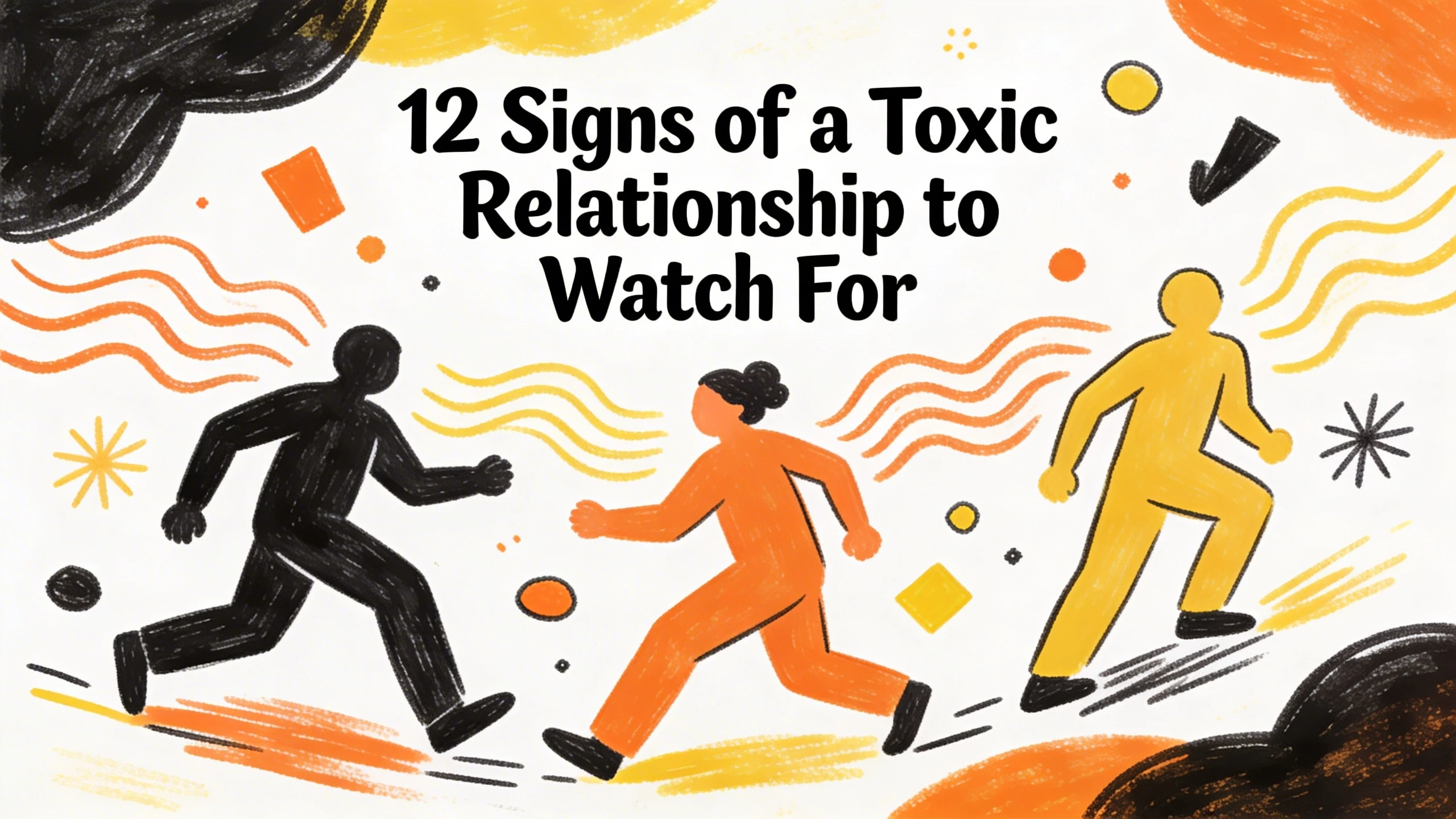
Possessiveness in a relationship is characterized by one partner's persistent attempt to control the other’s autonomy, social interactions, or personal choices. While often disguised as "intense love," it becomes toxic when it creates a cycle of fear, isolation, or psychological manipulation, ultimately eroding the victim's sense of self and personal safety.
Understanding the Spectrum of Possessiveness
In the landscape of modern relationships in 2026, the line between healthy interest and possessive control can sometimes feel blurred. Technology has introduced new ways for partners to stay connected, but it has also provided more tools for surveillance. A healthy relationship is built on a foundation of mutual trust, where both individuals maintain their independence. Conversely, a possessive relationship is rooted in insecurity and the need for dominance.
Possessiveness is rarely a static trait; it often functions on a sliding scale. It might begin with small, seemingly sweet gestures—such as wanting to spend every moment together—but can rapidly evolve into restrictive demands. Recognizing these patterns early is essential for maintaining mental health and ensuring that a partnership remains a source of support rather than a source of distress.
12 Clear Signs of a Possessive Relationship
1. Systematic Isolation from Support Networks
One of the most profound signs of possessiveness is the gradual isolation of a partner from their friends, family, and colleagues. A possessive partner may not demand that you stop seeing people immediately; instead, they often use subtle manipulation. They might complain about your best friend’s influence, pick fights right before you are scheduled to go out, or express "hurt" that you would choose others over them.
Over time, this creates a "social bubble" where the possessive individual becomes the sole source of emotional support and validation. By severing external ties, the possessive partner ensures that their version of reality is the only one you hear. This isolation makes it significantly harder for the victim to recognize that the relationship has become unhealthy, as there are no outside perspectives to provide a reality check.
2. Constant Digital Monitoring and Surveillance
In 2026, digital transparency is often marketed as a tool for safety, but in a possessive relationship, it is used as a tool for control. This includes demanding access to smartphone passwords, social media accounts, and email. A possessive partner may check your call logs, read your private messages, or use GPS tracking apps to monitor your location in real-time.
Healthy trust does not require constant proof. If a partner insists that "if you have nothing to hide, you shouldn't mind me looking," they are disregarding the fundamental right to privacy. This surveillance creates an environment where you feel you are always being watched, leading to "self-censorship" in your communications with others to avoid triggering a partner’s suspicion or anger.
3. Excessive Jealousy Regarding Casual Interactions
While occasional jealousy is a human emotion, extreme jealousy in a possessive relationship is irrational and pervasive. This manifests as accusations of infidelity or "flirting" over harmless interactions, such as speaking to a cashier, responding to a coworker’s email, or even liking a friend’s photo on social media.
This level of jealousy is rarely about the partner’s behavior and almost always about the possessive person’s internal insecurities. They view anyone else’s attention toward you as a threat to their ownership. This often results in the victim "shrinking" their personality—becoming less friendly or social—just to keep the peace and avoid accusations.
4. Controlling Appearance and Personal Choices
A possessive partner often attempts to dictate how you present yourself to the world. This can include criticizing your clothing choices, suggesting you wear less makeup, or even pressuring you to change your hairstyle. The underlying motivation is frequently to make you "less attractive" to others or to ensure that your appearance aligns with their specific preferences.
Control also extends to broader life choices, such as which hobbies you pursue, what you eat, or how you spend your free time. When a partner views you as an extension of themselves rather than an autonomous individual, they feel entitled to manage your image and your schedule.
5. The Use of Guilt as a Primary Weapon
Guilt-tripping is a sophisticated form of emotional manipulation used to maintain control. If you decide to spend time on a hobby or see your family, a possessive partner might play the victim. They may claim they feel "neglected," "unloved," or "abandoned" simply because you are exercising your independence.
This creates a dynamic where you feel responsible for their emotional well-being. You might start cancelling plans or neglecting your own needs because the "emotional cost" of doing what you want—dealing with their pouting, silence, or sadness—is too high. Over time, your world shrinks to accommodate their demands for constant attention.
6. Demanding Constant Check-ins
There is a difference between a "how is your day?" text and a demand for constant status updates. A possessive partner may require you to text them when you arrive at work, when you leave, and throughout your lunch break. If you fail to respond within a few minutes, you may be met with a barrage of calls or angry messages.
This behavior is designed to keep you tethered to them mentally, even when you are physically apart. It interrupts your focus, hinders your productivity, and reinforces the idea that you are always accountable to them. It effectively eliminates the mental "breathing room" required for a healthy, independent life.
7. Financial Control and Dependence
Possessiveness often manifests as financial abuse. This might include a partner insisting on managing all the money, demanding to see receipts for every purchase, or discouraging you from working so that you become financially dependent on them. By controlling the resources, the possessive partner makes it practically difficult for the other person to leave or make independent decisions.
In 2026, this can also include monitoring digital wallets or shared banking alerts. When one person holds the "purse strings," the power dynamic in the relationship becomes severely skewed. Financial autonomy is a cornerstone of adult independence, and any attempt to undermine it is a significant red flag.
8. Sabotaging Professional or Academic Goals
A possessive partner often feels threatened by your success. If you are promoted at work or excel in school, they may respond with indifference or outright hostility. They might pick a fight the night before an important presentation or complain that your career is taking too much time away from the relationship.
This sabotage is a way to keep you "in your place." If you are successful and confident, you are harder to control. By undermining your goals, they ensure that your focus remains on them and that your self-esteem stays tied to their approval rather than your own achievements.
9. Gaslighting and Reality Shifting
Gaslighting is a psychological tactic where the possessive partner makes you doubt your own perceptions and memories. When you confront them about their controlling behavior, they might tell you that you are "crazy," "overly sensitive," or "remembering it wrong."
They may flip the narrative so that their possessiveness is actually your fault. For example: "I wouldn't have to check your phone if you weren't so secretive." This tactic is devastating because it erodes your confidence in your own judgment, making you more reliant on the partner for a sense of what is true.
10. Violation of Physical Boundaries
Possessiveness isn't always about where you go; it’s also about your body. This can manifest as unwanted touching, "playful" restraining, or refusing to give you physical space when you ask for it. A possessive partner may feel they have a right to your physical presence at all times.
This can escalate to sexual coercion, where the partner uses guilt or pressure to engage in intimacy. When "no" is not respected as a complete sentence, the relationship has moved past possessiveness into the realm of abuse. Physical autonomy is a non-negotiable right in any healthy partnership.
11. Rapid Escalation of the Relationship
Often referred to as "love bombing," possessive individuals frequently push for commitment very early on. They may declare their undying love within weeks, pressure you to move in together quickly, or talk about marriage before you truly know each other.
While this can feel flattering and intense, it is often a tactic to "lock you down" before you notice their controlling tendencies. By moving quickly, they bypass the normal stages of getting to know someone, creating an intense bond that is difficult to break once the possessive behaviors emerge.
12. Threatening the Relationship or Self-Harm
When a possessive partner feels they are losing control, they may resort to threats. This could be a threat to end the relationship ("If you go on that trip, we’re done") or, more dangerously, threats of self-harm.
Threatening self-harm is an extreme form of emotional blackmail. It forces the victim to stay in the relationship out of fear for the partner's life. It is important to recognize that you are not responsible for another adult's choices or mental health, especially when those choices are being used to manipulate you.
When Possessiveness Becomes Toxic
The transition from a "difficult" relationship to a "toxic" one occurs when the behavior becomes a persistent pattern that harms your mental, emotional, or physical health. Toxicity is defined by a lack of safety. If you feel you are constantly "walking on eggshells" to avoid an outburst, the relationship is toxic.
The Cycle of Power and Control
Toxic possessiveness is fundamentally about power. In a healthy relationship, power is shared. In a toxic one, the possessive partner seeks to be the "authority." This often follows a cycle:
- Tension Building: The possessive partner becomes increasingly irritable or sensitive.
- The Incident: A controlling or abusive event occurs (a blowout fight, a forbidden outing).
- The Reconciliation: The partner apologizes, blames external factors, or "love bombs" the victim to win them back.
- The Calm: A period of peace where the victim hopes the partner has changed, before the tension begins to build again.
Psychological and Health Impacts
Living in a toxic, possessive environment has measurable effects on health. Chronic stress from constant monitoring and emotional volatility can lead to anxiety, depression, insomnia, and even physical symptoms like high blood pressure or a weakened immune system. According to the Mayo Clinic, long-term emotional distress can significantly impact overall well-being and life expectancy.
Comparing Healthy vs. Possessive vs. Toxic Behaviors
The following table outlines the differences in common relationship dynamics to help identify where a partnership falls on the spectrum.
| Behavior Category | Healthy Dynamics | Possessive Dynamics | Toxic/Abusive Dynamics |
|---|---|---|---|
| Trust | Mutual trust; no need to check phones or accounts. | Frequent questioning of your whereabouts or friends. | Demanding passwords; stalking; tracking locations via GPS. |
| Social Life | Encourages outside friendships and individual hobbies. | Expresses "hurt" or guilt when you spend time away. | Systematic isolation; forbidding contact with specific people. |
| Communication | Open, respectful, and focused on resolution. | Use of "the silent treatment" or pouting to get their way. | Gaslighting; shouting; verbal threats or insults. |
| Independence | Both partners have separate identities and goals. | Partner feels threatened by your independent success. | Sabotaging work/school; total financial dependence. |
| Boundaries | Requests for space and privacy are respected. | Pushing boundaries "out of love" or curiosity. | Physical intimidation; ignoring "no"; sexual coercion. |
Taking Action: Steps to Reclaim Autonomy
If you recognize these signs in your relationship, it is vital to take proactive steps. Change is possible only if the possessive partner acknowledges their behavior and seeks professional help, but your primary responsibility is your own safety.
- Reconnect with Your Support System: Reach out to the friends or family members you may have drifted away from. Having a network is your best defense against isolation.
- Establish Firm Boundaries: Clearly state what is and is not acceptable (e.g., "I will not share my social media passwords"). Observe how they react; a partner who truly loves you will respect your boundaries, even if they find it difficult.
- Document the Behavior: Keep a private journal (digital or physical) of incidents. This helps combat gaslighting by providing a factual record of what occurred.
- Consult a Professional: A therapist can help you navigate the emotional complexity of leaving or fixing a possessive relationship. If you feel you are in physical danger, contact organizations like the National Domestic Violence Hotline.
- Create a Safety Plan: If the relationship is toxic or abusive, leaving can be the most dangerous time. Have a plan for where to go, a packed bag, and access to your important documents and funds.
Frequently Asked Questions
Can a possessive person change?
Yes, but only with significant effort and professional intervention. Possessiveness is often rooted in deep-seated trauma or attachment issues. The individual must want to change for themselves, not just to keep the partner from leaving. If they refuse to acknowledge the problem or blame you for their behavior, change is unlikely.
Is some jealousy normal in a relationship?
Moderate jealousy is a common human emotion. The difference lies in the reaction. In a healthy relationship, a partner might say, "I felt a bit insecure when you talked to your ex," and the couple discusses it. In a possessive relationship, jealousy is used as a justification for control and punishment.
Why do I feel guilty for wanting space?
You feel guilty because the possessive partner has likely trained you to feel that way. By framing their control as "care" or "vulnerability," they make your desire for independence seem selfish. Recognizing that autonomy is a basic human right—not a betrayal of love—is the first step in overcoming this guilt.
How do I help a friend in a possessive relationship?
Listen without judgment. Avoid telling them what to do, as they are already dealing with a controlling partner and don't need another person directing their life. Instead, ask supportive questions like, "How do you feel when they check your phone?" and let them know you are there for them whenever they are ready to make a change.
Does technology make possessiveness worse?
Technology provides more avenues for control (tracking, social media monitoring), but it is not the cause of possessiveness. The cause is a desire for power. However, setting "digital boundaries"—such as not sharing locations or passwords—is more important in 2026 than ever before to maintain a healthy relationship.
Practical Recommendation
If you find yourself identifying with more than three or four of these signs, it is time to evaluate the sustainability of your partnership. Healthy love feels like a safe harbor, not a cage. Prioritize your mental health and physical safety by seeking an objective third-party perspective, such as a counselor or a trusted mentor. Remember that you cannot "fix" a partner's possessiveness through compliance; you can only protect your own autonomy by setting and enforcing clear boundaries.