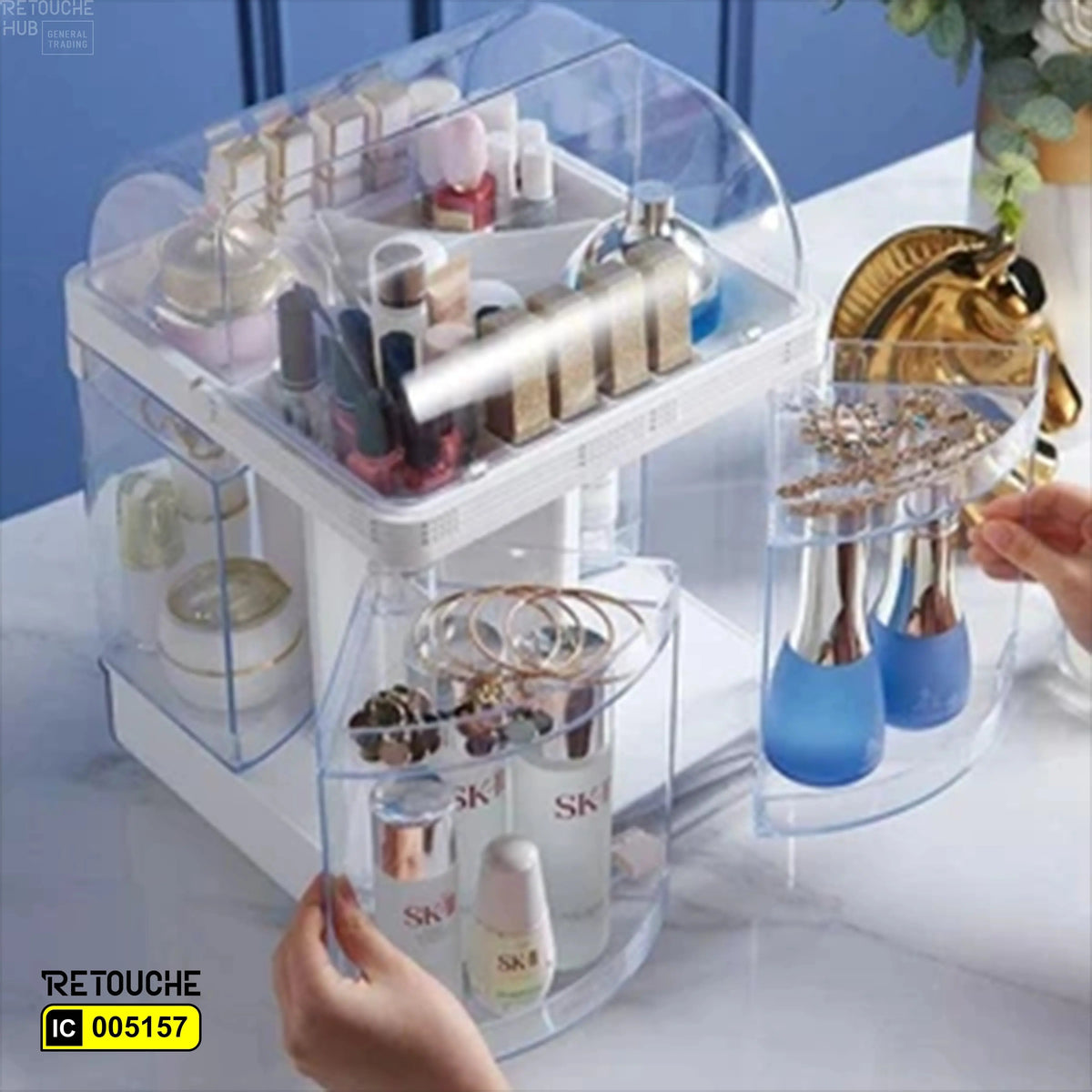
Organizing a makeup collection requires a strategic balance between accessibility, preservation, and spatial efficiency. Whether you manage a professional kit or a curated personal vanity, the ultimate storage solution involves categorizing items by frequency of use, protecting products from environmental degradation, and utilizing modular systems that adapt to your specific inventory and available square footage.
The Foundation of Makeup Organization: Auditing and Categorization
Before purchasing storage hardware, the first step is a comprehensive audit of your inventory. Most makeup organization challenges stem from cluttering usable space with expired products or items that rarely see use.
The Purge Protocol
Review every item for signs of degradation. Liquid products like foundations and mascaras have strict expiration periods once opened, typically ranging from three to six months. Powders can last longer, often up to two years, but they remain susceptible to bacterial growth if exposed to moisture. Discard any product that exhibits changes in scent, texture, or separation, as these are indicators of chemical breakdown.
Categorization Framework
Once you have reduced your collection to viable products, categorize them using the following hierarchy:
- Daily Essentials: Items used every morning, which require prime, visible real estate on your vanity.
- Occasional/Event Makeup: Items used weekly or for specific looks, which can be stored in secondary, reachable drawers.
- Specialty/Archive: Rarely used items or backups that can be stored in climate-controlled, darker storage to extend their shelf life.
Strategic Storage Environments and Environmental Control
Makeup is highly sensitive to environmental fluctuations. Professional storage standards mandate that products be kept in cool, dry, and dark environments.
The Hazards of Humidity and Light
The bathroom is a common, yet problematic, storage location. Frequent temperature changes and high humidity from showers accelerate the oxidation of pigments and the growth of mold in cosmetic brushes and sponges. If you must store makeup in a bathroom, use airtight acrylic containers or sealed vanity cases to create a moisture-proof barrier.
Temperature Stability
Direct sunlight is another primary enemy of cosmetic longevity. Ultraviolet radiation can bleach packaging and destabilize active ingredients, particularly in skincare-integrated makeup like tinted moisturizers or SPF-infused foundations. Aim for storage solutions that sit away from windows. If you utilize open-shelving, consider utilizing opaque storage bins to shield items from light exposure.
Modular Storage Systems: Maximizing Vertical and Horizontal Space
When your collection exceeds the surface area of your vanity, vertical expansion becomes necessary. Modular systems are the most versatile tools for this purpose, as they allow for customization based on product dimensions.
Acrylic Drawer Units
Clear acrylic drawers remain the industry standard for home organization because they provide high visibility, allowing you to identify products instantly without searching through opaque bins. For maximum efficiency, line your drawers with non-slip silicone mats to prevent products from shifting when the drawer is opened.
The Power of Dividers
Generic drawer organizers rarely fit the specific dimensions of cosmetic packaging. Invest in adjustable dividers that allow you to create custom slots for lipstick bullets, compacts, or palettes. When arranging items, store them vertically—or "file" them—rather than stacking them horizontally. This ensures you can pull one item out without disturbing the entire pile, maintaining order over time.
Comparison of Common Storage Solutions
Selecting the right container depends on your space constraints and the specific type of makeup you store most frequently.
| Storage Type | Best For | Pros | Cons |
|---|---|---|---|
| Acrylic Drawers | Palettes, Compacts | High visibility, modular | Can scratch; high footprint |
| Rotating Carousels | Skincare, Bottles | 360-degree access | Takes up significant counter space |
| Hanging Organizers | Small items, Brushes | Saves counter space | Limited weight capacity |
| Wall-Mounted Shelves | Aesthetic displays | Clears vanity surface | Exposes products to light/dust |
| Portable Train Cases | Travel/Professional | Durable, protects items | Not ideal for daily access |
Practical Tactics for High-Volume Collections
For those with larger collections, the "one-in, one-out" rule is an essential maintenance strategy. Furthermore, rotating your products seasonally ensures that older items are used before they expire.
Vertical Pallette Storage
Palettes are notoriously difficult to store because they have a large surface area but a thin profile. Use desk file sorters or specialized acrylic "bookcase" racks to store palettes standing up. This creates a library-style system where every item is visible from the spine, preventing the "tombstone" effect of deep, dark drawers where products disappear.
Brush Care and Sanitization
Brushes require distinct storage that prevents bristles from splaying. Never store brushes with the bristles touching a surface; instead, use vertical holders that keep the brush head facing upward or utilize magnetic strips that allow brushes to hang bristles-down. Keep brushes separate from other makeup to prevent cross-contamination and the spread of skin-based oils.
Common Mistakes to Avoid
- Overcrowding Drawers: When drawers are packed to capacity, you are less likely to put items back where they belong. Leave at least 15% of your storage space empty to accommodate new purchases.
- Neglecting Hygiene: Storing sponges in a closed bag while damp is a recipe for bacterial growth. Always allow sponges to air-dry in a ventilated, open container.
- Ignoring Product Heights: Many users fail to account for the height of bottle tops, leading to drawers that won't close. Measure the tallest item in your collection before purchasing modular units.
Frequently Asked Questions
How can I store makeup in a small studio apartment? Prioritize vertical storage. Use over-the-door hanging organizers or wall-mounted floating shelves to free up your vanity surface. If you have no surface space, a rolling trolley cart can act as a mobile vanity that is easily tucked away when not in use.
Should I keep makeup in the refrigerator? While some skincare products benefit from cooling, most makeup (powders, lipsticks, foundations) should stay at room temperature. Extreme cold can cause formulas to separate or harden. Only refrigerate specific products if the manufacturer explicitly recommends it on the packaging.
How often should I reorganize my storage? Perform a "deep clean" and reorganization every six months. This aligns with the seasonal changes in your makeup routine and allows you to check for products that have expired during the transition.
What is the best way to store lipsticks for quick access? Lipstick towers that hold tubes vertically are the most efficient. If you want to maximize space, choose a solution that allows you to see the shade name/color by looking at the top of the tube, or stick a small swatch of the color to the bottom of the case.
Are magnetic boards a good storage solution? Yes, magnetic boards are excellent for metal-backed compacts and eyeshadow pans. They keep the vanity clear and make the collection look curated. However, ensure that the magnets are strong enough to hold your heaviest items to prevent accidental breakage.
Next Steps for a Cohesive System
Start by clearing a dedicated space for your daily essentials. Once that zone is functional, move to your secondary storage. Begin by purchasing a few clear, adjustable dividers for your most-used drawer. Test this system for one week to see if it improves your morning routine speed before expanding to other areas of your collection. Remember that the goal is not aesthetic perfection, but functional utility that supports your daily habits.