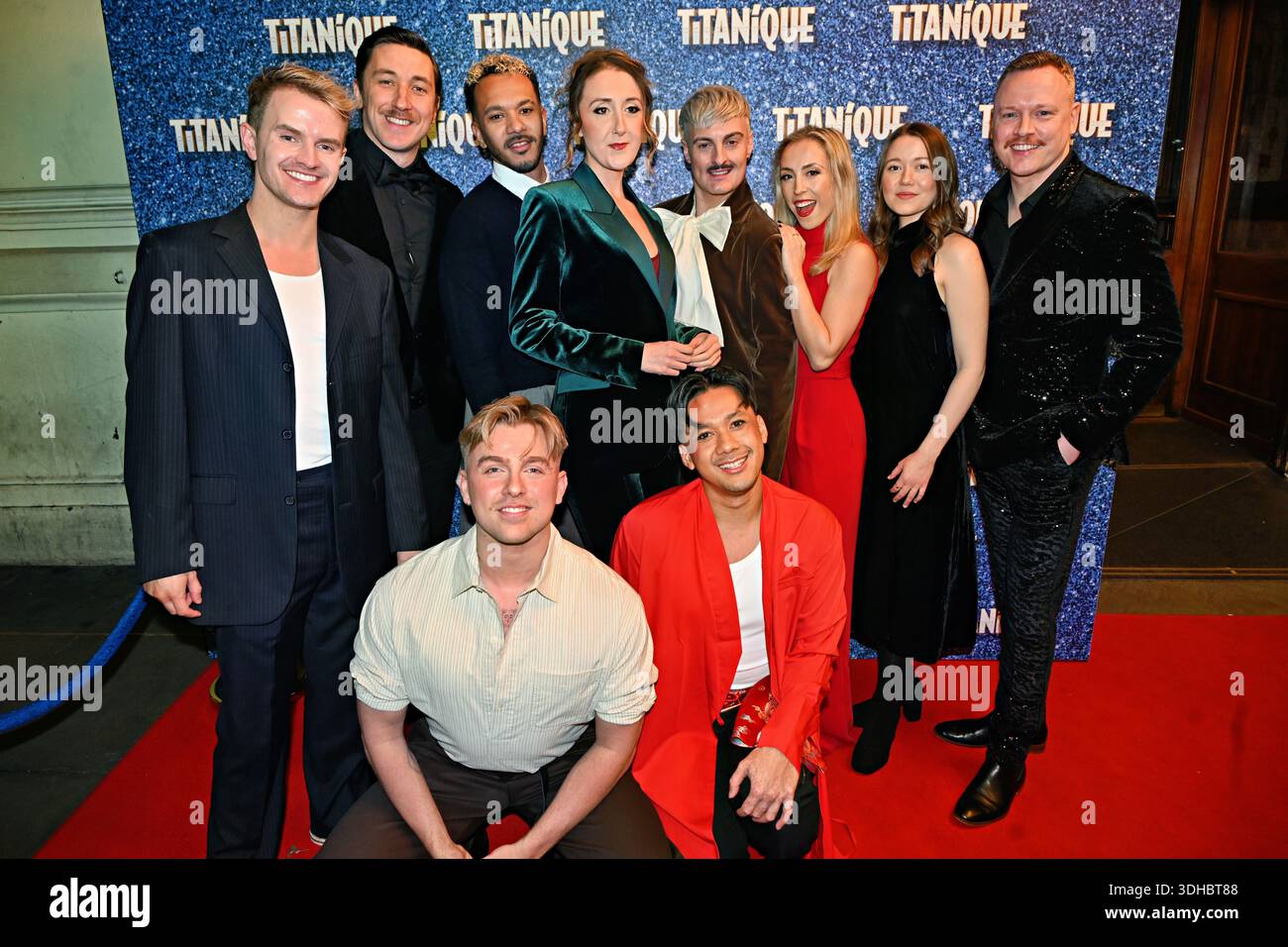
A theater cast is the collective group of performers—actors, singers, and dancers—hired to portray characters and execute the artistic vision of a stage production. Beyond the visible lead performers, a professional theater cast is a highly structured hierarchy comprising principals, ensemble members, and specialized "covers" such as understudies, swings, and standbys who ensure the show’s continuity.
The composition of a theater cast is the result of a rigorous selection process designed to balance vocal ability, physical type, acting range, and interpersonal chemistry. Whether on Broadway, the West End, or in regional theaters, the health and performance of the cast are the primary drivers of a production’s success. In 2026, the management of theater casts has evolved to prioritize not only artistic excellence but also sustainable performance schedules and comprehensive mental and physical health support for the company.
The Hierarchy of a Professional Theater Cast
To understand how a theater cast functions, one must look past the curtain. Every performer has a specific contractual designation that dictates their responsibilities, their salary, and their relationship to the production.
Principal Performers
Principal performers are the "leads" and "featured" actors of a play or musical. These individuals carry the narrative weight of the production. In a musical, principals typically have the largest solo numbers; in a play, they have the most dialogue. Principals are usually signed to specific contracts that may differ from the rest of the company, especially if they are "names" or "stars" brought in to drive ticket sales.
The Ensemble or Chorus
The ensemble is often described as the backbone of a theater production. These performers populate the world of the play, taking on multiple smaller roles, participating in large-scale musical numbers, and facilitating set transitions. While they may not have individual character names in the program (often listed as "Townsperson" or "Dancer"), their technical requirements are frequently higher than those of the principals, as they must be proficient in various styles of dance, vocal harmony, and character acting simultaneously.
The "Cover" System: Understudies, Swings, and Standbys
The most misunderstood yet vital part of a theater cast is the safety net of covers. Because live theater operates on a grueling eight-show-per-week schedule, "the show must go on" is only possible because of these specialized roles.
- Understudies: Usually members of the ensemble who have their own "track" (regular nightly role) but are also trained to step into a principal or featured role if the primary actor is ill or on vacation.
- Swings: Swings do not appear on stage every night. Instead, they remain backstage or in the building, prepared to go on for any of the several ensemble tracks they have memorized. A "Universal Swing" might even be responsible for learning 10 or more different roles.
- Standbys: Typically reserved for the most demanding lead roles, a standby is a performer who does not have a regular track in the show. They are required to be near the theater and ready to perform at a moment's notice if the lead cannot go on.
The Casting Process: From Breakdown to Contract
Casting a theater production in 2026 involves a multi-stage funnel designed to identify the perfect "fit" for each role while adhering to labor union regulations, such as those set by Actors' Equity Association (AEA).
1. The Breakdown and Initial Search
The process begins with a "breakdown"—a document sent to talent agents and posted on casting platforms. It lists every role in the show, including age ranges, vocal types (e.g., Mezzo-Soprano with a high belt), physical requirements, and character descriptions. Casting directors use this to filter submissions and invite specific actors to audition.
2. Auditions and EPA/ECC Calls
In the professional world, auditions are categorized into:
- Equity Principal Auditions (EPA): Required by union rules, these allow any union member to be seen for principal roles.
- Equity Chorus Calls (ECC): Focused specifically on the dancers and singers who will make up the ensemble.
- Agent Submissions: Private appointments where casting directors see actors specifically requested by their representation.
3. Callbacks and Chemistry Reads
After the initial screening, a "shortlist" of actors is invited back. Callbacks are significantly more intense. Actors may be asked to learn specific material from the show (sides) or songs (cuts). For lead roles, "chemistry reads" are essential; directors need to see if the two actors playing romantic leads or best friends have a believable connection.
4. The Final Selection and "Offers"
Once the creative team (Director, Music Director, Choreographer, and Producers) agrees, formal offers are extended to the actors' agents. This begins the negotiation of "quotes" (salary), billing (where their name appears in the program), and the length of the contract.
Key Differences in Cast Roles and Responsibilities
| Role Type | Performance Frequency | Preparation Level | Primary Responsibility |
|---|---|---|---|
| Principal | 8 shows/week | Specific to 1 role | Carrying the narrative/star power |
| Ensemble | 8 shows/week | Multi-role mastery | Creating the world/Atmosphere |
| Understudy | As needed | 2-3 roles (1 active) | Stepping into a principal role from the ensemble |
| Swing | As needed | 5-12 roles (0 active) | Covering multiple ensemble tracks |
| Standby | As needed | 1-2 major roles | Covering "star" roles without nightly performance |
| Dance Captain | 8 shows/week | Entire choreography | Maintaining the artistic integrity of movement |
Cast Maintenance and the Role of the Stage Manager
A theater cast is not a static entity; it is a living organism that requires constant maintenance. This responsibility falls largely on the Production Stage Manager (PSM) and their team.
The Stage Manager is the bridge between the actors and the creative team. Once a show has opened and the director has moved on to their next project, the PSM is responsible for maintaining the "artistic integrity" of the production. If an actor begins to change their performance or "drift" from the original blocking, the Stage Manager provides notes to bring them back in line.
Rehearsals for Covers
Because understudies and swings rarely get to perform during the first weeks of a run, the Stage Manager holds "understudy rehearsals" (usually during the day on Tuesdays or Thursdays). These rehearsals ensure that the covers are physically and vocally ready to go on at any moment. In 2026, many productions have also integrated virtual reality (VR) "walkthroughs" for swings to help them memorize complex spatial patterns and set transitions without needing the full stage.
The Dance Captain and Fight Captain
Within the cast, certain performers are designated as captains. The Dance Captain is typically an ensemble member who knows every single step of the choreography for every role. They lead brush-up rehearsals and teach new cast members the choreography. Similarly, the Fight Captain ensures that all staged combat or "stage violence" is executed safely and remains consistent to avoid injury.
The Economics of a Theater Cast
The cost of maintaining a cast is one of the highest line items in a theater budget. Salaries are generally governed by union tiers based on the size of the theater.
- Weekly Minimums: The Broadway League and Equity negotiate minimum weekly salaries. As of 2026, these minimums have been adjusted for inflation and the increased cost of living in major theatrical hubs like New York and London.
- Over-Scale Pay: Many actors, particularly principals, earn "over-scale," meaning a salary significantly higher than the union minimum.
- Per Diems and Housing: For touring casts, the production must provide housing and a daily allowance (per diem) to cover meals and incidentals.
- Health and Pension: Producers are required to contribute a percentage of the actor's salary into union-managed health and pension funds.
Modern Trends in Theater Casting (2026)
As of 2026, several industry shifts have fundamentally changed how theater casts are formed and managed.
Identity-Conscious Casting
The industry has moved beyond "color-blind" casting to "identity-conscious" casting. This approach recognizes that an actor’s race, gender, and disability status are integral to the storytelling. Casting directors now work more closely with cultural consultants to ensure that the representation on stage is both authentic and respectful of the source material.
Intimacy Coordination
In the past, scenes involving physical intimacy were often left to the actors and directors to figure out. In 2026, almost every professional cast works with an Intimacy Coordinator. This professional helps choreograph intimate moments with the same precision as a fight scene, ensuring that every cast member feels safe and that boundaries are clearly communicated and respected.
The "Alternate" System for Demanding Roles
For roles that are particularly taxing—such as the leads in Hamilton, Hadestown, or revivals of vocally demanding classics—the use of "alternates" has become standard. An alternate is a performer who is contractually scheduled to play the role for a set number of performances per week (usually two) to prevent vocal cord damage or physical burnout for the primary lead.
Common Challenges and Troubleshooting for Casts
Despite the rigorous training, theater casts face several recurring issues that require professional intervention.
- Injury Management: With the rise of "athletic" choreography, many 2026 productions employ on-site physical therapists. If a cast member is injured, the "swing" system must be activated immediately.
- Interpersonal Conflict: Living and working in close quarters can lead to "showmances" or friction. Stage Managers and company managers act as mediators to ensure that backstage drama does not affect the on-stage performance.
- Vocal Fatigue: For singers, the eight-show week is a marathon. Productions often provide access to vocal coaches and ENT (Ear, Nose, and Throat) specialists to help performers maintain their instruments.
- Replacement Casting: When an actor’s contract ends (usually after 6 or 12 months), the casting office must find a replacement who can fit into the existing "track" without disrupting the chemistry of the remaining cast.
Frequently Asked Questions
What is the difference between a standby and an understudy?
An understudy is a member of the regular ensemble who performs their own role every night but is ready to step into a larger role if needed. A standby does not perform in the show daily; they are only at the theater to cover a lead role and are usually highly experienced actors who specialize in that specific character.
How long does a theater cast typically rehearse?
For a major professional production, the rehearsal period usually lasts four to six weeks. This includes "table work" (reading and analyzing the script), "blocking" (learning where to move), "sitzprobe" (the first time the cast sings with the full orchestra), and "tech" (integrating lights, sound, and sets).
Do theater casts get paid during rehearsals?
Yes. Professional actors under union contracts (like AEA) are paid a weekly salary during the rehearsal period, though it is sometimes lower than the "performance" rate once the show opens to the public.
How do swings remember so many different roles?
Swings use a "Swing Bible," which is a detailed notebook or digital file containing diagrams, notes, and color-coded charts for every role they cover. They often watch the show from the audience to observe the spatial flow and timing of the tracks they are responsible for.
What happens if multiple cast members are sick?
If a production runs out of covers (e.g., three people are sick and both swings are already on for others), the show may be forced to "cancel." However, in 2026, some productions maintain "emergency covers" or former cast members who can be called in to perform with minimal notice.
Next Actions for Aspiring Performers or Producers
For those looking to join a professional theater cast, the first step is obtaining professional-grade headshots and a "reel" that showcases your vocal and acting range. Joining a casting platform such as Playbill Jobs or Backstage is essential for viewing current breakdowns.
For producers and directors, the focus should be on building a "well-covered" show. Investing in high-quality swings and standbys is not just a luxury; it is a financial necessity to protect the production against the inevitable absences that occur during a long-running theatrical engagement.