When comparing the financial success of Tupac Shakur (2Pac) and Ice Cube, Ice Cube has earned significantly more over his lifetime and maintains a much higher net worth, estimated at $160 million in 2026. While 2Pac’s estate is valued at approximately $40 million due to posthumous success, Ice Cube’s 40-year career across music, film, and sports ownership has created a massive wealth gap between the two legends.
Understanding the Financial Divide: Career Longevity vs. Estate Management
To understand why Ice Cube’s wealth dwarfs 2Pac’s, one must look beyond record sales. The primary driver of the discrepancy is career longevity and the diversification of assets. Tupac Shakur’s professional career lasted roughly six years before his untimely death in 1996. In contrast, Ice Cube (O’Shea Jackson) has been an active force in the entertainment industry for nearly four decades.
By 2026, the financial landscape of hip-hop has shifted from simple record deals to complex portfolios involving intellectual property (IP), production companies, and professional sports leagues. Ice Cube successfully navigated this transition, moving from a "work-for-hire" artist to a business owner. 2Pac, while arguably the more globally recognized cultural icon, spent much of his career under restrictive contracts that limited his immediate liquidity and personal wealth during his lifetime.
The Wealth of Ice Cube: A Multi-Hyphenate Success Story
Ice Cube’s net worth is a testament to the power of the "pivot." After leaving N.W.A. over royalty disputes—a move that initially seemed financially risky—he built a solo music career and then transitioned into Hollywood, where the real wealth in entertainment is often generated.
The Music Foundation and N.W.A. Fallout
Ice Cube’s early earnings were hampered by the notorious contracts at Ruthless Records. Despite writing the majority of Straight Outta Compton, Cube famously received a pittance compared to the revenue the album generated. His departure led to a successful solo run with albums like AmeriKKKa's Most Wanted and The Predator. However, it was his realization that music was a stepping stone rather than the final destination that set his financial trajectory apart.
The Film Industry and Cube Vision
The most significant contributor to Ice Cube’s $160 million net worth is his film career, specifically his role as a producer. Through his production company, Cube Vision, he moved from being an actor-for-hire to an owner of the content.
- The Friday Franchise: Produced on a shoestring budget of roughly $3.5 million, the first Friday film grossed nearly $30 million. More importantly, Cube owned a significant stake in the sequels and the overall brand.
- Barbershop and Ride Along: These franchises solidified his bankability in Hollywood. By 2026, these films continue to generate substantial backend royalties through streaming licensing and international syndication.
- Straight Outta Compton (2015): Serving as a producer on his own biopic allowed Cube to capitalize on his own history, with the film grossing over $200 million worldwide.
The BIG3 Basketball League
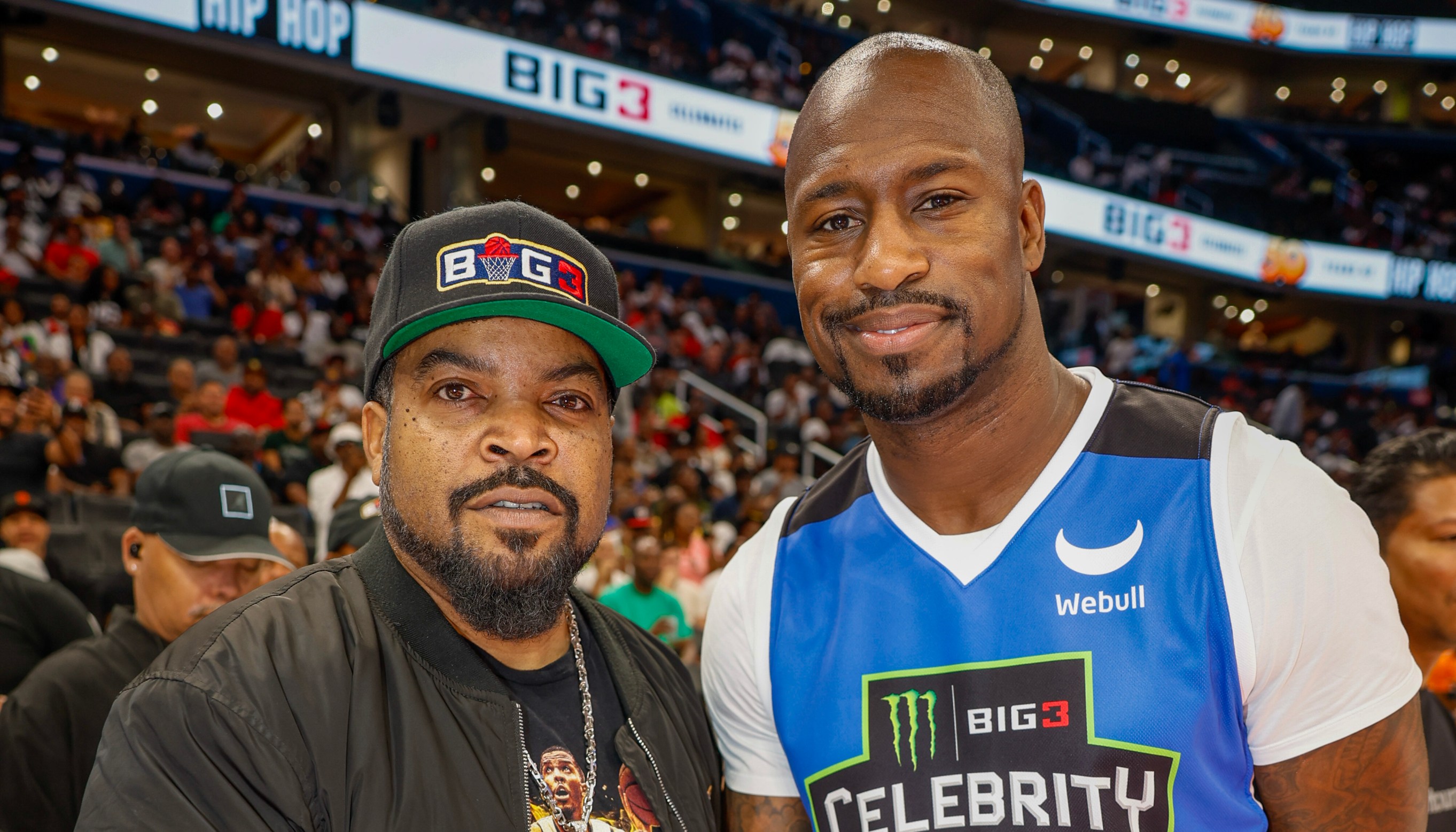
In the latter part of his career, Ice Cube ventured into sports ownership. The BIG3, a 3-on-3 professional basketball league, represented a massive capital investment. By 2026, the league has secured lucrative broadcast deals and sponsorships. While sports leagues involve high overhead, the equity value of owning a professional league adds a dimension to Cube's net worth that few other musicians have ever achieved.
The 2Pac Estate: From Debt to a $40 Million Legacy
Tupac Shakur’s financial story is one of the most complex in music history. At the time of his death in 1996, 2Pac was technically in debt to Death Row Records. Suge Knight’s label had advanced him millions for legal fees, jewelry, and lifestyle expenses, which were recouped against his record sales.
The Legal Battle for the Catalog
Following 2Pac’s death, his mother, Afeni Shakur, engaged in a multi-year legal battle to gain control of his unreleased recordings. She eventually founded Amaru Entertainment to manage his legacy. This shift was the turning point for the 2Pac estate. Instead of the money flowing to Death Row, the royalties from posthumous albums like The Don Killuminati: The 7 Day Theory and R U Still Down? (Remember Me) began to build the estate's value.
Posthumous Earnings and Digital Revenue
In 2026, 2Pac remains one of the most-streamed artists of the 1990s. His estate earns through:
- Streaming Royalties: Millions of monthly listeners on platforms like Spotify and Apple Music provide a consistent "passive" income stream.
- Merchandising: Licensing 2Pac’s image for apparel (from high-end fashion to mass-market retail) is a multi-million dollar annual business.
- Biopics and Documentaries: Projects like All Eyez on Me (2017) and various docuseries provide licensing fees for the use of his music and likeness.
Despite this, the estate's value (estimated at $40 million) remains lower than Ice Cube's because it lacks the "active" business ventures—such as film production and sports leagues—that Cube has used to multiply his capital over thirty years.
Financial Comparison: Ice Cube vs. 2Pac Estate (2026 Estimates)
| Category | Ice Cube (Estimated) | 2Pac Estate (Estimated) |
|---|---|---|
| Total Net Worth | $160 Million | $40 Million |
| Primary Income Source | Film Production & Sports Ownership | Music Royalties & Licensing |
| Asset Ownership | Cube Vision, BIG3 League, Real Estate | Amaru Entertainment, Music Catalog |
| Lifetime Career Length | 39+ Years | 6 Years (Active) |
| Investment Strategy | Diversified Business & Equity | Intellectual Property Management |
Why Ice Cube "Earned More"
When answering who earned more, we must distinguish between revenue and net worth. 2Pac’s music has arguably generated hundreds of millions in retail revenue since 1991. However, much of that revenue went to distributors, labels (Interscope and Death Row), and legal fees.
Ice Cube earned more because he became the distributor and the employer. In the film world, an executive producer often takes a percentage of the "gross points." When Ice Cube produces a movie like Ride Along, he isn't just getting an actor's salary; he is getting a piece of every ticket sold and every streaming minute watched.
Furthermore, Ice Cube’s ability to remain active in the market for four decades allowed him to benefit from the explosion of the "celebrity entrepreneur" era. He was able to invest his early music earnings into business ventures that grew at a higher rate than simple royalty collections.
The Role of Ownership and Contracts
The disparity between these two icons serves as a case study in the importance of ownership in the entertainment industry.
The Death Row Trap
2Pac’s contract with Death Row was famously opaque. While he lived a high-profile life with luxury cars and private jets, these were often leased or owned by the label. Upon his death, the estate had to settle significant claims before it could become profitable. If 2Pac had lived to start his own label (as he planned with "Makaveli Records"), his net worth in 2026 would likely have been in the hundreds of millions, potentially rivaling Jay-Z or Dr. Dre.
The Independent Path
Ice Cube’s early departure from N.W.A. was driven by his realization that he was an employee rather than a partner. By demanding better terms and eventually starting his own production company, he ensured that he would retain the "lion's share" of his creative output. This autonomy is the primary reason his personal wealth has reached its current heights.
Frequently Asked Questions
Who was wealthier at the peak of their music career?
During the mid-90s, 2Pac had more immediate cultural momentum and likely higher "per-year" record sales. However, due to his debt to Death Row Records, his actual personal bank balance was often lower than his fame suggested. Ice Cube, having already established his film career by 1995, had more stable and diversified liquid assets during that same period.
Does 2Pac’s estate still earn money in 2026?
Yes. The 2Pac estate is a highly active commercial entity. It continues to earn from streaming, the use of his music in films/commercials, and global merchandise sales. The estate is currently managed with the goal of preserving his legacy while ensuring long-term financial stability for his heirs.
Is Ice Cube the wealthiest member of N.W.A.?
As of 2026, Ice Cube is one of the wealthiest, but he is generally surpassed by Dr. Dre. Dr. Dre’s net worth, boosted significantly by the sale of Beats by Dre to Apple, remains higher than Ice Cube's. However, Cube remains significantly wealthier than other members like MC Ren or DJ Yella.
How much did 2Pac make from the movie "All Eyez on Me"?
Since the film was produced long after his death, 2Pac himself did not "make" money from it. However, his estate received licensing fees for the use of his story and music. While the film was a commercial success, the estate only receives a portion of the profits, as they were not the primary financiers of the project.
Did Ice Cube’s BIG3 league help or hurt his net worth?
Initially, the BIG3 was a massive financial risk that required significant "burn rate" of capital. However, by 2026, the league's growth into a recognized sports entity with international expansion and solid TV deals has turned it into a positive asset that contributes to his overall valuation.
Final Verdict: The Difference Between a Star and a Mogul
In the comparison of "2Pac vs. Ice Cube net worth," the winner is clearly Ice Cube. This does not diminish 2Pac’s status as perhaps the most influential rapper of all time; rather, it highlights the different paths their lives took.
2Pac’s wealth is a legacy-based estate that relies on the continued relevance of his past work. Ice Cube’s wealth is a business empire built on the continuous creation of new products, companies, and platforms. In 2026, Ice Cube stands as a premier example of how an artist can successfully transition into a mogul, while 2Pac remains the ultimate example of a creative fire that burned incredibly bright but was extinguished far too soon to realize its full financial potential.