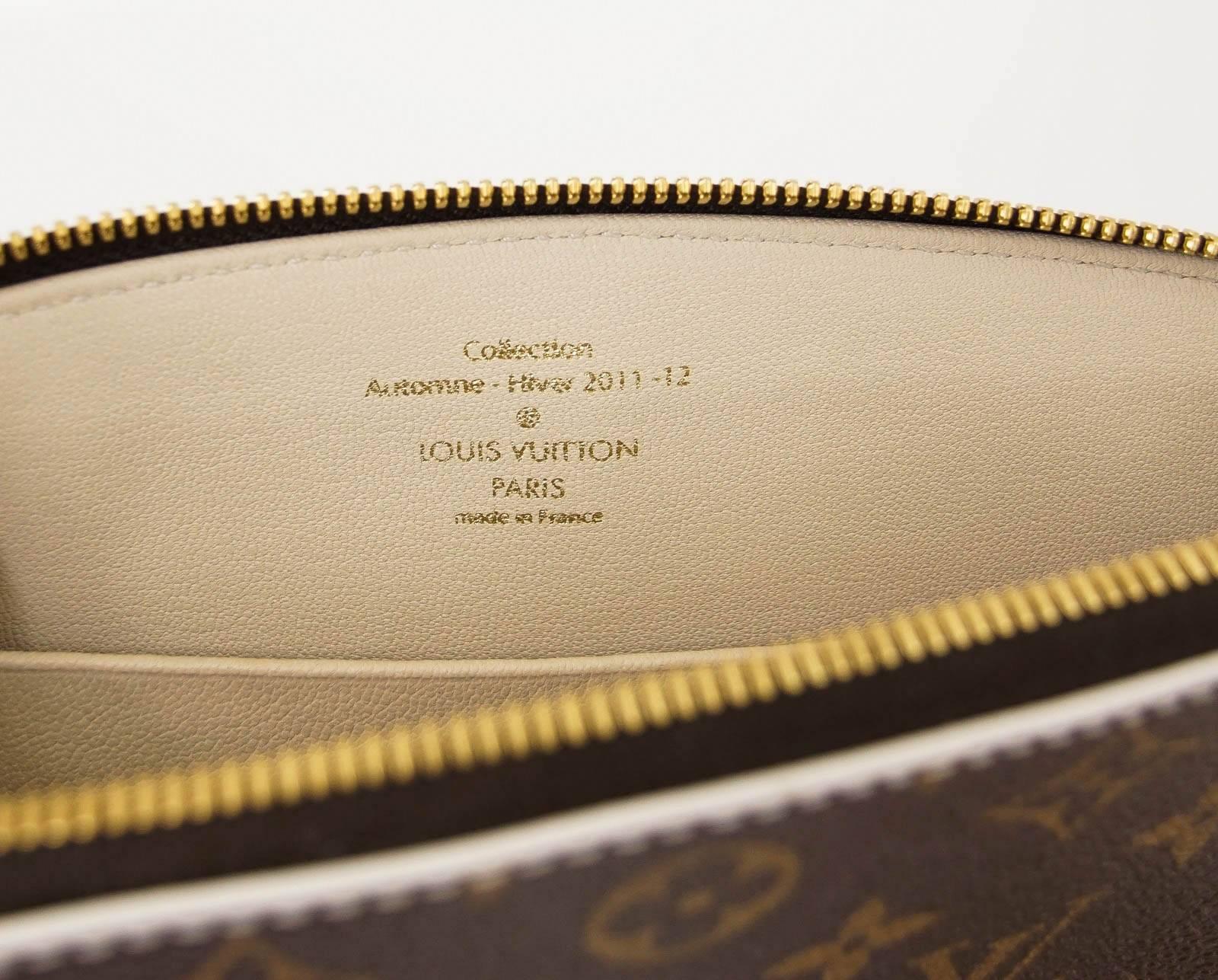
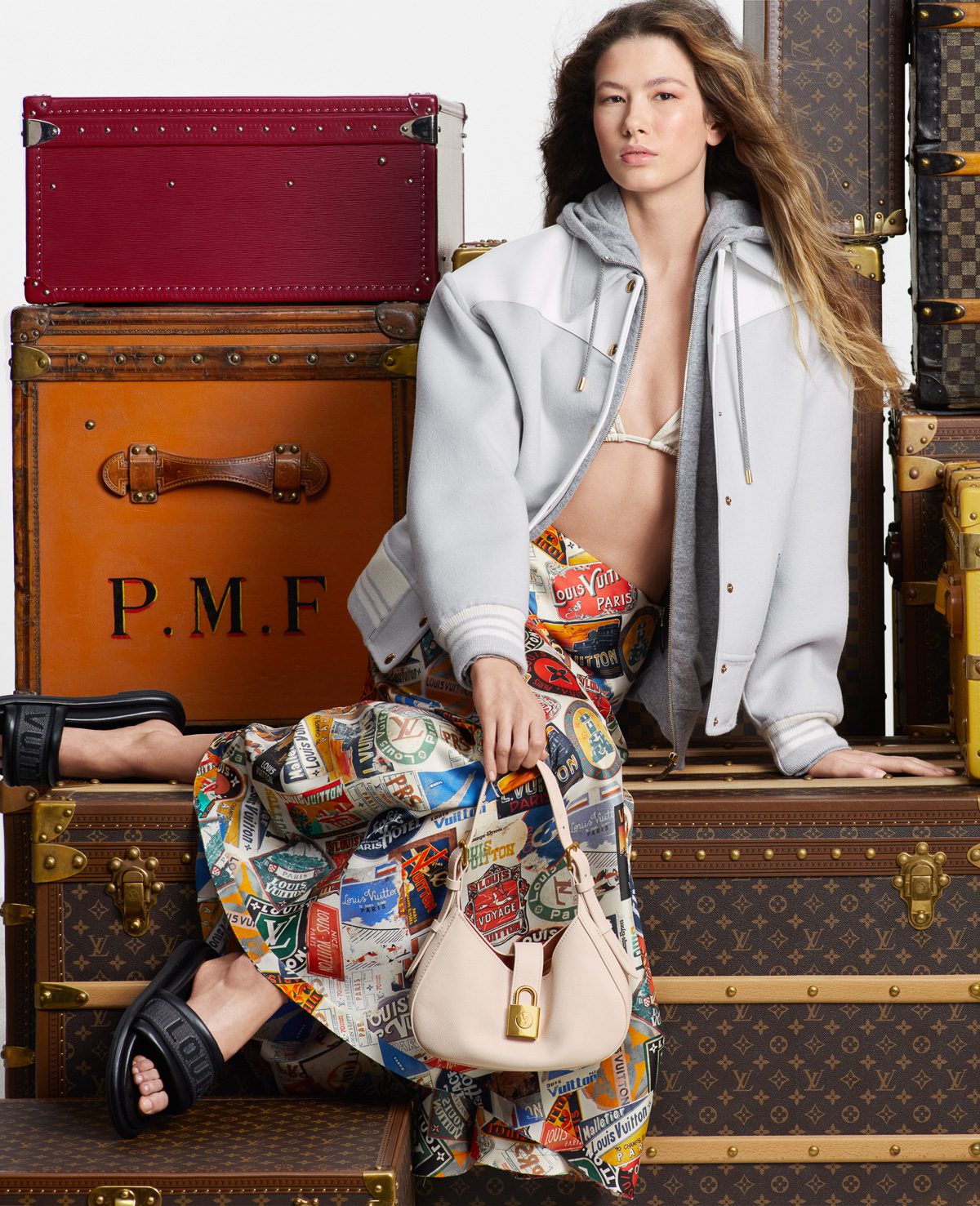
The 2011 Louis Vuitton collections represent a pivotal transitional era under the creative direction of Marc Jacobs, balancing the brand's traditional luxury heritage with playful, subversive modernism. This overview examines the defining runway looks, historical context, iconic leather goods, and enduring fashion legacy of the 2011 seasonal lines.
Historical and Creative Context of Louis Vuitton in 2011
To understand the 2011 Louis Vuitton collections, one must examine the broader cultural and economic landscape of luxury fashion following the late-2000s financial crisis. By 2011, the global luxury market was experiencing a robust recovery, driven largely by emerging luxury consumer bases in Asia, particularly China. Within this environment, Marc Jacobs—who served as the artistic director for Louis Vuitton from 1997 to 2013—was given immense creative latitude. His tenure was defined by a witty, often theatrical approach to French luxury codes, systematically subverting the traditional, travel-centric image of the house with high-concept runway shows.
The year 2011 marked a distinct aesthetic dualism for the brand. On the Autumn/Winter 2011 ready-to-wear runway, Jacobs delivered one of his most talked-about presentations: a decadent, hotel-corridor-inspired set complete with private elevator doors, where models dressed as sultry chambermaids and high-society mistresses paraded in handcuffs, latex, fur, and patent leather. This collection stood in stark contrast to the breezy, nostalgic, and technicolor optimism of the Spring/Summer 2011 collection, which heavily referenced 1970s bourgeois chic, rich bohemian textures, and reworked monogram canvases.
Furthermore, 2011 was an era where the boundary between ready-to-wear and leather goods began to merge more aggressively. While Louis Vuitton had historically built its multi-billion-dollar empire on trunks, luggage, and canvas accessories, Jacobs used the runway to elevate seasonal bags into collectible, high-fashion art pieces. The cultural impact of these collections extended beyond immediate commercial success; they cemented Louis Vuitton's status as a dominant force in contemporary pop culture, frequently bridging the gap between traditional Parisian craftsmanship and avant-garde American sportswear sensibilities.
Spring/Summer 2011: Bohemian Opulence and Monogram Reinterpretations
The Spring/Summer 2011 ready-to-wear collection was an exuberant celebration of 1970s excess, saturated color palettes, and intricate textile craftsmanship. Marc Jacobs drew inspiration from a pastiche of global travels, resulting in a runway presentation that featured rich jacquards, patchwork effects, orientalist embroideries, and a vivid spectrum of jewel tones juxtaposed against earthy neutrals.
Key Ready-to-Wear Themes
- The 1970s Silhouette: High-waisted trousers, flowing silk blouses, and structured trench coats dominated the silhouettes, emphasizing elongated lines and effortless sophistication.
- Textile Experimentation: Heavy reliance on brocades, lace, metallic threads, and intricate beadwork demonstrated the house's dedication to high-end atelier craftsmanship.
- Color Theory: A bold departure from minimalist palettes, utilizing rich amber, turquoise, fuchsia, and deep plum alongside classic Vuitton tans and chocolates.
Iconic Accessories of the Season
The Spring/Summer 2011 accessories line is particularly remembered for its playful deconstruction of the classic Monogram canvas. Jacobs introduced textured finishes, exotic skins, and hardware-heavy embellishments that transformed everyday totes into statement pieces. The Louis Vuitton Monogram Incarnation line and the exotic patchwork bags defined this season, offering clients a hyper-luxurious alternative to standard canvas. Footwear mirrored the bohemian ethos, featuring wooden platforms, stacked heels, and intricate leather-strapped sandals that anchored the flowing runway garments.
Autumn/Winter 2011: Fetish Chic, Decadence, and Cinematic Noir
If the spring collection was about sun-drenched bohemian luxury, the Autumn/Winter 2011 collection was a masterclass in cinematic darkness, fetish-inspired tailoring, and opulent theatricality. Staged inside a meticulously constructed hotel hallway, the show featured supermodels such as Kate Moss smoking on the runway, establishing an immediate mood of subversive glamour.
AUTUMN/WINTER 2011 RUNWAY DESIGN THEMES
- Aesthetic Direction
- Cinematic Noir, Bourgeois Subversion
- Primary Materials
- Patent Leather, Fox Fur, Latex, Tweed, Silk
- Key Silhouettes
- Corsetry, Structured Capes, Pencil Skirts
- Defining Footwear
- Mary Janes with Stacking Heels, Booties
The garments themselves challenged conventional notions of bourgeois dressing by incorporating provocative elements. Leather handcuffs utilized as jewelry or bag charms, glossy patent trench coats, sheer lace dresses, and heavy fox-fur stoles created a tactile feast of textures. Tailoring was sharp and unforgiving, featuring nipped-in waists, structured shoulders, and pencil skirts that evoked the classic femme fatale archetype of mid-century cinema.
The Lockit and Structured Leather Goods
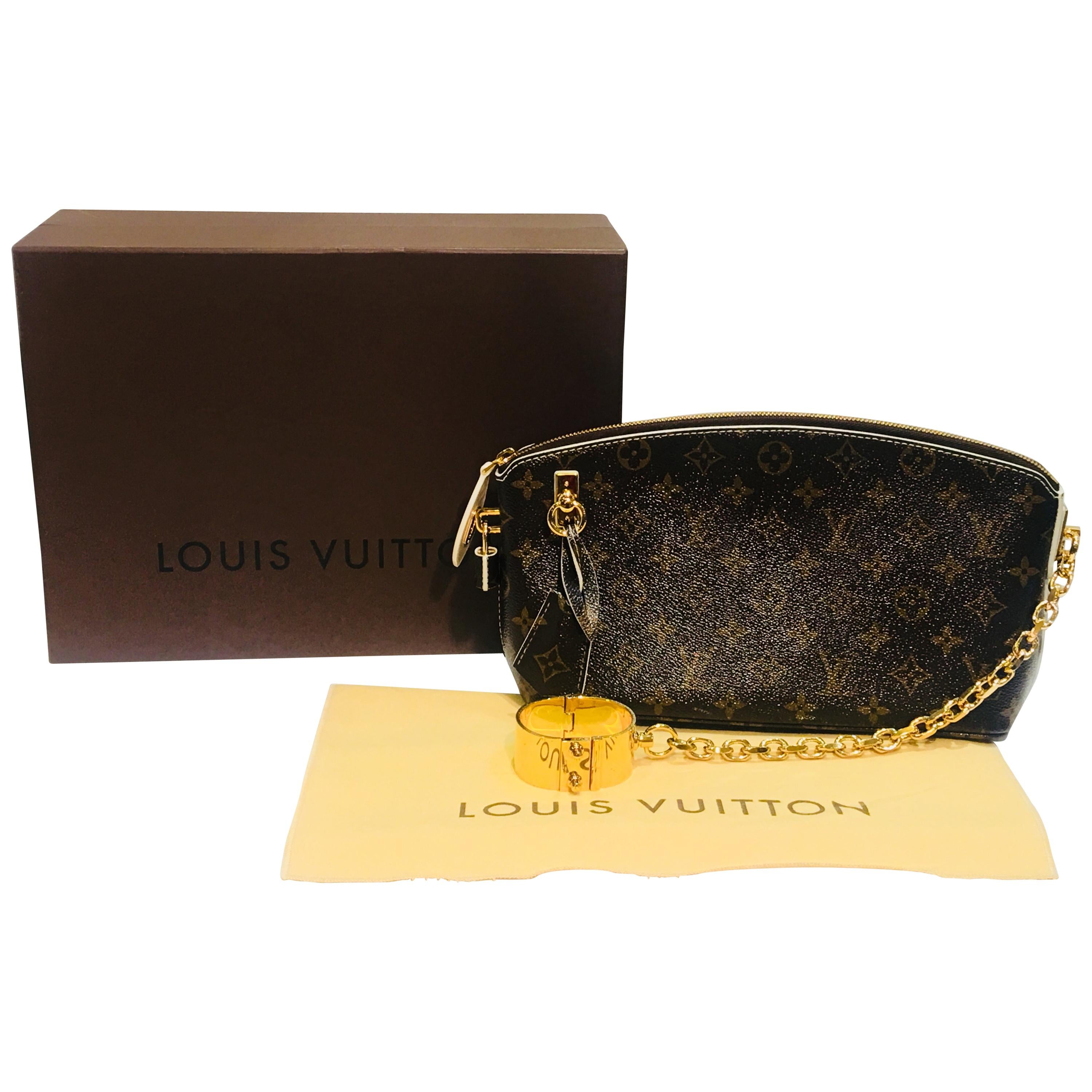
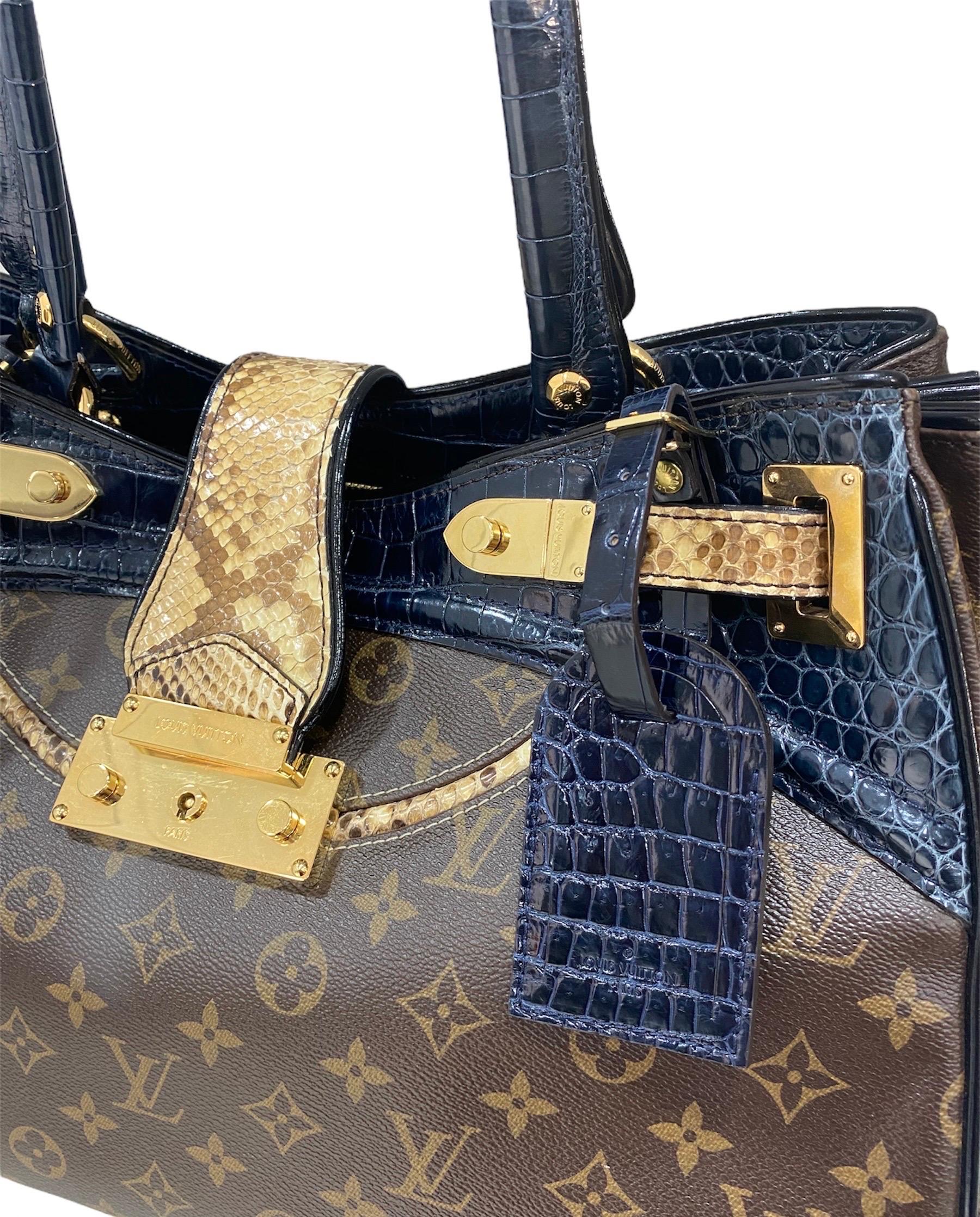
The standout handbag story of the Autumn/Winter 2011 season was the reimagining of classic shapes through luxurious, tactile materials. The Lockit bag, originally introduced in the mid-20th century, was heavily updated for this collection in supple alligator, shiny patent calfskin, and plush shearling. These pieces were designed with functional padlocks and keys, subtly playing into the bondage and hotel-service motifs of the runway presentation. The craftsmanship required to treat exotic skins with high-gloss patent finishes showcased the technical mastery of Louis Vuitton's leather artisans in Asnières-sur-Seine.
Comparative Analysis of 2011 Collections
To fully appreciate the scope of Louis Vuitton's output in 2011, it is essential to compare the structural, aesthetic, and commercial differences between the spring and autumn lines.
| Collection Feature | Spring/Summer 2011 | Autumn/Winter 2011 |
|---|---|---|
| Primary Inspiration | 1970s bohemian travel, global textiles | Cinematic hotel noir, fetish chic |
| Dominant Fabrics | Silk, brocade, lace, cotton canvas | Patent leather, fox fur, tweed, latex |
| Accessory Focus | Patchwork canvases, embellished totes | Exotic skin Lockit bags, padlock charms |
| Runway Atmosphere | Sunlit, vibrant, garden-party aesthetic | Moody hotel corridor, evening theatricality |
| Commercial Impact | Broad appeal via wearable separates and updated monogram pieces | High collector demand for runway-exclusive exotic bags |
The Legacy of Marc Jacobs’ 2011 Vision
Looking back from a modern vantage point, the 2011 collections occupy a crucial transitional space in the history of luxury fashion. They represent the peak of Marc Jacobs’ narrative-driven runway spectacles before the industry shifted toward a more streamlined, streetwear-dominated paradigm in the mid-2010s.
The items produced during this year—particularly the limited-run exotic leather goods and runway-exclusive garments—remain highly sought-after artifacts on the secondary vintage market. Collectors value 2011 pieces not only for their high-grade materials and construction but because they capture a specific moment when luxury houses prioritized theatrical storytelling and emotional resonance over commercial uniformity. By successfully merging French heritage craftsmanship with audacious American conceptualism, the 2011 collections ensured that Louis Vuitton remained at the absolute vanguard of global fashion culture.
Frequently Asked Questions
What was the inspiration behind the Louis Vuitton Autumn/Winter 2011 show?
Marc Jacobs was inspired by classic cinematic hotel settings, film noir, and a subversive take on bourgeois fashion. The runway was designed to resemble a grand hotel corridor, complete with private elevator doors, and featured models dressed as glamorous chambermaids and hotel guests wearing elements of fetish and high-society attire.
Which handbags defined the Louis Vuitton collections in 2011?
The standout bags of 2011 included heavily embellished and patchwork interpretations of the Monogram canvas for Spring/Summer, and luxurious, high-gloss exotic-skin editions of the classic Lockit bag featuring functional padlocks for Autumn/Winter.
How did Marc Jacobs change Louis Vuitton during his tenure?
Marc Jacobs transformed Louis Vuitton from a traditional leather goods and luggage maker into a powerhouse global fashion house. By introducing the brand's first ready-to-wear lines in 1997 and orchestrating high-profile artistic collaborations with figures like Takashi Murakami and Richard Prince, he permanently fused luxury fashion with contemporary art and pop culture.
Are 2011 Louis Vuitton runway pieces valuable on the resale market?
Yes, specific runway pieces, particularly limited-edition exotic leather bags from the Autumn/Winter 2011 collection and heavily detailed ready-to-wear items, hold strong collectible value among fashion archivists and vintage luxury enthusiasts due to their unique craftsmanship and historical significance.
Where were Louis Vuitton ready-to-wear and leather goods manufactured in 2011?
Louis Vuitton maintained its rigorous commitment to traditional French craftsmanship, producing its signature leather goods and trunks in historical workshops in France, such as Asnières-sur-Seine, while ready-to-wear collections were manufactured by specialized European ateliers meeting strict quality standards.
Practical Next Steps for Vintage Collectors
For enthusiasts and collectors looking to source pieces from the 2011 Louis Vuitton collections today, verify provenance through authenticated luxury consignment platforms. Pay close attention to serial numbers, date codes, and material certifications—especially for exotic skins from the Autumn/Winter line—to ensure authenticity and preserve long-term collector value.