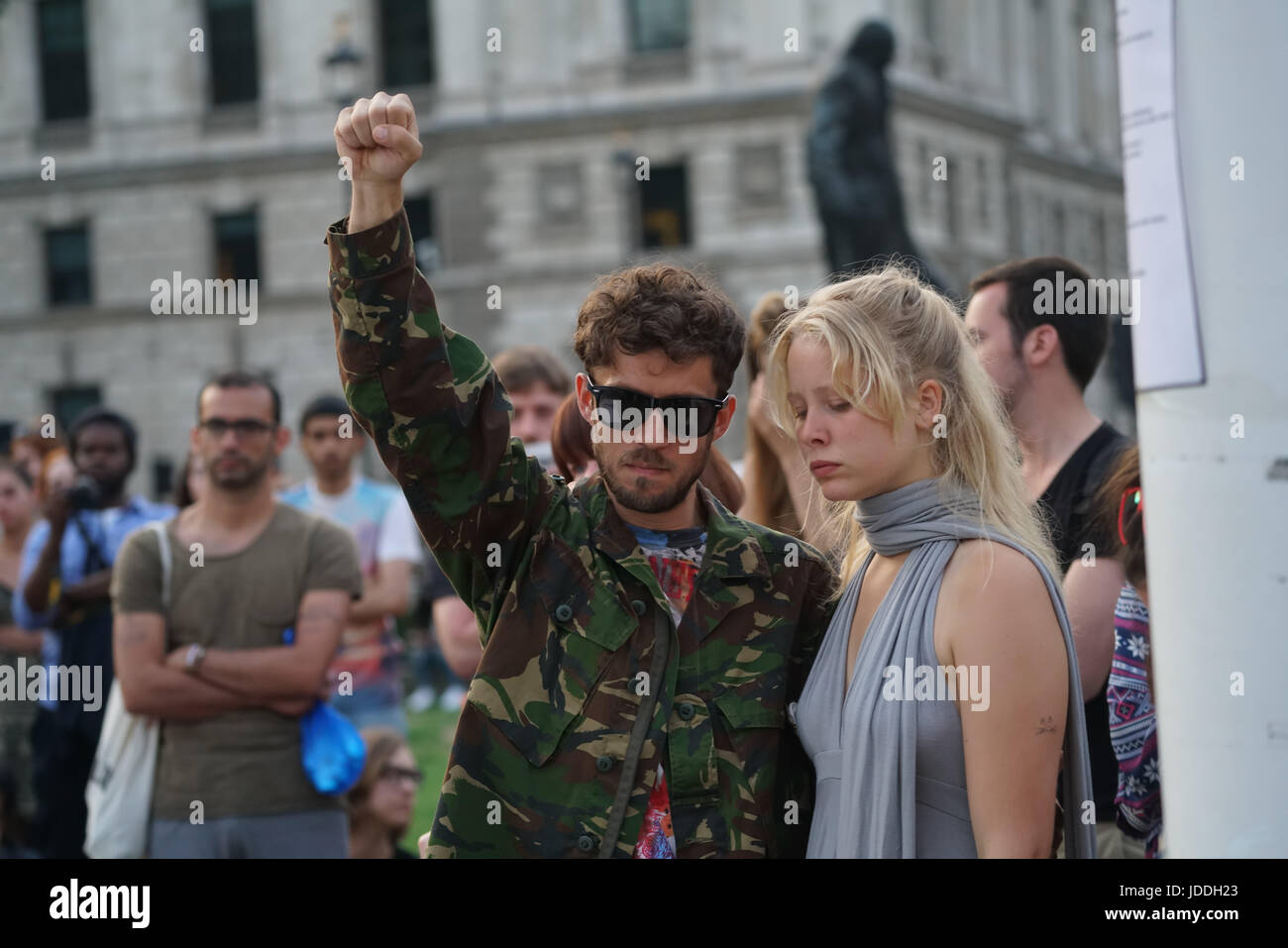
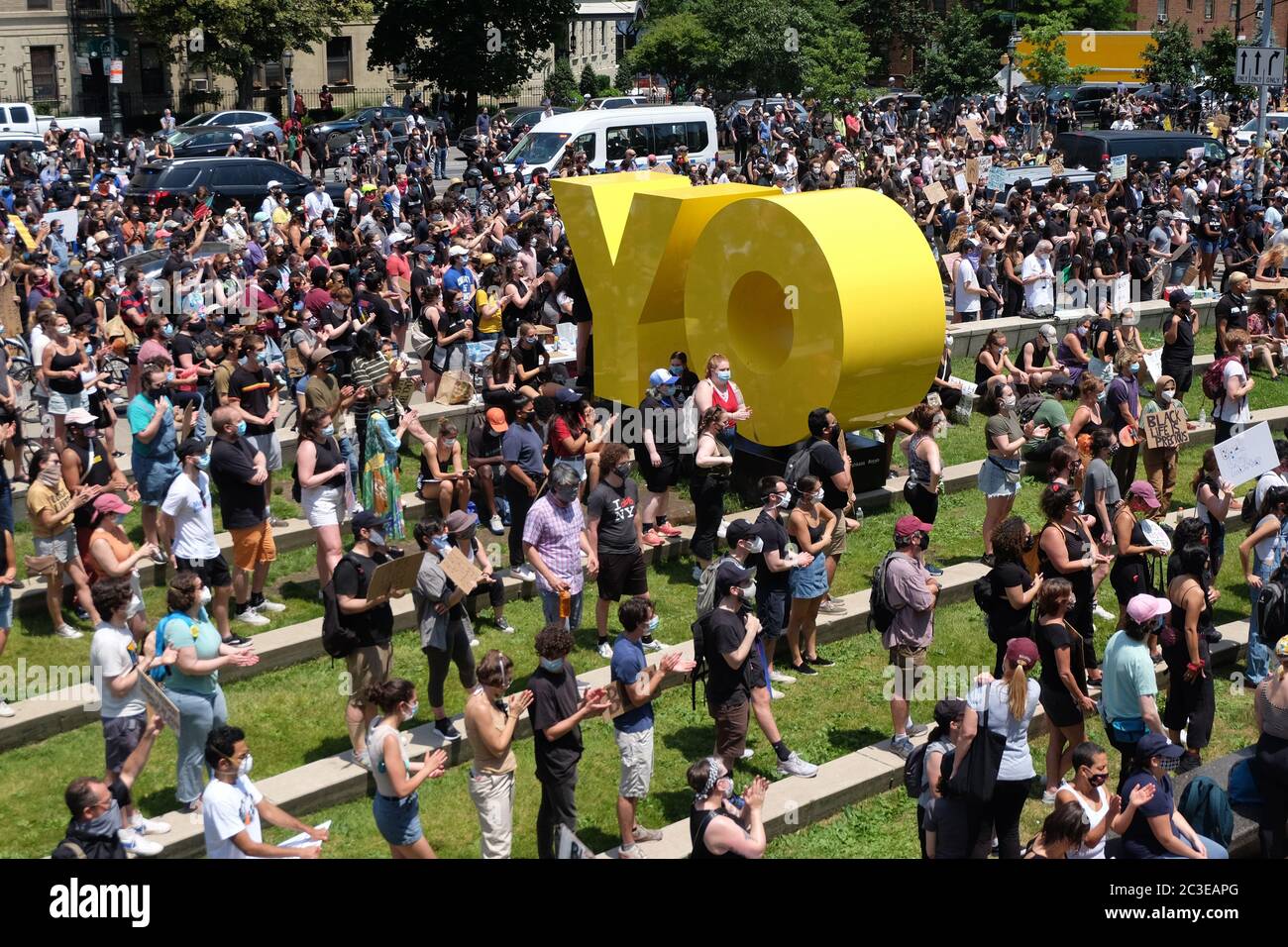
The date 19 June holds significant weight as a recognized federal holiday in the United States, known as Juneteenth, commemorating the emancipation of enslaved African Americans. Historically anchored in the events of 1865 in Galveston, Texas, the date serves as a national focal point for reflection on American history, the legacy of slavery, and the ongoing progress toward civil rights and equality.
Historical Foundations of 19 June
To understand the weight of 19 June, one must examine the timeline of the American Civil War and the legal status of enslaved persons in the mid-19th century. While the Emancipation Proclamation, issued by President Abraham Lincoln on 1 January 1863, legally declared the freedom of enslaved people in Confederate-held territories, its enforcement was highly dependent on the advancement of the Union Army.
For many living in the far reaches of the Confederacy, the Proclamation remained an abstract decree rather than a daily reality. This was particularly true in Texas. Following the collapse of the Confederate military in the spring of 1865, Union General Gordon Granger arrived in Galveston on 19 June 1865. He issued General Order No. 3, which informed the people of Texas that, in accordance with the executive proclamation of the United States government, all enslaved people were free. This moment did not immediately end the systemic struggles of the formerly enslaved, but it marked the symbolic and legal end of institutionalized chattel slavery in the United States.
Transition to Federal Observance
For over a century, the commemoration of 19 June remained a tradition primarily held within African American communities, often through local gatherings, church services, and educational programs. These celebrations were known as "Jubilee Day" or "Emancipation Day." Over the decades, these grassroots efforts slowly gained broader public recognition, leading to a push for formal state and federal acknowledgment.
The transition from a regional observance to a federal holiday involved years of advocacy by activists, civil rights organizations, and political leaders. The momentum culminated in 2021 when the United States Congress passed the Juneteenth National Independence Day Act. President Joe Biden signed the bill into law on 17 June 2021, establishing 19 June as a federal holiday. This formalization recognized the date not just as a Texas state event, but as a critical pillar of American historical identity.
Cultural and Educational Significance
The significance of 19 June extends beyond a day off from work; it functions as a societal bridge between the past and the present. Educational institutions, museums, and community centers often utilize this time to host forums that explore the history of the Reconstruction era, the impact of Jim Crow laws, and the contemporary status of racial equity.
For many families, 19 June is a day of communal gathering—reminiscent of the original 1865 celebrations—featuring music, food, and public readings of the Emancipation Proclamation. These practices help ensure that the narrative of emancipation is passed down through generations. By formalizing the day, the government effectively underscored the necessity of historical literacy, encouraging the public to engage with the uncomfortable but essential components of the national story.
Legal and Operational Impact of the Federal Holiday
Since its designation as a federal holiday in 2021, 19 June impacts the operational status of various sectors across the United States. As of 2026, the following operational standards generally apply:
- Government Offices: Federal, state, and local government offices are typically closed. This includes non-essential departments, meaning administrative services, permit offices, and municipal bureaus may pause operations for the day.
- Postal Services: The United States Postal Service (USPS) typically suspends regular mail delivery and storefront operations on federal holidays.
- Financial Institutions: The Federal Reserve System observes federal holidays; therefore, banks and financial institutions often close their physical branches. Electronic banking and ATM services generally remain accessible, though transaction processing may be delayed until the next business day.
- Public Education: Most K-12 public schools are not in session on 19 June, though schedules can vary depending on individual district calendars and state-level laws.
- Private Sector: While the federal designation does not mandate that private businesses close, many corporations and retail outlets have adopted 19 June as a paid holiday for employees, reflecting broader corporate shifts toward diversity, equity, and inclusion (DEI) initiatives.
Operational Comparison Table
| Service Sector | Typical Status on 19 June | Notes |
|---|---|---|
| Federal Government | Closed | Non-essential services suspended. |
| Postal Service | Suspended | No residential or business mail delivery. |
| Commercial Banks | Closed | Physical branches closed; online banking active. |
| Retail / Private Sector | Variable | Determined by individual company policy. |
| Public Schools | Closed | Most districts observe as a holiday. |
| Financial Markets | Closed | NYSE and Nasdaq typically observe the holiday. |
Practical Considerations for Planning
When preparing for 19 June, it is important to confirm local operating hours, as they may differ significantly from standard federal guidelines. Because the holiday falls in mid-June, many public services and retail centers may implement adjusted hours for the entire week surrounding the date.
If you are an employer or a business owner, consider the following when scheduling operations:
- Staffing Requirements: If your business is considered essential, review state labor laws and collective bargaining agreements to determine holiday pay requirements for employees who work on federal holidays.
- Communication: Inform clients, vendors, and customers well in advance if your hours of operation will change. Posting notices in physical locations and on digital platforms (websites, social media) prevents service disruptions.
- Community Engagement: Many communities host parades, lectures, and festivals. Businesses can often align with these events to show community support, provided that the intent is to honor the historical significance of the day rather than purely for commercial gain.
Addressing Common Questions
Is 19 June a paid holiday for all employees?
The federal designation of 19 June as a holiday applies strictly to federal employees. Private sector employers are not legally required by federal law to provide paid time off for the holiday, though many companies choose to do so as part of their benefits package.
Why is 19 June sometimes referred to as "Juneteenth"?
The term "Juneteenth" is a portmanteau of "June" and "nineteenth." It emerged from the original celebrations in Texas and became the colloquial and now formal name for the day.
Do financial markets remain open on 19 June?
No, the New York Stock Exchange and the Nasdaq stock market traditionally close in observance of the federal holiday. If the 19th falls on a weekend, the market typically observes the holiday on the preceding Friday or the following Monday.
How can I participate in local commemorations?
Most major cities host public events, including educational workshops and cultural celebrations. Checking local municipal websites, public library calendars, or community bulletin boards is the most effective way to identify events in your immediate area.
Does the holiday have a specific color theme or symbol?
The "Juneteenth Flag" is the most prominent symbol. It features a starburst representing the freedom of enslaved people in all 50 states, with a red, white, and blue color palette. While not as universally recognized as the American flag, it is frequently displayed during observances.
Conclusion and Next Actions
The observance of 19 June is an evolving aspect of the American calendar. As we look at the 2026 landscape, it is clear that the day has transitioned from a localized commemorative event to a recognized national holiday that carries significant weight in both the public and private sectors.
To fully engage with the purpose of this day, consider the following actions:
- Verify your local schedule: If you have appointments or business needs, check with relevant institutions regarding their 19 June hours early in the week.
- Support local education: Seek out events hosted by local historical societies or cultural organizations to deepen your understanding of the history that the day commemorates.
- Review company policy: If you are an employee, consult your HR handbook to understand your specific benefits regarding federal holidays.
By acknowledging the history behind 19 June, citizens participate in a broader process of historical reflection, contributing to a more informed and nuanced understanding of the forces that have shaped contemporary society.