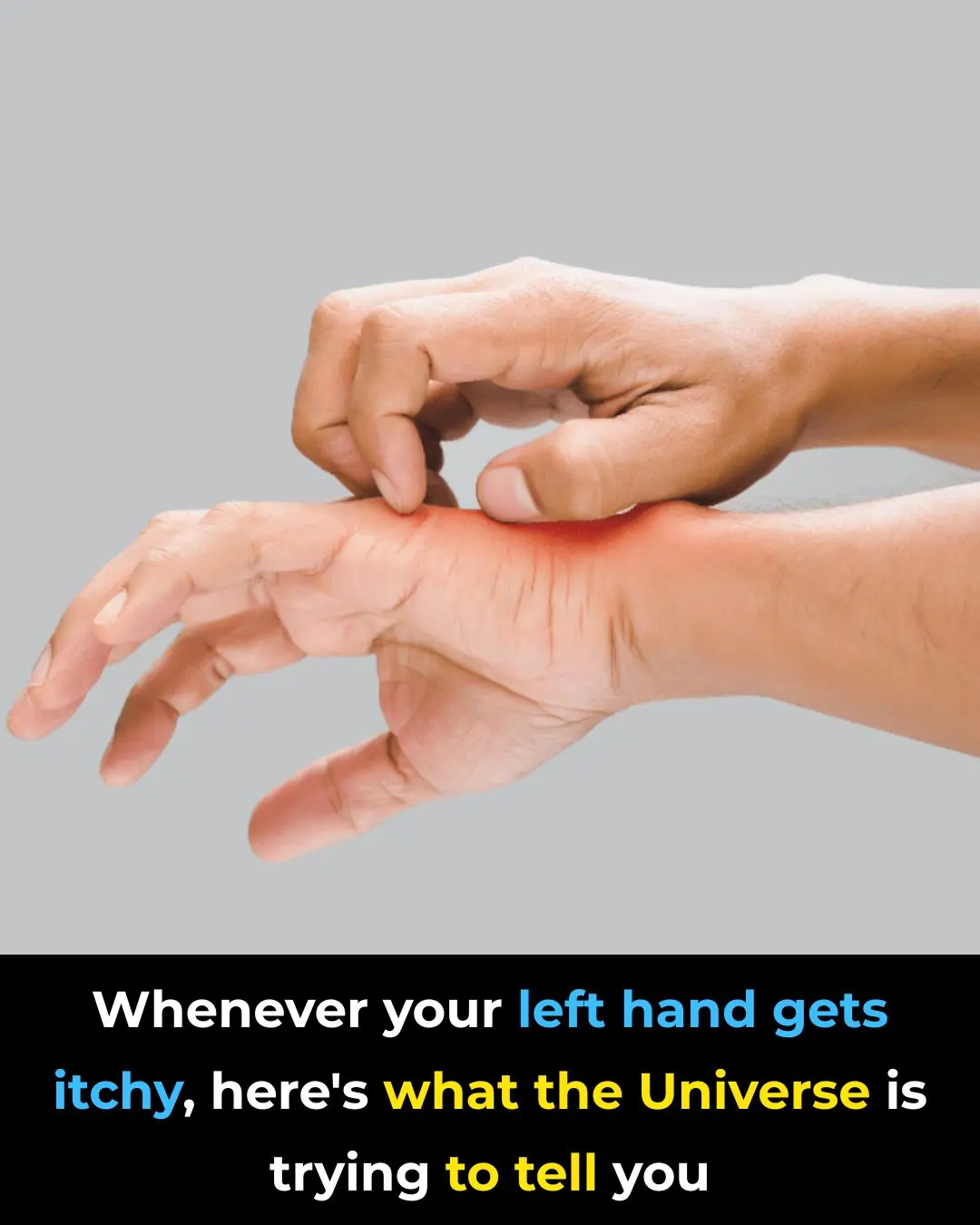
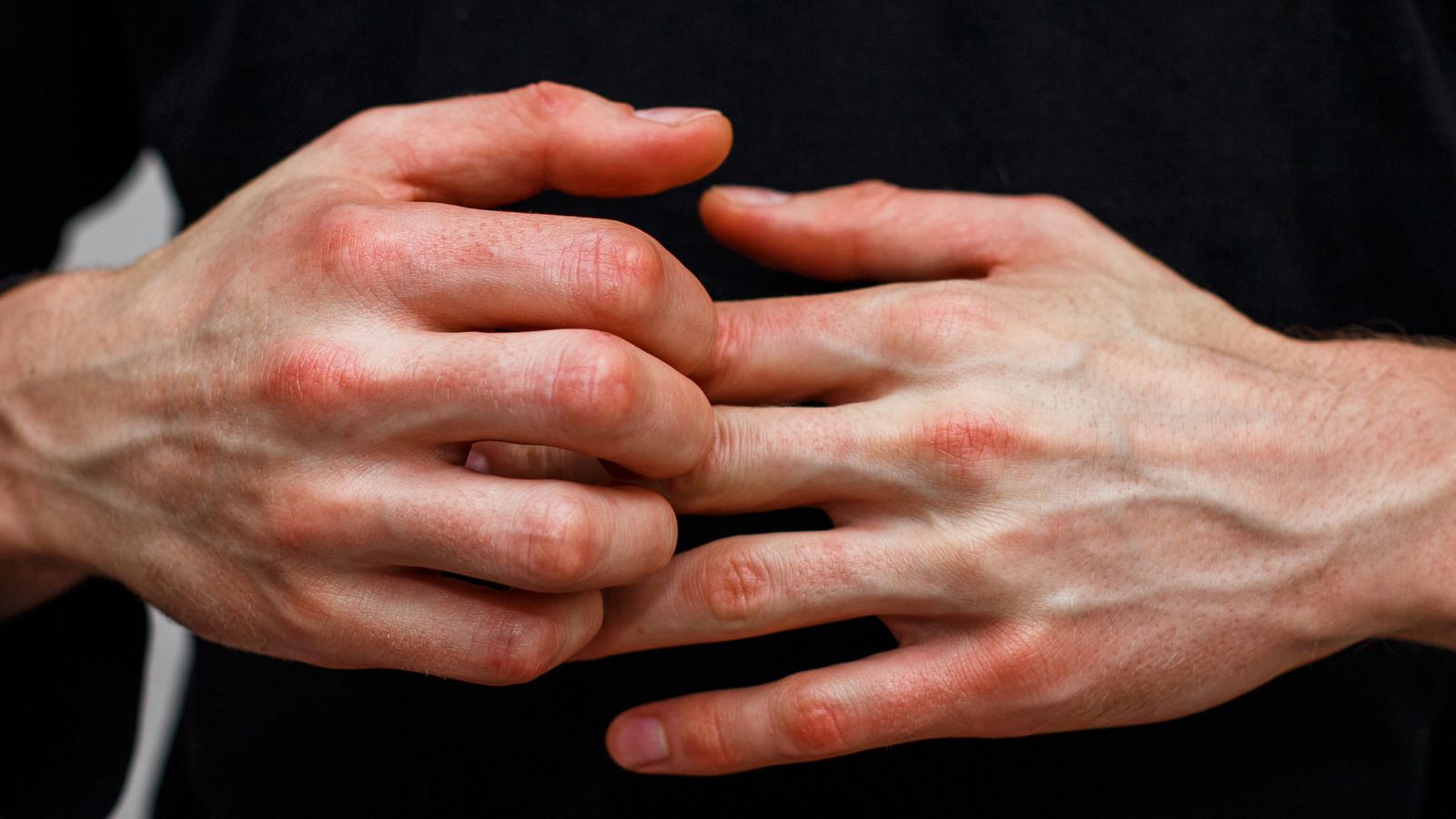
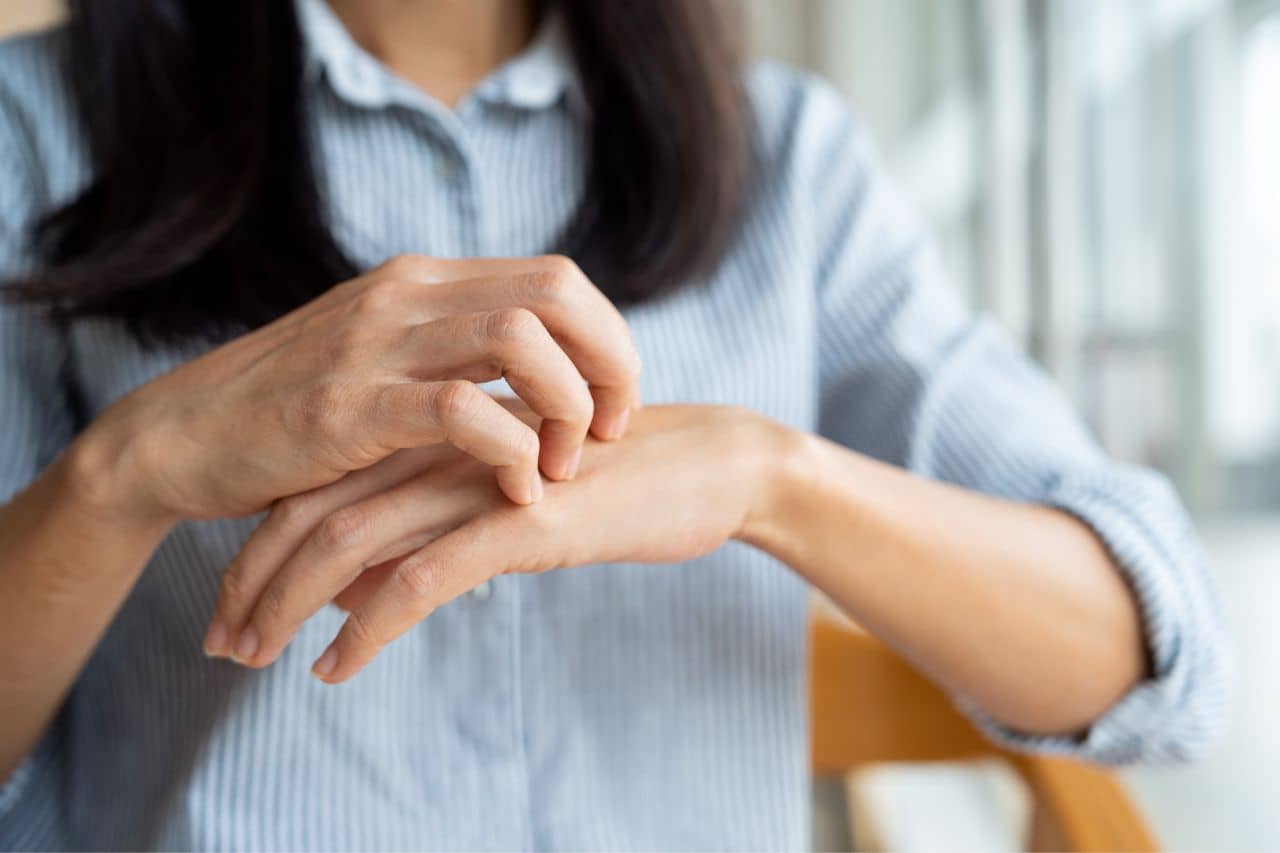
An itchy hand can be a passing annoyance or a clear physiological signal indicating an underlying dermatological, systemic, or neurological condition. Because the hands are densely packed with nerve endings and exposed to numerous environmental irritants daily, deciphering the exact cause requires looking closely at accompanying symptoms, the duration of the itch, and visual cues on the skin. Medical dermatology standards in 2026 emphasize a methodical approach to pruritus (itching) of the extremities, moving past surface-level assumptions to evaluate everything from local contact dermatitis to chronic autoimmune disorders.
Dermatological Triggers: Common Skin Conditions Affecting the Hands
The most frequent culprits behind hand itching originate right on the skin's surface. Dermatological disorders alter the skin barrier, triggering the release of pruritogenic mediators like histamine and cytokines that stimulate unmyelinated C-fiber nerve endings.
- Contact Dermatitis: This occurs when the skin reacts to an irritant (such as harsh soaps, industrial solvents, or cleaning chemicals) or an allergen (such as nickel, latex, or certain preservatives). Irritant contact dermatitis compromises the lipid barrier immediately, while allergic contact dermatitis manifests as a delayed immune response, often showing up 24 to 72 hours after exposure.
- Dyshidrotic Eczema (Pompholyx): This specific form of eczema targets the palms and the sides of the fingers. It presents with intensely itchy, deep-seated fluid-filled vesicles (blisters) that can feel burning or painful. As the blisters resolve over a few weeks, the skin often becomes dry, cracked, and scaly.
- Psoriasis (Palmar Psoriasis): Though less common than plaque psoriasis on elbows or knees, palmar psoriasis causes thick, well-demarcated red plaques covered with silvery scales on the palms, accompanied by painful fissures and deep-seated sterile pustules in localized variants.
- Scabies and Fungal Infections: Microscopic scabies mites burrow into the webbing between fingers and the skin of the hands, causing relentless nighttime itching. Meanwhile, tinea manuum (fungal infection of the hand) typically presents with unilateral scaling, dryness, and itching, frequently co-existing with a fungal foot infection (athlete's foot).
Systemic and Internal Causes of Palmar Pruritus
When hands itch intensely without a visible rash, redness, or dryness, the root cause is frequently systemic. Internal organ systems communicate distress through neuroimmune pathways that manifest as localized or generalized itching.
Clinical Warning: Persistent, unexplained palmar pruritus that worsens at night should prompt a comprehensive metabolic and hematological workup. Internal diseases alter bile acid metabolism, renal filtration rates, and thyroid hormone regulation, all of which directly lower the sensory threshold for itch perception in peripheral nerve endings.
Medical evaluations for persistent hand itching without a rash typically screen for the following systemic conditions:
- Hepatic Dysfunction: Cholestasis—a reduction or stoppage of bile flow from the liver—leads to an accumulation of bile salts in the bloodstream. These circulating bile salts deposit in the skin and stimulate sensory nerve receptors, famously causing severe itching on the palms of the hands and soles of the feet.
- Chronic Kidney Disease (CKD): Uremic pruritus is a common complication in advanced renal failure. It results from a complex mix of metabolic imbalances, including secondary hyperparathyroidism, elevated serum calcium-phosphate products, and immune system dysregulation.
- Thyroid Disorders: Both hyperthyroidism (overactive thyroid) and hypothyroidism can alter skin moisture, cutaneous blood flow, and systemic metabolism, frequently resulting in dry, itchy skin that affects the hands and limbs.
- Hematologic Malignancies: Conditions like polycythemia vera (an excess of red blood cells) often feature aquagenic pruritus—an intense, prickling itch triggered by contact with water, which frequently impacts the hands and upper extremities.
Neurological and Mechanical Factors: Nerve Entrapment and Circulation
Sometimes, an itchy hand is not a skin problem or an organ problem, but a neurological or vascular issue. The central and peripheral nervous systems process touch, temperature, and itch through overlapping pathways. When a nerve is compressed or damaged, it can misfire, sending phantom signals of itching, burning, or tingling to the brain.
- Carpal Tunnel Syndrome: Compression of the median nerve as it passes through the carpal tunnel in the wrist can cause paresthesias. While numbness and tingling are classic symptoms, nerve irritation can also manifest as localized itching or a crawling sensation in the palm and fingers.
- Peripheral Neuropathy: Conditions like diabetes mellitus damage small nerve fibers over time. This diabetic neuropathy frequently alters sensory perception in the hands and feet, resulting in abnormal sensations that patients often describe as deep-seated itching.
- Poor Circulation and Raynaud's Phenomenon: Vasospasms in the blood vessels of the fingers reduce blood flow, causing color changes (white to blue to red) and uncomfortable sensations of coldness, throbbing, or itching as blood flow returns.
Comparative Breakdown of Hand Itch Profiles
To help differentiate potential causes, the following matrix contrasts key characteristics of common and systemic origins of palmar pruritus:
| Condition Category | Primary Visual Signs | Key Sensations | Typical Distribution | Common Triggers / Associations |
|---|---|---|---|---|
| Dyshidrotic Eczema | Small, deep blisters, peeling, scaling, fissures | Intense itch, burning | Palms, sides of fingers, soles | Stress, sweating, metal allergies, irritants |
| Contact Dermatitis | Redness, swelling, dry patches, localized rash | Itching, stinging, soreness | Direct contact zones | Soaps, detergents, latex, jewelry, chemicals |
| Cholestatic Pruritus | Usually normal skin (except scratch marks) | Deep, relentless itch (worse at night) | Palms and soles primarily | Liver dysfunction, bile duct obstruction |
| Carpal Tunnel Itch | None externally; possible mild swelling | Itching, tingling, numbness | Median nerve distribution (thumb, index, middle finger) | Repetitive wrist motion, anatomical compression |
| Scabies Infestation | Tiny burrows, small red papules | Severe nocturnal itching | Finger webs, wrist creases, skin folds | Direct skin-to-skin contact with infected individuals |
Diagnostic Workup and Step-by-Step Management Guide
If you are dealing with persistent hand itching that does not resolve with basic moisturizing, a structured clinical approach is required to identify the root cause and apply effective relief.
- Environmental Audit: Review all soaps, hand sanitizers, cleaning chemicals, and occupational exposures introduced within the last two weeks. Switch immediately to fragrance-free, hypoallergenic cleansers.
- Skin Barrier Repair: Apply a thick, ceramide-containing emollient or medical-grade petroleum ointment immediately after washing hands while the skin is still damp to lock in moisture and heal micro-fissures.
- Professional Dermatological Evaluation: Schedule an appointment with a board-certified dermatologist if over-the-counter emollients and avoidance of irritants fail to clear the symptoms within 14 days. Patch testing may be performed to isolate specific contact allergens.
- Targeted Systemic Testing: If no primary skin disorder is visible and itching persists, request a comprehensive blood panel from your primary care physician to check liver enzymes, kidney function (BUN and creatinine), fasting blood glucose, and thyroid-stimulating hormone (TSH) levels.
- Medical Treatment Implementation: Follow prescribed regimens precisely. This may include topical corticosteroids or calcineurin inhibitors for inflammatory conditions, oral antihistamines for allergic components, or specialized prescription therapies if a systemic illness is uncovered.
Frequently Asked Questions
What does it mean when only the palms of your hands itch?
Palmar-specific itching is frequently linked to localized skin conditions like dyshidrotic eczema or contact dermatitis, but it can also be a classic sign of systemic issues such as liver dysfunction or hormonal changes. When localized itching occurs without a rash, internal screening is often necessary.
Why do my hands itch intensely at night?
Nocturnal worsening of itching is common due to natural circadian shifts in skin temperature, barrier permeability, and cortisol levels, which lower the body's inflammatory threshold. Additionally, fewer daytime distractions make the sensation feel much more intense.
Could an itchy hand be a sign of diabetes?
Yes, poorly controlled diabetes can cause dry skin, poor circulation, and peripheral neuropathy, all of which contribute to itching in the extremities, including the hands and feet.
When should I see a doctor for an itchy hand?
You should consult a healthcare professional if the itching lasts longer than two weeks, disrupts your sleep, spreads across your body, or is accompanied by yellowing of the skin, dark urine, extreme fatigue, or unexplained weight loss.
Can stress cause your hands to itch?
Stress releases neuropeptides and inflammatory cytokines that can exacerbate existing dermatological conditions like eczema and trigger neurogenic pruritus, leading to sudden hand itching during high-pressure periods.
Professional Care and Clinical Consultation
Persistent or severe hand itching requires professional medical assessment to rule out underlying systemic disease and prevent permanent skin thickening or secondary bacterial infections from scratching. If your symptoms are unrelenting, impairing your daily activities, or accompanied by systemic warning signs, schedule an evaluation with a qualified dermatologist or primary care provider to establish an accurate diagnosis and targeted treatment plan.