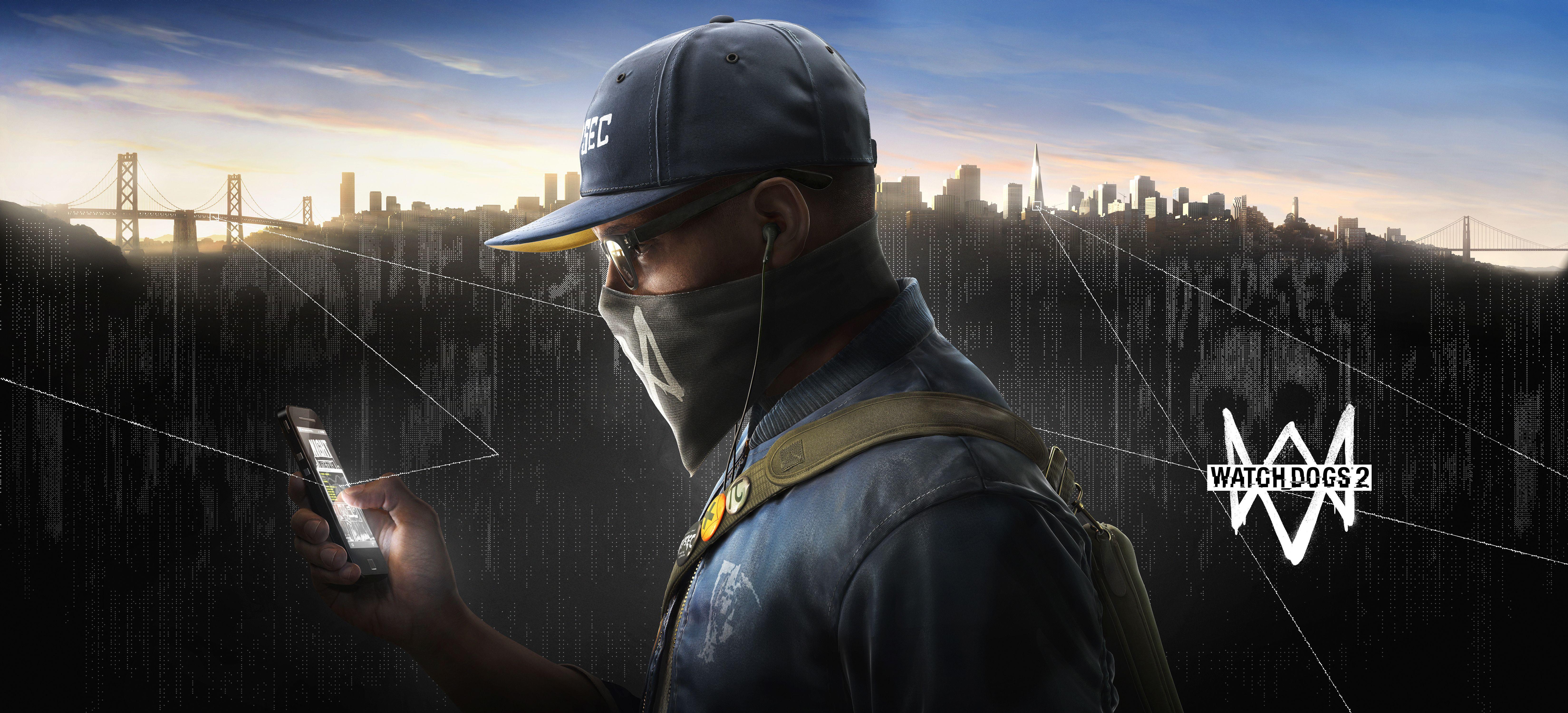
The Watch Dogs 2 police system is a dynamic law enforcement mechanic governed by a multi-tiered heat system, requiring players to leverage Marcus Holloway’s hacking toolset, remote-controlled drones, and urban verticality to manipulate line of sight, disrupt communications, and cleanly evade pursuit without relying solely on raw gunfights.
Introduction to the San Francisco Police Department (SFPD) System
In Ubisoft’s Watch Dogs 2, the San Francisco Police Department (SFPD) acts as the primary antagonistic system when Marcus Holloway or the DedSec crew draws unwanted attention from civilian complaints, automated ctOS 2.0 sensors, or direct criminal infractions. Unlike its predecessor in Chicago, the police system in Watch Dogs 2 is deeply integrated into the verticality, traffic flow, and dense architecture of the Bay Area. Understanding how law enforcement tracks, pursues, and investigates the player is essential for navigating missions smoothly, whether you are adopting a completely non-lethal stealth approach or executing an open-world diversion.
The core of the police response is tied to your "Heat Level"—a graduated meter ranging from one to five stars. When a crime is witnessed or flagged by a civilian smartphone, an icon appears indicating that an investigation is about to begin. If you linger in the area or fail to intercept the witness before they dial emergency services, the investigation upgrades to an active pursuit. Surviving and escaping these encounters requires more than driving fast; it demands a tactical understanding of escape radiuses, line-of-sight manipulation, ctOS infrastructure hacking, and spatial awareness.
Understanding Heat Levels and Police Escalation
The SFPD escalation ladder is divided into five distinct stages, each representing a progressively severe response from local law enforcement and federal agencies. Recognizing what triggers each level and what assets the police deploy is vital for deciding whether to hide, run, or fight.
- One Star (Minor Infractions): Triggered by minor property damage, minor traffic collisions with police vehicles, or petty crimes witnessed by civilians. Officers will investigate the immediate area on foot or in patrol cars with sirens active. They generally do not shoot on sight unless provoked, and escaping this tier is as simple as rounding a couple of corners and hiding behind a solid barrier.
- Two Stars (Active Pursuit): Triggered by assaulting civilians, stealing occupied vehicles while being watched, or failing to comply with a one-star investigation. Police vehicles will actively ram your car, and officers will draw weapons. They will begin searching alleys, parking garages, and building entrances.
- Three Stars (Aggressive Tactics and Roadblocks): Triggered by prolonged evasion, shooting at police officers, or committing violent felonies. Law enforcement introduces armored vehicles, spike strips, and coordinated roadblocks. Helicopters may also be dispatched to track your aerial position, severely limiting your ability to hide outdoors.
- Four Stars (SWAT Deployment): Triggered by high-end chaos, massive property destruction, or sustained firefights with police. The SFPD brings in heavily armored SWAT units equipped with high-caliber rifles. Patrol cars will aggressively swarm you, and police boats or tactical teams may cut off bridge exits.
- Five Stars (FBI and Extreme Lockdown): The maximum threat level. Local police are supplemented or replaced by federal agents and elite security contractors. The entire map locks down, search radiuses expand exponentially, and evasion becomes exceptionally difficult without specialized vehicle hacks or underground hideouts.
The Search Radius and Yellow Zone Mechanics
When you break line of sight with pursuing units, the minimap transitions from a red pursuit mode to a yellow search zone. The police no longer know your exact location, but they know you are inside a designated perimeter. Officers will systematically sweep this zone, checking vehicles, alleyways, and standard hiding spots.
To successfully escape a yellow zone, you must remain completely out of sight until the search timer drains entirely. Moving while inside a yellow zone or making noise—such as firing a weapon or running loudly near an officer—will immediately reactive full pursuit status. If you are inside a vehicle, cutting the engine and remaining parked in a secluded garage or alleyway can significantly accelerate your evasion time.
| Heat Level | Primary Triggers | Responding Units | Key Countermeasures |
|---|---|---|---|
| 1 Star | Minor property damage, witnessed petty crime | Local patrol cars, on-foot officers | Break line of sight, hide in bushes or vehicles |
| 2 Stars | Assault, vehicle theft, resisting arrest | Aggressive patrol cars, search teams | Use traffic lights to disrupt pursuit cars |
| 3 Stars | Discharging firearms, prolonged evasion | Roadblocks, spike strips, helicopters | Hack helicopter rotors, avoid bridges |
| 4 Stars | Massive destruction, sustained combat | SWAT units, armored vehicles, tactical teams | Deploy remote-controlled jumper/quadcopter |
| 5 Stars | Extreme violence, FBI involvement | Federal agents, heavy lockdown protocols | Underground tunnels, boat escapes |
Core Hacking Tools for Police Evasion
Marcus Holloway’s smartphone is your greatest asset when dealing with the SFPD. Rather than relying solely on brute-force driving or gunplay, the NetHack capability and infrastructure manipulation tools allow you to alter the playing field in real time.
Traffic and Environmental Hacks
San Francisco’s automated grid is fully vulnerable to DedSec exploits. Mastering these environment-based hacks can neutralize chasing police cruisers instantly:
- Steam Pipes: Overloading underground steam valves creates massive geysers of scalding pressure that disable or flip trailing vehicles, instantly taking cruisers out of the pursuit.
- Traffic Lights: Triggering sudden green or red light sequencing causes civilian vehicles to plow into intersections, blocking narrow streets and creating massive pileups that trap police cars.
- Security Gates and Garages: Remotely opening or closing electronic gates allows you to slip into private courtyards or subterranean garages, locking pursuing officers outside.
- Bridges: Raising drawbridges over the San Francisco bays can completely halt ground units, as police cars cannot cross open spans.
Vehicle and Gadget Hacks
When police are hot on your tail, direct manipulation of their hardware can buy you precious seconds:
- Distract / Engine Rev: Using the vehicle hack on a police cruiser can cause the engine to misfire or reverse unexpectedly, causing the driver to crash into walls or other obstacles.
- Remote-Controlled Jumper and Quadcopter: If you are pinned down inside a building, you can deploy your RC Jumper or Quadcopter to hack environmental elements outside without exposing Marcus to gunfire. This allows you to open doors, trigger explosives, or hack nearby security systems while you remain safely tucked away.
- Mass Communication Shutdown: In chaotic scenarios, triggering a city-wide blackout disrupts police radio frequencies, slows down dispatch times, and blinds security cameras, giving you an immediate window to slip away unseen.
Strategic Evasion Techniques by Environment
Different districts of San Francisco and various terrain types require distinct evasion methodologies. Knowing the layout of the city dictates whether you should take to the water, go underground, or scale rooftops.
Urban Alleys and Commercial Zones
Downtown San Francisco and Financial District zones feature tight alleyways, subterranean parking structures, and pedestrian plazas. Police cars cannot navigate narrow pedestrian pathways or staircases. If you find yourself pursued in these areas, ditch your vehicle, sprint into an alleyway, vault over a fence, and hide behind dumpsters or inside shrubbery using standard cover mechanics. Activating NetHack allows you to see enemy vision cones through walls, ensuring you can time your movements safely away from patrolling officers.
Bridges, Highways, and Waterways
Highways offer high-speed getaways, but they are death traps if you accumulate three or more stars, as police can easily deploy spike strips ahead of you or box you in. Avoid lingering on bridges like the Golden Gate or San Francisco-Oakland Bay Bridge during high heat levels, as exit points are easily choked off by tactical units. Instead, utilize waterways. Stealing a speedboat or motorboat allows you to escape into the bay, where police boats have limited maneuverability and helicopters struggle to maintain persistent tracking against moving watercraft.
Underground Tunnels and Maintenance Shafts
San Francisco features an extensive network of underground maintenance tunnels, train tracks, and sewer systems. Entering these subterranean routes is one of the most reliable ways to shed high heat levels (four to five stars). Because police units cannot easily follow you into tight tunnel networks on foot or in vehicles, parking your car underground and waiting out the timer is a standard high-level strategy.
Common Mistakes and How to Avoid Them
Players often struggle with the Watch Dogs 2 police system by approaching it like a traditional shooter rather than a tactical sandbox game. Avoiding these frequent missteps will drastically improve your survival rate:
- Relying Solely on Gunfights: Engaging the SFPD in a direct shootout almost always results in escalation to four or five stars. The police reinforce infinitely until you are overwhelmed. Prioritize stealth or rapid evasion over combat.
- Failing to Clear Witnesses: Before committing an illegal action in public, scan the area for citizens holding up smartphones. Silently subduing witnesses before they can call the authorities prevents investigations from ever turning into active pursuits.
- Neglecting Vehicle Maintenance: Driving damaged, smoking vehicles makes it easy for police and helicopters to spot you from a distance. Steal a fresh, unmarked civilian vehicle when transitioning from a high-heat chase to a stealth evasion.
- Ignoring Verticality: Running down straight streets makes you an easy target for patrol cars and air support. Always look for ladders, scaffolding, and fire escapes to break the line of sight vertically.
Advanced Tactics for Clean Escapes
For players looking to master the game's mechanics, combining multiple systems yields flawless escapes even at maximum heat. When pursued by a helicopter at three stars or higher, use your Quadcopter to hack the helicopter directly if you have unlocked the appropriate skill tree upgrades, or quickly duck inside a concrete loading dock or tunnel entrance where aerial sensors lose tracking.
Furthermore, utilizing mass hacks such as the ctOS Scan or police distraction can divert law enforcement attention toward rival gangs or unsuspecting civilians, creating immediate crossfire that forces officers to abandon their pursuit of Marcus to deal with localized threats. Balancing hacking utility with environmental awareness transforms the SFPD from an overwhelming nuisance into a predictable system you can manipulate at will.
Frequently Asked Questions
How do I lower my heat level quickly in Watch Dogs 2?
The fastest way to lower your heat level is to break line of sight, enter a yellow search zone, and remain completely hidden until the timer expires. Utilizing underground tunnels, dense foliage, or remote-controlled decoys can speed up this process while keeping Marcus safe.
Can I bribe the police or surrender to clear wanted levels?
No. Unlike some other open-world titles, Watch Dogs 2 does not feature a surrender mechanic or a bribe system. You must either outrun, outsmart, or hide from the police until they call off the search.
Do police officers shoot on sight immediately?
It depends on your heat level. At one star, officers will investigate verbally and attempt to detain you without lethal force unless attacked. At two stars and above, officers draw weapons and will shoot if you actively resist, commit violent acts, or brandish firearms.
What are the best vehicle upgrades for escaping police?
Look for vehicles with high acceleration and tight handling rather than top speed alone. Maneuverability through tight alleys and the ability to make sharp 90-degree turns without spinning out are far more valuable for shaking pursuit cars than raw straight-line speed.
How do I deal with police helicopters?
Police helicopters track your line of sight from above. To evade them, you must drive or run under dense structural cover, such as highway overpasses, multi-story parking garages, tunnels, or heavily roofed building courtyards where the chopper cannot visually acquire you.