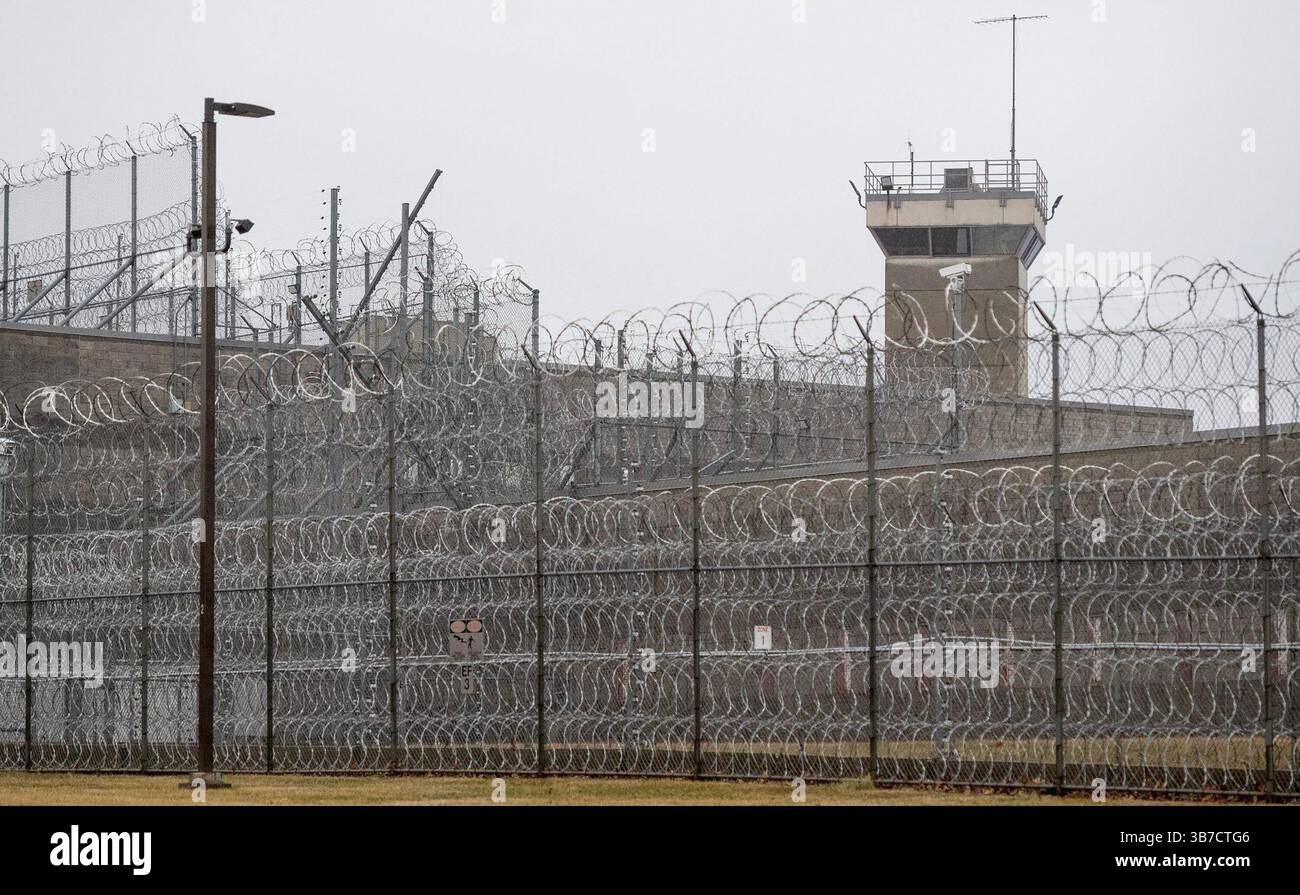
Potosi Correctional Center (PCC) in Mineral Point, Missouri, stands as one of the state's most high-security correctional facilities. Managing male offenders primarily classified under maximum and close-security parameters, the facility plays a critical role within the Missouri Department of Corrections (MODOC). Navigating institutional policies, visiting procedures, and legal frameworks requires accurate, up-to-date information for families, legal counsel, and researchers alike.
Facility Overview and Structural Design Specifications
Located in Washington County, Missouri, the Potosi Correctional Center is engineered to house individuals requiring elevated security containment. Situated just outside Potosi, Missouri, the mailing address utilizes the nearby community of Mineral Point.
Opened in 1989, the complex was specifically designed to replace older, obsolete structures while addressing the state's growing need for secure housing for high-risk offenders. The facility incorporates multi-tier security perimeters, advanced electronic surveillance systems, and specialized housing units.
- Official Designation: Potosi Correctional Center (PCC)
- Governing Body: Missouri Department of Corrections (MODOC)
- Security Levels: Maximum, Close, and Medium Security units
- Location: 11593 State Highway O, Mineral Point, MO 63660
- Phone Contact: (573) 438-6000
The architectural configuration separates general population inmates from those requiring administrative segregation, protective custody, or specialized medical and mental health interventions. Internal movement is tightly controlled through electronic sally ports, constant staff supervision, and continuous perimeter monitoring.
Inmate Housing, Programs, and Operational Protocols
Life inside Potosi Correctional Center is governed by strict operational protocols designed to maintain safety for both staff and the incarcerated population. Security classifications dictate daily schedules, privileges, work assignments, and recreational access.
Security Classifications and Housing Units
- Maximum Security: Houses individuals who pose severe behavioral risks, management challenges, or threats to institutional safety. Movement is heavily restricted, and inmates spend significant portions of their day inside secure cells.
- Close Security: Accommodates offenders who require high-security housing but exhibit better compliance with facility rules, allowing for structured group activities and limited work assignments.
- Administrative Segregation: Utilized for temporary or long-term separation of inmates whose presence in the general population constitutes a direct threat to security.
Rehabilitative and Educational Offerings
Despite the high-security designation, MODOC mandates access to rehabilitative programming aimed at reducing recidivism. Available opportunities include:
- Academic Education: Adult Basic Education (ABE) and High School Equivalency (HiSET) preparation classes.
- Vocational Training: Basic trade instruction aligned with institutional support services.
- Substance Abuse Programs: Cognitive behavioral restructuring and evidence-based addiction recovery courses.
- Religious Services: Chaplains coordinate multi-faith worship opportunities, spiritual counseling, and study groups subject to security clearance.
Visitation Guidelines, Rules, and Scheduling Protocols
Visitation at Potosi Correctional Center operates under rigid guidelines established by the Missouri Department of Corrections. Visitors must navigate a thorough approval process before stepping onto facility grounds.
The Visitor Application Process
- Background Check: Every prospective visitor aged 18 and older must submit a completed visitor application form to MODOC for a comprehensive criminal history review.
- Approval Status: Visitors must wait for official written or electronic confirmation of approval before attempting to schedule a visit. Unapproved visitors will be denied entry at the gate.
- Minors: Minor children must be accompanied by an approved parent or legal guardian with proper documentation, such as birth certificates or custody papers.
Visitation Schedule and Operational Rules
Visits generally occur on weekends and designated holidays, though schedules are subject to periodic adjustment based on institutional lock-downs or security alerts.
| Parameter | Standard Operational Rule |
|---|---|
| Visiting Days | Saturdays and Sundays (Rotates based on housing unit) |
| Visiting Hours | Typically 8:30 AM – 3:00 PM (Check specific unit rotation) |
| Dress Code | Strict conservative dress; no revealing clothing, logos, or camouflage |
| ID Requirement | Government-issued photo ID (Driver’s License or Passport) |
| Allowed Property | Clear plastic bag with minimal cash for vending machines |
Security Note: All visitors and their vehicles are subject to search upon entering state property. Bringing contraband, controlled substances, or communication devices into the secure perimeter is a felony offense under Missouri law and will result in immediate arrest and prosecution.
Communication, Mail, and Trust Fund Procedures
Maintaining contact with incarcerated individuals at Potosi Correctional Center requires strict adherence to mail and communication policies designed to prevent contraband introduction.
Mail Regulations
All incoming personal mail is inspected for contraband, weapons, and unauthorized substances.
Letters must be written on plain paper using standard ink.
Polaroid photographs, greeting cards with electronic components, or items containing glitter or glue are strictly prohibited.
Mail must include the offender's full name, DOC number, and the correct facility address:
[Offender Name, DOC Number]Potosi Correctional Center11593 State Highway OMineral Point, MO 63660
Electronic Messaging and Phone Calls
MODOC contracts with approved third-party vendors to provide managed secure messaging and phone services. Inmates do not have access to the internet, but they can send and receive electronic messages through approved kiosks subject to monitoring and screening. Telephone calls are placed outbound on a prepaid or collect basis, and all conversations—with the exception of legally privileged communications—are recorded and monitored.
Depositing Funds
Family members and friends wishing to place money on an inmate's trust fund account—used to purchase hygiene items, stationery, and approved snacks—must utilize authorized payment processors such as Access Corrections or JPay. Funds can be deposited online, via phone, or through designated retail walk-in locations.
Comparative Analysis of Facility Security and Operations
Understanding how Potosi Correctional Center compares to other facilities within the Missouri Department of Corrections highlights its unique role within the state system.
| Facility Feature | Potosi Correctional Center (PCC) | Minimum/Medium Security Facilities |
|---|---|---|
| Primary Security Level | Maximum / Close | Minimum / Medium |
| Perimeter Security | Multiple razor-wire fences, armed towers, electronic sensors | Single fence, standard patrol monitoring |
| Inmate Movement | Escorted, controlled sally ports, high restriction | Open campus style, work-release programs |
| Work Opportunities | Institutional support jobs, limited vocational assignments | Community work crews, state-certified industries |
Operational Insight: Inmates housed at Potosi Correctional Center face significantly more restrictions on daily movement compared to medium-security counterparts, reflecting the state's mandate to manage high-risk offenders securely.
Frequently Asked Questions
How do I find an inmate's current status and location in Missouri?
Use the official Missouri Department of Corrections offender search online portal by entering the inmate's first and last name or their unique DOC identification number. The online database provides real-time updates regarding housing assignments, projected release dates, and parole hearing statuses.
What are the acceptable forms of identification for visiting Potosi Correctional Center?
Visitors must present a valid, unexpired government-issued photo identification card such as a state driver's license, state identification card, U.S. passport, or military ID. Student IDs and expired documents are not accepted under any circumstances.
Can I send books and magazines directly to an inmate at Potosi?
Books, periodicals, and magazines must be shipped directly from an approved publisher, distributor, or authorized online retailer like Amazon or Barnes & Noble. Packages sent from personal residences or unauthorized third-party vendors will be rejected and returned to sender.
How can I schedule a professional or legal visit?
Attorneys, clergy, and official state investigators must contact the facility administration in advance to schedule professional visits during designated legal hours. Proper credentials, bar cards, or ordination certificates must be presented upon arrival.
What happens if a visitor violates the institutional dress code?
Staff members strictly enforce the MODOC dress code policy at the security checkpoint. Visitors who wear prohibited items—such as sleeveless shirts, shorts above the knee, or clothing with offensive language—will be denied entry for that visiting session without exception.
Conclusion and Next Steps for Families
Navigating the operational realities of Potosi Correctional Center requires patience, strict adherence to MODOC guidelines, and consistent monitoring of policy updates. Whether planning a visit, sending correspondence, or depositing funds into a trust account, families and legal representatives must remain informed regarding facility rules. For the most current schedules, visitation status alerts, and official policy amendments, consult the official Missouri Department of Corrections website or contact the facility administration directly at (573) 438-6000.