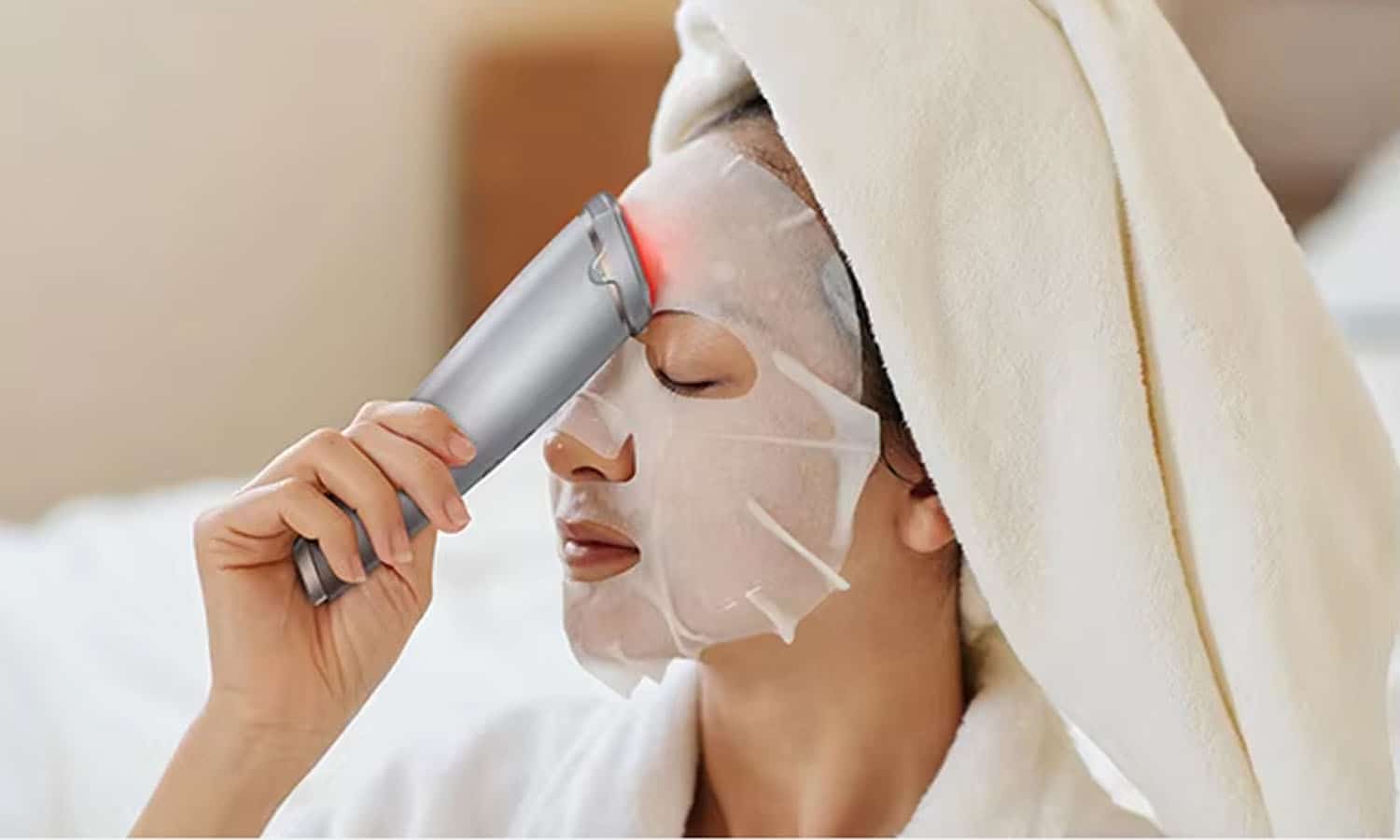
At-home anti-wrinkle devices utilize targeted technologies such as microcurrents, red and blue light therapy, radiofrequency, and ultrasound to stimulate collagen production, tighten facial muscles, and improve overall skin texture without invasive procedures. Selecting the right device depends on understanding how these modalities function, addressing specific aging concerns, and committing to consistent, long-term use.
The market for at-home skincare technology has expanded rapidly, moving professional-grade treatments out of the dermatologist's office and into consumer bathrooms. While topical creams and serums remain foundational components of any skincare regimen, mechanical and energy-based devices offer deeper penetration and structural stimulation.
Understanding the nuances of these tools requires looking past marketing claims and evaluating their underlying technology, safety profiles, operational requirements, and realistic outcomes.
Understanding At-Home Anti-Aging Technology
Before investing in any skin-rejuvenation tool, it is essential to understand the primary physical and biological mechanisms these devices use. Unlike topical products that sit primarily on the stratum corneum (the outermost layer of skin), devices interact with the deeper epidermis and dermis.
Microcurrent Therapy
Microcurrent devices deliver low-level, electrical impulses that mirror the body’s natural ionic current. These impulses stimulate facial muscles, effectively acting as a workout for the face. By re-educating the musculature, microcurrent therapy helps to lift, tone, and contour the face, temporarily reducing the appearance of sagging jowls and drooping brows.
Beyond muscle stimulation, microcurrents increase adenosine triphosphate (ATP) production at the cellular level. ATP drives cellular energy, protein synthesis, and amino acid transport, which collectively support cellular repair and collagen production.
LED Light Therapy
Light-Emitting Diode (LED) therapy relies on specific wavelengths of light to trigger cellular responses. Different colors penetrate the skin at varying depths:
- Red Light (typically 600nm to 650nm): Penetrates into the dermal layer to stimulate fibroblasts, promoting collagen and elastin production while reducing inflammation.
- Near-Infrared Light (800nm to 850nm): Penetrates even deeper to accelerate tissue repair and improve cellular metabolism.
- Blue Light (around 415nm): Targets surface bacteria associated with breakouts, making it useful for combination skin types dealing with adult acne and fine lines.
Radiofrequency (RF) and Ultrasound
Radiofrequency devices emit thermal energy that safely heats the deep dermal layers. This controlled thermal damage stimulates a wound-healing response, causing existing collagen fibers to contract and triggering the synthesis of new collagen over subsequent weeks.
Ultrasound technology uses focused sound waves to penetrate deep tissue structures, promoting cellular renewal and enhancing the absorption of active skincare ingredients applied during treatment.
Criteria for Evaluating Top-Rated Anti-Wrinkle Devices
Evaluating skincare technology requires a framework that balances clinical efficacy, safety, build quality, and user experience. When examining the top-rated anti-wrinkle devices on the market, several core metrics separate exceptional tools from superficial gadgets:
- Clinical Validation and Safety Clearances: Look for devices backed by clinical studies or regulatory clearances (such as FDA clearance in the United States) indicating they meet established safety and efficacy standards.
- Ergonomics and Usability: A device must be comfortable to hold, easy to navigate, and appropriate for facial contours. Heavy or awkwardly shaped tools often lead to inconsistent use.
- Power Source and Portability: Cordless, rechargeable models offer greater convenience, but battery degradation over time is a factor to consider.
- Required Maintenance and Ongoing Costs: Some devices require specialized conductive gels, replacement heads, or proprietary serums to function safely and effectively, adding to the total cost of ownership.
- Treatment Time: Practicality dictates that a device requiring a 30-minute daily commitment is less likely to be used consistently than a streamlined 5-minute tool.
6 Top-Rated Anti-Wrinkle Devices
The following selection highlights six widely recognized, top-rated devices that utilize distinct technological approaches to address fine lines, loss of firmness, and textural irregularities.
1. NuFace Trinity / Mini (Microcurrent Technology)
The NuFace system remains a benchmark for facial toning via microcurrent technology. Designed to target the facial contours, jawline, and cheekbones, the Trinity (and its more compact counterpart, the Mini) delivers gentle electrical currents to tone facial muscles.
- Primary Technology: Microcurrent.
- Best For: Lifting and defining facial contours, minimizing the appearance of jowls, and improving overall skin tightness.
- Operational Notes: Requires the application of a specialized, highly conductive gel prior to treatment to ensure smooth gliding and prevent uncomfortable stinging sensations. Users must commit to a routine of 3 to 5 times per week for sustained results.
2. Omnilux Contour Face (LED Light Therapy)
Flexible LED masks have transformed light therapy by offering full-face coverage in a wearable, hands-free format. The Omnilux Contour Face utilizes medical-grade red and near-infrared wavelengths optimized for anti-aging benefits.
- Primary Technology: Red (633nm) and Near-Infrared (830nm) LED light.
- Best For: Stimulating collagen production, reducing overall redness, smoothing fine lines, and improving skin radiance.
- Operational Notes: Sessions typically last 10 minutes and run automatically. The flexible silicone design conforms comfortably to various face shapes, though users must remain still or wear it while resting.
3. Solawave 4-in-1 Skincare Wand (Multifunctional Targeted Treatment)
Combining multiple technologies into a sleek, portable wand format, the Solawave device is designed for targeted spot treatments on crow's feet, forehead lines, and smile lines.
- Primary Technology: Red light therapy, galvanic current, therapeutic warmth, and facial massage.
- Best For: Targeting specific fine lines, reducing puffiness under the eyes, and enhancing serum absorption.
- Operational Notes: Its compact size makes it highly travel-friendly, but treating the entire face takes longer compared to larger, mask-style or multi-contact devices.
4. Droplette Micro-Infuser (Transdermal Delivery)
Rather than relying on electrical currents or light, the Droplette uses fluid mechanics to transform targeted anti-aging serums (such as collagen or retinol formulas) into a high-velocity micro-mist.
- Primary Technology: Ultrasound-driven aerosolization for enhanced transdermal delivery.
- Best For: Deeply hydrating the skin and driving active ingredients past the skin barrier without needles or irritation.
- Operational Notes: Operates on proprietary, single-use serum capsules, which introduces a recurring consumable cost that users must factor into their long-term budget.
5. Tripollar Stop X (Radiofrequency Skin Tightening)
Utilizing multi-pole radiofrequency technology, the Tripollar Stop X focuses on thermal remodeling to address skin laxity, loss of elasticity, and deeper wrinkles.
- Primary Technology: Multi-Frequency Radiofrequency (RF).
- Best For: Stimulating deep dermal collagen contraction, firming loose skin, and smoothing nasolabial folds.
- Operational Notes: Requires careful adherence to temperature guidelines using an accompanying gel. The device features a thermal sensor that indicates when the target temperature has been reached, preventing overheating.
6. Foreo Bear (Advanced Microcurrent with Anti-Shock System)
The Foreo Bear combines microcurrent technology with T-Sonic pulsations to tone facial muscles while massaging the skin's surface. It features an integrated Anti-Shock System that automatically adjusts the current to match skin resistance.
- Primary Technology: Microcurrent and T-Sonic pulsations.
- Best For: Quick, high-tech facial workouts with built-in safety controls to prevent micro-shocks.
- Operational Notes: Constructed from ultra-hygienic silicone that is easy to clean, eliminating the need for replacement heads, though a conductive serum is still mandatory.
Comparative Overview of Anti-Wrinkle Devices
| Device Name | Primary Technology | Core Benefit | Maintenance & Consumables | Typical Treatment Frequency |
|---|---|---|---|---|
| NuFace Trinity / Mini | Microcurrent | Muscle toning and facial lifting | Requires conductive gel | 3–5 times per week |
| Omnilux Contour Face | Red & Near-Infrared LED | Collagen synthesis and anti-inflammation | None (rechargeable battery) | 3–5 times per week |
| Solawave 4-in-1 Wand | Red Light, Galvanic, Warmth | Targeted fine-line treatment & glow | Serum or conductive gel | 3 times per week to daily |
| Droplette Micro-Infuser | Ultrasonic Aerosolization | Deep transdermal serum delivery | Proprietary serum capsules | Daily |
| Tripollar Stop X | Radiofrequency (RF) | Dermal tightening and deep collagen remodeling | Requires specific RF preparation gel | 2–3 times per week |
| Foreo Bear | Microcurrent & T-Sonic | Contouring with shock-prevention tech | Requires conductive serum | 3–5 times per week |
Common Mistakes to Avoid When Using Anti-Aging Devices
Maximizing the effectiveness of at-home beauty tech requires avoiding common pitfalls that can diminish results or lead to skin irritation:
- Skipping Conductive Mediums: Using microcurrent or radiofrequency devices on dry skin prevents the energy from penetrating correctly and can result in uncomfortable stinging or uneven stimulation. Always use the manufacturer-recommended gel.
- Inconsistent Application: Energy-based devices rely on cumulative biological responses. Using a device sporadically yields negligible results compared to a disciplined, consistent routine.
- Ignoring Contraindications: Many devices are not safe for individuals who are pregnant, have implanted electronic medical devices (like pacemakers), suffer from active epilepsy, or have open skin lesions and severe rosacea. Always review safety guidelines before starting.
- Overusing Thermal or Electrical Tools: More is not better. Exceeding recommended session times or frequencies can cause skin barrier disruption, inflammation, or muscle fatigue.
Professional Guidance and Safety Limitations
While at-home devices offer significant convenience and visible improvements in skin texture and firmness, they do not replace clinical dermatological procedures such as deep laser resurfacing, chemical peels, or surgical interventions.
Individuals with severe skin laxity, deep structural folds, or complex dermatological conditions should consult a board-certified dermatologist or plastic surgeon to establish a comprehensive treatment plan. This content is provided for informational purposes only and does not constitute medical advice.
Frequently Asked Questions
How long does it take to see results from anti-wrinkle devices?
Visible improvements vary depending on the technology used. Microcurrent devices often provide an immediate, temporary tightening effect due to muscle stimulation, while collagen-building technologies like LED and radiofrequency require consistent use over 4 to 8 weeks before structural changes become apparent.
Can I use multiple anti-aging devices together?
Yes, many users combine complementary technologies, such as using an LED mask on certain days and a microcurrent device on alternating days. However, users should avoid layering multiple intensive treatments—such as radiofrequency and chemical exfoliants—in a single session to prevent barrier irritation.
Are at-home anti-wrinkle devices safe for all skin types?
Most light-based and microcurrent devices are safe for all Fitzpatrick skin types because they do not rely on high-heat melanin targeting like traditional clinical lasers. However, individuals with sensitive skin conditions should perform a patch test and consult a professional.
Do I need to buy special gels, or can I use regular lotion?
You must use the specific type of gel recommended by the manufacturer—typically water-based conductive gels. Regular face lotions or oils often contain ingredients that block electrical currents or create a barrier that prevents proper device glide and energy transfer.
What is the lifespan of a typical skincare device?
With proper care, regular cleaning, and careful battery maintenance, quality rechargeable skincare devices generally last between 3 to 5 years before battery degradation or mechanical wear impacts performance.
Conclusion and Next Actions
Investing in a top-rated anti-wrinkle device requires aligning your specific skin goals with the correct technological modality. Whether your primary objective is lifting and toning with microcurrents or boosting collagen production through LED or radiofrequency, success depends on selecting a reputable device, committing to a consistent routine, and maintaining proper skin preparation. Assess your budget, review any personal medical contraindications, and choose a single tool that fits seamlessly into your daily lifestyle for sustained, long-term skin health.