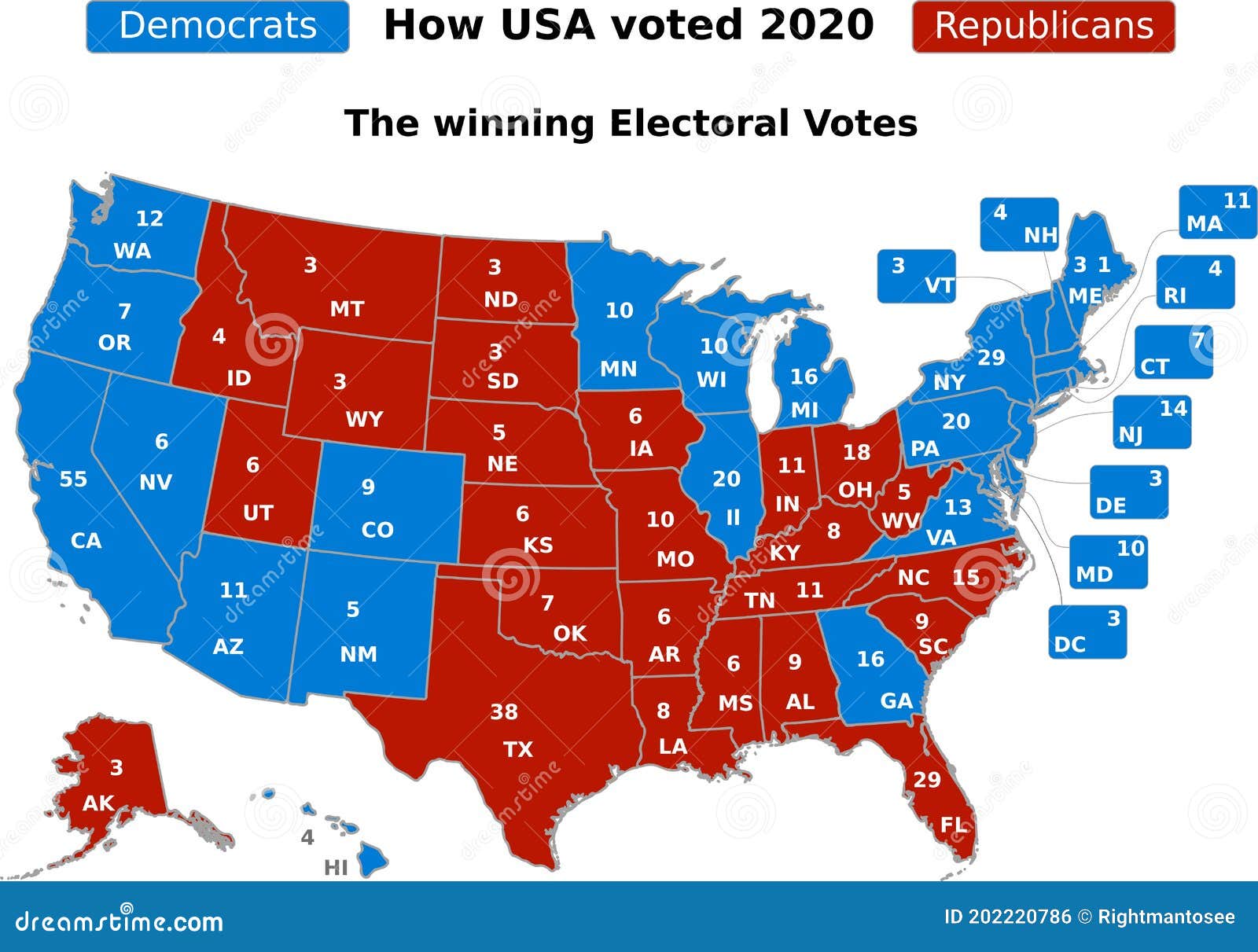
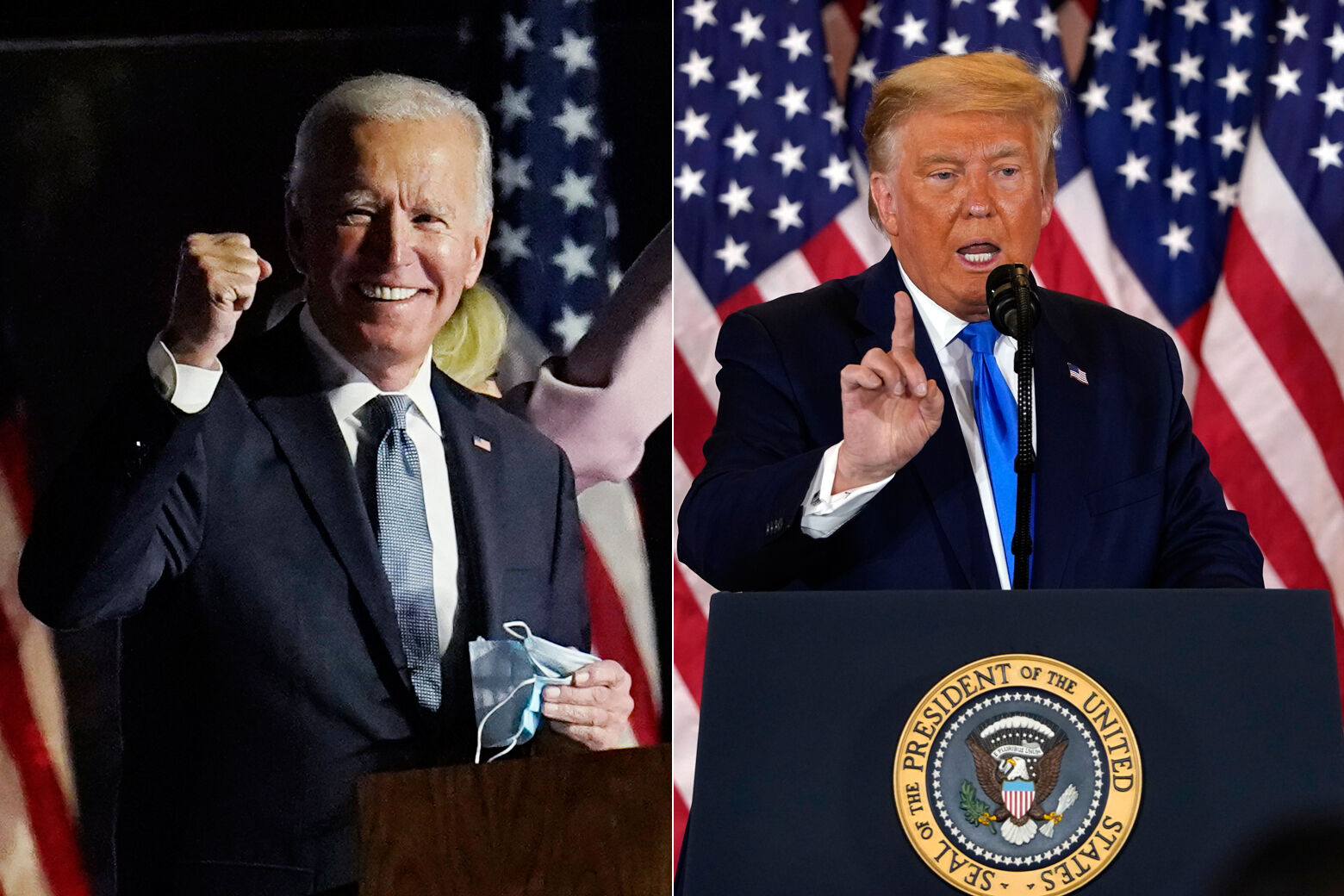
The 2020 U.S. presidential campaign was a historic contest between Democratic nominee Joe Biden and Republican incumbent Donald Trump. Defined by the COVID-19 pandemic, record-breaking mail-in voting, and intense social unrest, the election saw Biden win with 306 electoral votes and a record 81 million popular votes.
The Unprecedented Context of the 2020 Election Cycle
As we look back from the vantage point of 2026, the 2020 presidential campaign remains one of the most volatile and transformative periods in American political history. It was not merely a contest between two individuals; it was a collision of two vastly different visions for the country’s future, occurring during a period of simultaneous national crises.
The primary backdrop of the campaign was the COVID-19 pandemic. By the time the general election arrived in November, the virus had fundamentally altered American life. It dictated the mechanics of the campaign—forcing rallies to move online or into socially distanced "drive-in" formats—and it became the central policy debate. The Trump administration focused on economic reopening and "Operation Warp Speed" to develop vaccines, while the Biden campaign emphasized public health mandates, masking, and a federalized response to the crisis.
Furthermore, the summer of 2020 saw the largest civil rights protests in decades following the death of George Floyd. These events pushed issues of racial justice, policing reform, and systemic inequality to the forefront of the national conversation, forcing both candidates to address the country's deep social divisions.
The Democratic Primaries: A Journey to Unity
The Democratic primary began with one of the largest and most diverse fields in history. More than 20 candidates initially vied for the nomination, representing various wings of the party, from progressives like Senator Bernie Sanders and Senator Elizabeth Warren to moderates like Mayor Pete Buttigieg and Senator Amy Klobuchar.
The Early Contests and the Rise of Joe Biden
The campaign got off to a rocky start with the Iowa Caucuses, where technical failures in a reporting app led to days of uncertainty regarding the results. While Pete Buttigieg and Bernie Sanders emerged as early leaders in Iowa and New Hampshire, the momentum shifted dramatically during the South Carolina primary.
Representative James Clyburn’s endorsement of Joe Biden proved to be the turning point. Biden’s decisive victory in South Carolina signaled that he was the preferred candidate for Black voters—a critical constituency for the Democratic Party. This victory led to a rapid consolidation of the moderate wing. By Super Tuesday, most of Biden's moderate rivals had dropped out and endorsed him, allowing him to secure a commanding lead in the delegate count over Bernie Sanders.
The Impact of Progressive Policy
Despite Sanders eventually conceding, the progressive wing of the party had a lasting impact on the 2020 campaign. The "unity task forces" established between the Biden and Sanders camps helped shape the eventual platform, which included more ambitious targets for climate change (the goal of a 100% clean energy economy by 2050) and an expansion of the Affordable Care Act via a public option.
The Republican Campaign: Trump’s Incumbency and Strategy
As the incumbent, Donald Trump faced little opposition within his own party. His campaign was built on the successes of his first term, specifically the Tax Cuts and Jobs Act of 2017 and the appointment of over 200 federal judges, including three Supreme Court justices.
"Law and Order" and Economic Recovery
The Trump campaign leaned heavily into a "Law and Order" message, particularly in response to the protests and instances of rioting that occurred during the summer. Trump positioned himself as a defender of traditional American values and the police, often contrasting his approach with what he described as "radical left" anarchy.
On the economic front, Trump highlighted the pre-pandemic unemployment lows and argued that his administration's deregulatory environment was the only way to ensure a "V-shaped" recovery from the COVID-19 lockdowns. His rallies, which continued in person despite health warnings, remained the centerpiece of his grassroots outreach, emphasizing a populist connection with his base.
Key Policy Platforms and Comparative Analysis
The 2020 campaign featured sharp contrasts across nearly every major policy area. The following table provides a summary of the core positions held by the two major-party tickets during the height of the general election.
| Policy Area | Joe Biden / Kamala Harris | Donald Trump / Mike Pence |
|---|---|---|
| COVID-19 | Federal mandates, expanded testing, mask requirements. | Economic reopening, state-led response, vaccine development. |
| Healthcare | Protect/Expand ACA; add a Public Option. | Repeal/Replace ACA; protect pre-existing conditions via new laws. |
| Climate Change | Rejoin Paris Agreement; Net-zero emissions by 2050. | Withdraw from Paris Agreement; expand fossil fuel production. |
| Economy | Increase corporate tax to 28%; invest in green infra. | Maintain 21% corporate tax; further deregulation. |
| Social Justice | Police reform (no chokeholds); address systemic racism. | "Law and Order"; support for law enforcement; anti-CRT. |
| Trade | Multilateralism; "Buy American" provisions. | "America First"; tariffs on China; USMCA implementation. |
The Mechanics of Campaigning in a Pandemic
The 2020 campaign necessitated a massive shift in how candidates reached voters. Digital infrastructure became the primary battleground.
- Virtual Conventions: Both the Democratic National Convention (DNC) and the Republican National Convention (RNC) were forced into hybrid or fully virtual formats. The DNC used a "roll call across America" to showcase national diversity, while the RNC utilized the White House South Lawn for the acceptance speech, a move that drew criticism regarding the Hatch Act.
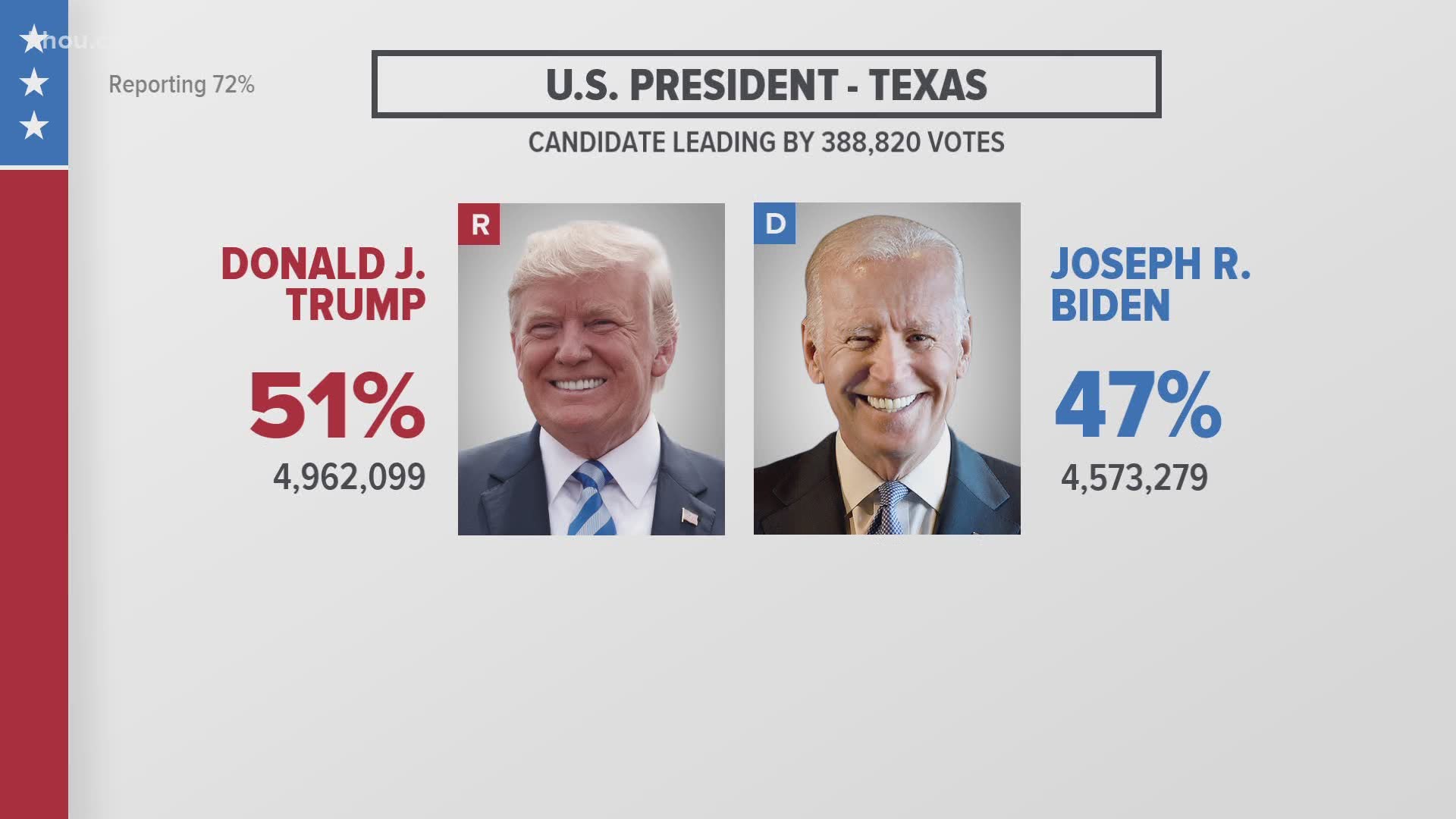
- The Surge of Mail-In Voting: Because of health concerns, states across the country expanded access to mail-in and early voting. This led to a massive increase in participation but also created a "red mirage" and "blue shift" on election night, where early in-person results favored Trump, while late-counted mail-in ballots favored Biden.
- The Debates: The first presidential debate in Cleveland was widely criticized for its lack of decorum and frequent interruptions. The second debate was canceled after President Trump contracted COVID-19 and declined a virtual format. The final debate featured a "mute button" to ensure both candidates could speak uninterrupted.
The General Election: The Battle for the "Blue Wall"
The path to victory in 2020 centered on the "Blue Wall" states—Pennsylvania, Michigan, and Wisconsin—which Trump had narrowly flipped in 2016. The Biden campaign focused heavily on these industrial Midwestern states, appealing to blue-collar workers and suburban voters, particularly women.
Biden’s strategy involved a "Middle Class" appeal, leveraging his roots in Scranton, Pennsylvania. Meanwhile, Trump focused on high-energy rallies in these same states, banking on a "silent majority" to repeat his 2016 upset.
On November 3, 2020, the results were not immediately clear. It took several days of counting to determine that Biden had successfully reclaimed Pennsylvania, Michigan, and Wisconsin. Furthermore, Biden made historic gains in the Sun Belt, becoming the first Democrat to win Georgia since 1992 and Arizona since 1996.
The Aftermath and Historical Significance
The conclusion of the 2020 campaign was marked by unprecedented legal and political challenges. The Trump campaign filed dozens of lawsuits in several states, alleging widespread voter fraud and irregularities. However, these claims were overwhelmingly rejected by state and federal courts, including the U.S. Supreme Court, due to a lack of evidence.
The transition period was famously fraught, culminating in the events of January 6, 2021, at the U.S. Capitol. Despite these challenges, the election results were certified, and Joe Biden was inaugurated as the 46th President of the United States on January 20, 2021.
From the perspective of 2026, the 2020 campaign is viewed as a stress test for American democracy. It demonstrated the resilience of the voting infrastructure—with the Cybersecurity and Infrastructure Security Agency (CISA) calling it "the most secure in American history"—while also revealing deep-seated polarizations that continue to influence the political landscape today.
Frequently Asked Questions
Who won the 2020 presidential election?
Joe Biden won the 2020 presidential election with 306 electoral votes compared to Donald Trump's 232. Biden also won the popular vote by a margin of more than 7 million votes, receiving approximately 81.2 million votes to Trump's 74.2 million.
What were the most important swing states in 2020?
The most critical swing states were Pennsylvania, Michigan, and Wisconsin. Biden’s ability to flip these three states back to the Democratic column was essential to his victory. Additionally, Georgia and Arizona were pivotal "sun belt" states that Biden won, which had previously been Republican strongholds.
How did the COVID-19 pandemic affect the 2020 campaign?
The pandemic led to the cancellation of traditional rallies for the Biden campaign, a shift to virtual conventions, and a massive increase in the use of mail-in ballots. It also made public health and the federal government's pandemic response the primary policy issue of the election.
What were the "red mirage" and "blue shift" phenomena?
The "red mirage" occurred because many Republican voters chose to vote in person on Election Day, meaning early returns often showed Trump leading. The "blue shift" happened as mail-in ballots, which were utilized more heavily by Democratic voters, were counted in the days following the election, eventually tipping the results in favor of Biden in several key states.
Was the 2020 election verified as secure?
Yes. Numerous audits, hand counts, and judicial reviews in swing states verified the accuracy of the results. The U.S. Department of Justice and CISA both stated there was no evidence of widespread fraud that could have changed the outcome of the election.
Recommendations for Further Research
To fully grasp the complexities of the 2020 presidential campaign, it is recommended that students of history and politics consult the following primary sources:
- Official FEC Filings: Review the fundraising and expenditure reports of both the Biden and Trump campaigns to understand the financial scale of the contest.
- Certified State Election Results: Examine the precinct-level data from the Secretaries of State in Georgia, Arizona, and Pennsylvania for insights into shifting voter demographics.
- The 9/11 Commission-style Reports: Analyze the various non-partisan and congressional reports regarding election security and the events leading up to the certification of the vote.
By studying the 2020 campaign, one gains a deeper understanding of the modern American electorate, the influence of digital media on politics, and the enduring importance of institutional stability in the face of national crisis.