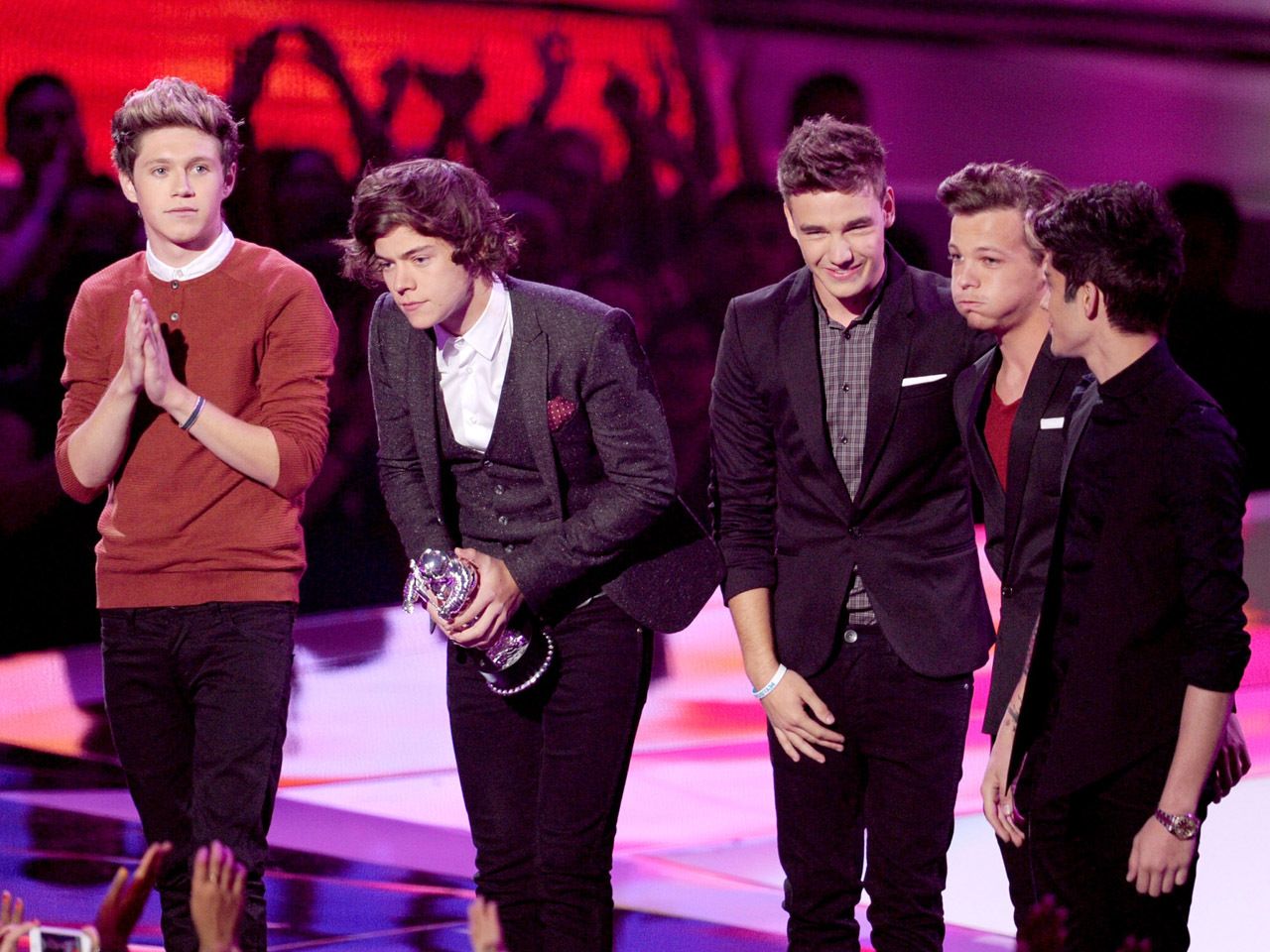
The year 2012 marked a pivotal intersection in the music industry, characterized by the explosive rise of streaming services, the dominance of EDM in mainstream pop, and the commercial peak of digital downloads. This era laid the foundational infrastructure for today’s on-demand listening habits while bidding farewell to traditional physical formats.
The Landscape of 2012 Music Trends
To understand the trajectory of modern audio culture, one must look back at 2012 as a bridge between the physical-digital crossover era and the modern cloud-streaming epoch. This period was defined by rapid technological adaptation, evolving consumer behaviors, and a seismic shift in how tracks were produced, marketed, and consumed. While CDs were still lingering on retail shelves, digital downloads via iTunes were reaching their absolute zenith, and streaming platforms were transitioning from novel Silicon Valley experiments into viable industry alternatives.
Concurrently, the global economic climate influenced a pivot toward live music experiences, festival culture expansion, and targeted pop production. Record labels, having spent the previous decade recovering from the unauthorized-sharing shockwaves of the early 2000s, finally found their footing in monetizing digital assets. Understanding these trends requires exploring the specific technological, economic, and artistic pillars that shaped the sonic landscape of 2012.
Technological Shifts: The Streaming Inflection Point and Digital Dominance
In 2012, the architecture of music consumption underwent a permanent structural change. For years, the industry relied on the transactional purchase model—buying physical albums or downloading individual tracks as MP3s. However, 2012 accelerated the shift toward access-based models over ownership.
The Rise of Cloud and On-Demand Streaming
Spotify, which launched in the United States in mid-2011, gained massive traction throughout 2012, fundamentally altering how listeners curated their daily audio diets. Competitors like Rdio, Pandora, and Last.fm also held significant market share, training users to expect infinite catalogs at their fingertips for a flat monthly fee or ad-supported interruption. This transition forced artists and labels to rethink royalty structures, as per-stream payouts became a heavily debated topic within the creative community.
The Peak of iTunes and Digital Downloads
Despite the growth of streaming, digital downloads remained the primary revenue driver for recorded music. The iTunes Store continued to dominate legal music acquisitions, and owning a digital library was still the cultural norm for tech-savvy consumers. The shift from physical CDs and vinyl to digital files streamlined distribution, allowing independent artists to bypass traditional retail gatekeepers and publish their work globally via aggregators like TuneCore and CD Baby.
Sonic and Aesthetic Shifts: EDM Goes Pop and Indie Goes Mainstream
The mainstream sonic palette of 2012 was unmistakable. Producers and songwriters synthesized club culture with radio-friendly structures, resulting in a distinct era of electronic dance music (EDM) crossover hits.
The EDM Boom and Maximalist Production
Electronic dance music conquered global charts in 2012. Producers like David Guetta, Calvin Harris, Swedish House Mafia, and Avicii transitioned from underground club staples to global pop icons. Tracks featured massive synthesizer drops, high-energy tempos, and heavy compression designed to cut through laptop speakers and car radios alike. This maximalist approach influenced traditional pop, R&D, and hip-hop, blending genres into a homogenized, high-gloss radio format.
The Indie Rock and Alternative Crescendo
Parallel to the EDM phenomenon, indie rock and alternative pop achieved unprecedented mainstream visibility. Bands like fun. ("We Are Young") and Gotye ("Somebody That I Used to Know") dominated the Billboard charts with unconventional arrangements, folk-pop instrumentation, and emotionally vulnerable lyricism. This proved that listeners still craved organic instrumentation and storytelling amidst the wave of synthetic club tracks.
Music Consumption and Format Comparison in 2012
The year 2012 was characterized by a multi-format ecosystem. Consumers navigated a diverse array of physical and digital mediums, each serving distinct market segments.
| Format / Medium | Market Status in 2012 | Primary Consumer Demographic | Key Advantage | Primary Limitation |
|---|---|---|---|---|
| Compact Disc (CD) | Declining rapidly | Older demographics, collectors | High audio fidelity, physical ownership | Bulkiness, lack of portability compared to digital files |
| Digital Downloads (iTunes/Amazon) | Peak dominance | Mainstream consumers, tech-savvy youth | Permanent ownership, offline playback | Costs accrued per individual track or album |
| Streaming Services (Spotify/Rdio) | Emerging growth phase | Digital natives, early adopters | Infinite catalog access, personalized playlists | Ongoing subscription fees, reliance on internet connectivity |
| Vinyl Records | Niche resurgence | Audiophiles, indie music enthusiasts | Warm analog sound, tactile collectible packaging | Higher cost, requires specialized turntable hardware |
Economic Realities and the Live Music Boom
As recorded music revenues continued to fluctuate due to digital piracy and changing monetization models, the live music sector emerged as the primary financial engine for working artists.
Festival Culture Expansion
The year 2012 solidified the modern music festival as a massive economic and cultural institution. Events like Coachella expanded to a two-weekend format to meet surging ticket demand, while Lollapalooza, Ultra Music Festival, and Electric Daisy Carnival (EDC) drew hundreds of thousands of attendees. These festivals served not just as performance venues, but as lifestyle brands where fans experienced music, fashion, and community in real time.
360 Deals and Label Strategies
Major record labels increasingly relied on "360-degree deals," securing a percentage of an artist's non-recording revenue streams—including touring, merchandise, and sponsorships. This business model shift ensured that labels could recoup investments even as album sales declined, cementing a more integrated approach to artist management and career development.
Frequently Asked Questions About 2012 Music Trends
What were the biggest musical genres of 2012?
The dominant genres of 2012 were electronic dance music (EDM), mainstream electropop, hip-hop, and indie-alternative rock. EDM achieved unprecedented crossover success on global radio charts, while indie pop anthems captured widespread cultural attention.
How did people listen to music in 2012?
Listeners used a hybrid of physical and digital formats. While digital downloads via iTunes and MP3 retailers were at their peak, on-demand streaming platforms like Spotify were rapidly gaining traction alongside traditional CDs and a small, passionate resurgence of vinyl records.
Which artists defined the sound of 2012?
Artists such as Calvin Harris, David Guetta, Rihanna, Drake, fun., Gotye, and Carly Rae Jepsen defined the sonic landscape of 2012 through chart-topping singles and influential album releases.
Was vinyl popular in 2012?
Vinyl was in the early stages of its modern renaissance in 2012. While it represented a small fraction of total music sales compared to CDs and digital downloads, sales began a steady upward trajectory driven by collectors and indie music fans.
How did streaming impact the music industry in 2012?
In 2012, streaming began disrupting the traditional ownership model by offering on-demand access to millions of tracks. This forced the industry to adapt its licensing, royalty distribution, and marketing strategies to accommodate cloud-based consumption.
Conclusion and Historical Legacy
Looking back from 2026, the music trends of 2012 represent a crucial turning point in audio history. It was a year that successfully married the traditional transactional album model with the emerging infrastructure of cloud streaming, while giving global audiences an unforgettable soundtrack of high-energy electronic production and poignant indie anthems. Recognizing the shifts of 2012 provides vital context for how today's digital audio ecosystem operates, proving that adaptation and technological innovation remain the only constants in the modern music business.