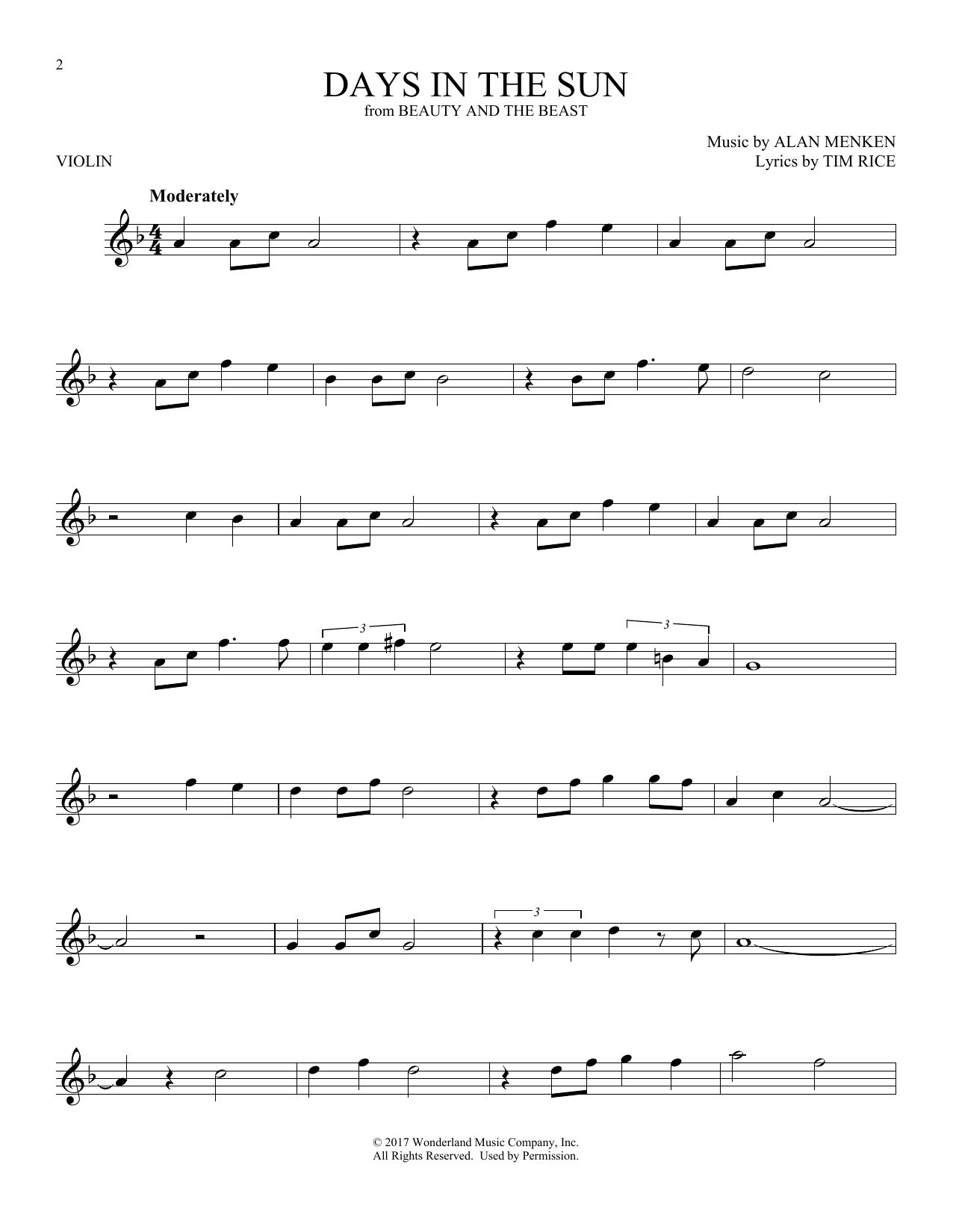
Alan Menken stands as one of the most decorated and influential composers in the history of modern musical theater and film animation. Renowned for shaping the sonic landscape of Disney's Renaissance era, his melodic ingenuity has earned him multiple Academy Awards, Grammys, and a coveted place among EGOT winners. Beyond his famous animated movie soundtracks, Menken’s expansive career spans Broadway shows, television projects, and lesser-known collaborative milestones that define his enduring legacy in the entertainment industry.
1. A Rare Member of the Elite EGOT Club
Achieving an EGOT—winning an Emmy, Grammy, Oscar, and Tony Award—represents one of the most elusive milestones in the entertainment industry. Alan Menken secured his status as an EGOT winner through a lifetime of prolific composition across stage and screen.
His journey to this elite circle began with his groundbreaking work for Walt Disney Pictures during the late 1980s and 1990s, where he collected numerous Academy Awards for both Best Original Score and Best Original Song. He later accumulated Grammy Awards for his cinematic recordings, earned a Daytime Emmy Award for his work in children's television programming, and completed the grand slam by winning a Tony Award for his contributions to musical theater. This rare distinction highlights Menken’s exceptional versatility, proving his ability to craft timeless music that resonates equally on the silver screen and before live theater audiences.
2. The Creative Partnership with Howard Ashman
The defining chapter of Alan Menken’s career is inextricably linked to his profoundly fruitful collaboration with lyricist Howard Ashman. Together, this creative duo breathed new life into the American animated musical, transforming feature-length cartoons into sophisticated, Broadway-style theatrical events.
Their partnership began off-Broadway with the sleeper hit Little Shop of Horrors (1982), which showcased their shared affinity for pastiche, character-driven storytelling, and catchy, narrative-propelling melodies. When Ashman brought Menken into the fold at Walt Disney Animation Studios, the pair revolutionized projects like The Little Mermaid (1989) and Beauty and the Beast (1991). Ashman’s incisive, witty, and emotionally resonant lyrics paired seamlessly with Menken’s sweeping, genre-blending compositions. Tragically, Ashman passed away from complications related to AIDS during the production of Aladdin (1992), but his creative ethos continues to guide Menken’s approach to storytelling through song.
3. Training in Musicology and Classical Composition
Before writing infectious earworms for animated princesses and singing sea creatures, Alan Menken pursued a rigorous classical education. Born in New York City in 1949, he grew up with a deep appreciation for music, eventually attending New York University (NYU), where he graduated with a degree in musicology.
Rather than diving straight into commercial pop or theater production, Menken spent his early years writing jingles, exploring classical composition, and working as a musical director and accompanist for local theater workshops. This formal academic background heavily influences his structural approach to songwriting. Menken’s scores frequently utilize complex leitmotifs, counterpoint, and classical harmonic progressions disguised beneath accessible, pop-friendly melodies. This technical foundation allows his animated and theatrical works to hold up to intense analytical scrutiny by musicologists while remaining instantly memorable to casual listeners.
4. Setting Records at the Academy Awards
Alan Menken holds a historic place in the annals of the Academy Awards, having won eight competitive Oscars out of nineteen nominations. For a period spanning the late 1980s and throughout the 1990s, Menken dominated the Best Original Score and Best Original Song categories with unprecedented frequency.
He won two Oscars each for The Little Mermaid (1989), Beauty and the Beast (1991), Aladdin (1992), and Pocahontas (1995). His tally of eight competitive wins places him among the most-awarded individuals in Academy history, a feat typically reserved for legendary Hollywood golden age composers like Alfred Newman and John Williams. These accolades cemented his reputation as the primary sonic architect of the Disney Renaissance, an era that rescued the animation studio from creative stagnation and restored musicals to the forefront of popular culture.
| Film Project | Release Year | Academy Award Nominations | Academy Award Wins | Key Winning Songs / Scores |
|---|---|---|---|---|
| The Little Mermaid | 1989 | 3 | 2 | "Under the Sea", Best Original Score |
| Beauty and the Beast | 1991 | 6 | 2 | "Beauty and the Beast", Best Original Score |
| Aladdin | 1992 | 5 | 2 | "A Whole New World", Best Original Score |
| Pocahontas | 1995 | 4 | 2 | "Colors of the Wind", Best Original Score |
5. Transitioning Animation to Broadway Structure
One of Menken’s most significant contributions to cinema is his structural reinvention of the animated musical. Before Menken and Ashman revolutionized the medium, animated features often treated songs as incidental numbers or background montages that did not necessarily advance the character arcs.
Menken applied the strict narrative architecture of traditional Broadway book musicals to animated films. In a Menken-scored picture, songs function as "I Want" numbers, character introductions, and emotional turning points that drive the plot forward. When characters sing, their internal motivations shift, and the physical world around them reacts. This theatrical discipline made films like Beauty and the Beast and The Little Mermaid prime candidates for seamless adaptation into live-stage productions years later, creating a profitable cross-media pipeline for the Walt Disney Company.
6. Expanding the Catalog Beyond Disney
While Menken is universally celebrated for his Disney catalog, his professional portfolio extends far beyond the realm of animated fairy tales. He has composed music for numerous live-action feature films, television specials, and theatrical productions that tackle diverse subject matter and adult themes.
His non-Disney credits include the cult classic film adaptation of Little Shop of Horrors (1986), the live-action musical film Newsies (1992), the science-fiction musical The Little Shop of Horrors predecessor works, and contemporary stage shows such as Sister Act: The Musical, Leap of Faith, A Bronx Tale, and Galavant, a medieval musical comedy television series. These diverse projects demonstrate that Menken’s compositional range is not tethered exclusively to children's entertainment, but rather encompasses a broad spectrum of comedic, dramatic, and satirical storytelling.
7. Collaborating Across Generations of Lyricists
Following the tragic passing of Howard Ashman, Alan Menken demonstrated remarkable adaptability by forging successful creative partnerships with several of the industry's finest lyricists. These subsequent collaborations ensured that the quality and cultural impact of his scores remained consistently high.
Menken teamed up with legendary lyricist Tim Rice to complete the score for Aladdin, producing the global smash hit "A Whole New World." He subsequently collaborated with Stephen Schwartz on Pocahontas and The Hunchback of Notre Dame, bringing a dramatic, choral weight to those historical and literary adaptations. Later partnerships included working with David Zippel on Hercules, Glenn Slater on Tangled and Galavant, and Jack Feldman on Newsies. Each lyricist brought a distinct poetic voice, yet Menken’s melodic sensibilities provided a consistent, unifying thread across decades of cinematic history.
8. Overcoming Early Career Struggles in New York
Like many aspiring artists in New York City, Alan Menken endured a lengthy period of struggle before achieving mainstream commercial success. Throughout the 1970s, he worked odd jobs, played piano in ballet classes, wrote advertising jingles, and performed in local singer-songwriter venues while trying to break into the professional theater scene.
During these formative years, Menken collaborated with various playwrights and lyricists on experimental off-off-Broadway shows that often played to empty houses or closed after a single weekend. These early hardships forged his professional resilience and work ethic. When he finally crossed paths with Howard Ashman at the BMI Lehman Engel Musical Theatre Workshop in the late 1970s, Menken possessed a vast reservoir of unproduced material and theatrical experience, positioning him to capitalize immediately when the opportunity for major commercial exposure arose.
9. The Timeless Appeal of His Melodic Craftsmanship
Menken’s music possesses a rare, enduring quality that transcends the specific eras in which the films and shows were produced. Music critics often attribute this timelessness to his mastery of traditional American popular song forms combined with European classical harmony.
Rather than chasing fleeting pop music trends of the 1980s, 1990s, or 2000s, Menken drew heavy inspiration from the Great American Songbook—composers like George Gershwin, Richard Rodgers, and Cole Porter. This stylistic choice ensures that his melodies rely on strong, singable intervals and sophisticated chord changes rather than electronic production gimmicks. Consequently, songs penned decades ago continue to feel fresh, emotionally potent, and instantly accessible to successive generations of children and adults alike.
10. Ongoing Legacy and Contemporary Contributions
Entering the mid-2020s, Alan Menken remains an active and influential figure in the global entertainment landscape. Rather than resting on his historical laurels, he continues to adapt his classic catalog for modern live-action film remakes while developing entirely new theatrical projects.
Recent years have seen Menken return to the studio to update and expand the soundtracks for live-action adaptations of Disney classics, including Beauty and the Beast (2017), Aladdin (2019), and The Little Mermaid (2023), where he collaborated with modern pop icons like Lin-Manuel Miranda. By bridging the gap between his iconic 1990s output and contemporary cinematic sensibilities, Menken ensures that his musical legacy continues to evolve, inspiring new waves of composers, musicians, and theater lovers around the world.
Frequently Asked Questions
How many Academy Awards has Alan Menken won?
Alan Menken has won eight competitive Academy Awards out of nineteen nominations. He secured these wins across four animated features during the peak of the Disney Renaissance: The Little Mermaid, Beauty and the Beast, Aladdin, and Pocahontas.
Is Alan Menken an EGOT winner?
Yes, Alan Menken is an official EGOT winner. He has earned Emmy, Grammy, Oscar, and Tony Awards over the course of his illustrious career, placing him in an elite group of artists who have conquered all four major American entertainment awards.
Who was Alan Menken's most famous collaborator?
Menken's most famous and influential collaborator was lyricist Howard Ashman. Together, they revolutionized the animated musical with films like Little Shop of Horrors, The Little Mermaid, Beauty and the Beast, and Aladdin before Ashman's untimely death in 1991.
What is Alan Menken's educational background?
Alan Menken graduated from New York University (NYU) with a degree in musicology. His formal training in classical music and music history heavily influences the complex harmonic structures and leitmotifs found within his popular scores.
Does Alan Menken write music outside of Disney films?
Yes, Menken has composed extensively outside of Walt Disney Animation Studios. His credits include live-action stage musicals such as Sister Act and A Bronx Tale, cult classic films like Little Shop of Horrors, and television projects like the musical comedy series Galavant.