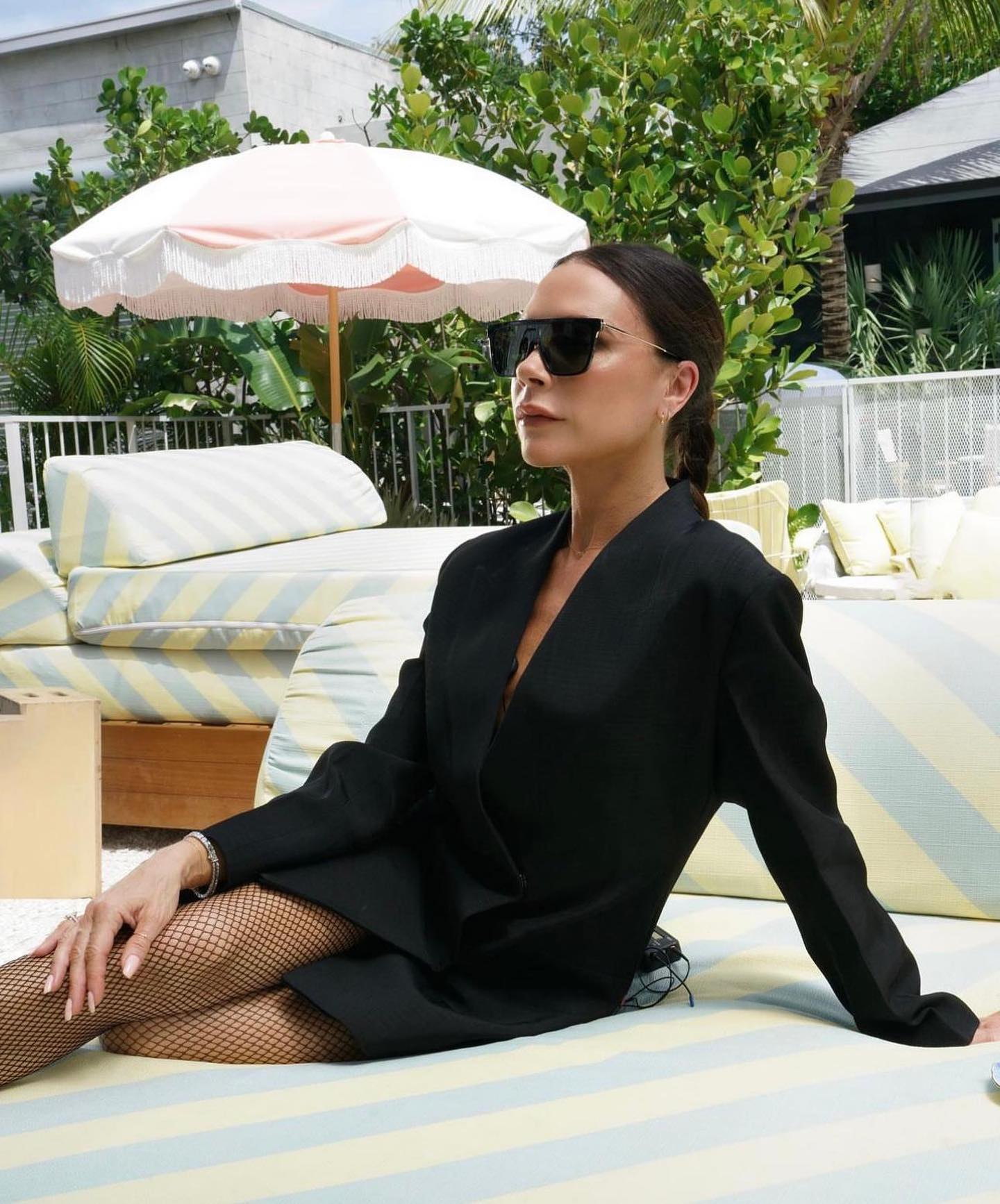
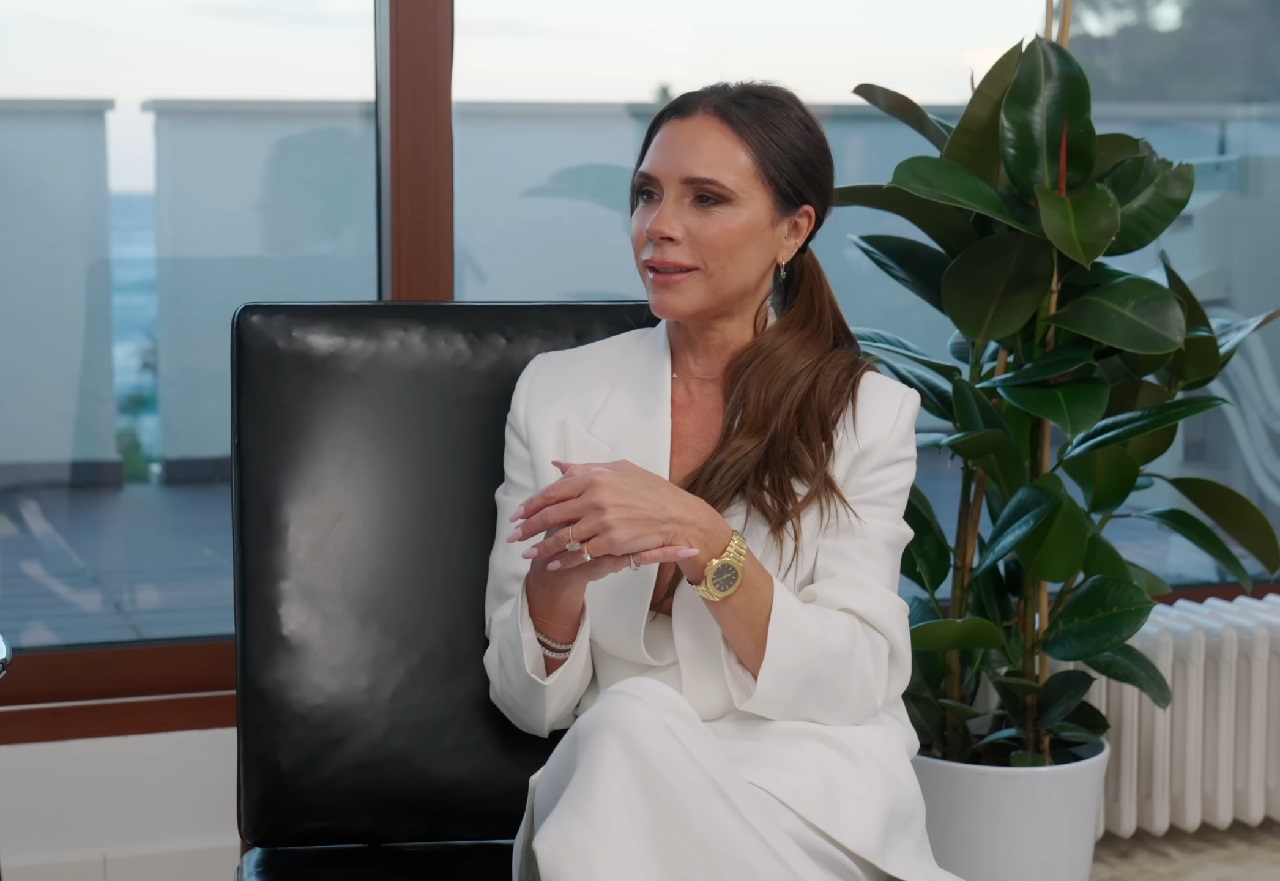
Victoria Beckham’s net worth reflects her successful transition from a globally recognized pop icon in the Spice Girls to a respected luxury fashion entrepreneur and beauty mogul. Her comprehensive business empire, spanning high-end ready-to-wear fashion, international cosmetics, and lucrative licensing partnerships, places her at the forefront of celebrity-led business ventures. Evaluating her brand value requires looking closely at how her corporate footprint has matured, transformed, and achieved commercial stability in the modern luxury market.
The Evolution from Pop Star to Fashion Tycoon
The trajectory of Victoria Beckham’s professional life is a textbook study in modern personal branding. Rising to international fame in the mid-1990s as "Posh Spice," she accumulated significant wealth and media visibility during the peak years of the Spice Girls. However, unlike many musicians who leverage their fame into transient merchandising deals, Beckham systematically shifted her focus toward the rigorous worlds of luxury design and high-end retail.
In 2008, she launched her eponymous fashion label, initially starting as a tightly edited collection of luxury dresses. Industry critics initially treated the venture with skepticism, questioning whether a celebrity could transition into a serious designer. Beckham systematically answered those doubts by prioritizing exceptional tailoring, high-grade Italian manufacturing, and a sophisticated aesthetic that resonated with discerning buyers. Over subsequent years, the brand expanded from dresses into full ready-to-wear collections, accessories, and eyewear, establishing a permanent footing in the global fashion calendar with regular presentations during London and Paris Fashion Weeks.
Corporate Structure and Financial Restructuring
Building a luxury fashion house requires immense capital investment, and for a long time, Victoria Beckham's business operations experienced well-documented financial growing pains. In its early expansion phase, Victoria Beckham Ltd (VBL) operated at a loss as the company invested heavily in infrastructure, supply chain logistics, high-end retail spaces, and international talent acquisition.
To support this ambitious growth, Victoria and David Beckham’s parent company, Beckham Brand Holdings (BBH)—which also manages David Beckham’s commercial ventures, licensing, and global image rights—frequently injected capital into the fashion business. Over time, the corporate strategy pivoted from aggressive expansion to financial rationalization. This involved streamlining production costs, optimizing digital e-commerce channels, adjusting price points to better capture contemporary luxury markets, and closing underperforming physical locations.
The turning point for the brand’s valuation arrived with structural modernization and the introduction of a high-margin beauty division. By tightening operational expenditures and focusing intensely on direct-to-consumer digital sales alongside key wholesale partnerships, the enterprise successfully narrowed its operational deficits and positioned itself for long-term commercial viability.
The Catalyst: Victoria Beckham Beauty
A major driver behind the contemporary surge in Victoria Beckham’s brand value and overall net worth is the introduction of Victoria Beckham Beauty. Launched in 2019 in partnership with beauty industry veteran Sarah Creal, the clean luxury beauty and skincare brand proved to be an immediate commercial success.
The beauty sector operates on higher profit margins compared to traditional luxury ready-to-wear apparel, making it an ideal diversification strategy for celebrity-led fashion houses. Victoria Beckham Beauty capitalized on clean-ingredient formulations, sophisticated packaging, and high-performance cosmetics, leveraging Beckham's personal beauty routines and daily tutorials on social media platforms as authentic marketing channels.
- Skincare Collaborations: Strategic partnerships with global dermatological and scientific experts, such as Professor Augustinus Bader, led to co-developed products like the Cell Rejuvenating Priming Moisturizer. These high-profile formulations drove massive consumer demand and elevated the brand’s scientific credibility in the luxury skincare market.
- Color Cosmetics: High-performing staples, including signature eyeliners, lip definitives, and eyeshadow bricks, quickly developed cult status among beauty enthusiasts, generating steady recurring revenue streams.
- Global Reach: By prioritizing a digital-first global distribution model, the beauty brand bypassed many of the expensive brick-and-mortar overhead costs that historically weighed down the ready-to-wear apparel division.
Valuation of the Combined Beckham Brand Holdings
Assessing Victoria Beckham’s individual net worth requires examining the consolidated assets of Beckham Brand Holdings, which manages the shared commercial interests of both Victoria and David Beckham. David Beckham’s post-football career—marked by lucrative long-term endorsement portfolios with brands like Adidas, Tudor, and Maserati, alongside his ownership stake in Major League Soccer franchise Inter Miami CF—contributes significantly to the household's total wealth.
However, financial disclosures for Victoria Beckham Holdings Ltd reveal that her independent contributions to the corporate group have steadily strengthened. The brand value encompasses several distinct revenue streams:
| Revenue Stream | Description | Market Impact |
|---|---|---|
| Ready-to-Wear Fashion | High-end apparel, tailoring, and evening wear presented globally. | Establishes luxury pedigree, high media visibility, and elite positioning. |
| Accessories & Eyewear | Luxury leather goods, handbags, and optical frames. | High-margin product categories that drive steady retail revenue. |
| Victoria Beckham Beauty | Clean cosmetics, skincare items, and collaborative treatments. | Rapidly growing sector providing high profit margins and global scale. |
| Global Licensing & Media | Brand collaborations, perfumes, and strategic partnerships. | Consistent passive income streams capitalizing on global recognition. |
Comparative Overview of Celebrity Fashion Enterprises
To understand where Victoria Beckham stands in the broader landscape of celebrity-turned-entrepreneurs, it is useful to compare the operational approach of Victoria Beckham Ltd with other high-profile luxury beauty and apparel brands.
- Celebrity Persona
- Ready-to-Wear Apparel -> High Prestige / Moderate Margins
- Luxury Beauty Division -> High Volume / High Margins
While many celebrity brands rely purely on licensing their names to third-party manufacturers for a royalty percentage, Victoria Beckham maintained equity ownership and active creative control. This hands-on involvement increases financial exposure during downturns but yields substantially higher enterprise value and long-term brand equity when the business achieves profitability. Her ability to pivot the brand toward accessible luxury price points without diluting its high-fashion credibility remains a central pillar of her commercial success.
Common Misconceptions Regarding Celebrity Net Worth
Public estimations of celebrity net worth often conflate gross revenue with liquid cash or confuse individual enterprise valuations with personal bank accounts. When financial analysts estimate Victoria Beckham's wealth, they evaluate a combination of real estate holdings, private company equity valuations, historical music royalties, and long-term joint commercial ventures.
- Revenue Versus Profit: High-profile fashion houses generate millions in global sales, but high manufacturing, logistics, and retail overheads mean that top-line revenue does not equal direct personal income.
- Shared Holdings: Because much of the couple's business empire is structured under parent entities like Beckham Brand Holdings, individual net worth figures frequently pool shared investments, commercial partnerships, and joint property portfolios.
- Valuation Multiples: Private luxury companies are valued based on future earnings potential, brand equity, and intellectual property rights rather than physical assets alone.
Frequently Asked Questions
What is the primary source of Victoria Beckham’s business revenue?
Victoria Beckham's revenue is split between her luxury fashion label—which encompasses ready-to-wear apparel, accessories, and eyewear—and her highly successful clean beauty division, Victoria Beckham Beauty. While the fashion line established her luxury credentials, the beauty sector drives significant profit margins and global scale.
How did Victoria Beckham transition from music to fashion?
She retired from professional music in the 2000s and methodically studied the luxury fashion industry, launching her eponymous label in 2008 with a collection of dresses. By prioritizing superior Italian craftsmanship and high-end tailoring, she transitioned from a pop culture celebrity into a respected, permanent fixture on the international fashion calendar.
Is Victoria Beckham’s fashion brand profitable?
After years of early-stage financial investment and operational losses typical of expanding luxury houses, restructuring efforts, reduced operational costs, and the successful launch of Victoria Beckham Beauty significantly improved the company's financial health, steering the business toward commercial stability.
What is Beckham Brand Holdings?
Beckham Brand Holdings is the corporate umbrella entity that manages the business interests, global image rights, and commercial partnerships of both Victoria and David Beckham, encompassing ventures in fashion, sport, beauty, and international licensing.
How does Victoria Beckham Beauty differ from her fashion line?
Victoria Beckham Beauty focuses on clean cosmetics, skincare, and collaborative formulations sold primarily through direct-to-consumer digital channels and select high-end retailers, offering higher profit margins and wider consumer accessibility than high-end ready-to-wear apparel.
Practical Next Actions and Industry Outlook
For business analysts, aspiring entrepreneurs, and fashion enthusiasts tracking luxury market trends, Victoria Beckham’s career offers clear lessons in brand longevity. The key takeaway is the importance of diversification: relying solely on high-end ready-to-wear apparel is rarely sufficient for modern luxury brands without high-margin complementary categories like cosmetics and accessories. Observers tracking her ongoing commercial footprint should monitor the continued global expansion of her beauty portfolio and the strategic deployment of digital retail innovations across international markets.