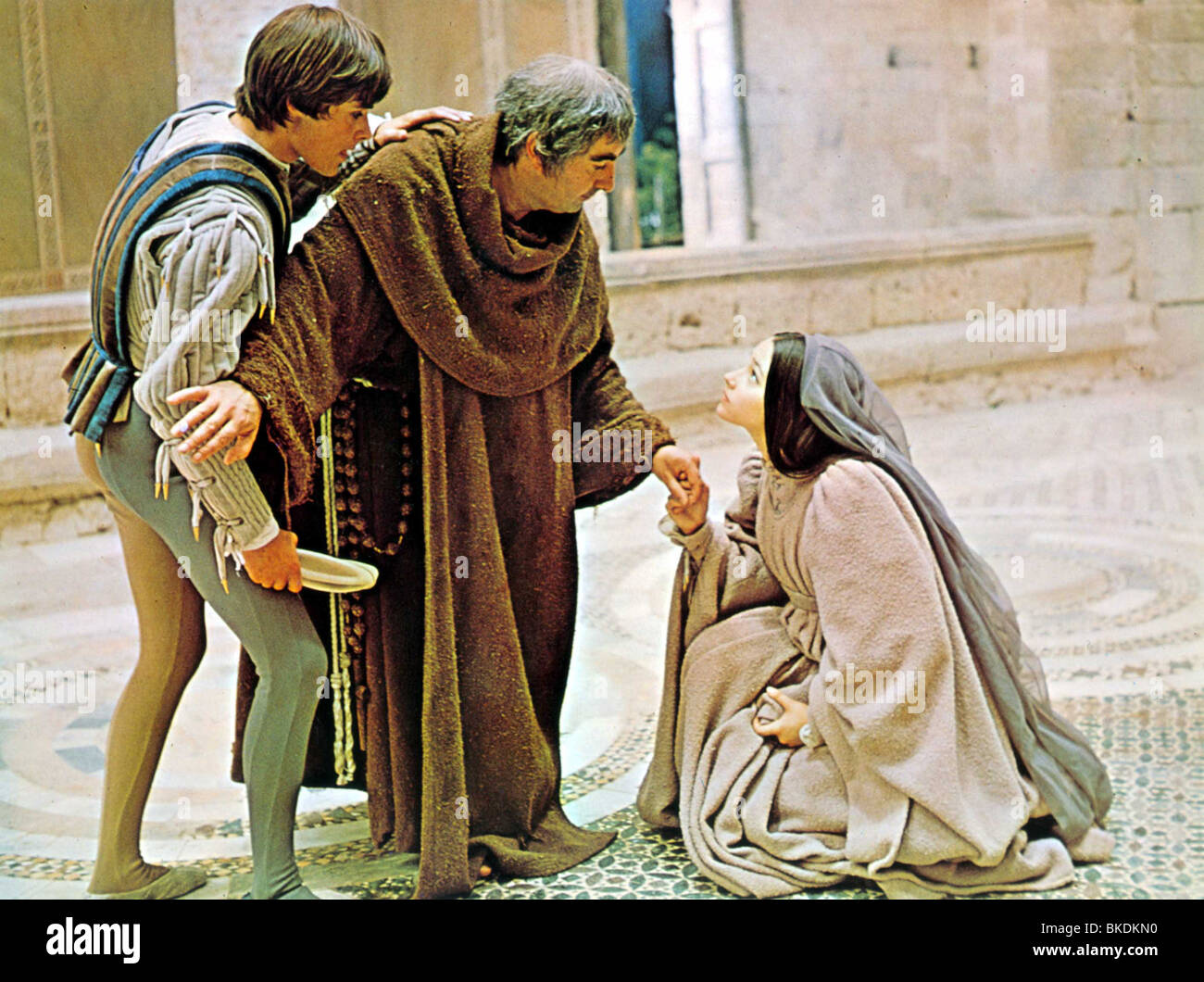
In William Shakespeare's tragedy Romeo and Juliet, the secret marriage ceremony takes place offstage at the cell of Friar Laurence, located within a monastery in Verona. While the exact physical street or architectural structure is not explicitly named in the text, historical Verona traditions, Renaissance ecclesiastical customs, and the play's dramatic structure provide a precise literary and spatial context for the event.
Literary and Dramatic Context of the Marriage
Understanding where Romeo and Juliet get married requires a close examination of Act 2, Scene 6 of Shakespeare’s play. Unlike major public spectacles in the drama—such as the street brawls between the Capulets and Montagues or the eventual reconciliation at the tomb—the matrimonial union is designed as an intimate, clandestine affair.
The ceremony is performed by Friar Laurence in his cell. In Renaissance ecclesiastical terms, a "cell" (cella) typically refers to a small private room or humble dwelling attached to a monastery or friary, where a religious scholar or priest would study, pray, and counsel parishioners. Friar Laurence belongs to the Order of Friars Minor (Franciscans), making his cell part of a Franciscan monastery.
This setting is not merely a backdrop; it is a critical narrative device. By moving the wedding offstage and into a secluded monastic cell, Shakespeare emphasizes the secrecy, haste, and precarious nature of the union. The lovers are defying their feuding families, and the holy space acts as a temporary sanctuary from the violent civic strife of Verona.
Textual Evidence and Geographical Clues in the Play
While Shakespeare never provides a modern street address, the text offers several geographical and spatial clues regarding the location of Friar Laurence's cell:
- Proximity to Verona: The cell is close enough for Romeo to flee from the Capulet orchard after the balcony scene (Act 2, Scene 1–2) and arrive before dawn to request the marriage (Act 2, Scene 3).
- Access to Church Authority: It is situated within or adjacent to a functioning religious house where Friar Laurence has access to an altar, holy water, and marriage registers (or the ecclesiastical authority to solemnize vows).
- Isolation from Civil Authorities: The cell provides privacy away from the prying eyes of the Capulet household, Prince Escalus, and the city watchmen.
In Act 2, Scene 3, Romeo approaches the Friar while he is gathering herbs, establishing that the cell is likely surrounded by a garden or natural apothecary grounds. This detail later serves a dual purpose, as the Friar’s knowledge of plants and herbal distillations becomes central to the plot when he provides Juliet with the synthetic death potion in Act 4.
The Verona Tradition: The Crypt of San Francesco al Corso
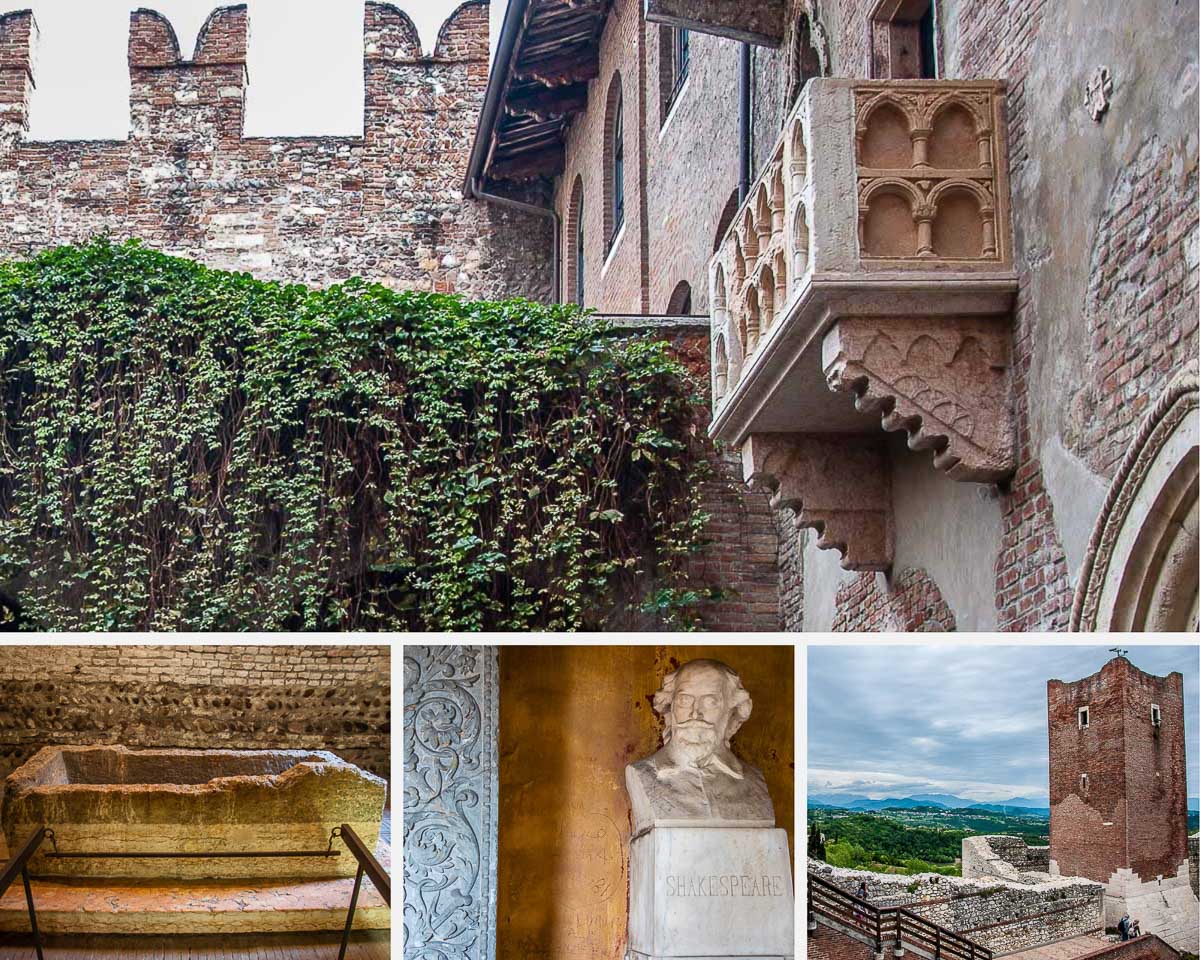
For centuries, travelers and literary tourists seeking the exact physical location of the marriage have looked to Verona, Italy. According to local tradition popularized in the 19th century and heavily promoted by tourism initiatives, the marriage—and later, Juliet's supposed tomb—took place at the former Franciscan monastery of San Francesco al Corso.
| Location Aspect | Literary Reality (Shakespeare's Text) | Veronese Tourism Tradition |
|---|---|---|
| Setting Type | A generic monastic cell within a friary | The 13th-century monastery of San Francesco al Corso |
| Exact Address | Unspecified by Shakespeare (fictionalized Verona) | Via Luigi da Porto, Verona, Italy |
| Verifiability | Product of Elizabethan drama and Italian source novellas | Historical monastery housing a red marble sarcophagus |
| Primary Function | Secret wedding venue and herbalist workshop | Cultural heritage site and museum dedicated to the myth |
The association with San Francesco al Corso stems from Italian Renaissance novellas that predated Shakespeare, most notably Luigi da Porto’s 1530 work Historia novamente ritrovata di due nobili amanti, which established many of the core elements of the Romeo and Juliet legend. In Verona today, the cloister of San Francesco al Corso is widely marketed as the site of their clandestine wedding and tomb, drawing millions of visitors who conflate historical Verona with Shakespeare's dramatic landscape.
Historical and Ecclesiastical Rules of Marriage in Renaissance Italy
To fully appreciate the context of the marriage location, one must examine the legal and religious framework of 14th-century Italy (the historical setting of the play) and late 16th-century England (when Shakespeare wrote it).
During the Middle Ages and the Renaissance, marriage was primarily governed by canon law. While the Council of Trent (1545–1563) later decreed that marriages must be performed publicly before a parish priest and witnesses to be considered valid, clandestine marriages (matrimonia clandestina)—those performed privately by a priest without public banns—were a frequent source of social anxiety and dramatic tension in Elizabethan drama.
- Clandestine Status: Friar Laurence agrees to marry the couple in secret because he believes the union might bridge the fatal enmity between the two households ("For this alliance may so happy prove, to turn your households' rancour to pure love").
- Witness Requirements: Even in a private cell, Catholic canon law required witnesses. While the text does not explicitly name attendants at the altar, the speed of the arrangement underscores the suspension of normal social protocols.
- Ecclesiastical Jurisdiction: By performing the ceremony inside his cell, Friar Laurence operates within the legal immunity and sanctuary traditionally granted to religious orders, keeping the event shielded from secular authorities.
The Evolution of the Myth: From Matteo Bandello to Modern Tourism
Shakespeare did not invent the story of Romeo and Juliet; he adapted it from Arthur Brooke’s 1562 narrative poem The Tragical History of Romeus and Juliet, which in turn was based on French and Italian translations of Matteo Bandello's novellas.
In these source materials, the location of the marriage cell is consistently tied to a Franciscan friary. The Franciscans (i frati minori) held a specific cultural role in medieval Italy as trusted confessors, peacemakers, and intermediaries in family feuds. Placing the wedding in a Franciscan cell is therefore historically accurate to the social structures of 14th-century Verona, even if Shakespeare's Verona is largely an idealized, imaginative construct of Elizabethan London.
Today, visitors to Verona can explore locations such as the Casa di Giulietta (Juliet's House) and the Tomba di Giulietta at the former Capuchin monastery (San Francesco al Corso). While historians confirm that these sites have no authentic connection to historical figures named Romeo Montague and Juliet Capulet, they remain enduring monuments to the global cultural impact of Shakespeare's masterpiece.
Frequently Asked Questions
Where do Romeo and Juliet get married in the play?
They get married offstage in the private cell of Friar Laurence, located within a Franciscan monastery in Verona. Shakespeare does not provide a specific street name or architectural address in the text.
Is the marriage of Romeo and Juliet legally valid in the story?
Yes. Within the context of Renaissance canon law and the play's fictional universe, a marriage solemnized by an ordained priest (Friar Laurence) is spiritually and legally binding, despite being performed in secret without parental consent or public banns.
Can tourists visit the exact wedding location in Verona?
There is no historically verifiable physical location where the fictional characters married. However, Verona tourism boards designate the former monastery of San Francesco al Corso as the traditional site associated with the legend, housing a museum and a red marble tomb.
Why did Friar Laurence agree to marry them in secret?
Friar Laurence agreed to perform the clandestine ceremony primarily because he hoped that uniting the children of the warring Capulet and Montague families would permanently end their bloody generational feud.
Did Shakespeare ever visit Verona to write the play?
There is no historical evidence that William Shakespeare ever traveled to Italy. His geographical details of Verona were drawn entirely from Italian novellas, poems, and contemporary English travel writing.
Practical Next Steps for Researchers and Travelers
If you are studying the text for academic purposes, focus your analysis on Act 2, Scene 6, examining how the themes of secrecy and haste foreshadow the tragedy's climax. If you are planning a literary trip to Verona, prioritize visiting the historical civic museums and cultural archives that preserve the Renaissance print editions and folklore surrounding the Verona legend.