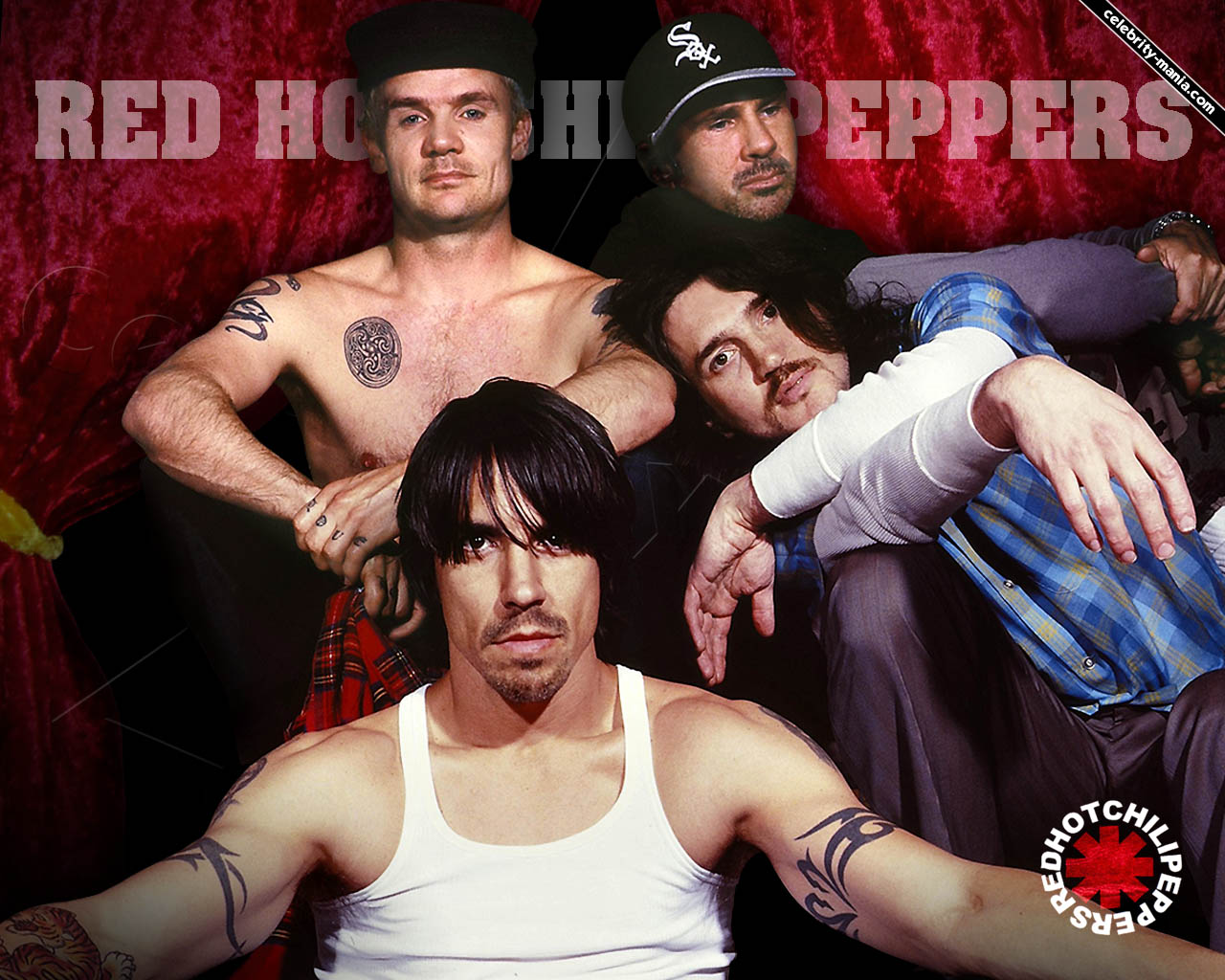
"Scar Tissue," released as the lead single from the Red Hot Chili Peppers' 1999 multi-platinum album Californication, serves as a meditative reflection on lead singer Anthony Kiedis’s history with addiction, recovery, and his complex relationship with the city of Los Angeles. The song marks a pivotal stylistic transition for the band, blending melancholic, introspective lyrical themes with a stripped-back, melodic guitar aesthetic that defined the group's later sound.
The Genesis of Californication and Scar Tissue
To understand the significance of "Scar Tissue," one must consider the status of the Red Hot Chili Peppers in the late 1990s. Following the commercial disappointment and internal friction surrounding their 1995 album One Hot Minute, the band was at a crossroads. The return of guitarist John Frusciante, who had previously left the band due to drug addiction, revitalized the group’s creative synergy.
Californication was the product of this reunion. It signaled a move away from the aggressive funk-metal that characterized their 1980s and early 1990s output toward a more structured, emotive rock sound. "Scar Tissue" was the sonic manifesto of this era. It was recorded under the production of Rick Rubin, who encouraged the band to focus on melody and space rather than the frenetic energy of their past work. The song’s signature slide guitar melody, played by Frusciante, became the backbone of the track, lending it a desert-hued, melancholic atmosphere that perfectly complemented Kiedis’s vocal delivery.
Decoding the Lyrics: Pain and Redemption
The lyrics of "Scar Tissue" are deeply personal, functioning as a narrative of self-awareness. When Kiedis sings, "Scar tissue that I wish you saw / Sarcastic mister know-it-all," he is addressing the physical and psychological toll of his past drug use. The term "scar tissue" serves as a metaphor for the permanent marks left on his life—both literal scars from needle use and the metaphorical damage caused by years of substance abuse and the transient nature of fame in Hollywood.
The verses transition between memories of his past self and a weary acceptance of his current reality. The lines, "With the birds I share this lonely view," reflect a sense of detachment, often interpreted as the isolation experienced by those recovering from addiction. The "lonely view" is simultaneously the literal view from his home in the Hollywood Hills and the metaphorical distance he feels from his former life of chaos.
Furthermore, the recurring refrain regarding the "blood loss" and "scar tissue" suggests that while the healing process is ongoing, the wounds never fully disappear. They are part of the landscape of his identity. It is a song about moving forward while carrying the weight of history—a theme that resonated with millions of listeners, propelling the song to reach number one on the Billboard Modern Rock Tracks chart, where it remained for 16 consecutive weeks.
Musical Composition and Technical Elements
From a musical standpoint, "Scar Tissue" is a masterclass in minimalism. John Frusciante’s contribution to the track is widely cited by music critics as one of his most effective performances. The slide guitar work is not flashy; instead, it provides a slow-burning, emotive texture that drives the song’s rhythm.
The instrumentation is remarkably clean. By 1999 standards, the production was crisp, emphasizing the separation between the bass line played by Flea and the percussion by Chad Smith. Flea, known for his slap-bass pyrotechnics, takes a restrained approach here, utilizing melodic, steady bass notes that underpin the harmonic structure rather than dominating it. This restraint allows Kiedis’s vocals—which are more sung than his traditional rapid-fire rap-style delivery—to sit prominently in the mix.
Production and Technical Overview
| Feature | Description |
|---|---|
| Album | Californication |
| Release Date | June 1999 |
| Producer | Rick Rubin |
| Label | Warner Bros. Records |
| Key Signature | F Major |
| Tempo | Approx. 89 BPM |
| Notable Feature | Pentatonic-based slide guitar melody |
The Music Video: A Visual Companion
The music video for "Scar Tissue," directed by Stéphane Sednaoui, is as iconic as the song itself. Filmed in a single continuous tracking shot, it features the band members driving in a beat-up 1967 Pontiac Catalina convertible through a barren, desert landscape.
The imagery is deliberate. The band members look battered—Kiedis wears a bandage over his eye, and the others exhibit various bruises and signs of wear. This visual representation directly mirrors the song's title; they appear as survivors of a long, arduous journey. The car itself, falling apart as they drive, serves as an allegory for the band's own tumultuous history. The video helped solidify the "Californication" aesthetic: a mixture of gritty reality, sun-drenched Southern California landscapes, and a sense of existential melancholy.
Cultural Impact and Legacy
"Scar Tissue" won the Grammy Award for Best Rock Song in 2000, cementing the Red Hot Chili Peppers' transition from alternative rockers to mainstream icons. Beyond its awards, the song’s legacy is rooted in its relatability. It captures a universal sentiment: the realization that the past cannot be erased, only integrated into one's future.
For many, "Scar Tissue" became an anthem for recovery. It avoided the tropes of preachy "anti-drug" songs, opting instead for a vulnerable account of someone who has been through the fire and is now merely observing the aftermath. Its influence can be heard in the work of numerous bands that emerged in the 2000s, who took the Chili Peppers' blueprint of blending pop-sensible melody with introspective, emotionally heavy lyrics.
Frequently Asked Questions
What is the primary meaning behind the lyrics of "Scar Tissue"?
The lyrics serve as an autobiographical account of Anthony Kiedis’s struggles with drug addiction and his attempt to find a sense of peace in adulthood. The "scar tissue" refers to the physical and emotional residue of his past, which he must acknowledge and live with rather than hide or pretend does not exist.
Why is the guitar work in "Scar Tissue" considered so significant?
John Frusciante’s work on this track is celebrated for its restraint and melodic focus. Rather than focusing on high-speed virtuosity, Frusciante utilized a slide guitar to create a haunting, vocal-like quality that sets the song’s mood. It proved that he had matured as a musician, prioritizing the "feel" of the song over technical complexity.
How did the band's internal dynamics affect the recording of the song?
The recording took place after John Frusciante’s return to the band. His presence brought a newfound sense of cohesion and creative focus that had been lacking during the One Hot Minute era. The band was collectively committed to a more melodic, California-centric sound, which Rubin successfully helped them refine.
Is the "scar tissue" mentioned in the song literal or metaphorical?
It is both. Kiedis has noted in interviews that his history with intravenous drug use left him with physical scars, but the song uses these marks as a broad metaphor for the emotional baggage and trauma he accumulated during his years of fame and addiction.
What is the connection between the song and the album title Californication?
"Scar Tissue" is arguably the most representative track of the Californication album. The album explores the dark underbelly of the "California dream," and the song provides the lyrical and musical proof of that concept: the beauty of the landscape contrasted with the deep, personal scars of those who live within it.
Recommendation for Listeners
To fully appreciate the artistry of "Scar Tissue," listen to the track alongside the other seminal songs from Californication, such as "Otherside" and the title track. By placing "Scar Tissue" within the context of the full album, you will better understand the band’s thematic progression. For those interested in the technical aspects, pay close attention to the bass-guitar interplay in the second verse; it remains a masterclass in how to support a melody through rhythmic minimalism.