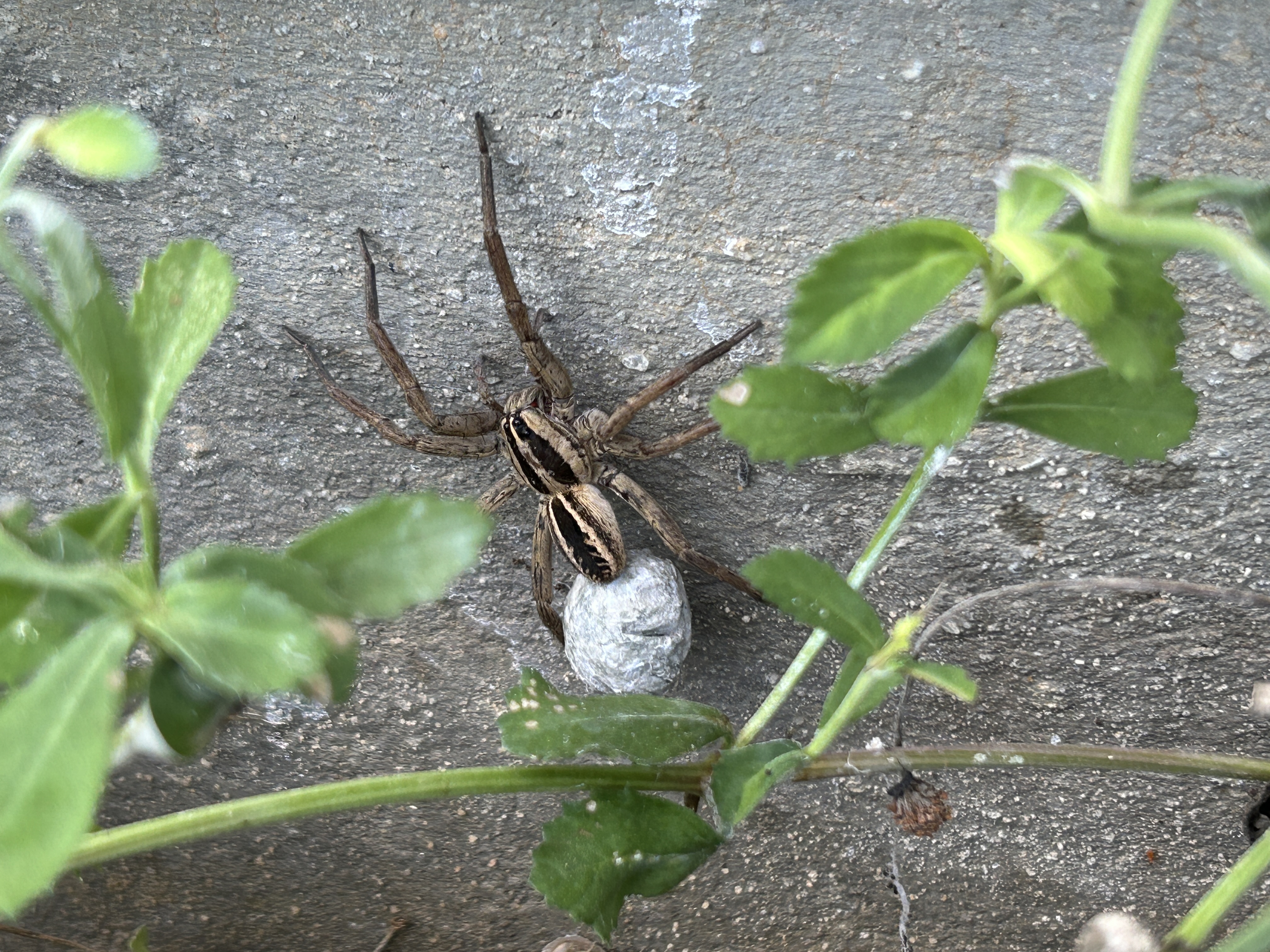
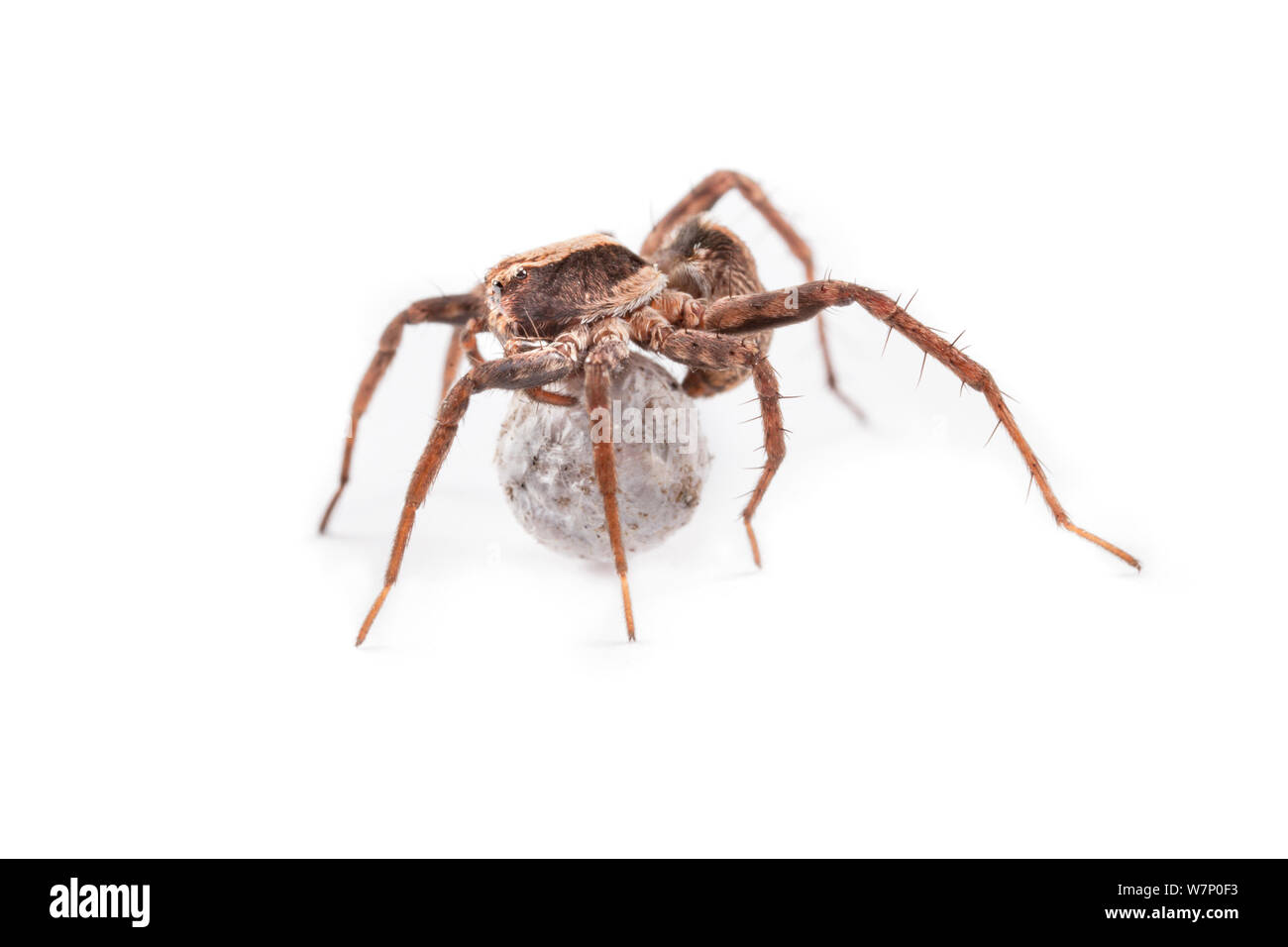
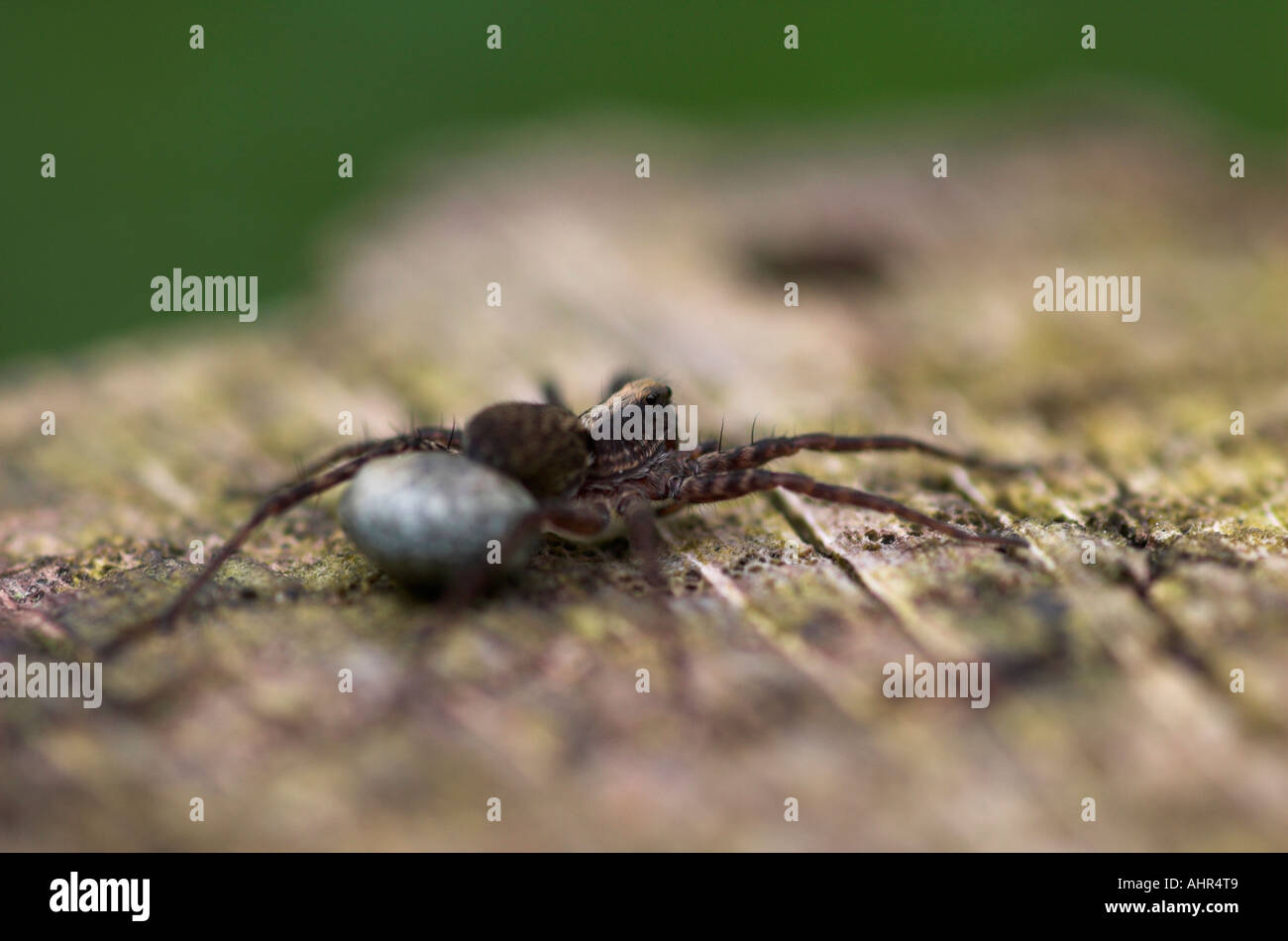
When homeowners spot a large, hairy arachnid scurrying across the floor or lawn carrying a pale, round globe attached to its rear, they are almost certainly looking at a female wolf spider guarding her future offspring. Unlike many other spider species that abandon their eggs in hidden webs or crevices, female wolf spiders exhibit a high degree of maternal investment, carrying their egg sacs everywhere they go and later transporting hundreds of spiderlings on their backs. Understanding the unique biology, reproductive behavior, and physical characteristics of these remarkable arachnids helps dispel common myths and provides clear guidance on how to safely manage encounters with them around residential properties.
Introduction to the Wolf Spider Family (Lycosidae)
Wolf spiders belong to the family Lycosidae, a large and widespread group of arachnids found on every continent except Antarctica. The common name derives from their active, cursorial hunting style; rather than waiting passively for prey in a web, wolf spiders actively chase down insects using their exceptional vision and speed. They possess eight eyes arranged in three distinct rows—a prominent top row of two medium eyes, a middle row of two very large eyes facing forward, and a bottom row of four small eyes situated just above the chelicerae. This specialized optical setup grants them a wide field of view and acute sensitivity to motion, making them formidable nocturnal and crepuscular predators.
Taxonomically, Lycosidae species range dramatically in size, with body lengths spanning from less than a quarter of an inch to over an inch and a half, not including leg span. Their coloration is typically cryptic, featuring mottled patterns of brown, gray, black, and tan designed to blend seamlessly into leaf litter, soil, and grassy environments. While they are often mistaken for tarantulas or dangerous wandering spiders due to their bulky stature and hairy appearance, wolf spiders are generally solitary, ground-dwelling creatures that pose no significant threat to humans unless severely provoked or accidentally trapped against bare skin.
Identifying a Pregnant Wolf Spider
Distinguishing a gravid (pregnant) female wolf spider from a male or a non-gravid female involves observing both overall body morphology and specific behavioral markers. Because spiders do not experience pregnancy in the mammalian sense—instead developing eggs internally before fertilization and subsequent deposition into an egg sac—the term "pregnant wolf spider" technically refers to a female carrying mature eggs inside her abdomen or actively guarding an external egg sac.
Physical Characteristics
- Abdominal Distension: Gravid females develop a noticeably swollen, rounded abdomen that often appears heavy and disproportionate to the rest of the body.
- Coloration and Patterning: The dorsal and ventral sides retain standard camouflage patterns, but the sheer size of the abdomen can stretch the intersegmental membranes, sometimes revealing lighter coloration between plates.
- Presence of the Egg Sac: Once the eggs are fertilized and laid, the female spins a tough, silken sphere—typically spherical, whitish, blue-gray, or brownish—and attaches it securely to her spinnerets at the rear of her abdomen.
Movement and Agility
A female carrying an egg sac experiences altered physics of locomotion. While non-gravid wolf spiders are exceptionally fast runners capable of explosive directional changes, pregnant or egg-sac-tending females move with greater caution and slightly reduced speed. They often elevate their abdomens slightly to prevent the egg sac from dragging along the ground, which alters their typical low-slung, ground-hugging running posture.
The Wolf Spider Egg Sac: Structure, Care, and Incubation
The wolf spider egg sac is an engineering marvel designed to protect developing embryos from environmental hazards, desiccation, and predators. Unlike fragile silk structures produced by web-building spiders, a lycosid egg sac consists of two distinct layers of tough, resilient silk woven into a spherical capsule.
| Feature | Description & Biological Function |
|---|---|
| Silk Composition | Multi-layered durable silk impervious to minor moisture |
| Shape & Color | Spherical ball; ranges from pear-white to blue-gray or tan |
| Attachment Mechanism | Secured directly to the spinnerets via strong silk threads |
| Mobility | Carried everywhere by the mother; lifted during movement |
| Incubation Period | Typically lasts 1 to 4 weeks, depending on ambient warmth |
Maternal Protection and Behavior
A mother wolf spider is fiercely protective of her egg sac. If an observer attempts to separate her from the sac, she will fight tenaciously to retain it. If the sac is accidentally detached, she will often search frantically for it and immediately reattach it to her spinnerets if found. To aid incubation, female wolf spiders frequently engage in "basking" behavior—positioning themselves in patches of sunlight to warm the eggs, thereby accelerating embryonic development. Furthermore, they periodically rotate the sac with their mouthparts and legs to ensure even temperature distribution and prevent fungal growth in humid environments.
Maternal Care and the Spiderling Phase
The culmination of the incubation period marks one of the most distinctive phases in the life cycle of the Lycosidae family: the emergence and transportation of the spiderlings.
Hatching and Emergence
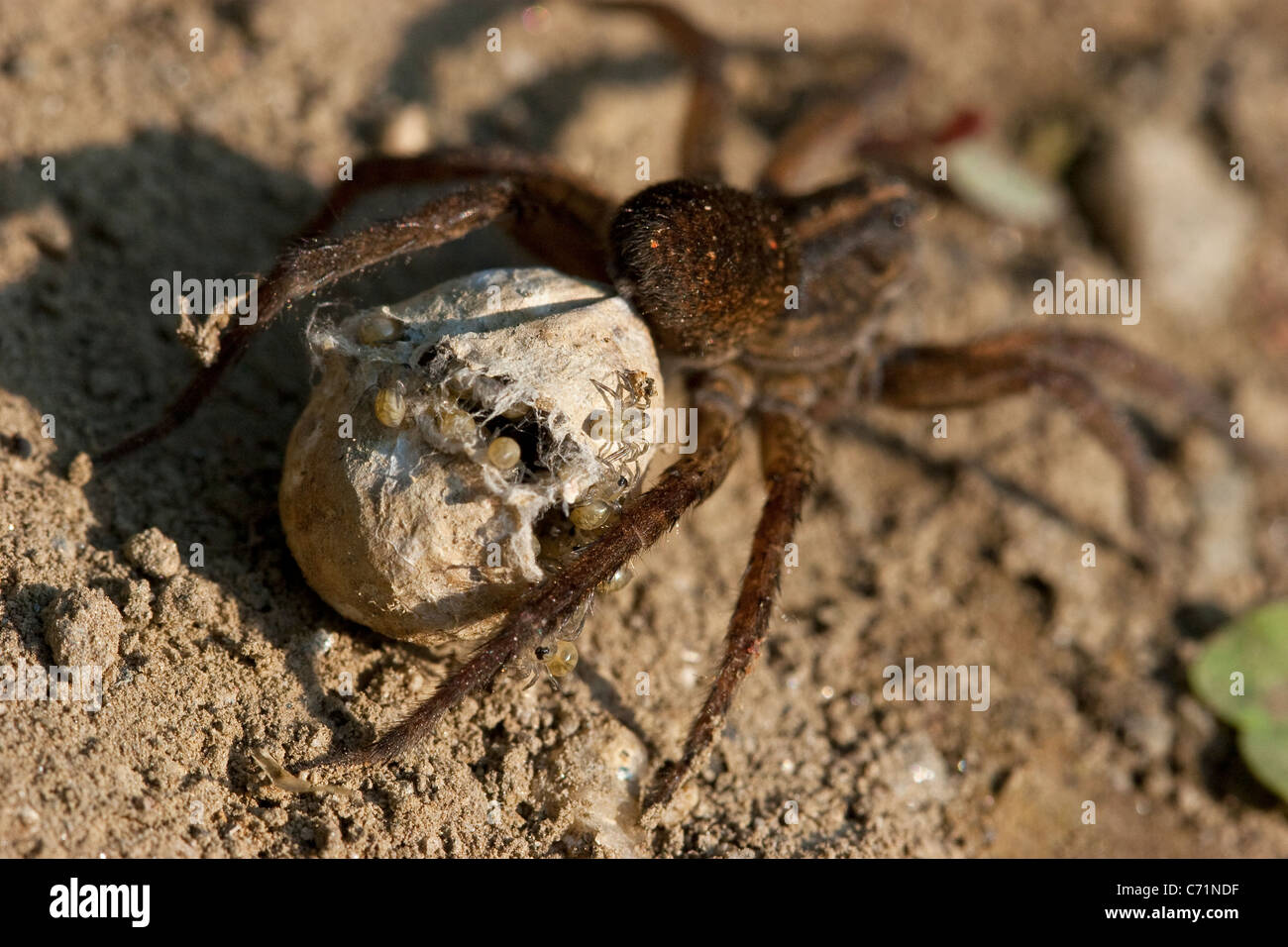
When the embryos are fully developed, the mother senses movement within the capsule. Using her chelicerae (fangs), she carefully rips open the tough silk casing of the egg sac to release the tiny spiderlings. They emerge as delicate, pale replicas of the adults, numbering anywhere from dozens to over a hundred depending on the specific species and the female's age and nutrition.
Transporting Young on the Abdomen
Immediately after hatching, the spiderlings climb upward onto the mother’s body, swarming across her cephalothorax and abdomen in dense layers. The female wolf spider carries her entire brood on her back for roughly one to two weeks. During this critical nursing phase:
- Nutritional Independence: The spiderlings do not feed on the mother's body fluids; instead, they subsist on remaining internal yolk reserves stored in their bodies.
- Hydration: The mother occasionally visits water sources, dipping her mouthparts and allowing the spiderlings to drink.
- Dispersal: Once the spiderlings undergo their first molt and become capable of independent survival, they begin to dismount individually or in small groups, often utilizing a behavior called ballooning—releasing silk threads into the wind to be carried away to new territories.
Habitat Preferences and Where They Encounter Humans
Wolf spiders are generalist predators inhabiting a wide variety of terrestrial biomes, ranging from woodlands and arid shrublands to coastal dunes and alpine meadows. Around human habitations, they frequently take up residence in locations that offer abundant shelter and insect prey.
Outdoor Habitats
- Gardens and Lawns: Hidden beneath thick layers of mulch, landscape timbers, rocks, and piles of fallen leaves.
- Soil Burrows: Many species construct shallow, silk-lined vertical burrows in the soil, retreating inside during extreme heat or daylight hours.
- Outbuildings: Found in unsealed sheds, garages, and woodpiles where agricultural pests and crawling insects congregate.
Indoor Incursions
Wolf spiders do not intentionally seek out human dwellings for nesting; houses lack the natural humidity, soil substrate, and diverse prey base they require. However, they routinely wander indoors while hunting or seeking shelter from adverse weather conditions such as heavy rain, drought, or seasonal temperature drops. Once inside, they typically remain at floor level, hiding along baseboards, under furniture, in closets, or inside unfinished basements and crawlspaces.
Safety, Medical Significance, and Misconceptions
Because of their intimidating size and rapid movements, pregnant wolf spiders frequently trigger panic among homeowners. However, evaluating their medical significance requires separating objective arachnological data from widespread urban legends.
Are Wolf Spiders Dangerous?
Wolf spiders are venomous—like almost all spiders—because venom is necessary to immobilize their insect prey. However, their venom is not medically significant to humans. A bite from a wolf spider typically results in localized symptoms comparable to a bee or wasp sting:
- Immediate sharp pain or a stinging sensation at the bite site.
- Mild to moderate local swelling, redness, and minor itching.
- Resolution of symptoms within a few hours to a couple of days without medical intervention.
Unlike recluses or wandering spiders associated with necrotic lesions, wolf spider venom does not cause tissue necrosis or systemic illness in healthy humans. Bites are exceedingly rare and occur almost exclusively when a spider is trapped directly against the skin—such as being stepped on barefoot or squeezed inside clothing.
Management, Prevention, and Humane Deterrence
Dealing with a pregnant wolf spider requires practical pest management strategies that prioritize safety while recognizing the ecological benefits these predators provide as natural controllers of garden and household insect populations.
Preventive Exclusion Measures
- Seal Entry Points: Caulk cracks around foundations, install tight-fitting door sweeps, and repair torn window screens to block accidental indoor access.
- Clear Vegetation and Debris: Move woodpiles away from exterior walls, clear heavy mulch from immediate foundation perimeters, and keep lawns trimmed to eliminate preferred hiding spots.
- Manage Indoor Moisture: Use dehumidifiers in basements and crawlspaces to reduce humidity levels that attract crawling insects, thereby removing the food source that draws wolf spiders indoors.
Safe Removal Techniques
If a pregnant wolf spider is discovered indoors, extermination using chemical pesticides is rarely necessary. Because they do not build webs, standard residual insecticides are often ineffective unless sprayed directly on the animal. Instead, humane catch-and-release methods work best:
- Place a clear glass or sturdy plastic container over the spider.
- Carefully slide a stiff piece of cardboard or heavy paper underneath the opening of the container, trapping the spider and its egg sac inside.
- Lift the apparatus and transport the spider outdoors, releasing it into a natural, sheltered area such as a wood line, garden bed, or compost heap away from high-traffic walkways.
Frequently Asked Questions
What happens if you accidentally step on a pregnant wolf spider?
Stepping on a gravid female wolf spider carrying an egg sac or young spiderlings will instantly rupture the egg sac or crush the mother. While this does not cause an explosion of hundreds of dangerous biters, dozens of tiny, dislodged spiderlings may scatter briefly across the floor. They are entirely harmless at this stage, lack mature venom delivery systems, and quickly disperse or perish indoors due to a lack of moisture and food.
Do wolf spiders spin webs to catch prey?
No, wolf spiders do not spin traditional capture webs. They rely entirely on their exceptional speed, agility, and acute eyesight to stalk and pounce on passing insects. The only silk they produce is used to line their subterranean burrows, wrap their prey, and construct the durable spherical egg sacs carried by females.
How can I tell the difference between a wolf spider and a brown recluse?
Wolf spiders are typically larger, visibly hairy, and marked with complex patterns of brown, gray, and black. Brown recluses are smaller, smooth-bodied, uniformly tan or brown, and feature a distinct violin-shaped marking on the dorsal surface of their cephalothorax. Furthermore, brown recluses possess six eyes arranged in three pairs, whereas wolf spiders have eight distinct eyes.
How long do wolf spiderlings stay on their mother's back?
After hatching from the silk egg sac, spiderlings remain clustered on the mother’s dorsal abdomen for approximately one to two weeks. During this period, they do not feed, relying entirely on internal yolk reserves before scattering to begin independent hunting and survival.
Are wolf spiders beneficial to have around the property?
Yes, wolf spiders are highly beneficial ecological predators. By actively hunting and consuming large quantities of agricultural and household pests—including crickets, roaches, beetles, earwigs, and flies—they help regulate insect populations naturally without the need for chemical intervention.
Conclusion and Next Actions
Encountering a pregnant wolf spider is a common seasonal occurrence that highlights the complex, highly adapted reproductive strategies found in the arachnid world. Armed with accurate facts regarding their maternal behavior, non-lethal venom, and ecological role, homeowners can replace fear with informed observation. For individuals uncomfortable with sharing their living space with these robust hunters, the most effective course of action involves humane catch-and-release relocation combined with basic exclusion practices—such as sealing doors and reducing outdoor harborage—to keep future encounters to a minimum.