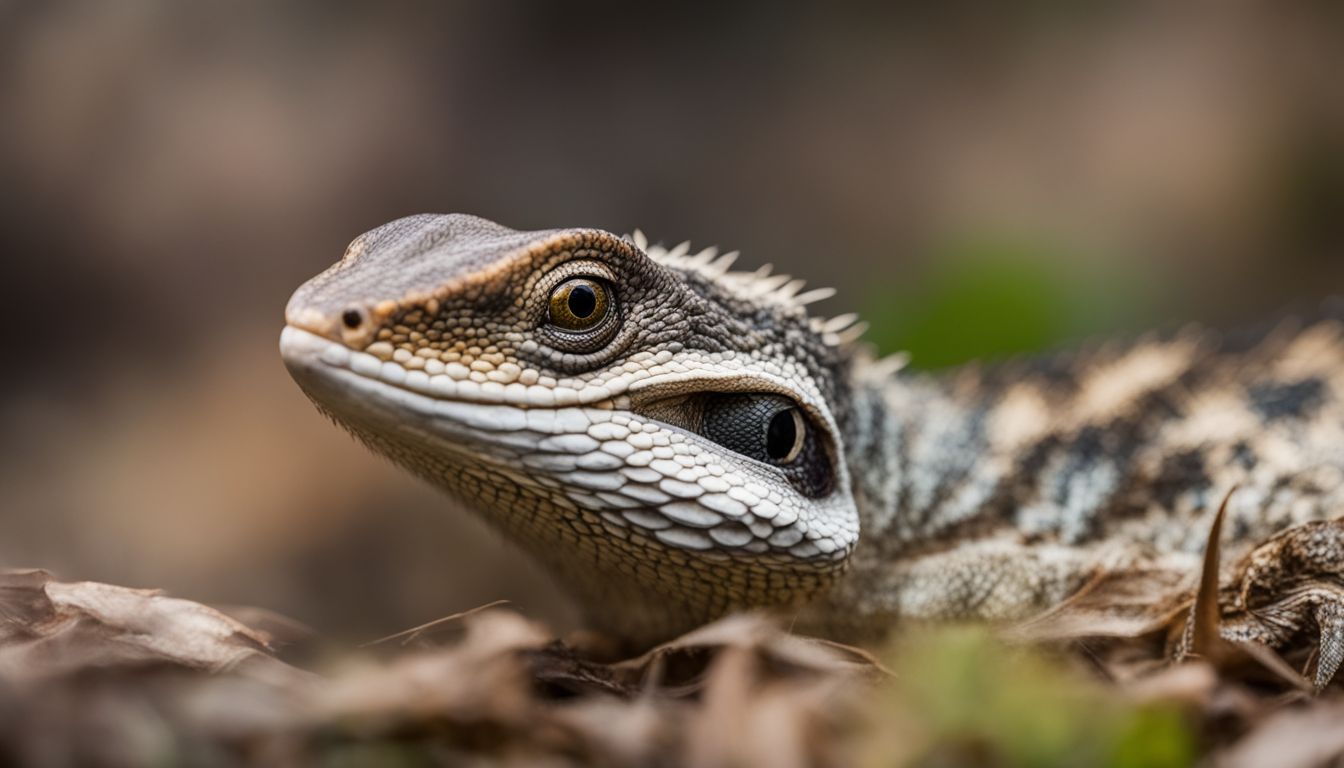
Florida is home to a staggering variety of reptiles, but contrary to popular folklore, no native or non-native lizard species in the state is truly "poisonous" in the biological sense of carrying toxins that cause illness when ingested or touched. However, the state does host venomous snakes and one unique, venomous lizard species nearby, while several introduced lizards pose serious ecological and domestic pet safety risks that require clear understanding and practical handling precautions.
The Biological Distinction: Venomous Versus Poisonous Lizards
To understand the risks associated with reptiles in Florida, it is necessary to establish a clear baseline regarding terminology. In biological terms, poisonous animals secrete or contain toxins that are transferred when another animal consumes or touches them. Examples include certain frogs, toads, and newts. Venomous animals, by contrast, actively inject toxins into their prey or attackers using specialized structures such as fangs, modified teeth, or spurs.
When examining lizards globally, only a tiny fraction are venomous. The best-known examples are the Gila monster (Heloderma suspectum) and the Mexican beaded lizard (Heloderma horridum), both of which are native to the arid southwestern United States and Mexico. Neither of these species is native or established in the wild in Florida.
Within Florida itself, no wild lizard species possesses venom glands or delivery systems capable of delivering a toxic payload to humans or large predators. The primary defense mechanisms of Florida lizards involve rapid escape, caudal autotomy (dropping the tail to distract predators), cryptic coloration, and defensive biting when cornered. While a bite from a large lizard can break the skin and cause painful mechanical tissue damage or secondary bacterial infection, it does not involve a biological venom injection system.
Native Versus Non-Native Lizards in Florida
Florida’s subtropical climate, extensive international trade ports, and the exotic pet trade have made it a global hotspot for introduced reptile species. Understanding which lizards are native and which are invasive helps residents assess potential ecological and property risks.
Native Species of Note
Florida supports numerous native lizard species that play a crucial role in regulating insect populations. These include:
- Green Anoles (Anolis carolinensis): The only native anole species in Florida, recognizable by their bright green color and the pink dewlap displayed by males.
- Florida Scrub Lizards (Sceloporus woodi): Inhabitants of dry, sandy ridge habitats, featuring distinct dorsal patterns.
- Six-Lined Racerunners (Aspidoscelis sexlineata): Extremely fast foragers identified by bright yellow or green stripes running down their backs.
- Glass Lizards (Ophisaurus species): Legless lizards frequently mistaken for snakes, distinguished by the presence of movable eyelids and external ear openings.
Prominent Non-Native (Invasive) Species
Introduced species often outcompete native wildlife and occasionally interact with residential infrastructure:
- Brown Anoles (Anolis sagrei): Introduced from the Caribbean, these ground-dwelling lizards have largely displaced native green anoles in many urban and suburban yards.
- Knight Anoles (Anolis equestris): Large, bright green lizards native to Cuba that can inflict powerful bites due to their robust jaws.
- Peter’s Banded Skink and Various Geckos: Mediterranean geckos, Indo-Pacific geckos, and house geckos are common fixtures on exterior walls at night, feeding on insects attracted to outdoor lighting.
- Tegus and Iguanas: Large-bodied species that present distinct management challenges.
High-Risk Invasive Species: Tegus and Iguanas
While no Florida lizard is poisonous or venomous, two large invasive groups—Tegus and Iguanas—generate significant concern regarding property damage, domestic animal safety, and ecological disruption.
Argentine Black and White Tegus (Salvator merianae)
Native to South America, Argentine black and white tegus have established reproducing populations in parts of south and central Florida, particularly Miami-Dade and Charlotte counties.
- Size and Diet: Tegus can grow up to four feet in length. They are opportunistic omnivores, consuming fruits, vegetation, small animals, bird eggs, and occasionally ground-nesting bird species and native wildlife.
- Behavioral Risks: Tegus enter a state of brumation (reptilian hibernation) during winter months, burrowing underground. While generally inclined to flee from humans, trapped or cornered tegus can deliver severe bites and lash with their powerful tails.
- Management: The Florida Fish and Wildlife Conservation Commission (FWC) classifies tegus as prohibited species, requiring specific permits for possession and encouraging humane removal from private property.
Green Iguanas (Iguana iguana)
Green iguanas are firmly established across south Florida and coastal central Florida.
- Ecological and Property Impact: Iguanas feed heavily on landscape vegetation, ornamental plants, and garden crops. Their digging habits undermine sea walls, sidewalks, canal banks, and building foundations.
- Health and Safety Considerations: Iguanas can carry Salmonella bacteria in their digestive tracts, which can be transmitted through contact with feces or contaminated surfaces. Large adult iguanas possess sharp teeth and strong jaws, and while they prefer to run, they will defend themselves aggressively if grabbed.
| Lizard Group | Primary Locations in FL | Average Adult Size | Primary Risk Factor |
|---|---|---|---|
| Green Anoles (Native) | Statewide, trees/shrubs | 5–8 inches | None (beneficial insect control) |
| Brown Anoles (Invasive) | Statewide, ground/urban | 5–8 inches | Displacement of native anoles |
| Green Iguanas (Invasive) | South & Central FL | 3–6 feet | Property damage, Salmonella risk |
| Argentine Tegus (Invasive) | South & Central FL | 3–4+ feet | Predation on native wildlife, pet threat |
Health Risks: Bites, Bacteria, and Pathogens
Because Florida lizards are not venomous, medical concerns arising from interactions with them center on physical trauma and microbial transmission rather than neurotoxins or hemotoxins.
Bite Mechanics and Secondary Infections
Lizard teeth are typically small, numerous, and curved backward to hold slippery prey. When a large lizard—such as an iguana, large tegu, or large knight anole—bites a human, it can cause deep lacerations, tearing of skin, and crush injuries.
More concerning than the initial wound is the risk of bacterial infection. Reptile mouths harbor diverse microbial flora, including Pseudomonas, Aeromonas, and Salmonella species. If a bite breaks the skin, bacteria can be introduced deep into tissue. Immediate medical evaluation, thorough wound irrigation, and potential antibiotic prophylaxis are standard recommendations following any significant reptile bite.
Salmonella Transmission
Like many reptiles, lizards can carry Salmonella bacteria asymptomatically in their intestinal tracts. Transmission to humans typically occurs via the fecal-oral route—failing to wash hands after handling a lizard, touching contaminated enclosures, or interacting with surfaces where reptile droppings are present. Symptoms in humans include severe diarrhea, abdominal cramps, and fever. Proper hygiene, including thorough handwashing with soap and warm water after handling reptiles or working in garden soil frequented by them, is essential.
Safety Guidelines and Practical Mitigation
Managing encounters with large or unwanted lizards around residential properties requires practical, lawful strategies focused on exclusion, habitat modification, and safe handling.
Habitat Modification
To discourage large invasive lizards from settling near structures:
- Clear Brush and Debris: Remove dense vegetation, woodpiles, rock piles, and discarded building materials where lizards can hide or construct burrows.
- Secure Pet Food: Do not leave pet food outdoors, as it attracts tegus, iguanas, and various nuisance wildlife.
- Seal Entry Points: Check crawl spaces, under porches, and around shed foundations. Use heavy-gauge hardware cloth or concrete to seal gaps where large reptiles might seek shelter during cold snaps or breeding seasons.
Humane Removal and Legal Status
Under Florida law, property owners have specific rights regarding nuisance wildlife, but regulations govern the handling of non-native species:
- Invasive Species Control: Homeowners can humanely euthanize non-native invasive species like iguanas and tegus on their own property without a permit, provided it is done in accordance with anti-cruelty statutes.
- Professional Assistance: If dealing with large, aggressive tegus or extensive iguana colonies, hiring a licensed nuisance wildlife control operator ensures safe and efficient removal.
- Native Species Protection: All native Florida lizard species are protected under state wildlife regulations. It is illegal to capture, kill, or keep native species as pets without appropriate FWC permits.
Frequently Asked Questions
Are there any poisonous lizards in Florida that can kill a pet?
No lizards in Florida are biologically poisonous or venomous. However, large invasive species like Argentine tegus pose a direct physical threat to cats, small dogs, and poultry through direct predation. Additionally, consuming wild lizards can expose pets to parasites, ticks, and bacterial infections such as Salmonella.
What should I do if bitten by a large lizard in Florida?
Wash the wound immediately and thoroughly with soap and running water for at least five minutes. Apply an antiseptic ointment and cover the area with a clean bandage. Because reptile bites carry a high risk of bacterial infection, consult a healthcare provider promptly, as prescription antibiotics may be necessary.
How can I tell the difference between a venomous snake and a legless lizard in Florida?
Florida is home to native glass lizards, which are frequently mistaken for snakes. You can distinguish a glass lizard from a snake by checking for three features: glass lizards have movable eyelids, external ear openings, and rigid bodies that do not undulate in the fluid, serpentine manner typical of snakes. Furthermore, glass lizards possess long tails that can break off when grabbed.
Are green iguanas protected by Florida law?
No. Green iguanas are classified as non-native invasive species in Florida. They are not protected by state wildlife laws (except for anti-cruelty regulations), meaning property owners can remove and humanely dispatch them on their private property without a permit. However, discharging firearms within municipal boundaries to remove them is strictly prohibited by local ordinances.
Can I keep a wild-caught Florida lizard as a pet?
It is illegal to capture and keep native Florida lizards as pets without proper permits from the Florida Fish and Wildlife Conservation Commission. For non-native species, while some are unregulated, releasing non-native pets into the wild is strictly illegal and contributes directly to Florida's invasive species challenges.
Conclusion and Recommended Next Actions
While popular misconceptions often label Florida's lizard population as dangerous or poisonous, the reality is that no lizard in the state carries venom or toxins. The primary risks stem from large invasive species causing structural damage, competing with native fauna, and transmitting bacteria like Salmonella. Property owners should focus on maintaining clear yards, securing outdoor pet food, and utilizing professional wildlife control services when managing large invasive reptiles such as iguanas and tegus. For official guidance, current regulations, and reporting tools for invasive species sightings, consult resources provided by the Florida Fish and Wildlife Conservation Commission.