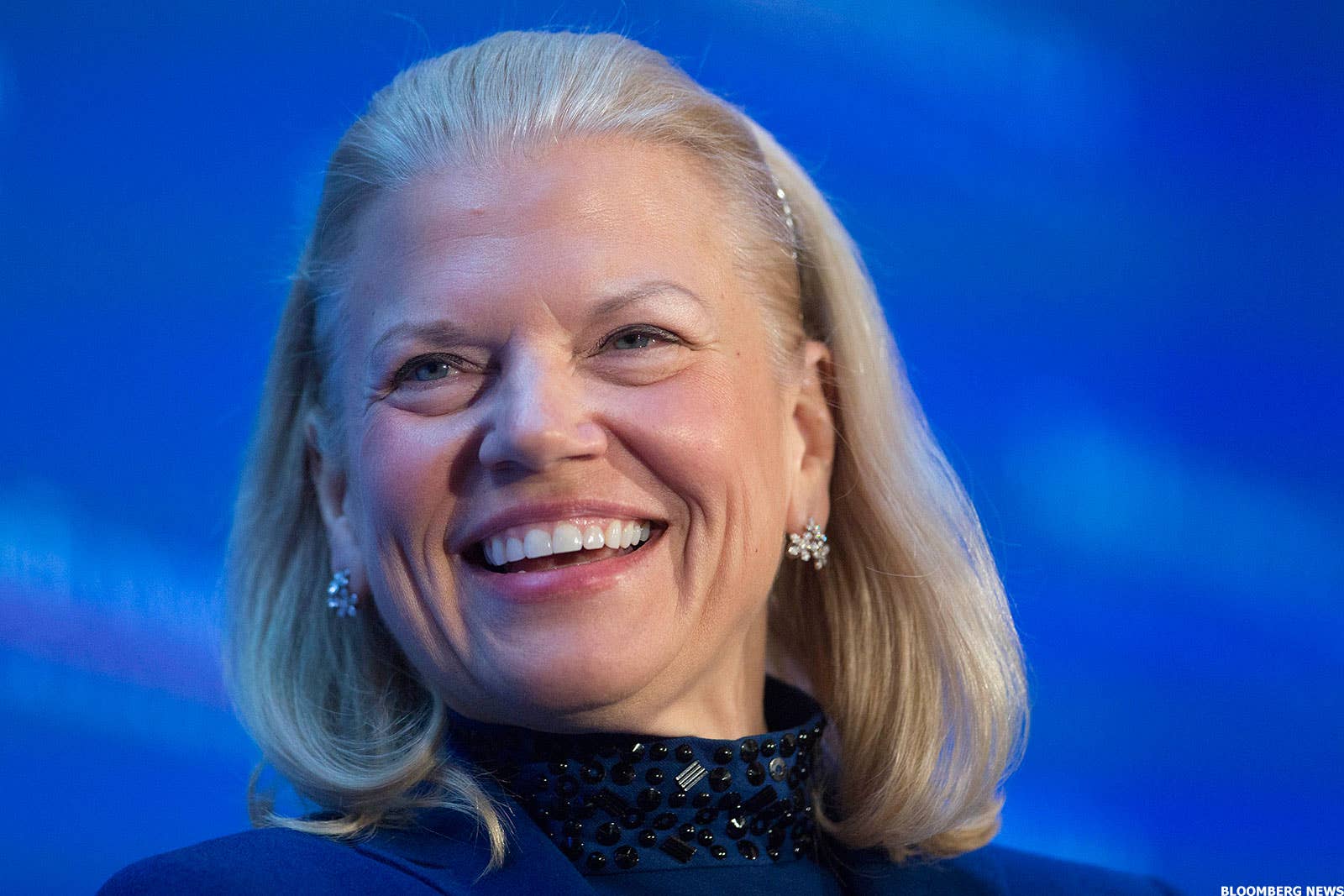
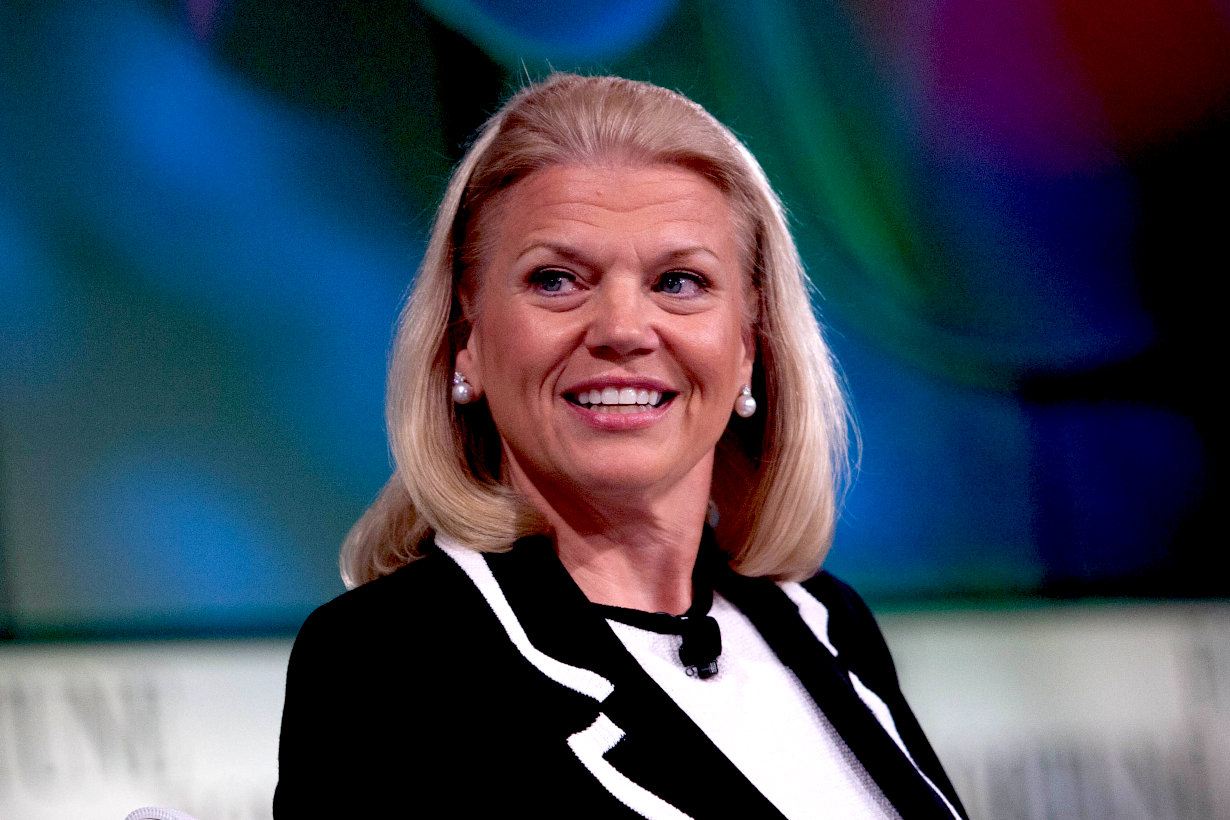
Virginia "Ginni" Rometty served as the chairman, president, and chief executive officer of IBM from 2012 to 2020, guiding one of the world's oldest and largest technology corporations through a massive strategic pivot toward cloud computing and artificial intelligence. Her tenure marked a significant chapter in enterprise technology history, defined by high-stakes acquisitions, workforce evolution, and an enduring advocacy for ethical technology deployment and digital skills development.
Early Life, Education, and Entry into Technology
Born in Chicago, Illinois, in 1957, Virginia Rometty navigated a challenging childhood following her parents' divorce, which left her mother to raise four children while working multiple jobs and attending night school. Demonstrating a strong aptitude for mathematics and science, Rometty earned a scholarship to Northwestern University. In 1979, she graduated with high honors with a Bachelor of Science degree in computer science and electrical engineering from the McCormick School of Engineering and Applied Science.
Rometty began her professional career at General Motors as a systems engineer and application developer, working at the intersection of heavy industry and emerging computing technologies. In 1981, she joined International Business Machines (IBM) as a systems engineer in Detroit, marking the beginning of a multi-decade corporate journey. During her early years at IBM, she worked directly with clients across various sectors, gaining practical insights into how large enterprises deployed mainframe systems and early database architectures to solve operational challenges.
Rise Through the Executive Ranks
Over a career spanning more than four decades at IBM, Rometty steadily ascended the corporate ladder by taking on progressively complex operational and strategic roles. Her leadership capabilities became widely recognized during the 1990s and 2000s, a period when the technology sector underwent profound structural shifts away from hardware-centric business models toward software and integrated services.
A defining milestone in her rise was her leadership of the integration following IBM's landmark acquisition of PricewaterhouseCoopers Consulting (PwC Consulting) in 2002 for approximately $3.5 billion. This massive corporate integration involved absorbing tens of thousands of consultants into IBM's existing global services division. Rometty's execution of this merger preserved client relationships, harmonized organizational cultures, and established IBM Global Business Services as a dominant force in enterprise consulting.
Following the PwC integration, Rometty held several critical executive positions, including:
- Senior Vice President of IBM Global Business Services
- Senior Vice President of IBM Enterprise Strategy and Sales
- Group Executive for IBM Sales and Marketing
In these roles, she formulated the company's growth strategies, targeted high-margin market segments, and expanded IBM's footprint in emerging international markets, particularly across Asia and Latin America. By 2011, the IBM board of directors named her President and Chief Operating Officer, positioning her to succeed Sam Palmisano as Chief Executive Officer.
Tenure as CEO and Strategic Transformation (2012–2020)
When Rometty assumed the role of CEO in January 2012, IBM faced severe financial and strategic headwinds. The company was heavily reliant on legacy hardware and traditional enterprise software licensing, while agile cloud computing providers like Amazon Web Services (AWS) and Microsoft Azure were rapidly capturing market share. Furthermore, legacy revenue streams from mainframes and enterprise servers were contracting as corporate clients migrated infrastructure to scalable, pay-as-you-go cloud models.
To arrest revenue decline and reposition the corporation for long-term viability, Rometty initiated an aggressive portfolio transformation. She divested low-margin, commoditized hardware businesses—such as selling IBM's personal computer division to Lenovo earlier in her career, followed by the divestiture of low-end server lines to Lenovo in 2014—and reallocated capital toward high-value segments: cloud computing, security, and artificial intelligence.
Key Milestones in IBM's Transformation Under Rometty
| Year | Strategic Initiative / Event | Description |
|---|---|---|
| 2012 | Appointment as CEO | Succeeded Sam Palmisano, becoming the first female chief executive in IBM's century-long history. |
| 2013 | Acquisition of SoftLayer | Acquired the cloud infrastructure provider to build out IBM's enterprise-grade cloud capabilities. |
| 2014 | Launch of IBM Watson Group | Formed a dedicated business unit to commercialize cognitive computing and artificial intelligence applications. |
| 2016 | Acquisition of Truven Health Analytics | Bolstered IBM Watson Health by integrating vast healthcare data repositories and analytics tools. |
| 2019 | Acquisition of Red Hat | Completed the largest acquisition in IBM's history at $34 billion, securing hybrid cloud leadership. |
The Red Hat Acquisition
The defining transaction of Rometty's tenure was the acquisition of Red Hat, an open-source software pioneer, completed in July 2019 for approximately $34 billion. This strategic maneuver was designed to solve a fundamental problem for large corporate clients: how to run applications securely across disparate on-premises data centers and multiple public clouds without being locked into a single vendor's ecosystem. By integrating Red Hat's enterprise Linux and OpenShift container orchestration technologies, Rometty cemented IBM's position as a dominant provider of hybrid cloud solutions, giving the company a recurring revenue engine that outlived her time as chief executive.
Workforce Development and "New Collar" Jobs
Beyond corporate restructuring, Rometty heavily influenced labor economics and workforce education policies in the technology sector. Recognizing that the rapid proliferation of automation and artificial intelligence was creating a structural skills gap—where traditional four-year degrees did not always align with the technical demands of modern enterprises—she championed the concept of "New Collar" jobs.
Rometty argued that employers should evaluate candidates based on acquired skills rather than strictly on traditional academic credentials. Under her leadership, IBM pioneered alternative career pathways, investing heavily in vocational training programs, early-college high school models (such as P-TECH), and internal upskilling initiatives. She actively engaged with global policymakers, testifying before legislative bodies and participating in economic forums to advocate for national policies that supported lifelong learning and vocational adaptability in an automated economy.
Ethical AI and Corporate Governance
As artificial intelligence systems moved from academic research laboratories into mission-critical enterprise applications, Rometty became a prominent voice advocating for responsible AI governance, algorithmic transparency, and data privacy. Long before generative AI dominated public discourse, she consistently emphasized that trust must be the foundational metric for any technology deployment, particularly in sensitive sectors like healthcare, finance, and national security.
Rometty articulated core principles for ethical AI development, frequently referred to within corporate governance circles as "Precision Regulation." Her framework rested on three foundational pillars:
- Purpose: The primary purpose of AI is to augment and assist human intelligence, not to replace human agency or moral accountability.
- Transparency: Users and consumers must understand who trains data models, how algorithms reach decisions, and how sensitive information is protected.
- Skills and Responsibility: Technology creators and enterprise leaders bear direct accountability for the social impacts, biases, and operational security of deployed algorithms.
Her public advocacy helped shape industry standards and regulatory discussions regarding data ownership and consumer protection in the European Union and the United States.
Board Memberships, Philanthropy, and Post-CEO Career
After stepping down as CEO in April 2020 (remaining as executive chairman until the end of that year, when Arvind Krishna succeeded her), Rometty transitioned into active governance, advisory, and philanthropic roles. Her post-IBM career focuses on education reform, national security advisory panels, and corporate board governance.
In 2023, she published her memoir, Good Power: Leading Positive Change in Our Lives, Work, and World, in which she outlines her leadership philosophy. The book details the concept of "good power"—the idea that leadership should be exercised not merely to accumulate authority or drive short-term financial returns, but to generate durable, positive outcomes for employees, clients, and society at large.
Her current and recent professional engagements include:
- Co-chairing OneTen, a coalition of leading executives dedicated to hiring and advancing one million Black workers into family-sustaining jobs over a ten-year period.
- Serving on the board of directors for JPMorgan Chase and General Motors.
- Participating in the Council on Foreign Relations and various advisory boards focused on economic resilience and technological competitiveness.
Legacy in Technology and Corporate Leadership
Ginni Rometty's legacy is defined by her navigation of a generational technology transition. While critics frequently pointed out that IBM's revenue did not grow consistently during the early years of her tenure due to the protracted decline of legacy hardware lines, financial historians generally evaluate her leadership through the lens of portfolio survival and strategic repositioning. By divesting declining business units and executing the Red Hat acquisition, she established the structural foundation that enabled IBM to remain a major enterprise technology provider in the hybrid cloud and artificial intelligence era. Furthermore, her persistent focus on workforce retraining and ethical governance left a lasting imprint on how modern technology corporations approach social responsibility.