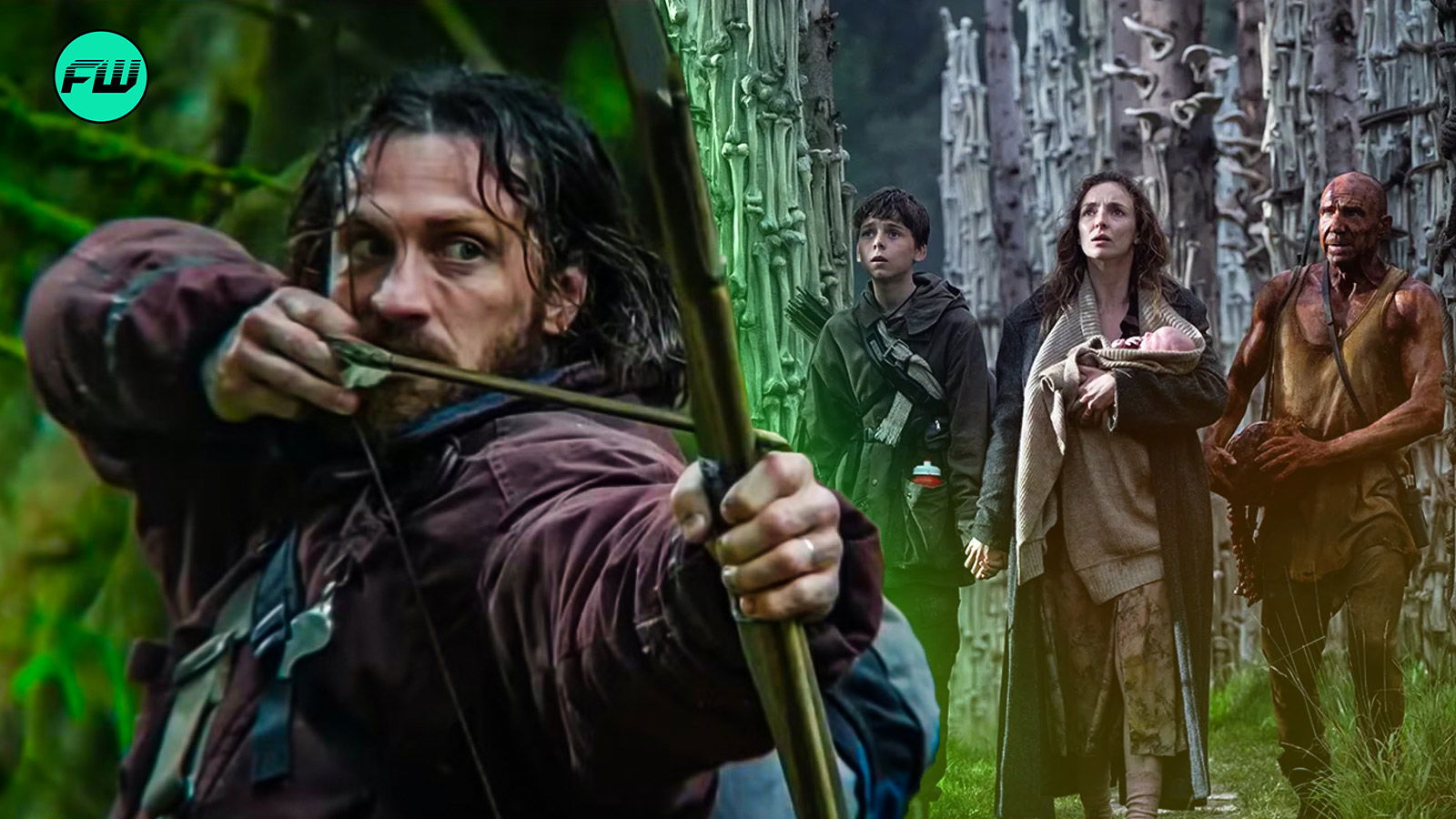
The long-awaited sequel 28 Years Later, released in June 2025, serves as the definitive revival of the groundbreaking "Infected" franchise. Directed by Danny Boyle and written by Alex Garland, the film reconciles the gritty, low-fi aesthetic of the 2002 original with modern cinematic technology, featuring a star-studded cast including Aaron Taylor-Johnson, Jodie Comer, and the return of Cillian Murphy.
The Resurrection of a Horror Icon
The journey to bring 28 Years Later to the screen was a decades-long process that saw various iterations fall into development hell before the original creative duo of Danny Boyle and Alex Garland officially reunited. Following the success of 28 Days Later (2002) and its sequel 28 Weeks Later (2007), the franchise remained dormant for nearly 20 years. The primary hurdle was always the script; Garland and Boyle were adamant that a third entry should only exist if it offered a meaningful evolution of the "Infected" lore rather than a standard zombie-trope rehash.
By 2024, Sony Pictures Motion Picture Group Chairman Tom Rothman greenlit not just a single film, but an entire new trilogy. This ambitious plan allowed Boyle and Garland to expand the scope of the Rage Virus beyond the immediate survival horror of the first two films. As of 2026, the film stands as a critical and commercial benchmark, proving that the intellectual horror of the early 2000s still resonates with modern audiences.
The decision to jump forward "years" instead of "months" or "decades" was a deliberate narrative choice. It allowed the writers to explore a world where the initial chaos of the Rage Virus has transitioned into a new, terrifyingly stable status quo. In this 2026 retrospective, we see how the film successfully balanced the nostalgia of the original London-based survivalism with a broader, more philosophical look at societal collapse and rebirth.
Detailed Cast and Character Analysis
One of the most significant draws for 28 Years Later was its high-caliber ensemble. Moving away from the relatively unknown cast of the first film, the 2025 production utilized established A-list talent to bring weight to the new trilogy’s debut.
The New Leads
- Aaron Taylor-Johnson: Taking on the primary protagonist role, Taylor-Johnson provides a physical and emotional anchor for the film. His character represents the "generation of the collapse"—those who grew up knowing only a world infested by the Rage Virus.
- Jodie Comer: Known for her transformative performances, Comer plays a pivotal role that explores the moral ambiguities of survival. Her character's arc is central to the film’s exploration of how human institutions have adapted (or failed) in the decades following the outbreak.
- Ralph Fiennes: Fiennes brings a sense of gravitas to the production, playing a character involved in the remnants of the British government or a localized power structure. His performance highlights the political friction between surviving enclaves.
- Jack O'Connell: Adding further grit to the cast, O'Connell’s character serves as a bridge between the different factions introduced in this expanded world.
The Return of Jim
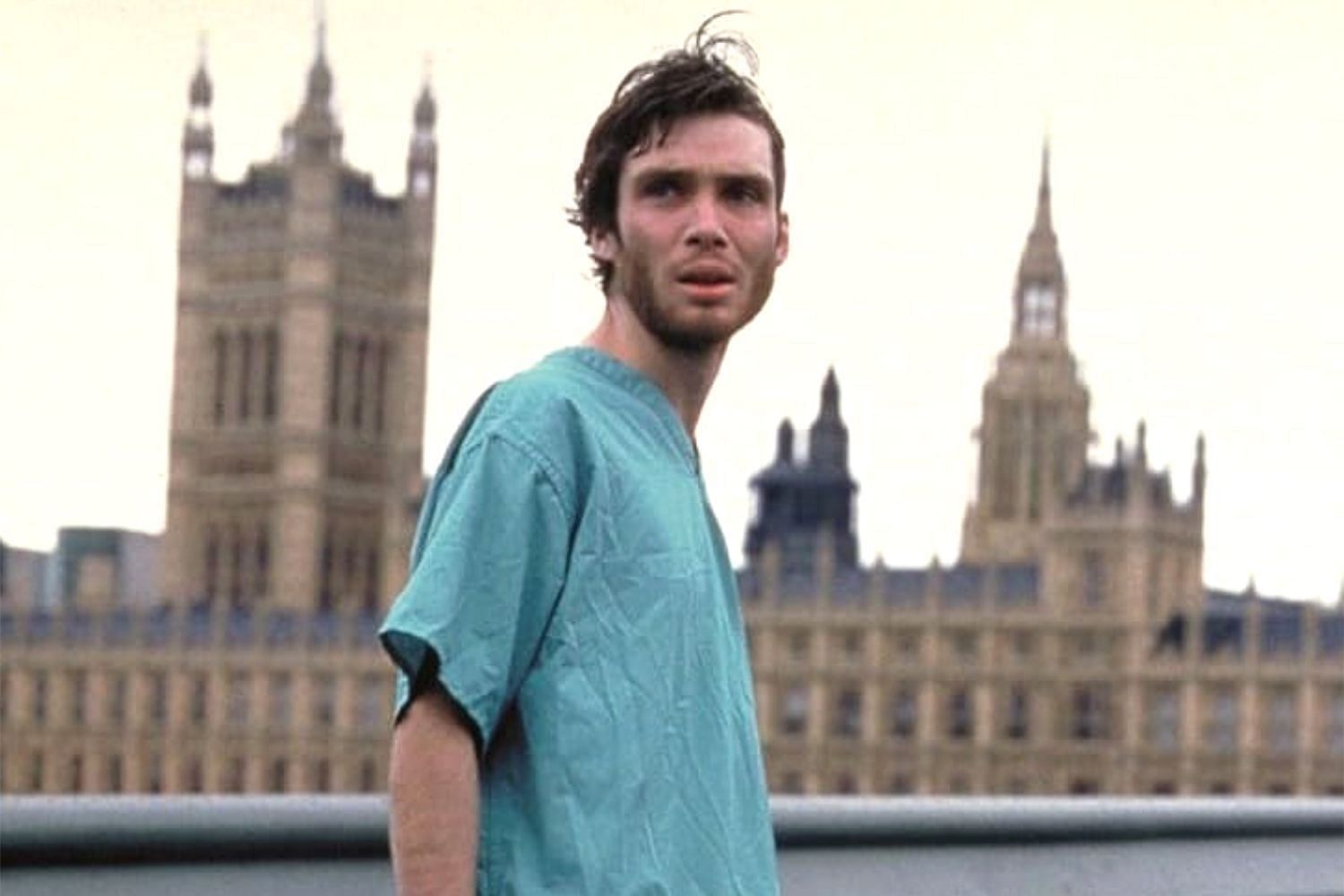
Perhaps the most significant casting detail is the return of Cillian Murphy as Jim. While his involvement was initially kept under wraps and he was primarily listed as an executive producer, his onscreen appearance was the emotional highlight for long-term fans. Murphy’s portrayal of an older, battle-hardened Jim provides the necessary connective tissue to the 2002 film. It answers the long-standing question of what happened to the survivors of the original "Manchester" escape and how the trauma of those early days shaped the leaders of the new world.
Technical Innovation: Shot on iPhone
A defining technical detail of 28 Years Later is its cinematography. In a move that mirrors the original film’s use of the Canon XL-1 digital video camera, Danny Boyle and cinematographer Anthony Dod Mantle opted to shoot the film primarily on iPhone 15 Pro Max smartphones.
This was not a mere gimmick. In 2002, the use of standard-definition mini-DV cameras gave 28 Days Later a jittery, documentarian feel that separated it from the glossy horror films of the era. By 2025, using highly modified smartphones (outfitted with professional lenses and cages) allowed the production to achieve a similar sense of "heightened reality." The technical depth provided by the 4K ProRes Log recording on the iPhone allowed the filmmakers to capture the desolation of the British countryside with a raw, intimate perspective that traditional large-format cinema cameras might have over-sanitized.
This choice also facilitated a more mobile production. Filming in remote areas of the United Kingdom, the crew could move quickly and capture scenes with a level of spontaneity that defined Boyle’s early career. For fans of the technical aspects of filmmaking, 28 Years Later stands as a masterclass in using "prosumer" gear to achieve world-class cinematic results.
Plot Overview and World-Building
The film is set roughly 28 years after the initial outbreak in London. The Rage Virus is no longer a localized catastrophe but a permanent fixture of the global ecosystem. Britain has become a patchwork of "Safe Zones" and "Red Zones," with the latter being largely abandoned to the feral, fast-moving Infected.
Unlike the slow-moving zombies of the Romero era, the Infected in the Boyle-Garland universe remain defined by their speed and pure, unadulterated aggression. However, 28 Years Later introduces the concept of the "Third Generation" of the virus. This evolution suggests that the virus has adapted to its hosts, leading to more complex behaviors among the Infected, which complicates the survival strategies of the remaining humans.
The plot follows a young man (Taylor-Johnson) who travels across the fractured landscape to find a legendary doctor (Fiennes) believed to have a biological solution to the Rage. Along the way, he encounters Comer’s character, and their journey leads them into the heart of a conflict between competing survivor factions who have very different visions for the future of the British Isles.
Comparing the Franchise Entries
To understand where 28 Years Later sits within the series, it is helpful to look at the progression of the films in terms of scope, direction, and technical execution.
| Feature | 28 Days Later (2002) | 28 Weeks Later (2007) | 28 Years Later (2025) |
|---|---|---|---|
| Director | Danny Boyle | Juan Carlos Fresnadillo | Danny Boyle |
| Writer | Alex Garland | Rowan Joffé et al. | Alex Garland |
| Primary Location | London / Manchester | London (Green Zone) | Rural UK / Post-Collapse Cities |
| Theme | Immediate Survival | Failed Reconstruction | Societal Evolution & Legacy |
| Cinematography | Mini-DV (Canon XL-1) | 16mm & 35mm Film | iPhone 15 Pro Max |
| Key Protagonist | Jim (Cillian Murphy) | Don (Robert Carlyle) | (Aaron Taylor-Johnson) |
| Production Budget | ~$8 Million | ~$15 Million | ~$75 Million |
The Future of the Trilogy
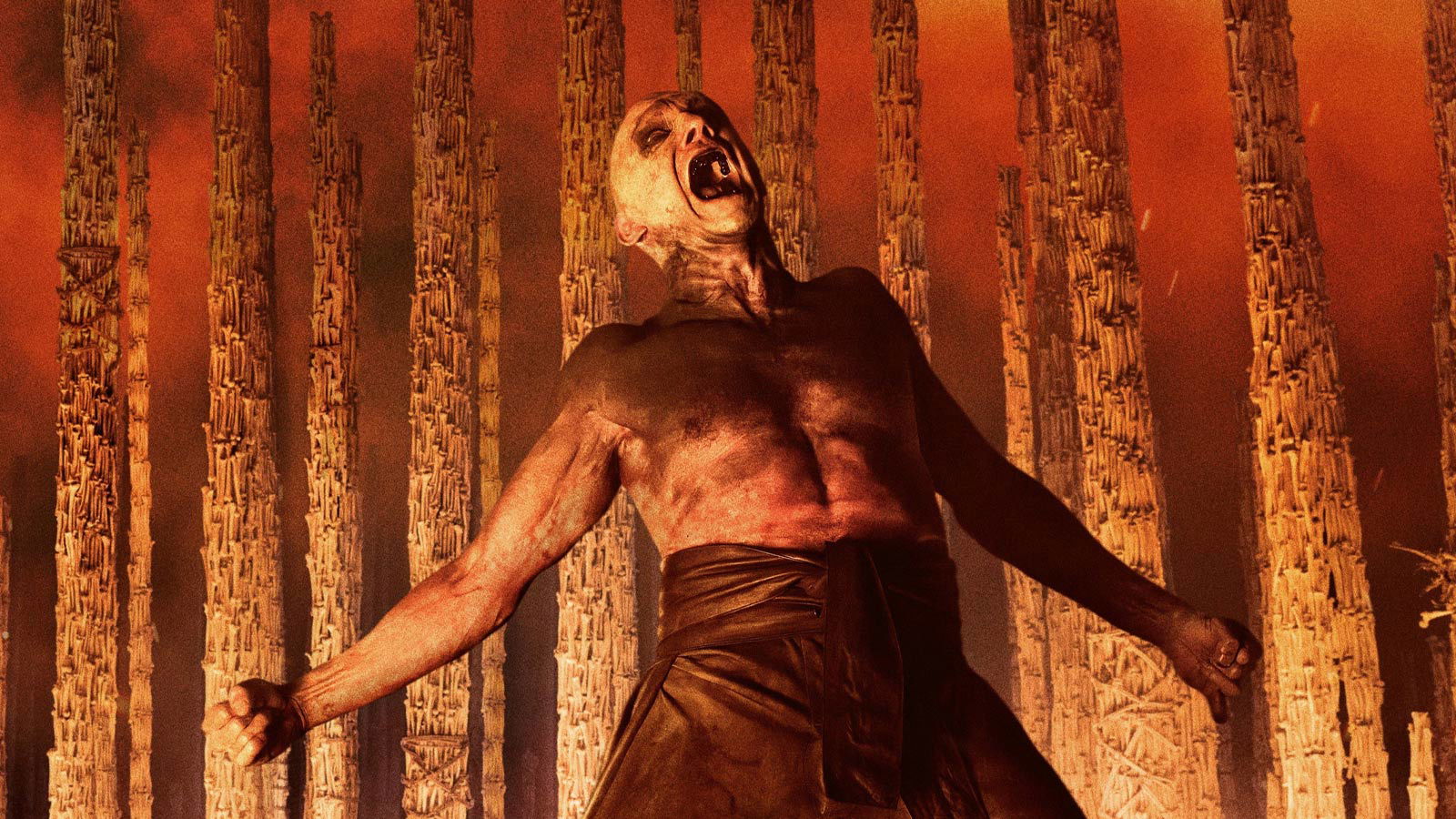
The success of the 2025 film immediately paved the way for its sequel, 28 Years Later Part II: The Bone Temple. While Danny Boyle directed the first installment of the new trilogy, the second part saw a change in leadership with Nia DaCosta (known for Candyman and The Marvels) taking the director's chair.
This "baton pass" strategy was designed to provide different stylistic perspectives on the same world while maintaining Alex Garland’s singular vision across all three scripts. Part II was filmed almost immediately after the first, ensuring a consistent production design and cast availability. This long-term planning suggests that the "28" franchise is no longer just a series of sequels, but a cohesive epic that aims to chronicle the entire lifecycle of a planetary-scale disaster.
Philosophical and Social Themes
Garland’s writing has always leaned toward the philosophical, and 28 Years Later is no exception. The film explores several "2026-relevant" themes:
- Generational Trauma: How do those born after the apocalypse view the "Old World"?
- Institutional Decay: The failure of military and scientific structures to provide lasting safety.
- Nature vs. Virus: How the British landscape has reclaimed urban centers, a visual metaphor for the persistence of biological life over human architecture.
The film avoids the "zombie action" cliches of the 2010s, focusing instead on the psychological toll of living in a state of permanent alert. It asks whether humanity can ever truly "recover," or if the goal must simply be to find a way to coexist with the new apex predator they created.
Frequently Asked Questions
Is Cillian Murphy the main character in 28 Years Later?
While Cillian Murphy returns to his iconic role as Jim, he is not the sole protagonist of the film. The story focuses on a new ensemble led by Aaron Taylor-Johnson and Jodie Comer. Murphy’s role is significant and serves as a bridge between the original film and the new trilogy, but the narrative is designed to pass the torch to a younger generation of survivors.
Do I need to watch 28 Weeks Later to understand the new movie?
While 28 Weeks Later is part of the franchise's history, 28 Years Later acts more as a direct thematic and creative successor to the original 2002 film. Because it is set so far in the future, the film is accessible to new viewers, though familiarity with the origins of the Rage Virus and Jim’s original journey will certainly enhance the viewing experience.
Why was the movie shot on an iPhone?
Director Danny Boyle and cinematographer Anthony Dod Mantle chose the iPhone 15 Pro Max to recapture the raw, low-fi energy of the original 28 Days Later, which was shot on standard-definition digital video. The portability of the smartphones allowed for unique angles and a sense of immediacy that mirrors the "Infected" experience, while the advanced sensors provided enough quality for a massive theatrical release.
Who directed the sequel to 28 Years Later?
The second film in the new trilogy, 28 Years Later Part II: The Bone Temple, was directed by Nia DaCosta. This change in directors was intended to bring a fresh visual style to the second chapter while keeping the overarching narrative consistent through Alex Garland’s scripts.
Is the Rage Virus different in this film?
The film introduces the idea of the "Third Generation" of the Rage Virus. While the fundamental characteristics—speed, aggression, and blood-borne transmission—remain the same, the virus has shown signs of adaptation. This makes the Infected more unpredictable and suggests a terrifying new level of biological integration with the human host.
Practical Recommendation for Viewers
For those looking to fully immerse themselves in the "28" universe, the best approach is to revisit the original 2002 28 Days Later to understand the visual and tonal DNA that Danny Boyle and Alex Garland have revived. 28 Years Later is best experienced on the largest screen possible to appreciate the unique "Shot on iPhone" cinematography, which combines intimate, handheld movement with sprawling, post-apocalyptic landscapes.
Following the movie, viewers should look for behind-the-scenes features regarding the production's technical hurdles, as the film marks a significant milestone in the history of smartphone-captured cinema. Keep an eye out for news regarding The Bone Temple, as the trilogy is designed to be watched as a continuous narrative arc.