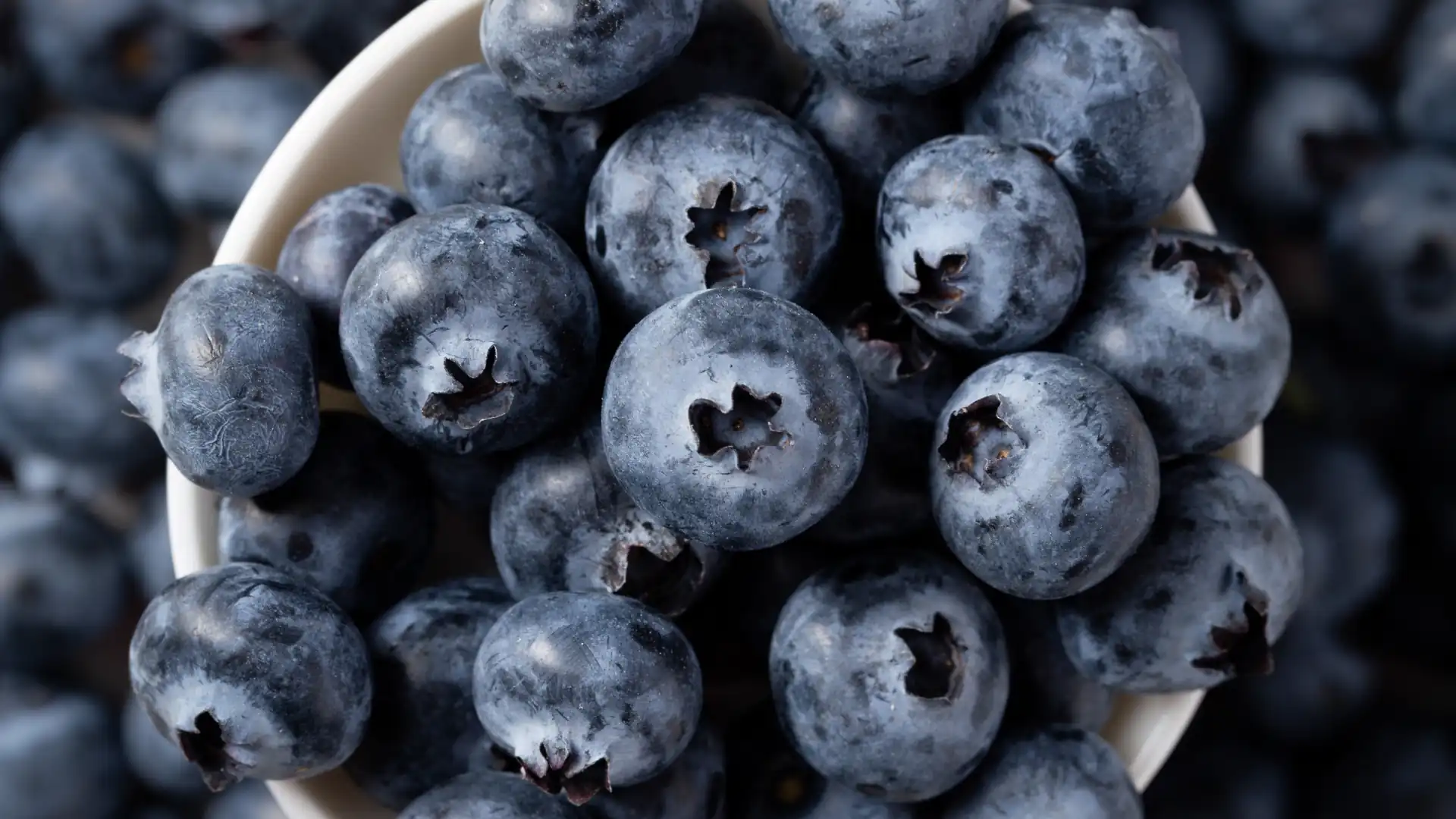
If you are concerned about blueberries purchased in 2025, it is essential to understand that food recalls are specific to lot numbers, distribution regions, and retail outlets rather than an entire fruit category. To determine if your fruit is affected, you must verify the specific brand, UPC codes, and "best by" dates against official databases maintained by the U.S. Food and Drug Administration (FDA).
Food safety recalls are serious events intended to prevent the consumption of products contaminated by pathogens such as Listeria monocytogenes, Salmonella, or physical contaminants like metal fragments. Because the 2025 calendar year has concluded, any lingering concerns regarding specific blueberry products typically involve pantry-stored items, such as frozen blueberries or dried blueberry products, rather than fresh fruit, which has a short shelf life. If you suspect you possess recalled product, the most critical step is to stop consumption immediately and either dispose of the item or return it to the point of purchase.
Understanding the Mechanics of a Food Recall
A recall is a voluntary or FDA-mandated action taken by a manufacturer or distributor to remove products from the market that may cause health risks. It is important to distinguish between a "market withdrawal," which often addresses minor labeling errors, and a "recall," which is usually initiated due to a safety threat.
When a company identifies a potential contamination in its supply chain—often through routine testing—they issue a recall announcement. This announcement is published on the FDA’s Enforcement Reports or the company’s own website. The notice will almost always include the following identifying information:
- Brand Name: The commercial name printed on the packaging.
- Product Description: Clarification of the item (e.g., "Frozen Organic Wild Blueberries, 16 oz bag").
- Lot Codes/Production Codes: Alphanumeric strings stamped on the packaging, usually near the barcode or the "best by" date. These are the most accurate way to distinguish between safe and contaminated batches.
- Distribution List: The states or specific retailers where the product was shipped.
Because agricultural products like blueberries are often packaged by third-party processors, one recall might affect multiple brands that share the same processing facility. This is why checking the specific manufacturer’s lot code is far more reliable than simply looking for a brand name.
Why 2025 Records Are Still Relevant
While fresh produce purchased in 2025 is long out of circulation, frozen or dried blueberry products have a significantly longer shelf life. Consumers frequently move frozen fruits to the back of a deep freezer, where they may remain for over a year. Consequently, a consumer might inadvertently consume a recalled product in 2026 that was originally flagged in 2025.
If you have frozen fruit in your freezer that you cannot definitively identify or that matches the description of a past recall, the consensus among food safety experts is that it is safer to discard the item than to risk illness. Pathogens like Listeria can survive freezing temperatures, meaning the freezing process does not act as a sterilization method.
How to Verify Your Products
To determine if your stored blueberries were part of a 2025 recall, follow this systematic verification process:
- Locate the Packaging: Do not rely on your memory of where you bought the item. You need the original bag or container to verify the batch numbers.
- Access Official Databases: Visit the FDA’s "Recalls & Safety Alerts" portal. Use the search function to filter by "Blueberries" and the timeframe of 2025.
- Cross-Reference the Data: Compare the UPC (Universal Product Code) and the specific manufacturing lot code on your package against the list provided in the FDA notice.
- Check Retailer Notifications: Many large grocery chains maintain their own "Product Recall" pages. If you bought the blueberries from a specific regional supermarket, check their website to see if they issued a dedicated notice for that branch.
If you cannot find the packaging and are unsure of the origin or the batch code, you should treat the product as potentially compromised if you have any reason to believe it is linked to a recalled brand or supplier.
Table: Comparison of Risk Factors in Fruit Recalls
| Risk Factor | Impact on Fresh Blueberries | Impact on Frozen/Dried Blueberries |
|---|---|---|
| Shelf Life | Very Short (1-2 weeks) | Long (12-24 months) |
| Exposure Window | Limited to 2025 | Extends into 2026/2027 |
| Pathogen Survival | Possible via surface | Likely, as freezing is not a kill step |
| Identification | Usually via lot/farm code | Via UPC and manufacturing batch |
Handling Contaminated or Suspected Items
If you confirm that your blueberries are part of a recall, or if you are highly suspicious of their safety, you must take immediate action to prevent cross-contamination in your kitchen.
- Do Not Eat: Do not attempt to wash the fruit or cook it to "kill" the bacteria. While cooking can kill many pathogens, some toxins produced by bacteria are heat-stable and may remain dangerous.
- Safe Disposal: Place the product in a sealed plastic bag before putting it in a trash bin that is inaccessible to children or pets.
- Sanitize: Clean any surfaces, utensils, or freezer drawers that came into contact with the product. Use a solution of one tablespoon of liquid bleach per gallon of water to sanitize surfaces.
- Document and Return: If you wish to seek a refund, take a photograph of the lot code and the packaging. Many retailers will provide a refund even without the physical product, provided you have clear evidence of the purchase and the lot information.
Navigating Symptoms and Health Risks
The primary risks associated with contaminated blueberries include Listeria, Salmonella, and E. coli. Symptoms typically manifest within a few hours to several days after ingestion.
- Listeria: Symptoms include fever, muscle aches, nausea, and diarrhea. This is particularly dangerous for pregnant individuals, the elderly, and those with weakened immune systems. If you have consumed a recalled product and experience these symptoms, contact a healthcare provider immediately.
- Salmonella/E. coli: These often present as severe abdominal cramping, vomiting, and bloody diarrhea. While many people recover without treatment, dehydration can become a severe complication.
If you suspect you have fallen ill due to a foodborne pathogen, it is important to notify your local health department. They track illness clusters to determine if a recall needs to be expanded or if further investigation is required.
Frequently Asked Questions
Can I wash the blueberries to make them safe? No. Washing cannot reliably remove internal bacterial contamination. If a batch of fruit was contaminated during processing, the pathogen may be present inside the fruit tissue, which washing will not address.
Is it safe to bake with recalled frozen blueberries? Generally, no. While high-temperature baking may kill many bacteria, it is not a guaranteed method for eliminating all types of pathogens or the toxins they produce. For your safety, dispose of any product subject to an official recall.
What should I do if I already ate the blueberries and feel fine? If you have eaten the product and are currently symptom-free, you do not need to take specific medical action. However, monitor your health closely for the next 72 hours. If symptoms develop, seek medical advice and inform the physician about the potential exposure.
Does a recall mean all blueberries are unsafe? Absolutely not. Recalls are targeted. They apply only to specific batches processed at specific times in specific facilities. The vast majority of blueberries available in the market are safe and remain a healthy dietary choice.
Where can I sign up for future recall alerts? The most effective way to stay informed is to subscribe to the FDA’s email list for "Recalls and Safety Alerts." You can also follow the official social media channels of major food safety agencies, which frequently broadcast urgent notifications.
Professional Guidance and Next Steps
Food recalls are managed with a high degree of specificity to minimize public panic while ensuring consumer safety. By focusing on the official lot numbers rather than generic product warnings, you can make informed decisions about the items in your home.
If you are currently holding any frozen blueberry products that you suspect were subject to a 2025 recall, verify them through the official FDA website or by contacting the manufacturer directly using the customer service number usually printed on the packaging. When in doubt, the most prudent course of action for any potentially tainted food product is to discard it. Maintaining a clean kitchen and staying vigilant about manufacturer announcements is the best defense against foodborne illness.