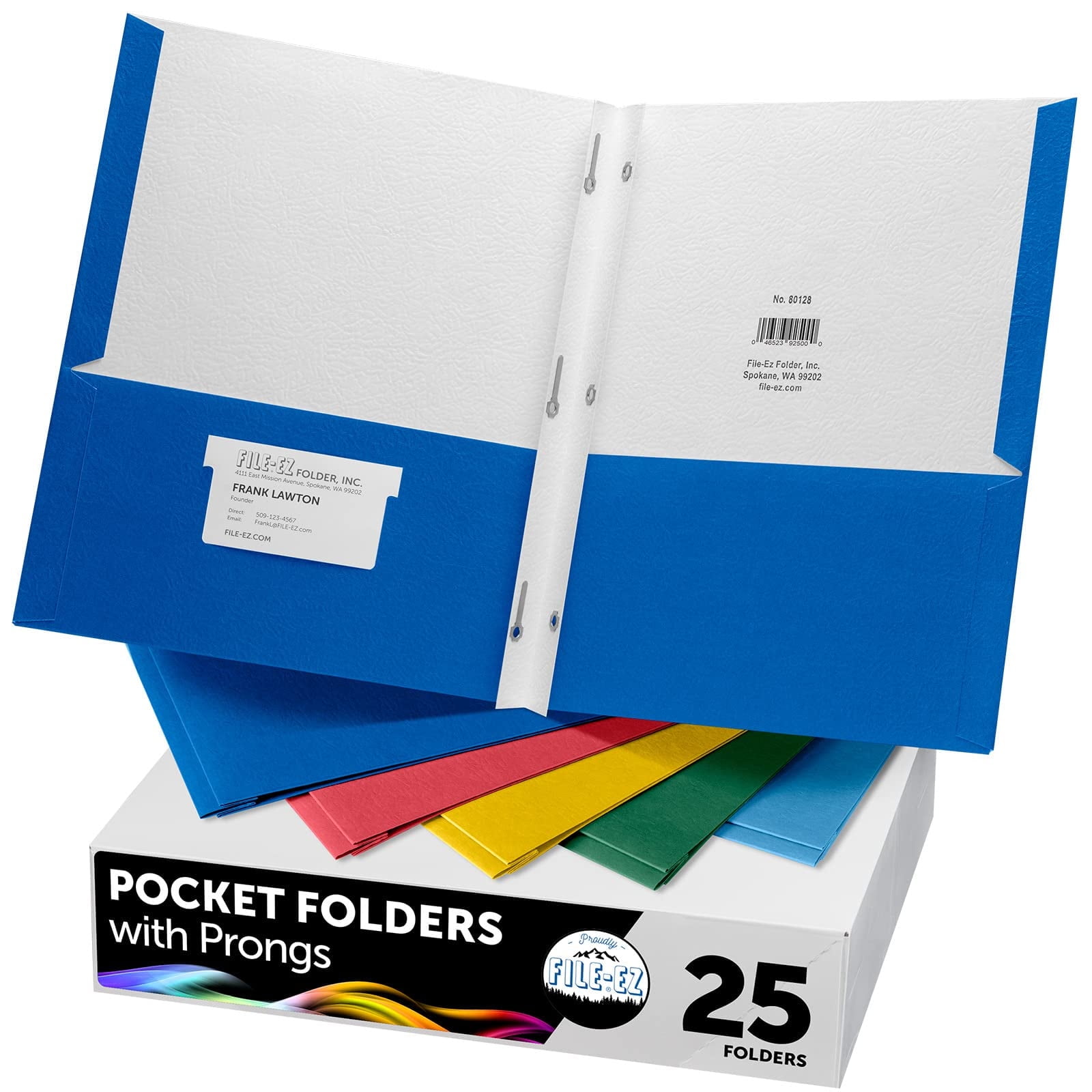
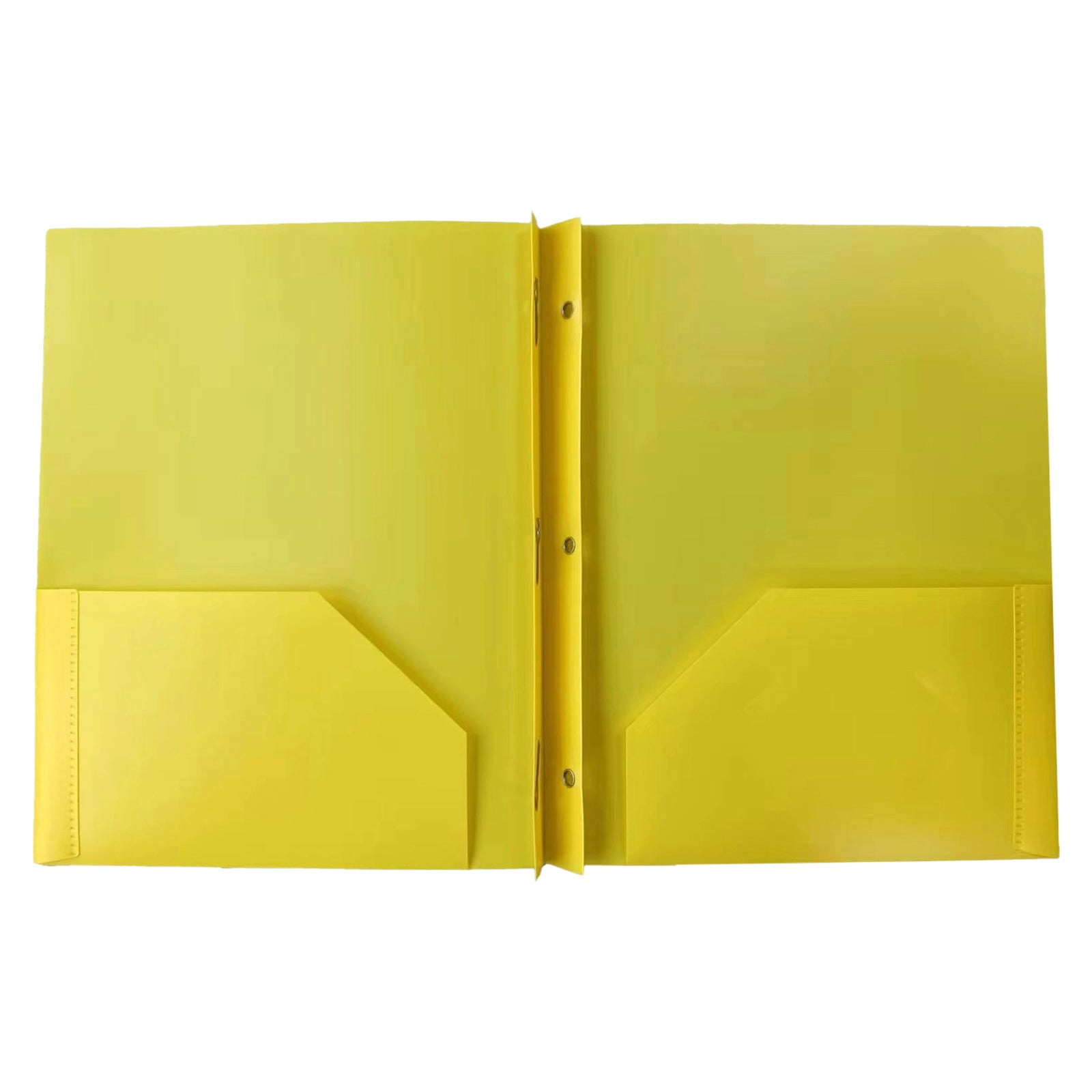
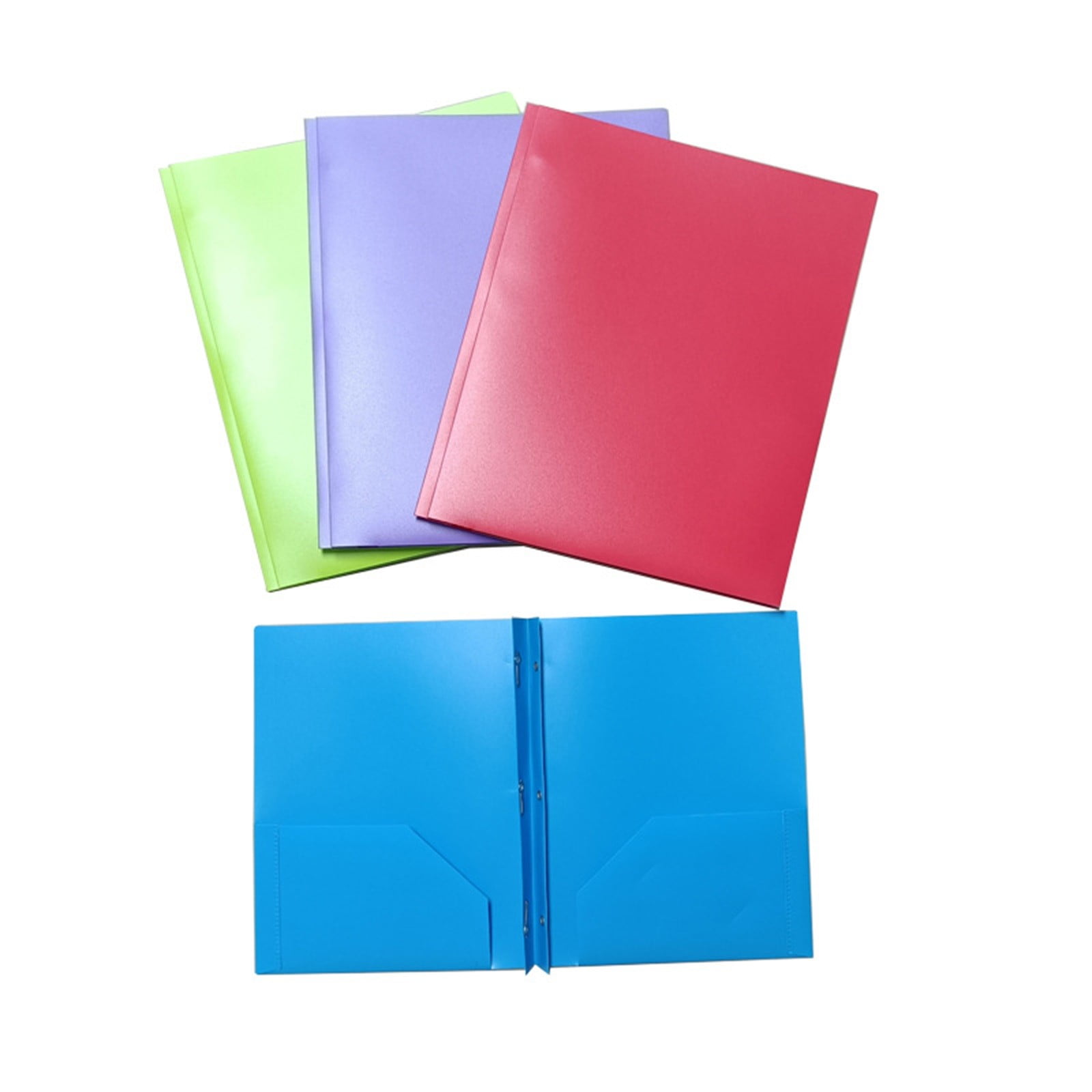
Prong folders remain an essential organizational staple across professional, educational, and domestic environments in 2026. Despite the ongoing digitization of document management, physical paper filing systems require robust hardware to maintain structural integrity, secure loose sheets, and prevent document degradation. This guide analyzes the technical specifications, material compositions, and optimal use cases for prong folders, helping you select the right filing solution for your specific organizational workflows.
Technical Anatomy and Material Composition of Modern Prong Folders
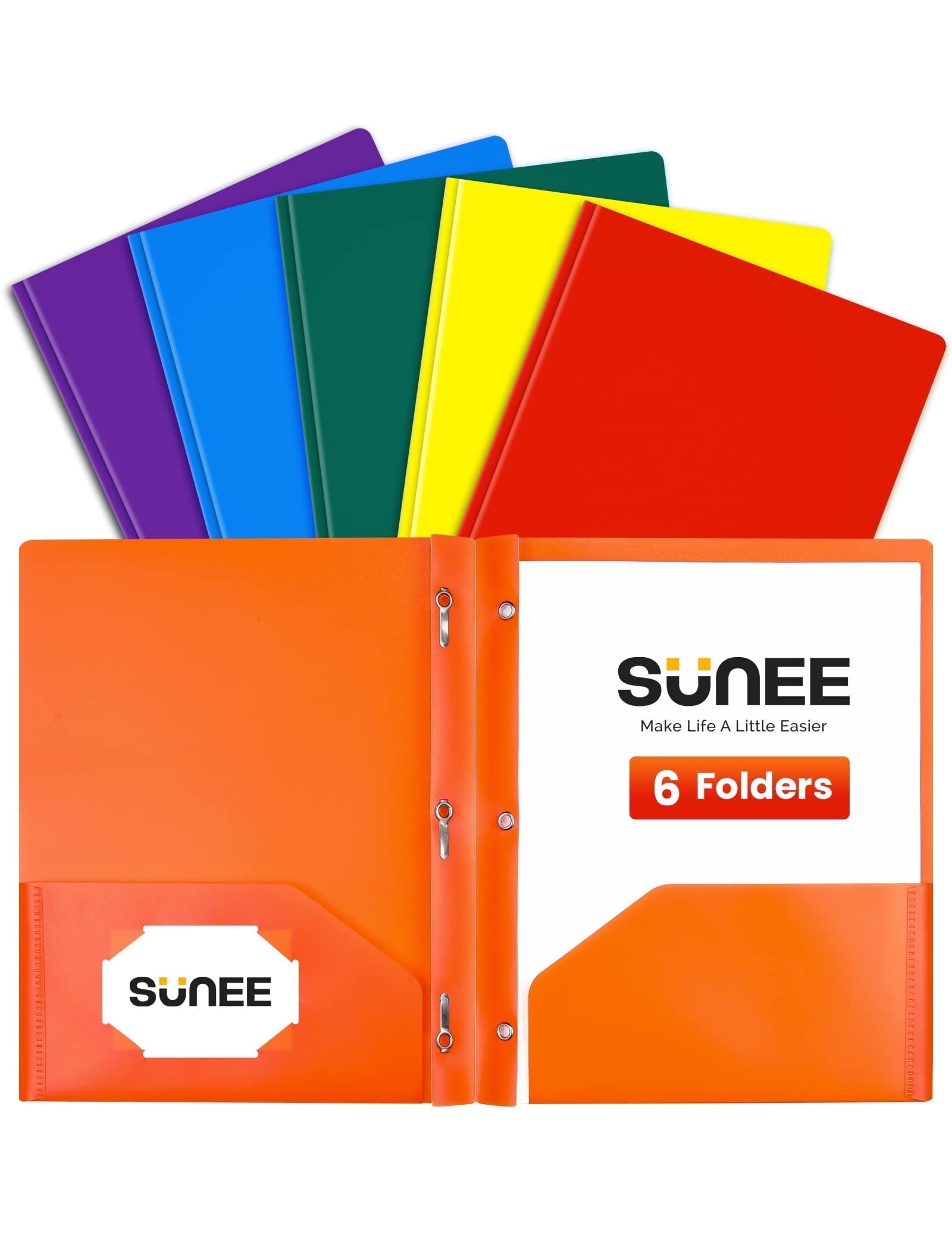
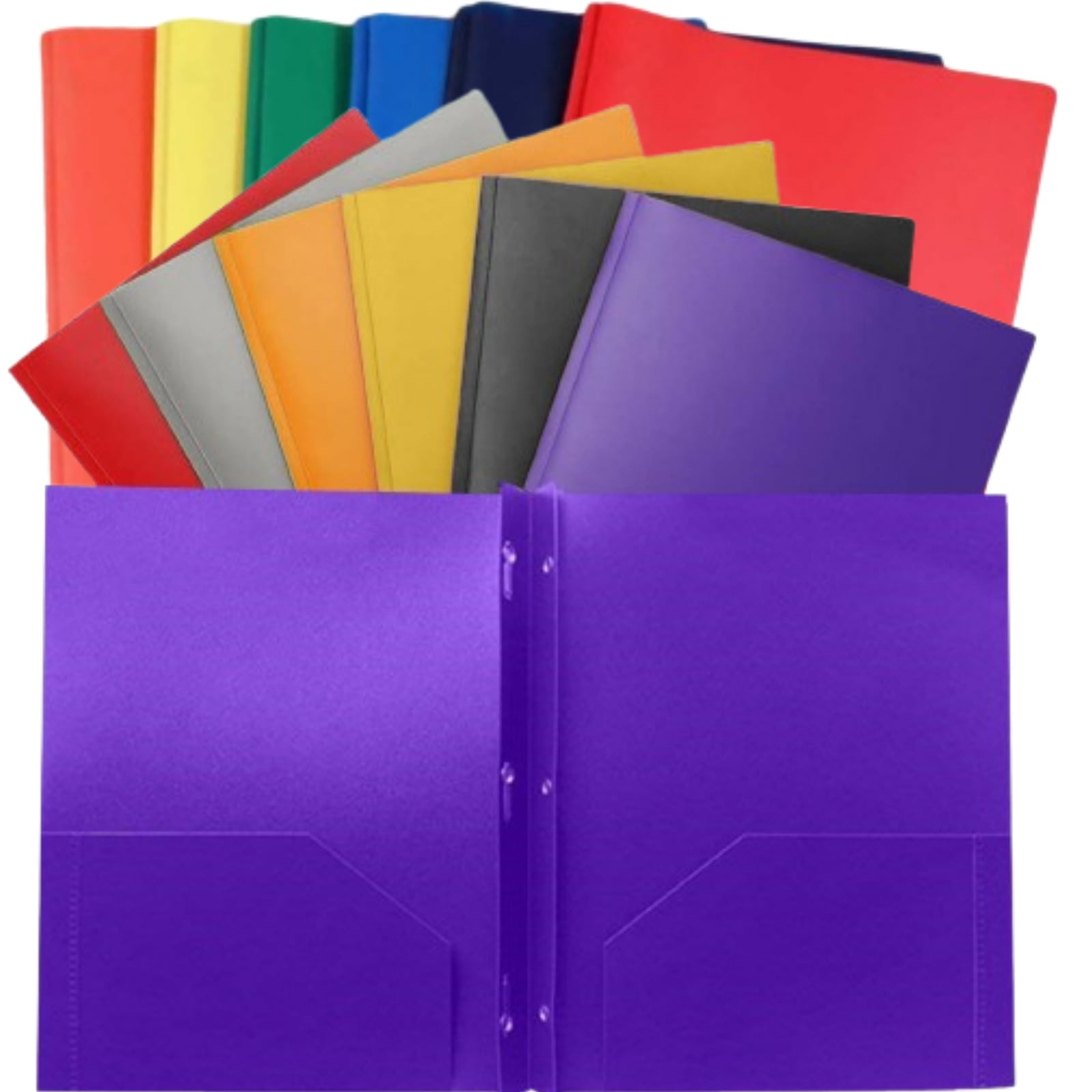
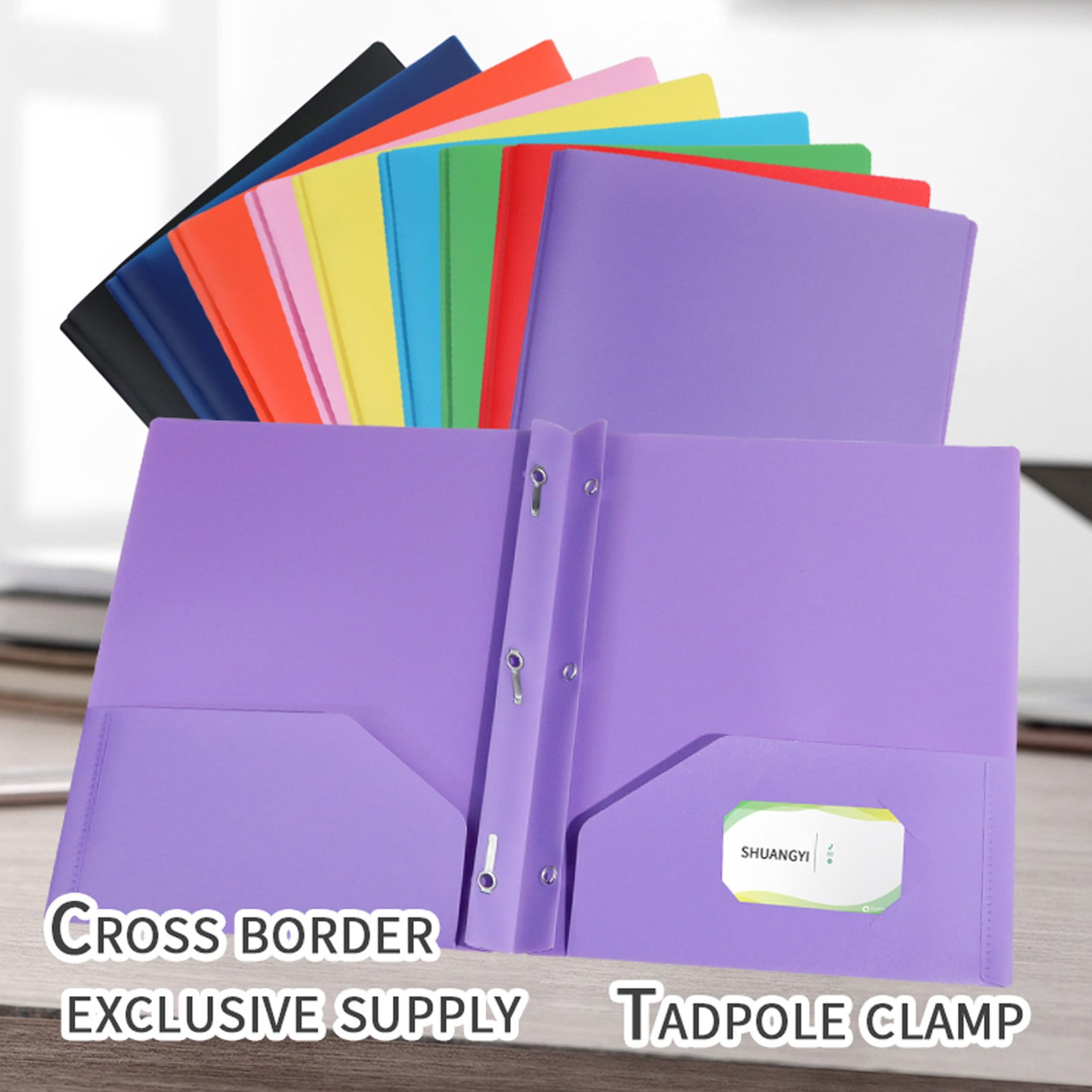
A standard prong folder relies on a mechanical fastener system embedded within a durable paperboard, pressboard, or polymer jacket. Understanding the build quality and engineering behind these folders ensures long-term document security.
- Fastener Mechanism: Typically constructed from electroplated steel or malleable aluminum, the two-prong fastener (most commonly standard 8.5-center-to-center spacing) allows punched paper to slide securely over the prongs before being locked down by a sliding compressor plate.
- Cover Material Variants:
- Heavy-Duty Pressboard: Manufactured from high-density wood fiber, offering exceptional tensile strength and resistance to tearing at the spine. Ideal for heavy archival storage.
- Polypropylene (Poly): A thermoplastic polymer offering water resistance, tear resistance, and high flexibility. Perfect for high-moisture or high-frequency transit environments.
- Standard Paperboard (Manila): Cost-effective, lightweight cardstock suitable for short-term projects and temporary sorting tasks.
- Reinforced Spines: Premium 2026 models feature Tyvek or cloth gusset reinforcements along the spine to prevent splitting during heavy-capacity loading.
Structural Variations and Capacity Specifications
Selecting the correct prong folder requires evaluating page capacity, fastener placement, and division requirements. Different professional workflows demand specialized structural designs.
| Folder Type | Primary Material | Max Sheet Capacity | Best Suited For |
|---|---|---|---|
| Standard 2-Prong Manila | 11pt - 14pt Manila Stock | 50 - 100 Sheets | Daily administrative files, light office notes |
| Heavy-Duty Pressboard | 25pt Pressboard with Tyvek Spine | 200 - 400 Sheets | Legal briefs, medical records, financial audits |
| Polymer Pocket Folder | Textured Polypropylene | 50 Sheets + Pockets | Educational handouts, client presentations |
| Prong Classification Folder | Pressboard with Multiple Dividers | 300+ Sheets (Multi-section) | Complex project management, human resource files |
Single vs. Multi-Prong Configurations
While single-fastener folders secure documents at the top or center, multi-prong classification folders use bonded fasteners on multiple panels or inner dividers. This allows users to segment a single dossier into distinct categories—such as correspondence, invoices, and contracts—without mixing documents.
Step-by-Step Guide to Organizing Documents with Prong Folders
Proper document preparation ensures that files held within prong folders do not tear, bunch, or degrade over time. Follow this structured process for efficient archiving:
- Document Sorting and Decluttering: Review all loose sheets, removing staples, paper clips, and adhesive notes that could distort the alignment of the pages on the prongs.
- Hole Punch Calibration: Use a standardized 2-hole or 3-hole punch configured to match the exact spacing of the folder's prongs. Test-punch a scrap piece of paper first to verify alignment.
- Chronological or Categorical Sequencing: Arrange documents in the preferred order. For financial and legal records, reverse chronological order (newest on top) is standard industry practice.
- Loading the Fastener: Gently flex the paper stack to align the punched holes, slide the stack over the metal prongs, and place the compressor bar over the papers.
- Securing and Labeling: Bend the prongs outward flat against the compressor bar. Apply a clear, printed adhesive label to the tab for rapid visual identification on shelving units or file drawers.
Comparative Analysis: Prong Folders vs. Alternative Filing Systems
Choosing between prong folders, ring binders, and hanging folders depends entirely on storage density, retrieval frequency, and portability requirements.
- Prong Folders vs. Ring Binders: Ring binders offer much higher sheet capacities and allow pages to turn like a book without punching holes. However, prong folders take up significantly less space in filing cabinets and are far more cost-effective for bulk archiving.
- Prong Folders vs. Hanging Folders: Hanging folders excel at fast drawer retrieval using vertical frames, but they lack internal fasteners, meaning loose papers easily slide out and scatter. Combining the two—placing prong folders inside hanging file folders—yields the ultimate hybrid filing system.
Pros and Cons of Utilizing Prong Folders
Advantages
- Permanent Security: Unlike pocket folders, fastened prongs eliminate the risk of document loss if the folder is dropped or inverted.
- Space Efficiency: Slim profiles allow high-density storage in standard lateral and vertical filing cabinets.
- Cost-Effectiveness: Economical pricing makes them scalable for large organizations, law firms, and educational institutions.
Disadvantages
- Hole Punch Requirement: Every sheet added must be manually hole-punched, which slows down rapid filing workflows.
- Page Turning Friction: Bound papers cannot rotate freely 360 degrees, making extended reading directly inside the folder cumbersome.
- Wear and Tear: Frequent removal and re-punching of pages can cause paper fibers around the holes to weaken and tear.
Expert Troubleshooting and Maintenance Tips
- Repairing Torn Punch Holes: If an important document tears away from the metal prongs, apply clear reinforcement rings (hole punch chasers) to both sides of the paper before re-inserting.
- Managing Overstuffed Spines: If a folder struggles to close due to high volume, upgrade to an expandable pressboard fastener folder with a reinforced fabric expansion gusset.
- Preventing Metal Corrosion: In humid storage environments, cheap metal prongs can rust and stain documents. Opt for folders equipped with brass-coated or stainless-steel fasteners for long-term archival preservation.
Frequently Asked Questions
What is the standard sheet capacity for a typical pressboard prong folder?
Standard pressboard prong folders typically hold between 150 to 200 sheets of standard 20lb bond paper securely on their fasteners. Heavy-duty models with expandable cloth gussets can accommodate up to 400 sheets safely.
Can I use prong folders without punching holes in my documents?
No, prong folders require documents to feature punched holes matching the spacing of the metal prongs to thread and secure the stack. If you wish to avoid punching holes, consider using poly pocket folders or bound ring binders instead.
Are eco-friendly prong folders available for sustainable offices?
Yes, many manufacturers produce prong folders using 100% recycled post-consumer waste pressboard and biodegradable or recyclable metal fasteners. These sustainable options maintain the exact structural rigidity and durability of traditional filing supplies.
How do I properly label prong folders for a color-coded filing system?
Use self-adhesive color-coded label tapes or pre-printed insert tabs placed on the top or side tab of the folder. Assign specific colors to departments, years, or project types to streamline visual identification and retrieval times.
What is the difference between a standard folder fastener and a bonded fastener?
A standard fastener is mechanically clinched directly through the back cover of the folder, while a bonded fastener is embedded on inner divider panels or affixed via heavy-duty adhesive plates to create multi-section filing partitions.
How should I store archived prong folders for long-term preservation?
Store your prong folders vertically in standard bankers boxes or metal filing cabinets in a cool, dry environment away from direct sunlight. Vertical storage prevents the weight of the paper from warping the spine and fasteners over extended periods.