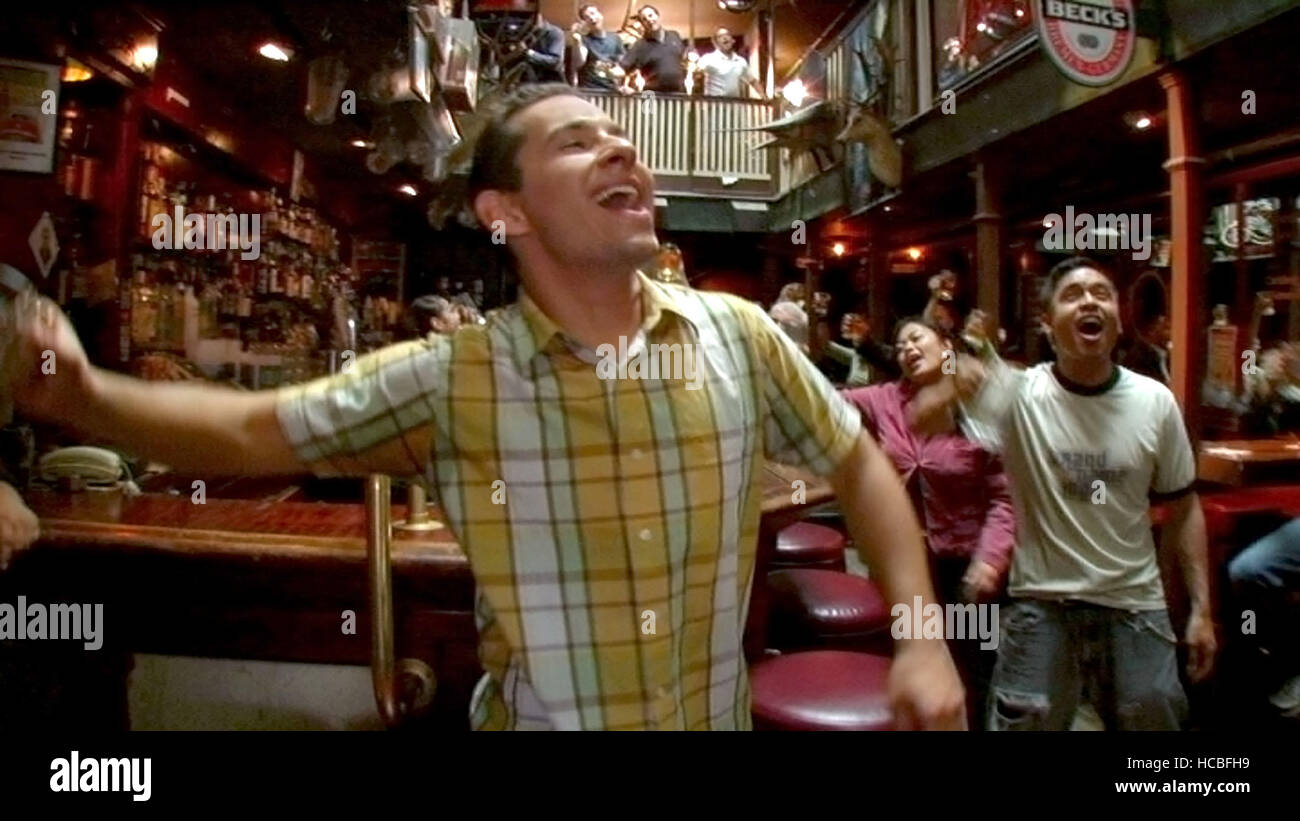
Colma: The Musical is a 2006 independent film directed by Richard Wong and written by H.P. Mendoza that blends the coming-of-age genre with an indie-pop musical score. It follows three friends in Colma, California, as they navigate post-high school life, cultural identity, and the struggle to find purpose in a town known primarily for its cemeteries.
The film remains a cornerstone of Asian-American cinema and independent musical theater. As we look at the film’s legacy in 2026, two decades after its initial release, its themes of suburban malaise, queer identity, and the "Fil-Am" (Filipino-American) experience continue to resonate with new generations of viewers. Whether you are a film student, a musical theater enthusiast, or someone discovering this "City of Souls" for the first time, understanding the technical and narrative layers of this production is essential to appreciating its place in film history.
The Unique Setting: Why Colma?
To understand the film, one must first understand the geographic and social reality of Colma, California. Located just south of San Francisco, Colma is famously known as the "City of the Silent." Due to a 1924 ordinance that evicted most cemeteries from San Francisco, Colma became the primary burial ground for the region. As of the early 21st century, the dead outnumber the living by a ratio of roughly 1,000 to 1.
For the protagonists—Rodel, Billy, and Maribel—the setting is a heavy metaphor. Growing up in a town where the primary industry is death creates a specific type of suburban claustrophobia. The film uses this backdrop to highlight the urgency of the characters' need to "live" before they, too, become part of the scenery. The juxtaposition of vibrant, indie-pop musical numbers against the gray, fog-drenched vistas of cemetery rows provides a visual and auditory irony that defines the movie’s aesthetic.
Narrative Structure and Character Arcs
The film is structured around three central characters, each representing a different facet of the transitional period between adolescence and adulthood.
Rodel (played by H.P. Mendoza)
Rodel serves as the emotional core of the film. He is a young Filipino-American man struggling to come out to his traditional and somewhat distant father. His arc explores the intersection of ethnic identity and sexuality. Unlike many coming-out stories of the mid-2000s, Rodel’s journey is not purely about tragedy; it is about the quiet, often awkward reality of seeking acceptance in a household where certain topics are simply never discussed.
Billy (played by Jake Thomas)
Billy represents the ambition and frustration of the suburban youth. He is a talented performer who dreams of leaving the Bay Area for the lights of New York City. His character highlights the "brain drain" of small towns, where the most creative individuals feel they must escape their roots to find success. However, Billy’s arc also questions whether running away is the same as moving forward.
Maribel (played by L.A. Renigen)
Maribel is the glue that holds the trio together, yet she often feels like the odd one out. As her friends look toward the exit, Maribel grapples with the fear of being left behind. Her character addresses the specific anxiety of being "average" in a world that demands exceptionalism.
The Music of Colma: The Musical
One of the most impressive technical feats of the film is its soundtrack. Written entirely by H.P. Mendoza, the music bypasses the traditional "Broadway" sound in favor of an eclectic indie-pop and lo-fi aesthetic. This choice was both artistic and practical, fitting the film’s micro-budget origins while appealing to the sensibilities of the 2000s indie scene.
Key Musical Numbers
- "Colma": The opening track establishes the setting and the tone. It is upbeat but lyrically sardonic, introducing the audience to the "City of Souls."
- "The Night Before": A poignant exploration of the anxiety felt before a major life change. It captures the frantic energy of youth trying to make a single night last forever.
- "Goodbye, Goodbye": A melancholic reflection on the inevitability of change and the dissolution of childhood friendships.
The songs are integrated into the narrative using a "diegetic-adjacent" style. Characters often transition into song as an extension of their internal monologues, a technique that allows for deep character development without slowing down the plot.
Technical Production and "The DVX100 Era"
From a technical SEO and film history perspective, Colma: The Musical is a vital example of the "digital revolution" in independent filmmaking. Shot on a Panasonic AG-DVX100, the film utilized the 24p (24 frames per second) progressive scan capability that allowed digital video to mimic the look of traditional motion picture film.
Budget and DIY Ethos
With a budget estimated at around $15,000 to $20,000, the production relied on community support, guerilla filmmaking tactics, and multi-hyphenate talent. Richard Wong acted as director, cinematographer, and editor, while H.P. Mendoza handled the script, music, and a lead acting role. This lean production model proved that high-concept ideas—like a full-scale musical—could be executed without studio backing.
Visual Style
The cinematography favors natural lighting and the naturalistic fog of the San Francisco Peninsula. This "gray" palette serves as a canvas for the colorful performances, creating a grounded, "mumblecore-meets-musical" vibe that was revolutionary for its time.
Historical Significance and Asian-American Representation
In 2026, we recognize Colma: The Musical as a pioneer in Asian-American representation. Long before the mainstream success of films like Crazy Rich Asians or Everything Everywhere All At Once, Colma depicted Filipino-American life not as a monolith or a series of stereotypes, but as a lived-in, specific reality.
The characters’ heritage is a part of their identity, but it is not the only part. They deal with overbearing parents and cultural expectations, but they also deal with universal themes of heartbreak, career failure, and artistic passion. This "normalized" representation was a significant shift in how minority stories were told in independent cinema.
| Feature | Specification / Detail |
|---|---|
| Director | Richard Wong |
| Writer / Composer | H.P. Mendoza |
| Release Year | 2006 (Original), 2026 (20th Anniversary) |
| Genre | Indie Musical / Coming-of-Age |
| Primary Location | Colma, California |
| Camera Tech | Panasonic AG-DVX100 (SD Digital Video) |
| Runtime | 101 Minutes |
| Awards/Honors | Gotham Award Nominee, Independent Spirit Award Nominee |
Critical Reception and Awards
Upon its release, the film was a "festival darling," premiering at the San Francisco International Asian American Film Festival (now CAAMFest). It garnered significant attention for its audacity and heart.
- Independent Spirit Awards: The film was nominated for the "Someone to Watch" award, signaling Richard Wong’s arrival as a major directorial talent.
- Gotham Awards: It received a nomination for "Best Film Not Playing at a Theater Near You," a category that celebrated high-quality indie films with limited distribution.
- Critical Praise: Major outlets like The New York Times and Variety praised the film for its originality. Critics specifically noted that the low-budget aesthetic added to the film's charm rather than detracting from it.
Where to Watch and Current Status (2026)
As of 2026, Colma: The Musical has undergone a digital restoration to preserve its unique visual style for modern 4K displays, despite being shot in standard definition.
- Streaming: The film is frequently available on platforms specializing in independent and Asian-American cinema, such as the Criterion Channel or MUBI.
- Physical Media: A 20th-anniversary special edition Blu-ray was released in 2026, featuring a remastered soundtrack, deleted musical numbers, and a retrospective documentary featuring the original cast.
- Educational Use: It is a staple in Asian-American studies and Film Production courses at universities across the United States.
Common Misconceptions
One common misconception is that Colma: The Musical is a horror film due to its cemetery setting. In reality, the cemeteries are treated with a sense of suburban normalcy—they are just the "backyard" where these characters grow up. Another misconception is that it is a traditional "jazz-hands" musical. It is much closer in spirit to a concept album or an indie-rock opera.
Impact on the Careers of Wong and Mendoza
The success of Colma launched the careers of its creators. Richard Wong went on to direct films like Flower Drum Song (revival projects) and the acclaimed 2019 film The Sun Is Also a Star. H.P. Mendoza became a prolific voice in indie cinema, directing Fruit Fly (another musical) and the horror-satire Bitter Melon.
Their collaboration on Colma set a standard for "hyper-local" filmmaking—the idea that the more specific a story is to a particular place and culture, the more universal its appeal becomes.
FAQs About Colma: The Musical
Is Colma: The Musical based on a true story?
While not a literal biography, the film is heavily autobiographical. H.P. Mendoza wrote the script based on his own experiences growing up in the San Francisco Bay Area and his feelings of displacement and creative longing as a young Filipino-American. Many of the awkward social interactions and family dynamics are drawn from the real lives of the creators.
Why is it called the "Musical for people who hate musicals"?
This tagline was often used during its initial release. It refers to the film's avoidance of musical theater tropes. There are no sudden bursts into dance with a background chorus; the songs are personal, often acoustic or synth-driven, and feel like a natural extension of the characters' thoughts rather than a staged performance.
How does the film represent the Filipino-American experience?
The film captures the "Second Generation" experience—the tension between the cultural traditions of immigrant parents and the contemporary American reality of their children. It touches on food, family gatherings, and the pressure to succeed, but it does so through a lens of modern suburban life rather than historical trauma.
What was the significance of the "City of Souls" in the movie?
The "City of Souls" is a nickname for Colma. In the film, it represents the stagnation the characters feel. By placing a story about vibrant, loud, and searching youth in a city dedicated to the silent dead, the filmmakers emphasize the preciousness and the frustration of being young and alive.
Are the actors actually singing in the film?
Yes, the actors performed their own vocals. Since H.P. Mendoza wrote the music specifically for these characters and, in many cases, for these specific actors, the songs fit their vocal ranges and personalities perfectly. The raw, sometimes unpolished nature of the singing adds to the film's indie authenticity.
Has there ever been a stage version of Colma: The Musical?
While the film was written directly for the screen, there have been various staged concert versions and community theater adaptations over the years, particularly in the San Francisco Bay Area. However, the film's use of real locations (the actual cemeteries and streets of Colma) remains the definitive way to experience the story.
Final Recommendation: Why You Should Watch It Now
If you have ever felt stuck in your hometown, struggled with your identity, or found yourself humming a tune to process your emotions, Colma: The Musical is essential viewing. Even in 2026, its "low-fi" heart beats stronger than many big-budget productions.
Next Action: For the best experience, seek out the 20th-anniversary remastered version. Pay close attention to the lyrics of "The Night Before"—it remains one of the most accurate depictions of youthful uncertainty ever captured on film. Afterward, explore the later works of H.P. Mendoza to see how the themes of Colma evolved over the subsequent two decades.