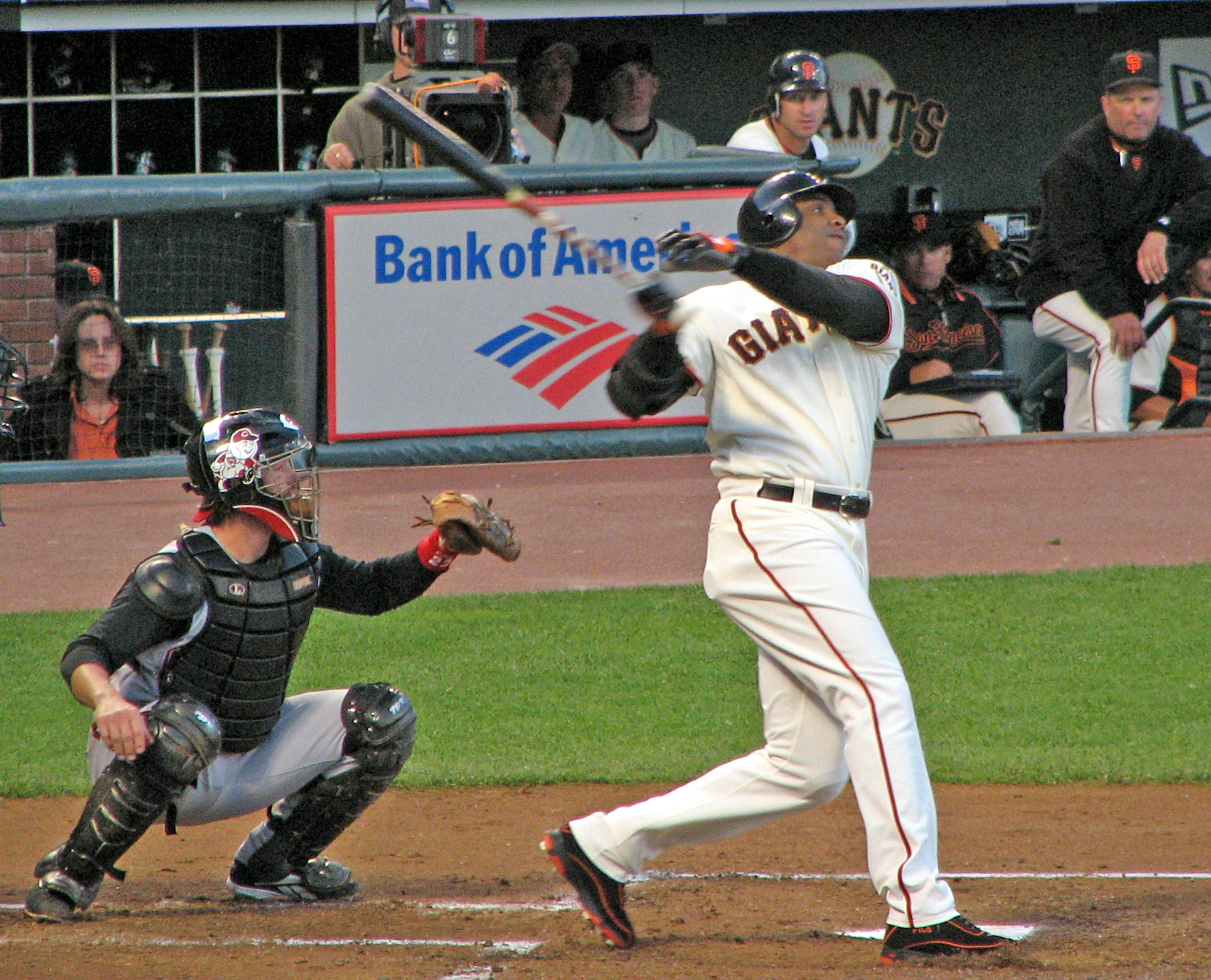
Barry Bonds remains one of the most polarizing and statistically dominant figures in the history of Major League Baseball. His journey encompasses a rich athletic pedigree, record-setting professional contracts, substantial career earnings, and a complex cultural legacy defined by unmatched hitting prowess and intense controversy.
The Athletic Lineage: Family Background and Early Influences
To understand Barry Bonds, one must examine a deeply rooted baseball lineage that shaped his development long before he reached the major leagues. Born on July 24, 1964, in Riverside, California, Barry Lamar Bonds grew up immersed in the sport. His father, Bobby Bonds, was a dynamic major league star known for combining power and speed, earning three All-Star selections and three Gold Glove Awards during a 14-year career primarily with the San Francisco Giants. Bobby Bonds instilled a rigorous work ethic in his son, teaching him the finer technical aspects of hitting, base running, and outfield play.
Furthermore, Barry Bonds boasts another baseball giant in his immediate family: his cousin is baseball legend and Hall of Famer Reggie Jackson. Growing up with a father and a cousin who achieved elite status at the highest level of professional sports provided Bonds with a unique vantage point. He understood the mental demands, media scrutiny, and physical sacrifices required to sustain a long career in the big leagues.
The family environment also included his mother, Patricia Bonds, who provided stability amidst the demanding travel schedule of a professional athlete. This athletic background accelerated his development at Junipero Serra High School in San Mateo, California, where he excelled in baseball, basketball, and football. Although the San Francisco Giants drafted him out of high school in 1982, Bonds opted instead to attend Arizona State University, a decision that further refined his collegiate baseball skills before entering the professional ranks.
Professional Career Overview and Team Tenures
Barry Bonds enjoyed a 22-season major league career split between two historic franchises: the Pittsburgh Pirates and the San Francisco Giants. The Pirates selected him in the first round (sixth overall) of the 1985 Major League Baseball Draft. After a brief minor league stint, Bonds made his major league debut on May 30, 1986.
The Pittsburgh Pirates Era (1986–1992)
During his time in Pittsburgh, Bonds blossomed into a premier all-around player. He captured his first two National League Most Valuable Player awards in 1990 and 1992, showcasing a rare blend of elite defense, base-stealing ability, and burgeoning power. Under manager Jim Leyland, Bonds helped guide the Pirates to three consecutive National League Eastern Division titles from 1990 to 1992. However, the team fell short of reaching the World Series, losing the National League Championship Series each time.
The San Francisco Giants Era (1993–2007)
As a free agent prior to the 1993 season, Bonds signed a record-breaking contract with the San Francisco Giants, returning to the Bay Area where he spent much of his childhood. This era marked his ascension into the pantheon of baseball history. In his first year with the Giants (1993), he won his third MVP award.
Over the next decade and a half, Bonds rewrote the record books. He secured an unprecedented seven National League MVP awards, earned 14 All-Star selections, and won eight Gold Glove Awards over his career. His patient batting eye, combined with terrifying raw power, led opposing pitchers to issue intentional walks at historic rates, sometimes even with the bases loaded.
| Metric / Milestone | Barry Bonds Career Statistics |
|---|---|
| Major League Seasons | 22 (1986–2007) |
| Teams Played For | Pittsburgh Pirates, San Francisco Giants |
| Career Home Runs | 762 (All-Time Major League Record) |
| Most Valuable Player (MVP) Awards | 7 (Most in MLB History) |
| All-Star Selections | 14 |
| Gold Glove Awards | 8 |
| Career Batting Average | .298 |
| Career On-Base Percentage (OBP) | .444 (Second All-Time) |
| Career Walks | 2,558 (All-Time Record) |
| Intentional Walks | 688 (All-Time Record) |
Career Earnings and Financial Portfolio
Throughout his two decades in professional baseball, Barry Bonds accumulated massive salary earnings, reflecting his status as one of the game's elite talents. His financial trajectory shifted dramatically as free agency rules evolved and his on-field performance reached historic heights.
Major League Salary Breakdown
Bonds earned an estimated total of approximately $188 million in base salaries alone over his 22-year career, excluding endorsements, bonuses, and post-career business ventures.
- Pittsburgh Pirates Years: Early in his career, salaries were modest compared to modern figures. Bonds made league minimums and early arbitration salaries, culminating in a $4.7 million salary for his final year in Pittsburgh in 1992.
- First Giants Contract (1993–1998): Upon joining the Giants, Bonds signed a then-record six-year, $43.5 million contract, averaging roughly $7.25 million annually. At the time, this made him the highest-paid player in baseball.
- Second Giants Contract (1999–2005): In 1999, Bonds signed a lucrative three-year, $45 million extension with club options that ultimately carried through the early 2000s, pushing his annual earnings past $20 million per year.
- Late-Career Extensions (2006–2007): As he chased home run records in his final professional seasons, Bonds signed one-year contracts with the Giants, earning approximately $18 million in 2006 and roughly $15.8 million in 2007, his final major league season.
Endorsements and Business Ventures
Beyond his playing contracts, Bonds generated millions through high-profile corporate endorsements with brands such as Nike, Rawlings, MasterCard, and Charles Schwab during the peak of his career. While some commercial partnerships receded as controversies mounted in the mid-2000s, his peak earning years established a robust financial foundation.
Estimated Net Worth
As of 2026, Barry Bonds' estimated net worth is generally evaluated between $50 million and $80 million. This figure accounts for his cumulative baseball earnings, smart real estate investments—including former properties in Beverly Hills and the San Francisco Bay Area—and ongoing private business holdings.
The Legacy: Records, Controversy, and the Hall of Fame Debate
Barry Bonds' baseball legacy remains one of the most complex in sports history, split between staggering statistical achievements and intense controversy regarding performance-enhancing drugs.
The Records
On August 7, 2007, at AT&T Park in San Francisco, Bonds hit his 756th career home run off Washington Nationals pitcher Mike Basking, breaking Hank Aaron's enduring major league record of 755. Bonds finished his career with 762 home runs.
He also holds the single-season home run record, hitting 73 home runs in 2001, eclipsing Mark McGwire’s mark of 70. Furthermore, his ability to draw walks remains legendary; he was intentionally walked 688 times, and pitchers bypassed him so frequently that he set single-season records for walks (232 in 2004) and on-base percentage (.609 in 2004).
The Controversy
Despite these numbers, Bonds' career became heavily intertwined with the BALCO scandal and federal investigations into the distribution of performance-enhancing drugs in professional sports. Although he steadfastly denied knowingly using illegal substances, reports, grand jury testimonies, and subsequent legal battles cast a shadow over his accomplishments. He was indicted on charges of perjury and obstruction of justice in 2007, resulting in a 2011 conviction for obstruction of justice, which was later overturned by a federal appeals court in 2015.
Hall of Fame Status
The shadow of the steroid era directly impacted Bonds' eligibility for the National Baseball Hall of Fame. During his ten years on the Baseball Writers' Association of America (BBWAA) ballot (ending in 2022), Bonds saw his vote totals rise steadily but fall short of the required 75% threshold, peaking at 66% in his final year of eligibility.
He remains eligible for consideration through the contemporary era committee processes, ensuring that discussions regarding his place in Cooperstown will persist for generations.
Frequently Asked Questions
What is Barry Bonds' career home run total?
Barry Bonds hit 762 regular-season home runs during his 22-year major league career, setting the all-time Major League Baseball record that stood unbroken into 2026.
How many Most Valuable Player awards did Barry Bonds win?
Bonds won seven National League MVP awards (1990, 1992, 1993, 2001, 2002, 2003, and 2004), which is the most in MLB history by any single player.
What was Barry Bonds' total salary earnings as a player?
Over 22 seasons with the Pittsburgh Pirates and San Francisco Giants, Bonds earned approximately $188 million in base playing salaries, not including endorsement deals or post-career investments.
Is Barry Bonds in the National Baseball Hall of Fame?
As of 2026, Barry Bonds is not inducted into the National Baseball Hall of Fame. He exhausted his ten-year eligibility on the BBWAA ballot in 2022 without reaching the required 75% vote threshold, though he remains eligible for future consideration via era committees.
Who are Barry Bonds' notable family members in sports?
Barry Bonds comes from a distinguished athletic family. His father, Bobby Bonds, was a three-time MLB All-Star outfielder, and his cousin is Baseball Hall of Famer Reggie Jackson.
Practical Next Steps for Baseball Researchers
For sports analysts, historians, and fans looking to study Barry Bonds' career further, consulting primary statistical databases such as Baseball-Reference and FanGraphs provides granular plate-discipline metrics and advanced analytics. Reviewing official MLB archival video footage and examining legal documents from the BALCO investigations offers a comprehensive, balanced view of the intersection between historic athletic achievement and modern sports jurisprudence.