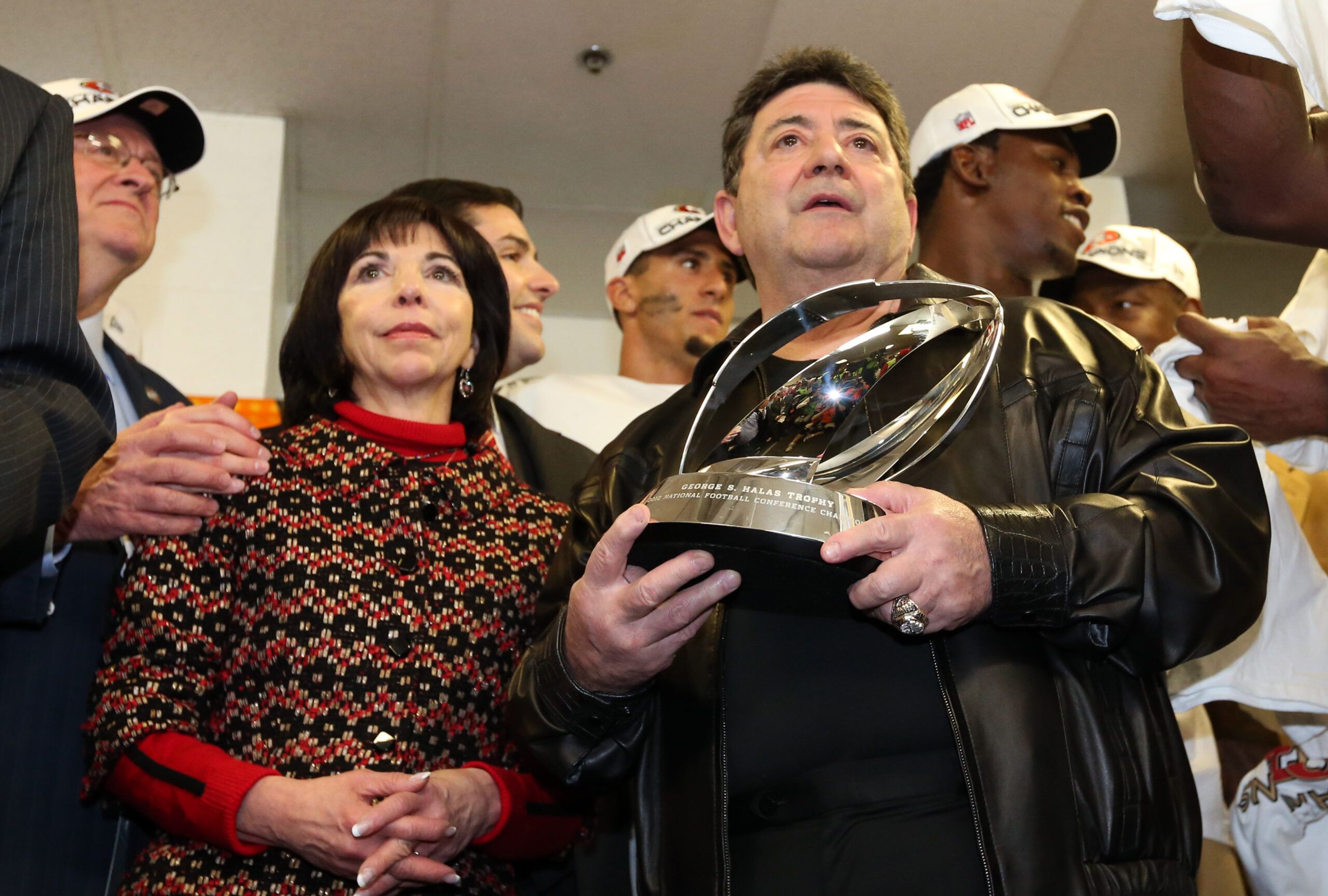
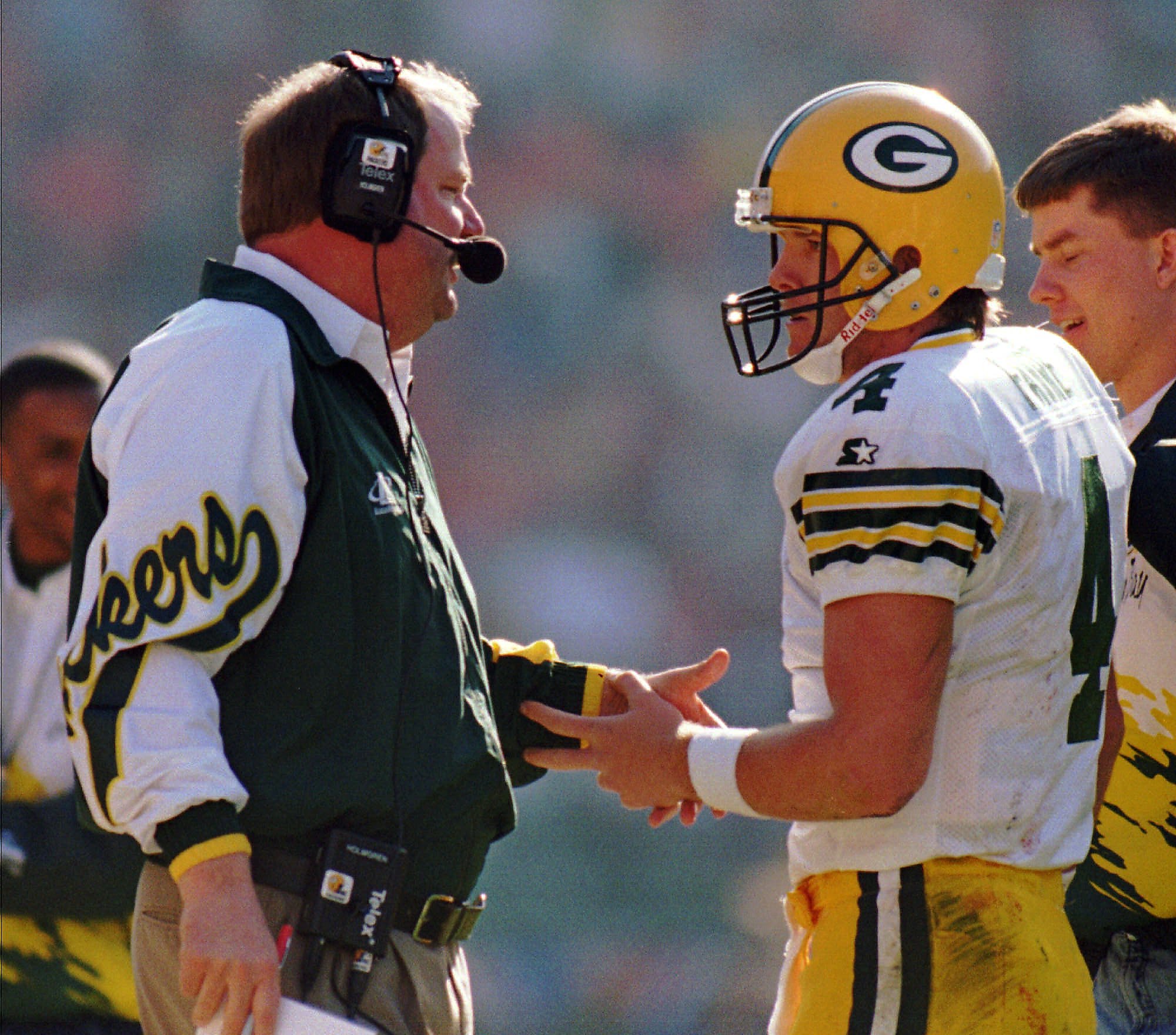
The ownership history of the San Francisco 49ers spans the founding of the franchise in 1946 by Tony Morabito through decades of tragic loss, legendary success, and eventual transition to the York family, who currently guide the operational and financial destiny of the storied National Football League organization.
Introduction: The Foundation and Evolution of an NFL Dynasty
Understanding the San Francisco 49ers requires tracing a multi-generational lineage of ownership, executive leadership, and family stewardship. Founded in 1946 as a charter member of the All-America Football Conference (AAFC) before merging into the National Football League in 1950, the franchise has transformed from a regional West Coast pioneer into a global sports and entertainment enterprise.
The historical trajectory is characterized by distinct eras: the founding vision of the Morabito brothers, the transitional period under industrialist Edward J. DeBartolo Jr., and the modern era managed by the York family. This comprehensive review examines the pivotal milestones, operational shifts, and ownership changes that shaped one of professional football's most successful organizations.
The Morabito Era: Founding and Early Struggles (1946–1977)
The origins of the San Francisco 49ers trace back to Tony Morabito, a successful West Coast businessman and lumber executive who secured a franchise in the newly formed All-America Football Conference in 1946. Morabito, alongside his partner and younger brother Victor Morabito, envisioned bringing major professional football to the San Francisco Bay Area.
AAFC Origins and the 1950 NFL Merger
During the AAFC years (1946–1949), the 49ers established a competitive roster under head coach Lawrence "Buck" Shaw, featuring legendary offensive weapons such as Frankie Albert, Joe Perry, and T. A. McLendon. When the AAFC dissolved following the 1949 season, the 49ers—along with the Cleveland Browns and Baltimore Colts—were absorbed into the National Football League for the 1950 season.
Integrating into the NFL proved challenging for the expansion franchise. While the team boasted explosive offenses, they struggled to consistently match the depth and physicality of established NFL powerhouses like the Chicago Bears, Los Angeles Rams, and New York Giants.
Tragedy and Family Stewardship
The franchise suffered profound emotional and operational shocks in the late 1950s. On October 27, 1957, Tony Morabito suffered a fatal heart attack in the owner's box during a game against the Chicago Bears at Kezar Stadium. Following Tony’s sudden passing, his brother Victor Morabito assumed control of the franchise.
Victor's tenure was also cut short when he passed away unexpectedly in 1964. Ownership subsequently transferred to Victor's widow, Jane Morabito, and Tony's widow, Josephine Morabito. During this era, day-to-day operations were managed by various executives, including Louis Spadia, who served as general manager and minority owner.
By the mid-1970s, escalating player salaries, rising operational costs, and the desire to build a competitive championship roster prompted the Morabito family to explore selling the team. Financial pressures made it increasingly difficult for independent family ownership groups to compete without substantial outside industrial capital.
The DeBartolo Era: Building a Dynasty (1977–2000)
In March 1977, Edward J. DeBartolo Sr., a billionaire real estate magnate from Youngstown, Ohio, purchased the San Francisco 49ers from the Morabito family and Jane/Josephine Morabito. Although DeBartolo Sr. technically bought the franchise, he immediately gifted control and ownership of the team to his 30-year-old son, Edward J. DeBartolo Jr.
The Rise of Bill Walsh and Joe Montana
The early years of the DeBartolo Jr. ownership were tumultuous, marked by a rebuilding phase under head coach Dick Nolan and later San Francisco native Bill Walsh. Hired in 1979, Walsh installed the revolutionary West Coast Offense and systematically reshaped the franchise's personnel philosophy.
DeBartolo Jr. provided financial backing and organizational support that set a new standard for player treatment, travel accommodations, and training facilities in the NFL. This partnership yielded immediate dividends. In the 1981 NFL season, the 49ers captured Super Bowl XVI, defeating the Cincinnati Bengals 26–21 at the Pontiac Silverdome.
Sustained Excellence and Multiple Championships
Throughout the 1980s and 1990s, the 49ers under DeBartolo Jr. became the league's definitive model of excellence. Key operational milestones included:
- Draft Brilliance: Securing franchise cornerstones such as quarterback Joe Perry successors, Joe Montana, Ronnie Lott, Jerry Rice, Steve Young, and Charles Haley.
- Coaching Continuity: Transitioning seamlessly from Bill Walsh to his handpicked successor, George Seifert, in 1989.
- Championship Era: Accumulating five Super Bowl titles (XVI, XIX, XXIII, XXIV, and XXIX) across two distinct coaching regimes, establishing a legacy matched by few franchises in sports history.
Legal Troubles and Transfer of Control
In the late 1990s, Edward J. DeBartolo Jr. became embroiled in a federal corruption investigation in Louisiana involving riverboat casino licensing. In 1998, DeBartolo Jr. pleaded guilty to a felony charge of failing to report an extortion attempt by former Louisiana Governor Edwin Edwards.
Faced with impending NFL disciplinary action and potential suspension by Commissioner Paul Tagliabue, DeBartolo Jr. stepped away from active management of the franchise. Under family-held corporate restructuring, ownership of the 49ers was temporarily transferred to his sister, Denise DeBartolo York, and her husband, John York, while legal proceedings were finalized. In a subsequent corporate restructuring, ownership of the team was permanently ceded to the DeBartolo York family branch in exchange for other family real estate assets.
The York Family Era: Modernization and Stadium Development (2000–Present)
Denise DeBartolo York and John York assumed formal control of the franchise at the turn of the millennium. John York served as Chief Executive Officer, steering the organization through a difficult financial and competitive rebuilding period during the early 2000s.
Navigating Rebuilding Years
The immediate post-DeBartolo Jr. era was marked by high personnel turnover, front-office instability, and prolonged periods of missing the postseason. Fan frustration grew as the organization struggled to recapture the sustained dominance of the 1980s and 1990s.
To address these challenges, the York family initiated a gradual generational and structural transition, empowering football operations professionals to manage roster construction while retaining ultimate financial stewardship.
The Rise of Jed York and Levi's Stadium
In 2008, Denise and John York appointed their eldest son, Jed York, as team president, and he was later promoted to Chief Executive Officer in 2010. Jed York's tenure has been defined by aggressive corporate modernization, enhanced fan engagement initiatives, and the realization of a decades-long goal: securing a new, state-of-the-art stadium.
For decades, the 49ers played their home games at historic Candlestick Park. Recognizing that the aging venue lacked modern luxury suites, revenue-generating amenities, and transit infrastructure, the organization spearheaded the planning and construction of Levi's Stadium in Santa Clara, California.
Opened in 2014 at a cost of approximately $1.2 billion, Levi's Stadium allowed the franchise to dramatically increase commercial revenue, host major global events including Super Bowl 50, and solidify its long-term financial foundation in Silicon Valley.
Modern Competitive Resurgence
Under the leadership of Jed York, supported by general manager John Lynch and head coach Kyle Shanahan, the 49ers re-established themselves as an elite NFL contender during the late 2010s and 2020s. The front office implemented a collaborative operational structure that returned the team to multiple NFC Championship Games and Super Bowl appearances, validating the long-term strategic vision of the York family ownership group.
Comparative Overview of Ownership Eras
To clearly understand how the franchise has evolved across nearly eight decades, the following table summarizes the primary ownership groups, key operational highlights, and home venues associated with each distinct era.
| Era / Ownership Group | Key Years Active | Defining Championships | Primary Home Venue | Major Operational Legacy |
|---|---|---|---|---|
| The Morabito Family | 1946–1977 | 0 (AAFC/NFL era) | Kezar Stadium, Candlestick Park | Founded the franchise, joined the NFL in 1950, preserved operations through tragic losses. |
| The DeBartolo Jr. Era | 1977–2000 | 5 Super Bowl Titles | Candlestick Park | Instituted elite player care, hired Bill Walsh, drafted generational stars, built a global dynasty. |
| The York Family | 2000–Present | NFC Championships / Super Bowl Appearances | Candlestick Park, Levi's Stadium | Modernized business operations, constructed Levi's Stadium, established contemporary front office stability. |
Frequently Asked Questions
Who currently owns the San Francisco 49ers?
The San Francisco 49ers are owned by Denise DeBartolo York and her husband John York, with their son Jed York serving as the Chief Executive Officer and managing the day-to-day operations of the organization. The family assumed full control following corporate restructuring in the late 1990s and early 2000s.
Why did Edward J. DeBartolo Jr. give up ownership of the team?
Edward J. DeBartolo Jr. stepped away from active ownership and management in 1998 following a federal investigation into Louisiana riverboat casino licensing. He pleaded guilty to failing to report an extortion attempt, which led to an NFL suspension and prompted a family corporate restructuring that transferred operational control and ownership shares to his sister, Denise DeBartolo York.
When was the franchise founded and who were the original owners?
The franchise was founded in 1946 by brothers Tony and Victor Morabito as a charter member of the All-America Football Conference (AAFC). Tony Morabito served as the primary owner and president until his sudden death in 1957, after which family stewardship continued until the 1977 sale to Edward J. DeBartolo Sr.
Where did the 49ers play before moving to Levi's Stadium?
Before moving to Levi's Stadium in Santa Clara for the 2014 NFL season, the 49ers played their home games at historic Candlestick Park from 1971 through 2013. Prior to moving to Candlestick Park, the team played its home games at Kezar Stadium from 1946 through 1970.
How many Super Bowl titles have the 49ers won?
The San Francisco 49ers have won five Super Bowl championships in franchise history. All five titles (Super Bowl XVI, XIX, XXIII, XXIV, and XXIX) were secured during the ownership tenure of Edward J. DeBartolo Jr., spanning the 1981 through 1994 NFL seasons.
Conclusion and Strategic Next Actions
The ownership history of the San Francisco 49ers demonstrates how visionary leadership, family stewardship, and corporate modernization can build and sustain a premier sports franchise. From Tony Morabito’s foundational gamble in 1946 to Edward J. DeBartolo Jr.’s championship blueprint and the York family's contemporary real estate and operational advancements, the organization remains a foundational pillar of professional football.
Fans, historians, and sports business analysts studying the 49ers should review official NFL historical archives, examine corporate disclosures regarding stadium finance, and analyze front-office transaction records to gain a complete understanding of how modern sports dynasties are engineered and sustained.