The term "4 h" most prominently refers to the 4-H youth development organization, the largest youth development organization in the United States, administered by the National Institute of Food and Agriculture (NIFA) of the United States Department of Agriculture (USDA). It also appears across various technical, educational, and scheduling contexts, but its primary cultural and organizational footprint centers on youth empowerment through hands-on learning.
What is 4-H? Origins, Mission, and Core Philosophy
The 4-H movement began at the turn of the 20th century as a response to rural youth education. Educators and agricultural leaders noticed that adults in farming communities were often resistant to new agricultural research, whereas young people were eager to experiment with new methods like corn breeding and soil testing. By organizing youth into clubs, leaders could introduce innovative farming practices to the next generation, who would in turn demonstrate the utility of these methods to their parents.
The Four H's Explained
The name and emblem of the organization represent the fourfold development of youth, symbolized by a four-leaf clover with a white "H" on each leaf. These four letters stand for:
- Head: Managing, thinking, and making better decisions.
- Heart: Relating, caring, and communicating with others.
- Hands: Working, serving, and practicing useful skills.
- Health: Living, being well, and choosing a balanced lifestyle.
This holistic framework distinguishes 4-H from traditional academic environments. Rather than focusing exclusively on cognitive learning (the head), the curriculum integrates emotional intelligence, physical labor, craftsmanship, and wellness.
Organizational Structure and Delivery Modes
The 4-H program operates through a unique public-private partnership involving the federal government (USDA NIFA), state land-grant universities, and local county governments. This three-tiered system ensures that educational materials are grounded in academic research while remaining accessible to local communities.
Delivery Channels
Participation in 4-H is not restricted to traditional community clubs. The organization utilizes multiple delivery modes to reach diverse demographics:
- Community Clubs: The traditional model where youth meet regularly in local groups, elect officers, run meetings using parliamentary procedure, and complete year-long projects.
- School Enrichment: Programs integrated directly into school curricula during the academic day, focusing on areas like science, technology, engineering, and mathematics (STEM) or agricultural literacy.
- Afterschool Programs: Structured learning environments operating outside normal school hours, providing safe spaces and skill-building activities for working families.
- Camps and Special Interest (SPIN) Clubs: Short-term or residential experiences focused on specific topics, such as veterinary science, robotics, or environmental conservation.
Project Areas and Curriculum Content
The core of the 4-H learning experience is the "project"—a self-directed area of study where a member learns skills over an extended period. Projects are categorized into three primary mission mandates: STEM and Agriculture, Healthy Living, and Citizenship and Leadership.
Major Project Categories
| Category | Typical Focus Areas | Primary Skill Development |
|---|---|---|
| STEM & Agriculture | Robotics, livestock, rocketry, environmental science, coding | Critical thinking, scientific method, applied engineering |
| Healthy Living | Nutrition, physical fitness, mental health, food safety | Personal wellness, habit formation, injury prevention |
| Citizenship & Leadership | Public speaking, community service, civic engagement, cultural exchange | Communication, teamwork, governance understanding |
Members select projects suited to their age and interests, ranging from cloverbud programs for children aged 5 to 7 to senior leadership tracks for high schoolers aged 14 to 18. Each project typically culminates in an exhibition, presentation, or competitive event, such as a county fair, where participants showcase their work and receive constructive evaluations from trained judges.
Eligibility, Enrollment, and Costs
Participation in 4-H is designed to be inclusive, accommodating youth from diverse socioeconomic and geographic backgrounds—from rural farming communities to densely populated urban centers.
Age and Membership Requirements
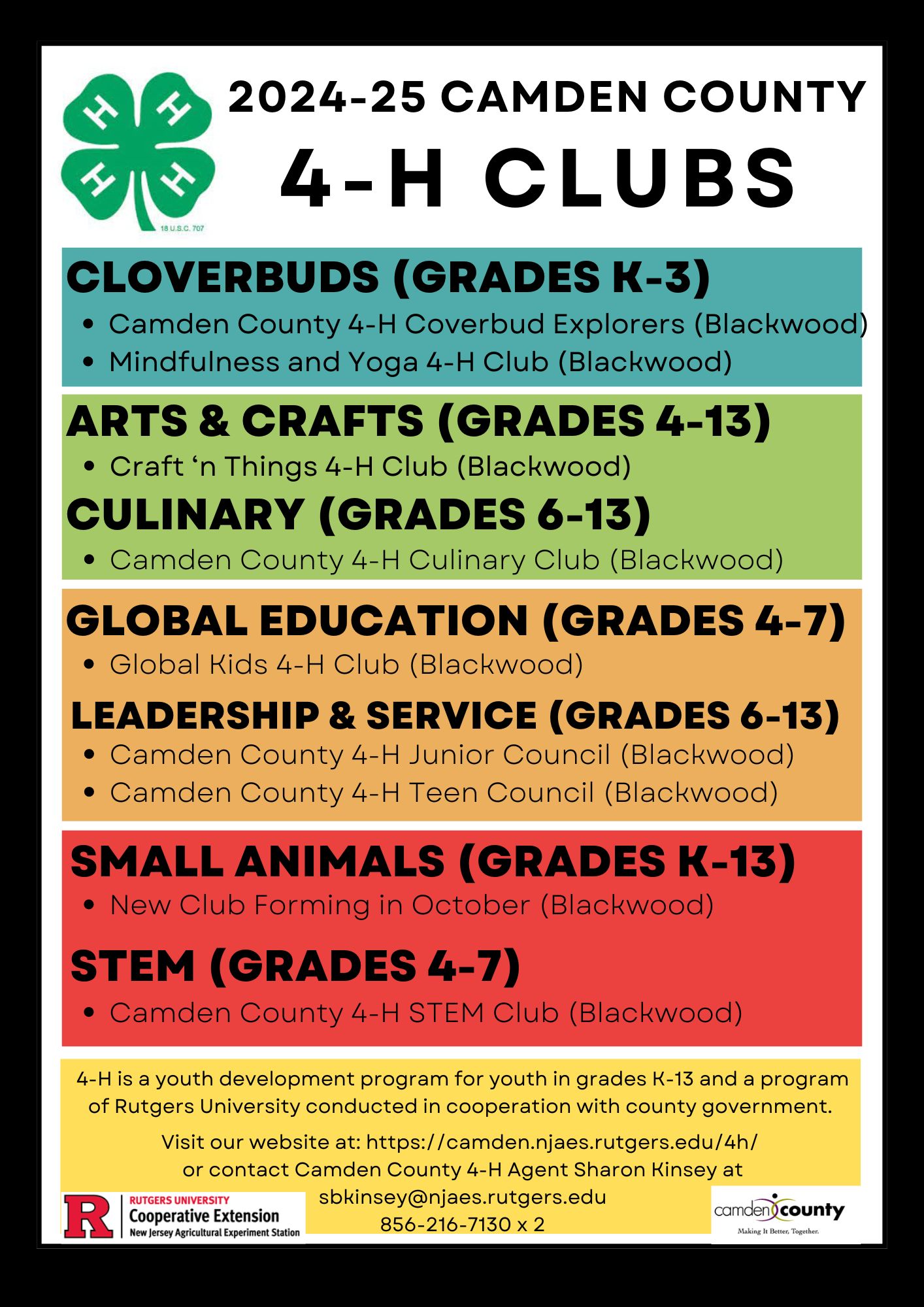
- Cloverbuds: Youth in kindergarten through second grade (typically ages 5–7) participate in non-competitive, experiential learning activities designed to introduce basic concepts.
- Traditional Members: Youth in third grade through the high school graduation year (typically ages 8–18) participate in full project work, competitive events, and leadership roles.
- Adult Volunteers: Adults undergo background checks and specialized training to serve as club leaders, project instructors, and mentors.
Cost Structure
While 4-H is heavily subsidized by federal, state, and county tax dollars along with philanthropic contributions, local clubs often charge nominal annual enrollment fees to cover insurance, curriculum materials, and administrative overhead. These fees vary by state and county, but financial assistance is frequently available to ensure universal access.
Comparison of Youth Development Models
To understand the unique position of 4-H within youth programming, it is helpful to compare it against other prominent youth organizations across structural and philosophical dimensions.
| Feature | 4-H | Boy/Girl Scouts | FFA (Future Farmers of America) |
|---|---|---|---|
| Primary Sponsor | USDA & Land-Grant Universities | Independent Nonprofits | Public Agricultural Education |
| School Integration | Moderate (some school enrichment) | Low (primarily community/volunteer-led) | High (embedded in high school ag education) |
| Subject Scope | Broad (STEM, arts, agriculture, leadership) | Broad (outdoor survival, character, community) | Specialized (agriculture, agribusiness, leadership) |
| Age Range | 5 to 19 | 5 to 20/21 | High school agricultural education (grades 9–12) |
Common Misconceptions and Troubleshooting
As with any long-standing public institution, prospective members and families often encounter common misunderstandings regarding the organization's scope and requirements.
Dispelling Myths
- Myth: 4-H is exclusively for farm kids and livestock owners.
- Reality: While agriculture remains a foundational pillar, the vast majority of modern 4-H members live in suburban and urban areas, focusing on robotics, photography, public speaking, and environmental science.
- Myth: Joining requires participating in livestock auctions.
- Reality: Livestock projects are entirely optional. Members can choose from dozens of non-animal project tracks.
- Myth: It is a short-term summer camp.
- Reality: While summer camps are popular offerings, 4-H is primarily a year-round youth development program emphasizing continuous mentorship and progressive skill building.
Frequently Asked Questions
What is the minimum age to join 4-H?
Children can join the non-competitive Cloverbud program starting in kindergarten (usually age 5). Traditional competitive project work begins in the third grade (usually age 8).
Do members have to raise farm animals?
No. Livestock projects represent only a fraction of available offerings. Members frequently enroll in rocketry, coding, sewing, community service, and expressive arts.
How do I find a local 4-H club?
Because 4-H is administered through the cooperative extension system of land-grant universities, interested families can contact their local county extension office or visit national directory sites to locate active clubs nearby.
What is the role of adult volunteers in 4-H?
Adult volunteers serve as caring mentors rather than traditional teachers. They facilitate meetings, ensure physical and emotional safety, guide project work, and help youth develop leadership autonomy.
Are there college scholarship opportunities for 4-H members?
Yes. Many state land-grant universities and private donors offer higher education scholarships specifically earmarked for graduating high school seniors with extensive 4-H records.
Next Actions and Getting Started
Families interested in joining or supporting the 4-H movement should begin by identifying their local county extension office, which acts as the operational hub for all state programming. Review available project guides, attend a local club meeting as a guest, and inquire about enrollment windows, which typically align with the start of the academic or calendar year. By engaging early, youth can maximize leadership opportunities, secure project resources, and participate fully in county and state showcase events.