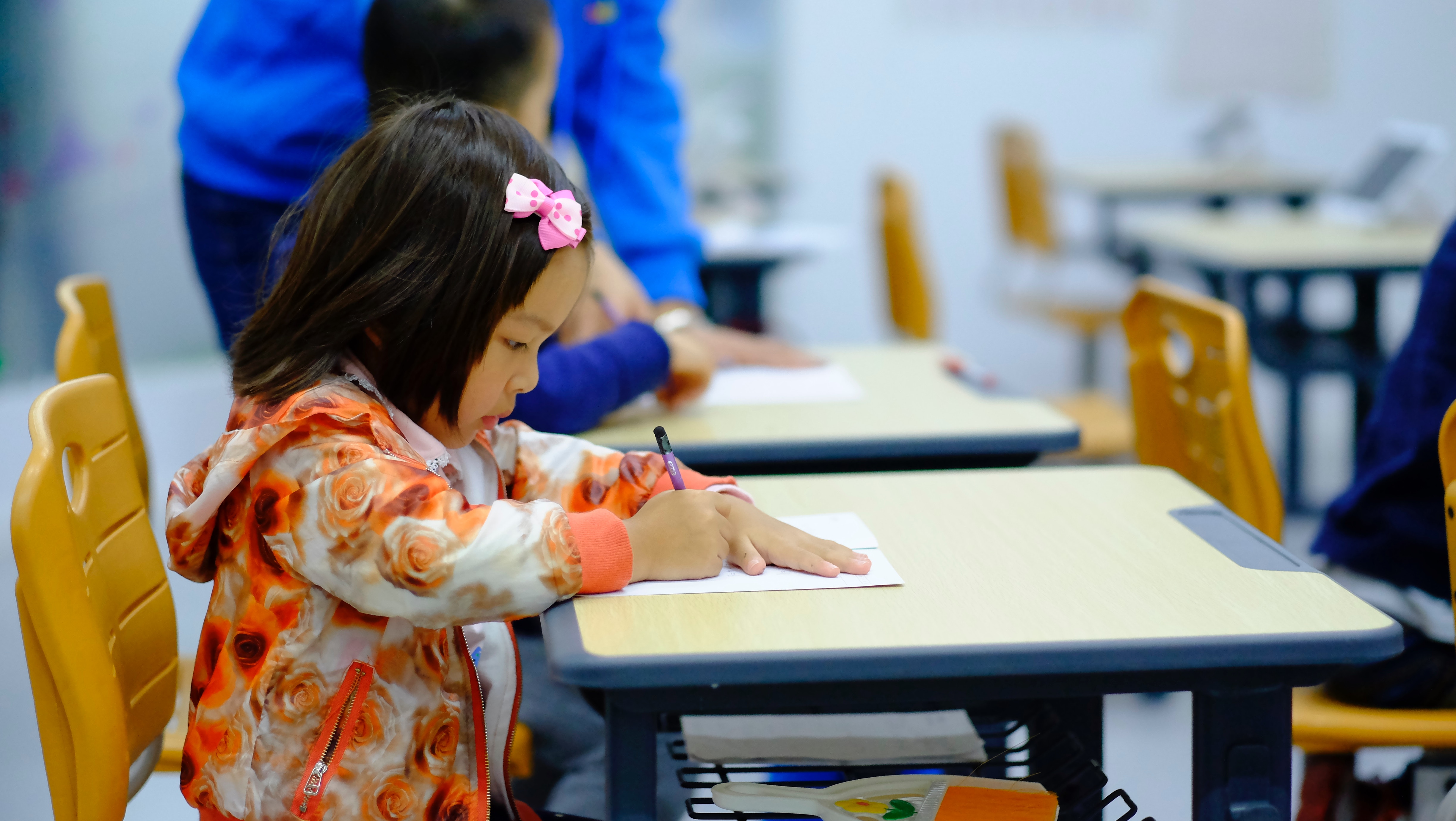
2e support refers to the specialized educational and emotional framework designed for "twice-exceptional" students—those who demonstrate high intellectual potential while simultaneously managing one or more learning disabilities or neurodivergent conditions. Effective support integrates advanced academic enrichment with targeted accommodations to address challenges like ADHD, autism, or dyslexia.
Twice-exceptionality, commonly abbreviated as 2e, is a complex profile that often confuses traditional educational systems. These students possess the "exception" of giftedness and the "exception" of a disability. Without a dedicated 2e support system, these children frequently find their strengths ignored while their weaknesses are remediated, or worse, their giftedness masks their disability so effectively that they never receive the help they need. As of 2026, the educational landscape has shifted significantly toward neurodiversity-affirming practices, emphasizing that support must be "strength-based" rather than purely deficit-focused.
Understanding the Twice-Exceptional (2e) Profile
To provide adequate 2e support, one must first understand the unique cognitive architecture of a 2e learner. These students do not simply exist as "gifted" in some hours and "disabled" in others; their traits interact in a way that creates a distinct third profile. This interaction often leads to "masking," where the student’s high intelligence allows them to compensate for a learning disability, making them appear "average" but causing immense internal frustration and burnout.
Common 2e profiles include:
- Gifted with ADHD: High creativity and rapid processing paired with executive dysfunction and impulsivity.
- Gifted with Autism (ASD): Deep subject matter expertise and logical reasoning paired with social-communication challenges or sensory processing sensitivities.
- Gifted with Dyslexia or Dysgraphia: Superior verbal reasoning and abstract thinking paired with significant difficulty in decoding text or physical writing.
The primary goal of 2e support is to prevent the "middle-ground trap," where a student is deemed too smart for special education but too struggling for gifted programs. In 2026, experts advocate for a dual-differentiation approach: providing high-level intellectual stimulation alongside specific scaffolds for their challenges.
The Identification Process: More Than Just IQ Tests
Standardized testing often fails 2e students. A child with high verbal intelligence but severe processing speed issues (common in 2e profiles) may produce a "flat" or average full-scale IQ score that qualifies them for neither gifted nor special education services. Comprehensive 2e support begins with a multi-factored evaluation.
Neuropsychological and Educational Assessments
A comprehensive evaluation should include:
- Cognitive Testing: Using tools like the WISC-V, but looking specifically at index scores (like Verbal Comprehension) rather than just the Full Scale IQ.
- Achievement Testing: Measuring performance in reading, math, and writing to identify gaps between potential and output.
- Executive Function Scales: Assessing the ability to plan, organize, and initiate tasks.
- Social-Emotional Evaluation: Identifying underlying anxiety, depression, or sensory issues that may stem from the 2e experience.
In 2026, schools are increasingly moving toward "Response to Intervention" (RTI) models that allow for 2e identification based on how a student responds to advanced curriculum and tiered supports, rather than relying solely on a single "discrepancy" score.
Legal Frameworks for 2e Support: IEPs and 504 Plans
In the United States, 2e support is largely governed by the Individuals with Disabilities Education Act (IDEA) and Section 504 of the Rehabilitation Act. However, navigating these legalities for a gifted child requires specific strategies.
The Individualized Education Program (IEP)
An IEP is a legally binding document for students who require "specialized instruction." For a 2e student, the IEP should not just focus on remediation. A well-constructed 2e IEP includes goals for both the disability (e.g., "Student will use assistive technology to draft a three-paragraph essay") and the giftedness (e.g., "Student will participate in advanced-level mathematics with a modified workload").
The 504 Plan
A 504 Plan provides accommodations to ensure "equal access" to education. This is often the starting point for 2e students who do not need specialized instruction but require environment changes, such as extended time on tests, the use of a laptop for writing, or preferential seating to manage ADHD symptoms.
Legal Precedent for 2e Learners
It is a common misconception that "gifted students cannot have IEPs." Federal guidance from the U.S. Department of Education has repeatedly clarified that schools must evaluate students for disabilities regardless of their high performance in other areas. If a disability "adversely affects educational performance"—which includes the emotional and social toll of masking—the student is eligible for support.
Strength-Based Programming: The Core of 2e Support
The most significant development in 2e support over the last decade has been the shift toward strength-based instruction. Traditional special education focuses on fixing what is "broken." For a 2e learner, this often leads to disengagement and a loss of self-esteem.
Dual Differentiation
Dual differentiation means the curriculum is modified in two directions simultaneously:
- Acceleration and Depth: Allowing the student to explore complex, high-interest topics at an advanced pace.
- Scaffolding and Accommodations: Providing tools to bypass the "bottleneck" of their disability. For example, if a gifted student has dysgraphia, they should be allowed to use speech-to-text software to complete a high-level science report. This ensures their scientific understanding is graded, not their handwriting.
Executive Function Coaching
Most 2e students struggle with the "how" of learning. 2e support systems in 2026 frequently include executive function coaching, which teaches students how to break down long-term projects, manage time, and organize digital workspaces. Rather than punishing a student for a late assignment, the support focus is on building the cognitive systems needed to succeed.
Social-Emotional Support and Asynchronous Development
One of the most challenging aspects of being twice-exceptional is asynchronous development. This is the phenomenon where a child’s intellectual, physical, and emotional growth occurs at different rates. A 2e child might have the mathematical ability of a 16-year-old but the emotional regulation of a 6-year-old.
2e support must address the "whole child," including:
- Reducing Anxiety: 2e students are at high risk for perfectionism and performance anxiety. They often feel they are "failing" at being gifted.
- Building Peer Groups: 2e students often feel like "double outliers." They may not fit in with the typical gifted kids or the typical special education kids. Integrated 2e programs prioritize social opportunities with other neurodivergent peers.
- Self-Advocacy Training: Perhaps the most critical long-term support is teaching the student to understand their own brain. A 2e student who can say, "I am very good at this concept, but I need a quiet space to focus on the test," is prepared for success in higher education and the workforce.
Comparison of Support Models for 2e Learners
Choosing the right environment is crucial. The following table compares three common approaches to 2e support currently seen in 2026.
| Feature | Remediation-Only Model | Gifted-Only Model | Integrated 2e Support Model |
|---|---|---|---|
| Primary Focus | Fixing deficits and passing basic standards. | High-speed curriculum and competition. | Nurturing potential while scaffolding challenges. |
| Accommodations | Standard (extra time, quiet room). | Often discouraged as "unfair." | Integrated (assistive tech, modified output). |
| Curriculum | Below or at grade level. | Highly advanced and fast-paced. | Advanced content with flexible delivery. |
| Social-Emotional | Focused on behavior management. | Focused on achievement pressure. | Focused on asynchrony and neurodiversity. |
| Student Outcome | Low engagement; possible burnout. | High anxiety; risk of "hitting a wall." | Sustainable growth; healthy self-concept. |
Common Challenges and Troubleshooting in 2e Support
Even with the best intentions, 2e support can encounter roadblocks. Identifying these early is key to a successful educational outcome.
The "Too Gifted to Qualify" Hurdle
If a school district denies an evaluation because a student has "good grades," parents should reference the National Association for Gifted Children (NAGC) position papers on twice-exceptionality. Grades are not the only measure of educational impact; the amount of support a parent provides at home to achieve those grades, or the student’s mental health, are valid considerations for support eligibility.
Implementation Gaps
Sometimes a 2e support plan exists on paper (the IEP or 504) but is not implemented in the classroom. This often happens because teachers lack specific training in 2e. Effective troubleshooting involves requesting a team meeting to discuss the "Strength-Based" approach and ensuring all teachers understand that accommodations are not "shortcuts" but necessary tools for equity.
Misdiagnosis
It is common for 2e students to be misdiagnosed with Oppositional Defiant Disorder (ODD) or Bipolar Disorder when, in reality, their "meltdowns" are a result of sensory overload or intense frustration from a hidden learning disability. If behavior is the primary concern, a Functional Behavioral Assessment (FBA) should be conducted, specifically looking through the lens of neurodivergence.
FAQs About 2e Support
How do I know if my child needs 2e support instead of just a tutor? Tutoring usually focuses on a specific subject or "catching up" to grade level. 2e support is broader; it addresses the underlying cognitive profile and provides a legal framework for accommodations. If your child is highly intelligent but consistently "underperforms" or experiences extreme distress regarding schoolwork, a comprehensive 2e evaluation is likely necessary.
Is 2e support only available in private schools? No. While some private schools specialize exclusively in 2e education, public schools in the United States are legally required to provide appropriate support for twice-exceptional students under IDEA and Section 504. However, the quality of these programs varies significantly by district.
Can a 2e student be successful in college? Yes, and many thrive in higher education where they can focus on their areas of high interest. Most universities now have robust "Disability Services" offices that provide 2e-appropriate accommodations like note-taking assistance, priority registration, and extended testing time.
What is the role of medication in 2e support? Medication is a medical decision made between a family and a physician. For some 2e students with ADHD or anxiety, medication can "clear the fog," allowing them to access their gifted potential more easily. It is often used as one tool within a multi-modal support plan that includes behavioral and educational strategies.
At what age should 2e support begin? Early intervention is ideal. Support can begin as early as preschool if social-emotional or sensory challenges are evident. However, many 2e students are not identified until 3rd or 4th grade, when the curriculum shifts from "learning to read" to "reading to learn," and their compensation strategies begin to fail.
Professional Advice Limitation
The information provided in this article is for educational and informational purposes only. It is not a substitute for professional legal advice regarding special education law or medical advice regarding neurodevelopmental conditions. Always consult with a qualified educational advocate, attorney, or licensed psychologist when seeking specific 2e support services for your child.
Next Steps for Families and Educators
If you suspect a child requires 2e support, the first step is to request a formal evaluation in writing from the school district. Simultaneously, seeking a private neuropsychological evaluation can provide a "blueprint" of the child's brain that the school can use to build an effective IEP or 504 plan. For educators, the most impactful action is to join neurodiversity-focused professional development to better recognize and nurture the "hidden" 2e learners in every classroom.