The 21st century is the current era in the Anno Domini or Common Era, spanning from January 1, 2001, to December 31, 2100. It is characterized by the rapid acceleration of digital technology, the globalization of economies, and a critical global shift toward environmental sustainability. As we navigate the year 2026, this century has already redefined human communication, labor markets, and geopolitical structures through unprecedented connectivity and innovation.
The Chronological and Conceptual Framework
To understand the 21st century, one must first distinguish between its chronological boundaries and its conceptual identity. Chronologically, despite popular celebrations on January 1, 2000, the century officially began on the first day of 2001. This is because the Gregorian calendar does not include a "Year Zero"; the first century spanned years 1 to 100, meaning every subsequent century begins with a year ending in "01."
Conceptually, the 21st century is often described as the "Information Age" or the "Fourth Industrial Revolution." While the 20th century was defined by the internal combustion engine, mass production, and the split between democratic and communist blocs, the 21st century is defined by data, decentralization, and the blurring of lines between the physical, biological, and digital worlds. By 2026, we have witnessed the first quarter of this century play out as a transition from legacy systems to a fully integrated, high-speed global society.
The Digital Transformation and Artificial Intelligence
The most significant driver of change in the 21st century is the evolution of computing power and connectivity. The first decade focused on the "Mobile Revolution," where the introduction of the smartphone in 2007 fundamentally changed how humans interact with information. The second decade saw the "Data Explosion," where social media and cloud computing became the backbone of global commerce and personal identity.
As of 2026, we are deep into the era of Artificial Intelligence (AI) and Machine Learning. Unlike the static software of the previous century, AI in the 21st century is generative and adaptive. This shift has several technical and practical implications:
- Automation of Cognitive Labor: For the first time in history, tasks involving synthesis, writing, coding, and creative design are being augmented or replaced by neural networks. This requires a workforce focused on "prompt engineering" and strategic oversight rather than rote execution.
- Edge Computing and IoT: The Internet of Things (IoT) has matured, with billions of devices—from smart refrigerators to industrial sensors—communicating in real-time. This creates a "digital twin" of the physical world, allowing for hyper-efficient resource management.
- Quantum Progress: While still in developing stages, quantum computing in the mid-2020s has begun to threaten traditional encryption methods, prompting a global shift toward post-quantum cryptography to secure financial and state secrets.
Global Economic Shifts and the Multipolar World
The economic landscape of the 21st century has moved away from the unipolarity of the late 20th century. The early 2000s were marked by the dominance of the United States, but the subsequent decades have seen the rise of a multipolar world.
The Rise of the Global South
Economies in Asia, Africa, and South America have moved from being primarily resource exporters to becoming hubs of innovation. The "middle class" expansion in these regions has shifted global consumer demand. Supply chains, which were once centralized in a few hubs, are now being "friend-shored" or "near-shored" to build resilience against geopolitical tensions and pandemic-related disruptions.
Digital Currencies and Decentralized Finance (DeFi)
By 2026, the financial systems of the 21st century have integrated blockchain technology not just as a speculative asset, but as a functional utility. Central Bank Digital Currencies (CBDCs) are being piloted or fully implemented in various jurisdictions to streamline cross-border payments and reduce transaction costs. This represents a fundamental shift in how "value" is tracked and transferred, moving away from slow, centralized clearinghouses toward transparent, instantaneous ledgers.
The Environmental Imperative and Energy Transition
If the 20th century was the era of fossil fuels, the 21st century is the era of the "Great Transition." The consensus on climate change has moved environmental policy from the periphery to the center of national security and economic planning.
The 2020s have been termed the "decade of action." Significant milestones in this transition include:
- Decarbonization of Energy: Solar and wind power have reached grid parity (costing the same or less than fossil fuels) in most of the world. Battery storage technology has improved significantly by 2026, allowing for the stabilization of renewable grids.
- The Electric Vehicle (EV) Pivot: Major automotive manufacturers have committed to phasing out internal combustion engines. This has triggered a global race for "critical minerals" like lithium, cobalt, and nickel, creating new geopolitical alliances.
- Circular Economy Models: To combat resource scarcity, industries are moving toward "circularity"—designing products that are intended to be disassembled, recycled, and reintegrated into the production cycle, reducing the 21st-century's massive waste footprint.
21st-Century Social Dynamics and Education
The way humans live, work, and learn has undergone a radical transformation. The "traditional" life path—study for 20 years, work for 40 years, retire for 10—is no longer the standard.
The Remote Work Evolution
The early 2020s served as a catalyst for the "work-from-anywhere" movement. By 2026, corporations have largely settled into hybrid models. This has significant implications for urban planning; cities are being redesigned to be "15-minute cities" where residential, commercial, and recreational spaces are integrated, reducing the need for long commutes.
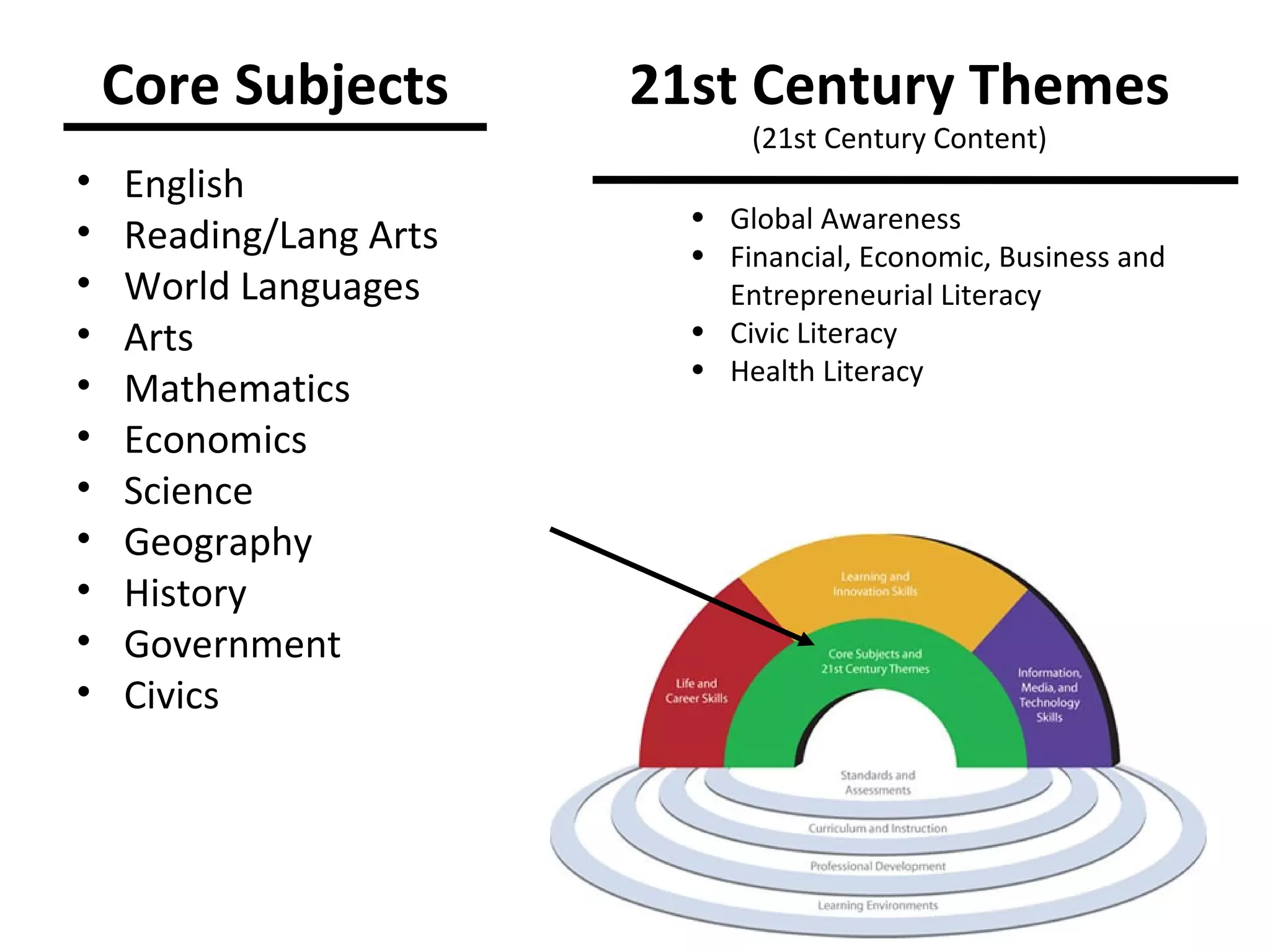
21st-Century Skills
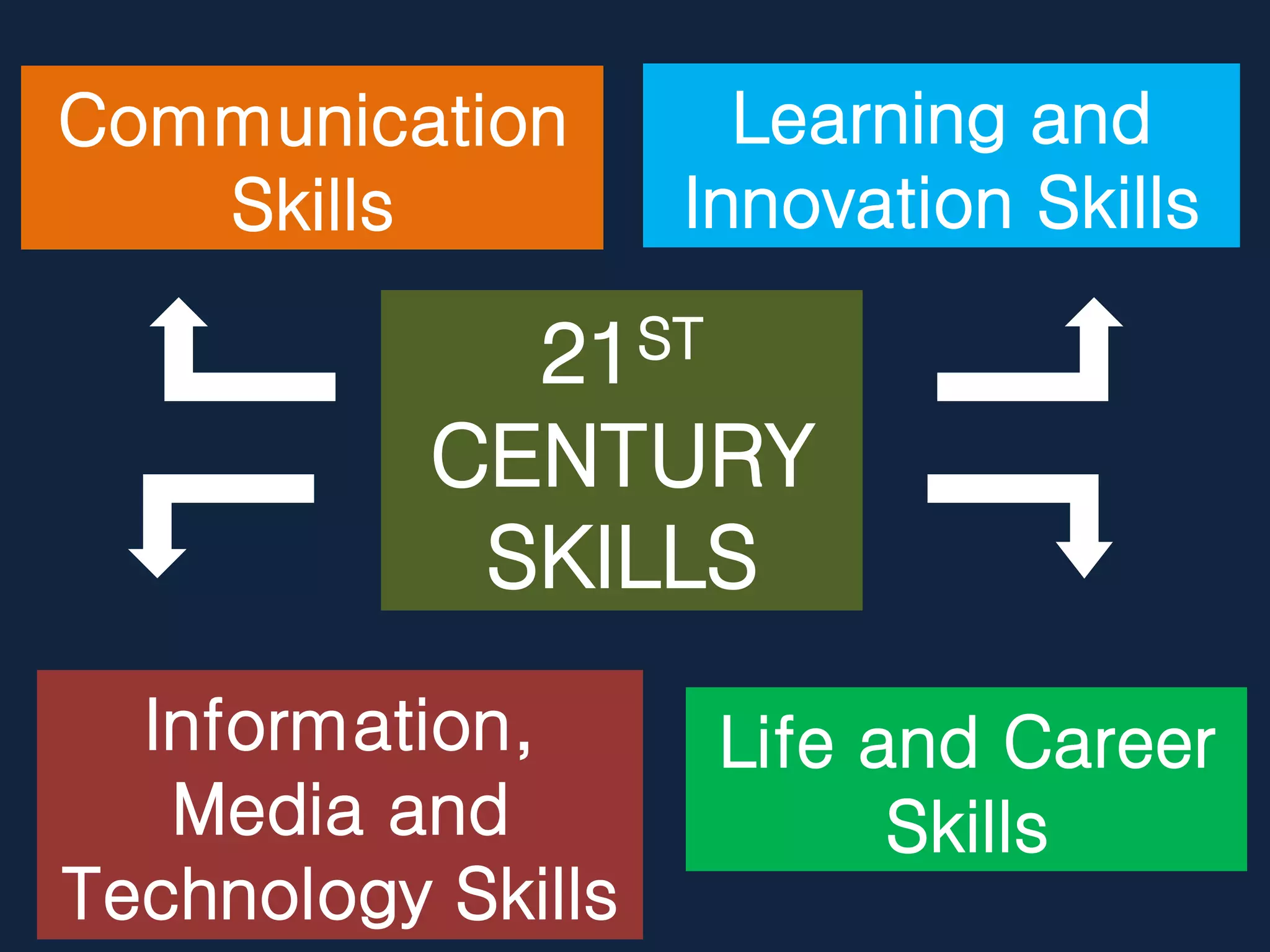
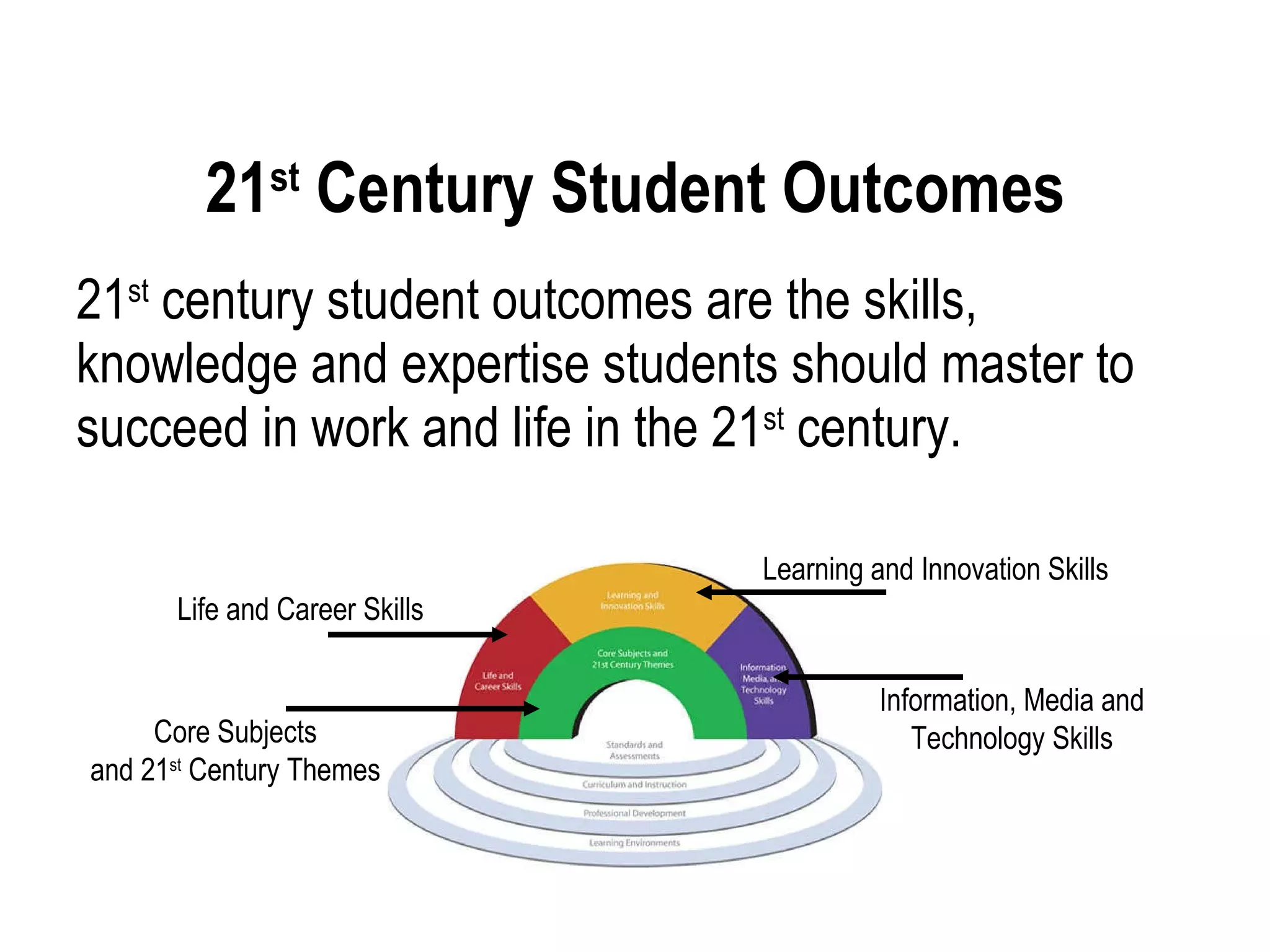
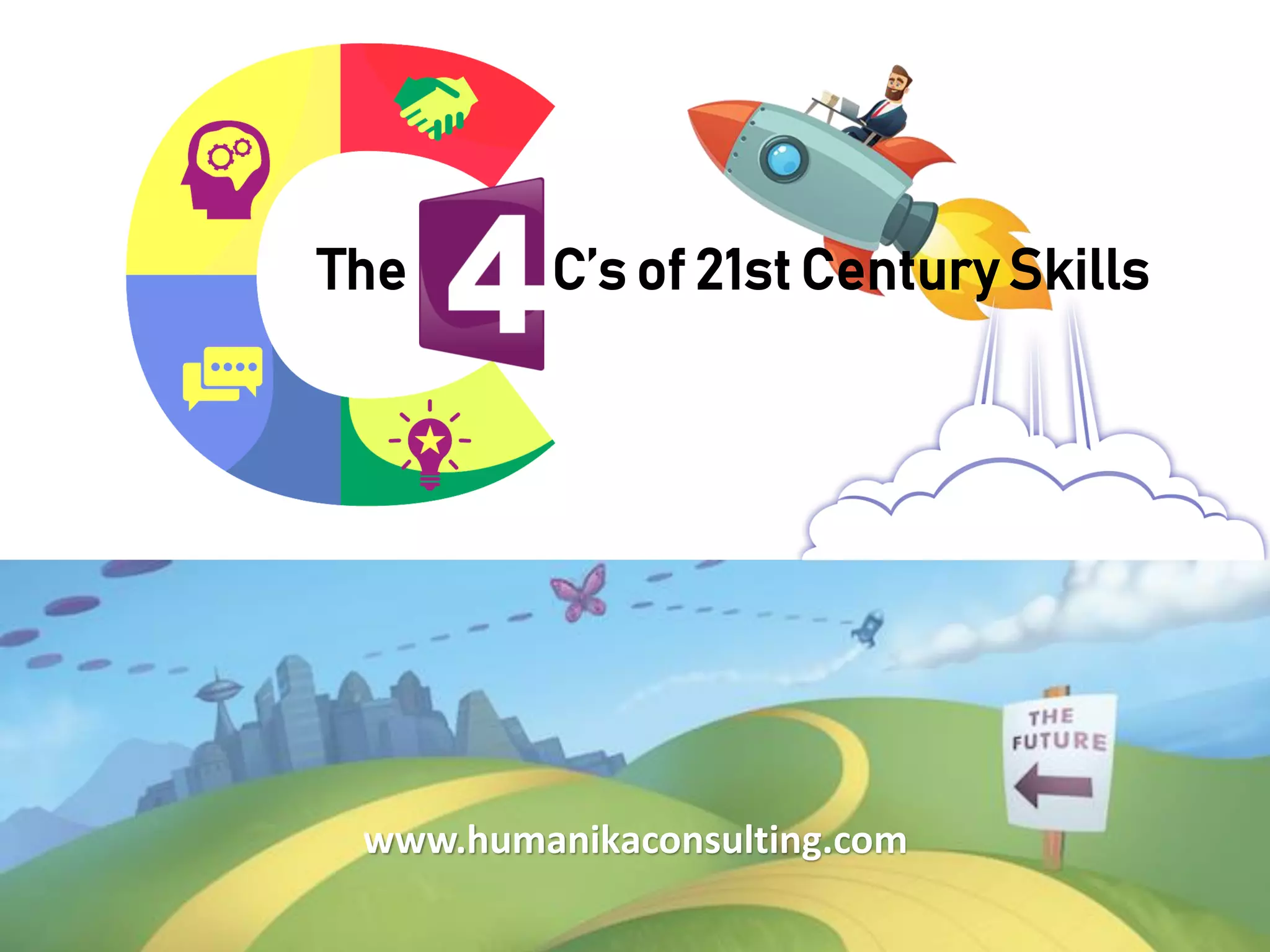
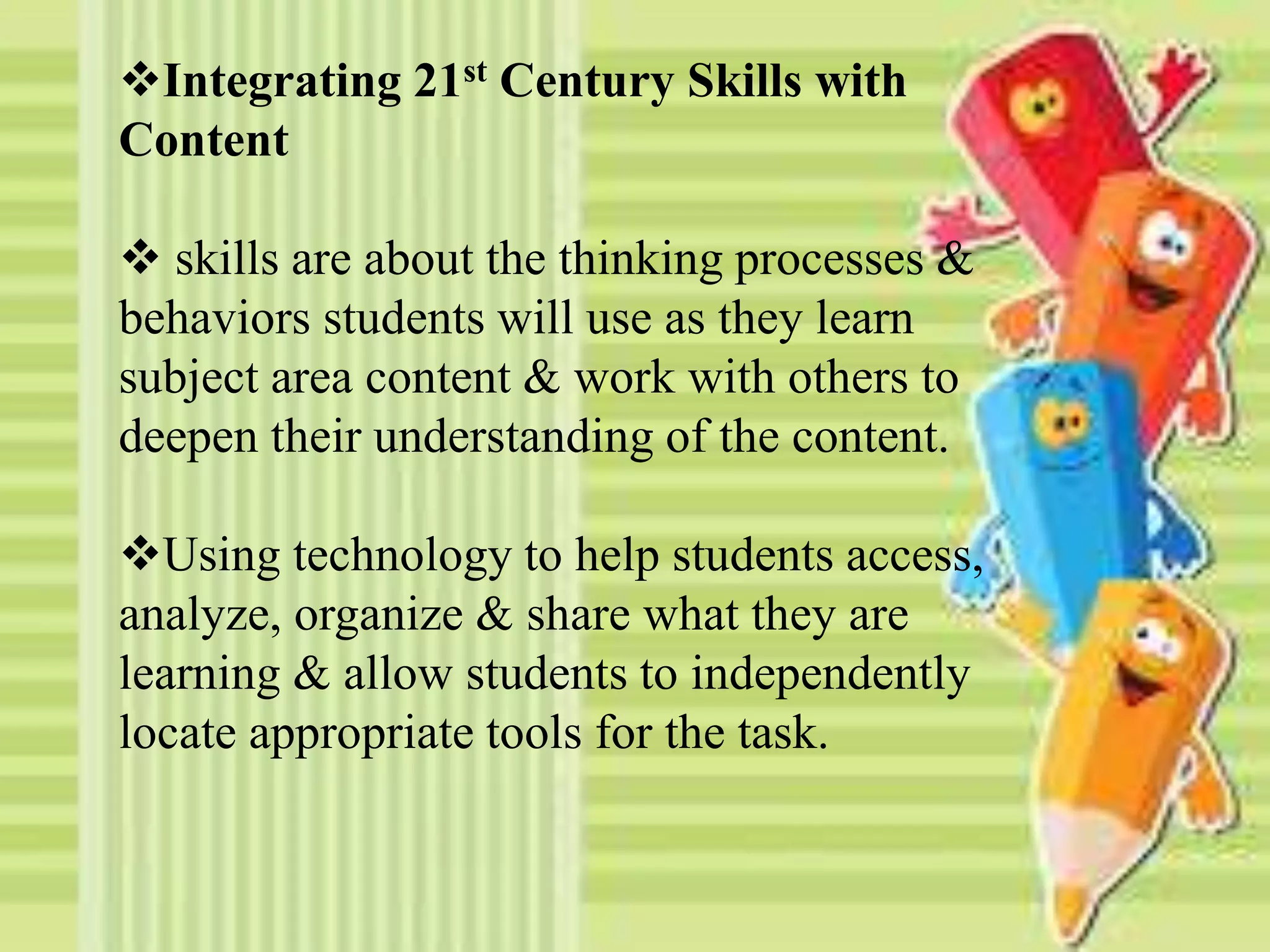
In a world where facts are instantly accessible via AI, the value of memorization has plummeted. The modern educational focus has shifted toward the "4Cs":
- Critical Thinking: Discerning truth from "deepfakes" and misinformation.
- Communication: Managing digital presence and cross-cultural dialogue.
- Collaboration: Working across time zones with diverse, often anonymous teams.
- Creativity: Generating unique insights that algorithms cannot yet replicate.
Comparative Overview: 20th Century vs. 21st Century
The following table highlights the fundamental shifts in how the world operates compared to the previous era.
| Feature | 20th Century Standard | 21st Century Standard (as of 2026) |
|---|---|---|
| Primary Resource | Oil and Steel | Data and Rare Earth Elements |
| Communication | One-to-Many (Radio/TV) | Many-to-Many (Social Media/Web3) |
| Work Structure | Office-Centric, 9-to-5 | Task-Based, Hybrid, and Global |
| Global Power | Bipolar (US vs. USSR) | Multipolar (US, EU, China, Global South) |
| Healthcare | Reactive (Treating Symptoms) | Proactive (mRNA, Gene Editing, Wearables) |
| Commerce | Brick-and-Mortar / Physical Cash | E-commerce / Digital Wallets / DeFi |
| Learning | Degree-Based (Once in a Lifetime) | Continuous / Micro-Credentialing |
Challenges and Ethical Considerations
The 21st century is not without its perils. The same technologies that enable connectivity also facilitate surveillance and the spread of disinformation.
- Privacy vs. Security: The collection of "big data" allows for personalized medicine and efficient traffic flow, but it also enables state and corporate surveillance. Legislative frameworks like the GDPR in Europe and similar acts elsewhere are constantly evolving to keep pace with biometric data collection.
- The Digital Divide: While much of the world is connected, a "digital underclass" persists. Those without high-speed internet or digital literacy are increasingly excluded from the modern economy, leading to new forms of socio-economic inequality.
- Biotechnology Ethics: With the maturation of CRISPR and other gene-editing tools, the 21st century must grapple with the ethics of "designer" biological traits and the potential for unintended ecological consequences.
Health and Longevity in the Mid-2020s
Medicine in the 21st century has transitioned from general treatments to personalized interventions. The rapid development of mRNA vaccines in the early 2020s opened the door for similar platforms targeting cancer and chronic diseases.
By 2026, "longevity science" has moved into the mainstream. This involves using AI to analyze an individual's genome and lifestyle to provide real-time health adjustments. We are seeing a shift where the "healthspan" (the period of life spent in good health) is catching up to the "lifespan," posing new questions about retirement ages and the sustainability of social safety nets.
FAQ: Navigating the 21st Century
What are the "21st-century skills" I need for my career?
The most vital skills are adaptability and digital literacy. Because technology evolves so quickly, the ability to learn new tools (like generative AI agents) is more important than mastering a single piece of software. Additionally, soft skills such as emotional intelligence and cross-cultural communication are highly valued because they remain difficult for machines to replicate.
How has the 21st century changed the global economy?
The global economy is now "intangible." A significant portion of the world's wealth is tied to intellectual property, software, and brand data rather than physical factories or land. Furthermore, the economy is increasingly circular and green-focused, with carbon taxes and environmental, social, and governance (ESG) metrics influencing where trillions of dollars in investment capital flow.
Is the 21st century more or less stable than the 20th?
Stability is subjective. While we have not seen a "world war" on the scale of the 1940s, the 21st century is characterized by "asymmetric threats," such as cyberwarfare, pandemics, and climate-driven migration. However, global cooperation on health and technology remains higher than in previous centuries, providing new mechanisms for crisis management.
When does the 21st century end?
The century will conclude on December 31, 2100. The transition to the 22nd century will begin on January 1, 2101. By that time, demographers predict the global population will have peaked and begun a gradual decline, with significant technological integration into the human experience.
What is the significance of the "Information Age"?
The Information Age refers to the shift from an economy based on traditional industry to an economy based on information computerization. In the 21st century, this means that the "means of production" are no longer just physical tools but access to data and the processing power required to interpret it.
Recommendation for the Future
To thrive in the remaining three-quarters of the 21st century, individuals and organizations must prioritize resilience and continuous learning. The pace of change will not slow down; rather, it is likely to accelerate as AI and biotechnology converge.
- Invest in Digital Sovereignty: Ensure you understand how your data is used and maintain diverse digital skill sets.
- Adopt a Sustainability Mindset: Whether in personal consumption or business operations, aligning with the "green transition" is no longer optional—it is a requirement for long-term viability.
- Cultivate Human-Centric Skills: As algorithms handle more technical tasks, your ability to provide empathy, ethical judgment, and complex problem-solving will be your greatest asset.