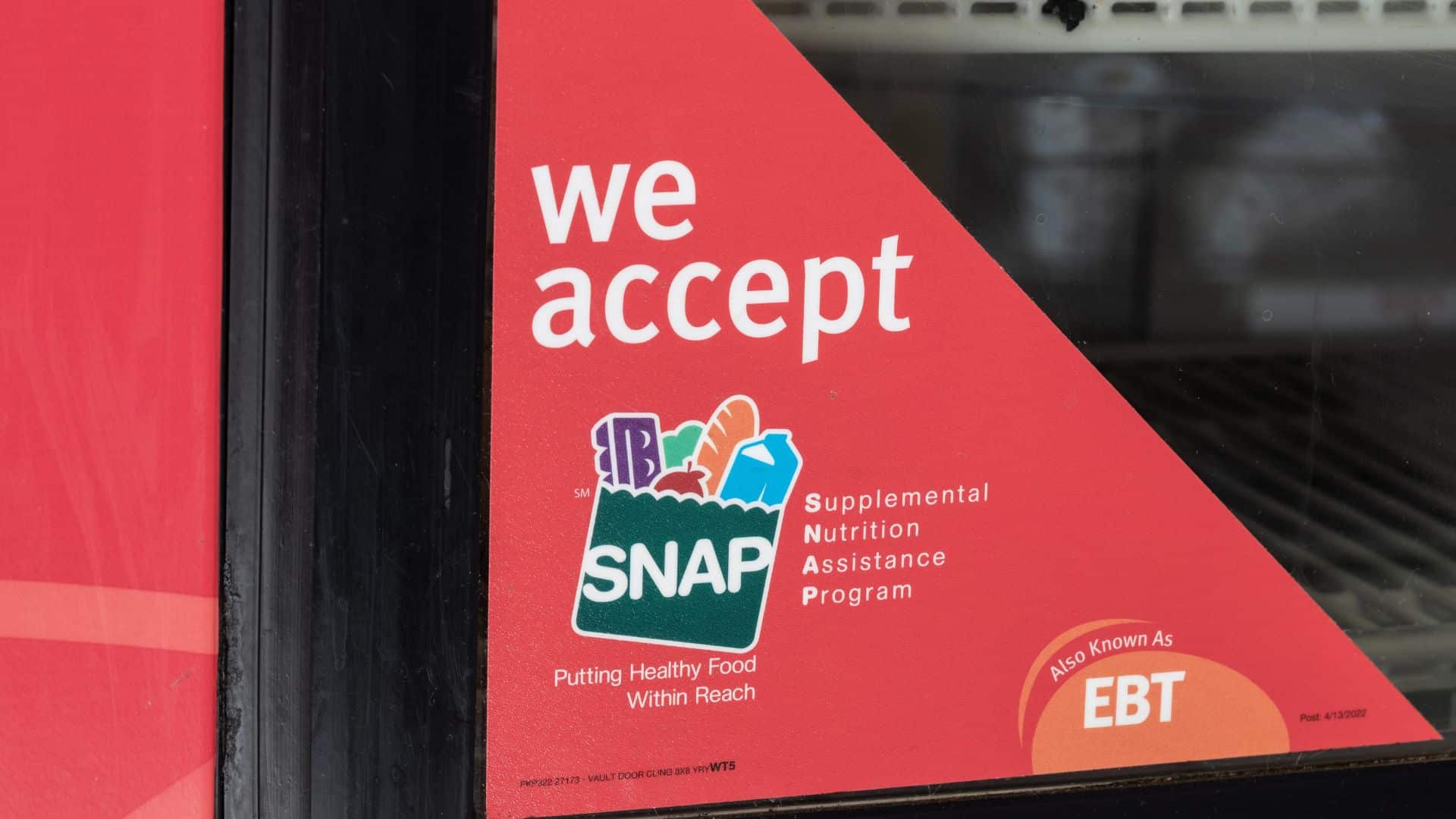
The Supplemental Nutrition Assistance Program (SNAP) underwent significant modifications across multiple states, driven by updated federal guidelines, adjusted poverty thresholds, and the expiration of certain temporary flexibilities. These changes impacted maximum allotment amounts, household income eligibility limits, and mandatory work requirements for specific adult populations.
Understanding the evolving landscape of food assistance is essential for low-income households, community advocates, and social service providers. Federal and state regulations dictate how benefits are calculated, who qualifies, and what administrative hurdles participants must clear to maintain continuous access to food assistance. This analysis explores the core policy updates, operational impacts, and practical steps required to navigate the program under current guidelines.
Overview of SNAP Policy Framework and Federal Guidelines
The Supplemental Nutrition Assistance Program operates as a federal-state partnership administered by the United States Department of Agriculture's Food and Nutrition Service (USDA FNS). While federal law establishes overarching eligibility parameters, income deductions, and benefit calculation formulas, individual state agencies manage day-to-day operations, application processing, and client communication.
Changes to SNAP do not occur in a vacuum. They stem from statutory adjustments, such as cost-of-living adjustments (COLA) tied to the Thrifty Food Plan (TFP), legislative mandates altering work rules, and the tapering off of pandemic-era emergency allotments. Recognizing this dynamic framework helps recipients anticipate fluctuations in their monthly electronic benefit transfer (EBT) deposits and understand why criteria vary by jurisdiction.
The Role of the Thrifty Food Plan and Adjustments
The Thrifty Food Plan serves as the foundational scientific model used to calculate the cost of a nutritious, minimalist diet for a household. Historically, the USDA recalibrated these costs periodically, but modern legislative frameworks mandate more responsive reviews to reflect contemporary nutritional science and food pricing trends.
When adjustments are made to the TFP, maximum allotments scale upward or downward to match food inflation. However, these increases are frequently balanced against statutory caps and budgetary allocations set by Congress. Consequently, even when food prices rise significantly, statutory adjustments may only partially offset the increased cost of feeding a household, requiring recipients to budget carefully across benefit cycles.
Key Programmatic Modifications
Policy updates implemented across various jurisdictions involve several intersecting areas. These modifications affect household purchasing power, administrative compliance, and long-term eligibility status.
Maximum Allotment Revisions
Maximum monthly benefit amounts adjust annually to account for inflation, utilizing data from the Consumer Price Index for specific food items. While these adjustments aim to maintain purchasing power, the exact dollar amount a household receives depends on net income, household size, and allowable deductions.
The following table outlines the structural components that determine how maximum allotments translate into actual household disbursements based on general federal formulas:
| Benefit Component | Description | Impact on Household EBT |
|---|---|---|
| Maximum Allotment | The absolute ceiling for a given household size based on the TFP. | Sets the baseline from which deductions are subtracted for households with income. |
| Gross Income Limit | The threshold (usually 130% of the federal poverty line) a household must pass. | Excludes households exceeding income caps before benefit calculation begins. |
| Net Income Calculation | Gross income minus standard, shelter, medical, and dependent care deductions. | Multiplied by 30% to determine the expected household food contribution. |
| Benefit Formula | Maximum allotment minus 30% of the household's net monthly income. | Yields the final monthly SNAP issuance deposited onto the EBT card. |
Income Eligibility and Deduction Thresholds
Eligibility for SNAP relies on both gross and net income tests, though households containing elderly or disabled members are exempt from the gross income test. Deduction thresholds are modified periodically to reflect economic conditions:
- Standard Deduction: Adjusts annually based on household size to account for basic living expenses.
- Shelter Deduction Cap: Limits the amount of excess shelter costs (rent, mortgage, utilities) that can be deducted from income, though certain states eliminate this cap for households with elderly or disabled individuals.
- Medical Expense Deductions: Allows elderly or disabled participants to deduct out-of-pocket medical expenses exceeding a specified monthly threshold, directly lowering net income and increasing benefit allocations.
Expanded and Enforced Work Requirements
One of the most consequential areas of policy adjustment involves Able-Bodied Adults Without Dependents (ABAWDs). Federal rules mandate time limits on SNAP benefits for individuals aged 18 to 54 who do not reside with dependent children, unless they meet specific work or training requirements.
Under these provisions, ABAWDs are generally restricted to three months of benefits within a 36-month period unless they work, participate in a work program, or engage in volunteer activities for at least 80 hours per month. States possess varying degrees of flexibility to request waivers based on local economic conditions and high unemployment rates, but tightening federal criteria have narrowed exemption parameters in numerous regions.
State-Level Implementation and Variations
Because states administer SNAP, policy changes do not manifest identically across the country. Variations emerge in processing timelines, verification stringency, online purchasing permissions, and supplemental state-funded nutrition programs.
The Online Purchasing Pilot and Digital Access
The expansion of the SNAP Online Purchasing Pilot allows beneficiaries to use their EBT cards on approved retail websites for grocery delivery or curbside pickup. While this infrastructure has scaled broadly, state implementation timelines and approved retailer lists differ. Participants must verify whether delivery fees or service charges—which cannot be paid using SNAP benefits—apply to their chosen retailer.
Transition to Modernized Verification Systems
State agencies increasingly utilize automated data matching systems to verify income, employment status, and residency. While intended to reduce fraud and streamline recertification, these systems can generate discrepancies or automated notices of adverse action if employer databases or quarterly wage reports lag behind real-time changes. Recipients must respond promptly to requests for clarification or documentation to prevent administrative interruptions in benefits.
Eligibility, Documentation, and Application Prerequisites
Navigating the application or recertification process requires strict adherence to administrative timelines and documentation standards. Failing to meet a deadline can result in case closure, requiring a new application and potential gaps in food assistance.
Essential Documentation Checklist
When applying for initial benefits or completing a periodic report or recertification, state agencies typically require verifiable proof of the following elements:
- Identity: Government-issued photo identification, birth certificates, or driver's licenses for adult household members.
- Residency: Lease agreements, utility bills, or mortgage statements confirming physical address within the administering state.
- Income Verification: Recent pay stubs spanning the last 30 to 60 days, tax returns for self-employed individuals, or official award letters for Social Security, SSI, SSDI, or unemployment benefits.
- Shelter and Utility Expenses: Current rent receipts, lease contracts, homeowner insurance statements, property tax assessments, and utility bills (heating, cooling, electricity, water).
- Medical Expenses: Receipts or billing statements for out-of-pocket medical costs incurred by elderly or disabled household members.
Understanding Certification Periods
Certification periods—the duration a household is approved to receive benefits before undergoing a full recertification—vary based on household circumstances. Households with fluctuating or unstable income may receive shorter certification periods (e.g., 3 to 6 months), requiring frequent reporting. Conversely, households consisting entirely of elderly or disabled members with stable fixed incomes often receive longer certification windows, frequently spanning 12 to 24 months, though they remain subject to interim reporting requirements.
Troubleshooting Common Administrative Issues
Administrative hurdles are among the leading causes of unintended benefit interruptions. Knowing how to diagnose and resolve common notices or delays protects a household's food security.
Handling Notices of Adverse Action
If a state agency determines that a household's benefits must be reduced or terminated, it must issue a Notice of Adverse Action prior to the effective date. If a recipient believes an error was made in income calculation, deduction application, or work requirement assessment, they possess the legal right to request a fair hearing.
Requesting a fair hearing within the specified timeframe—typically before the effective date of the change—often allows benefits to continue at their previous level pending the outcome of the hearing.
Resolving EBT Card Issues and Fraud Prevention
With the rise of electronic benefit skimming and phishing scams, protecting EBT account credentials is as important as maintaining eligibility. State agencies have deployed security features within mobile applications to allow card locking, international transaction blocking, and PIN modifications.
If benefits are stolen via skimming, cloning, or phishing, federal guidelines provide pathways for replacement under specific reporting windows. Beneficiaries must report stolen benefits to their local agency and file an affidavit within designated timeframes (frequently within 30 days of discovering the theft) to qualify for federally funded replacement provisions.
Frequently Asked Questions
What determines the exact monthly SNAP benefit amount for a household?
Benefit amounts are calculated by taking the maximum allotment for the household size and subtracting 30 percent of the household's net monthly income. Net income is calculated by taking gross income and applying allowable deductions for shelter costs, dependent care, medical expenses for elderly or disabled members, and standard deductions.
How do ABAWD work requirements affect childless adults?
Able-Bodied Adults Without Dependents aged 18 to 54 are generally limited to three months of SNAP benefits in a 36-month period unless they work or participate in an approved work or training program for at least 80 hours per month, or qualify for a state-approved exemption or waiver.
Can SNAP benefits be used to purchase hot prepared foods or vitamins?
No. Federal regulations prohibit using SNAP benefits to purchase hot prepared foods intended for immediate consumption, alcoholic beverages, tobacco products, vitamins, medicines, pet foods, or non-food household items such as paper products and cleaning supplies.
What should I do if my recertification paperwork is delayed by the state agency?
If you submitted all required verification documents and recertification paperwork timely—typically at least 10 to 15 days before your certification period expires—and the agency fails to process it on time, contact the agency immediately to request expedited handling. If the delay is due to state administrative backlog, your benefits should generally continue uninterrupted under federal continuation rules while processing is finalized.
Are college students eligible to receive SNAP benefits?
Generally, students enrolled at least half-time in an institution of higher education are ineligible for SNAP unless they meet specific exemption criteria, such as participating in federal work-study, working at least 20 hours per week, caring for young dependent children, or participating in certain employment and training programs.
Next Actions and Practical Recommendations
To maintain uninterrupted food assistance and maximize your household's access to benefits, prioritize the following practical steps:
- Monitor Correspondence: Check mail and online state portal accounts regularly for notices regarding recertification deadlines, interim report forms, or requests for verification documents.
- Report Changes Promptly: Notify your caseworker of changes in household income, address, or household size within the mandatory reporting window established by your state (often within 10 days of the change).
- Utilize Official Portals: Access your state's official electronic portal or authorized mobile application to track EBT balances, secure your card against electronic theft, and verify submission receipts.
- Seek Local Advocacy Support: If you encounter administrative delays, unfair benefit reductions, or complex appeals, contact local legal aid organizations, food banks, or community action agencies that specialize in navigating public assistance programs.