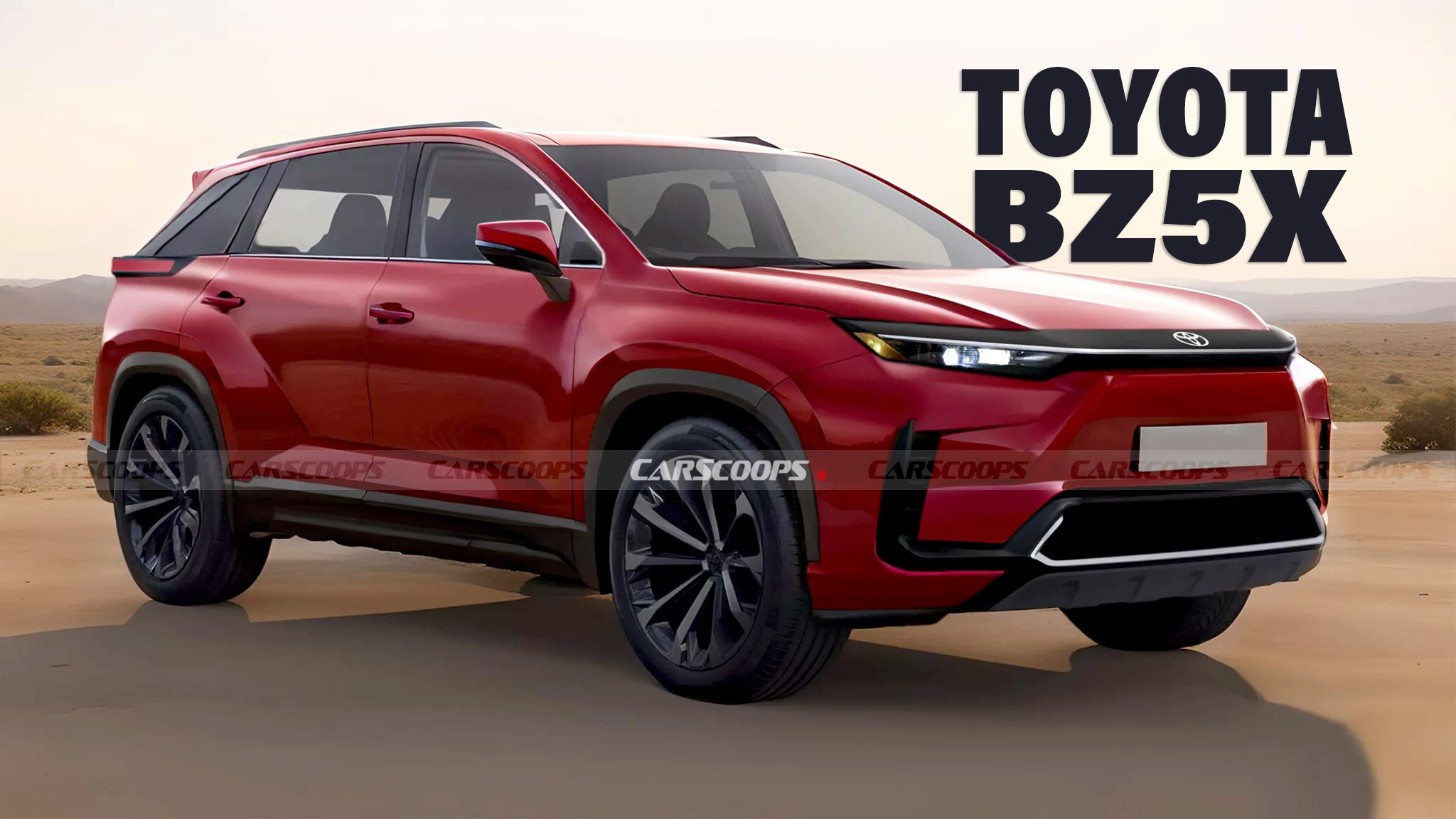
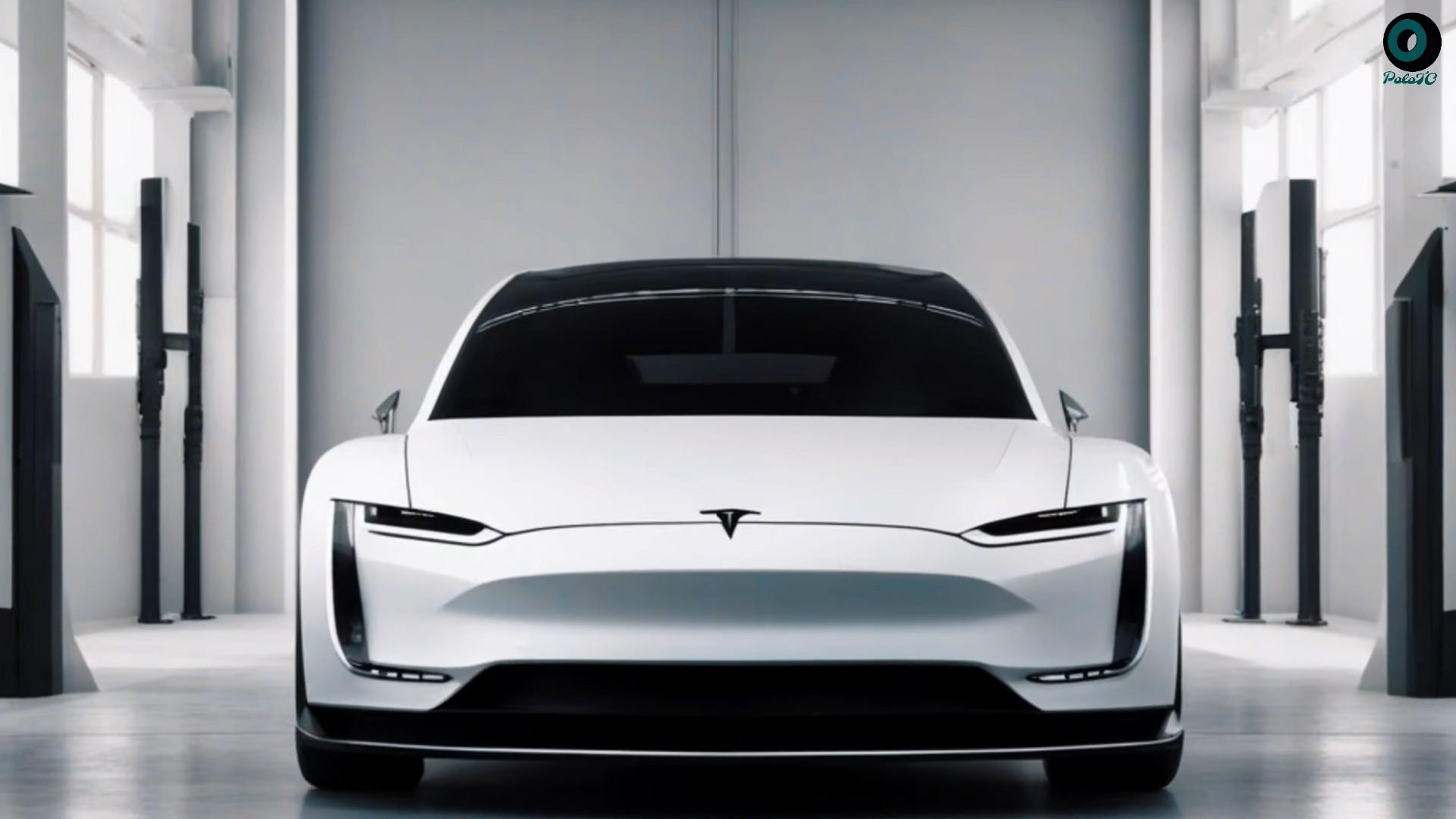
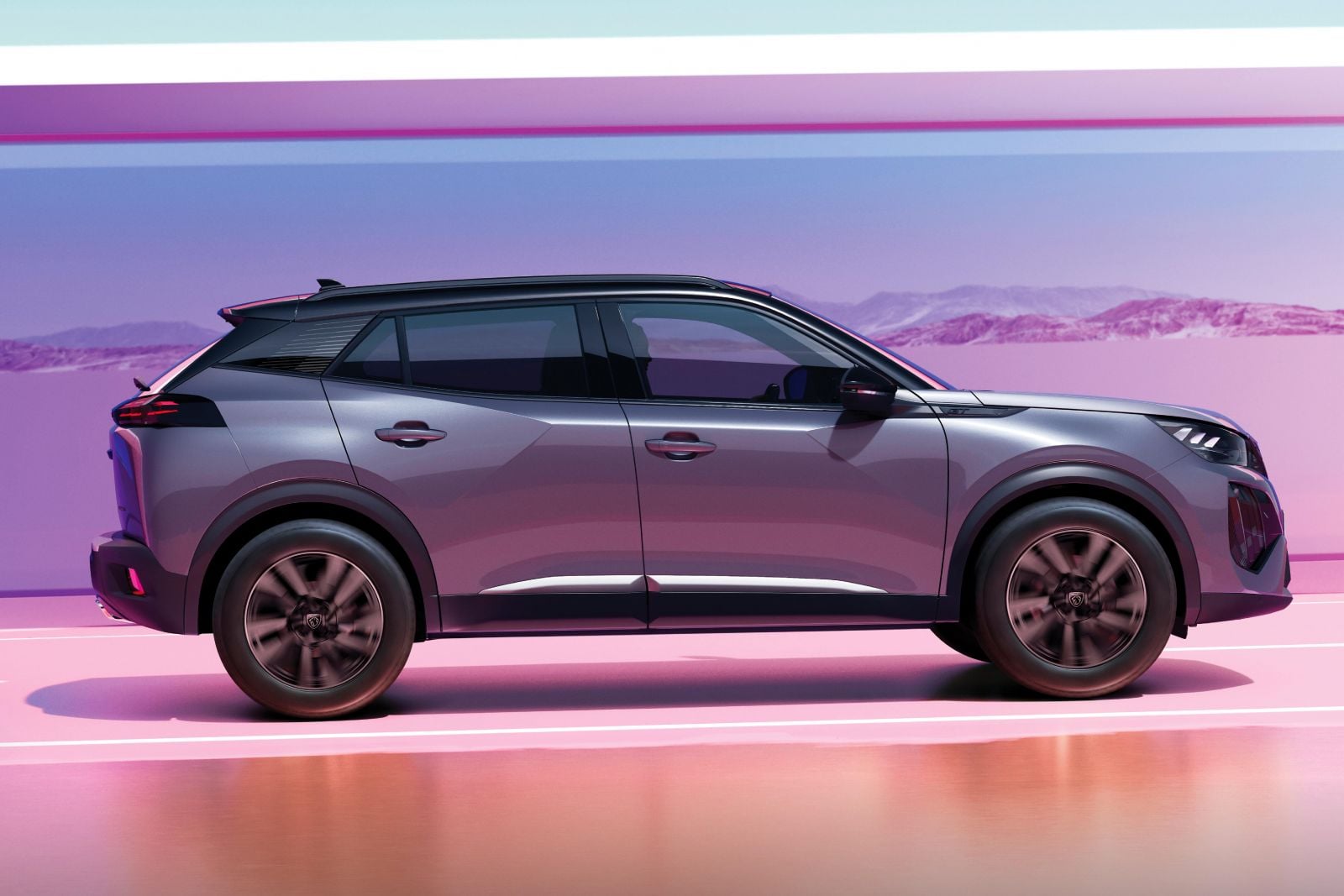
The 2025 models represented a definitive turning point in the automotive industry, marking the transition from experimental electrification to mainstream hybrid and EV dominance. Now that we are in 2026, these vehicles are the primary focus of the certified pre-owned (CPO) market and remain the benchmarks for current-year technology, safety, and efficiency.
The Significance of the 2025 Model Year
Looking back from 2026, the 2025 model year is recognized as the "year of the hybrid." While previous years focused heavily on the promise of pure battery electric vehicles (BEVs), 2025 saw a massive resurgence in hybrid electric vehicles (HEVs) and plug-in hybrid electric vehicles (PHEVs). This shift was driven by consumer demand for better range security and the industry’s realization that charging infrastructure required more time to mature.
The 2025 models also introduced the widespread adoption of the North American Charging Standard (NACS). This was the first year several major non-Tesla manufacturers began integrating the NACS port directly into their vehicles, significantly simplifying the charging experience for American drivers. Furthermore, this model year solidified the "Software-Defined Vehicle" (SDV) concept, where over-the-air (OTA) updates became a standard expectation rather than a luxury feature.
Leading 2025 Sedan Models: Efficiency and Refinement
The sedan segment saw a massive overhaul in 2025, with several flagship models moving away from traditional internal combustion engines (ICE) entirely.
Toyota Camry: The Hybrid Pioneer
The 2025 Toyota Camry was perhaps the most significant release in this category, as it moved to an all-hybrid lineup. Utilizing the fifth-generation Toyota Hybrid System (THS 5), the 2025 Camry combined a 2.5-liter four-cylinder engine with electric motors to produce 225 net combined horsepower in front-wheel-drive models. The engineering focus was on thermal efficiency and battery density, allowing the Camry to achieve an EPA-estimated 51 MPG combined in its most efficient trims. In 2026, this model remains a top choice for commuters due to its proven reliability and low cost of ownership.
Honda Civic Hybrid: The Performance Return
After a long hiatus in the North American market, the Civic Hybrid returned for the 2025 model year. It leveraged a dual-motor hybrid system similar to that of the Accord and CR-V, producing 200 horsepower and 232 lb-ft of torque. This made the 2025 Civic Hybrid the most powerful non-Type R Civic available at the time. Its popularity in the used market today stems from its balance of enthusiast-level handling and fuel economy that rivals dedicated eco-cars.
The SUV and Crossover Revolution
The SUV market remained the most competitive segment for 2025 models, with a focus on interior technology and rugged "lifestyle" trims.
Ford Explorer: Mid-Cycle Refresh
The 2025 Ford Explorer underwent a significant interior redesign to address previous criticisms regarding material quality. The introduction of the Ford Digital Experience infotainment system, powered by Google built-in, set a new standard for the brand. From our perspective in 2026, the 2025 Explorer is noted for its improved hands-free driving capabilities through BlueCruise version 1.3, which offered better lane-positioning and smoother braking than earlier iterations.
Chevrolet Tahoe and Suburban
For those requiring maximum utility, the 2025 Chevrolet Tahoe and Suburban introduced a more powerful 3.0L Duramax turbo-diesel engine. Producing 305 horsepower and 495 lb-ft of torque, this engine became the preferred choice for towing. The 2025 models also debuted "Connected Cameras," a feature that allowed owners to remotely view the interior and exterior of their vehicle via a smartphone app—a precursor to the high-security monitoring systems we see in 2026 models.
Trucks and Towing: The End of the V8 Era?
The 2025 model year marked a historic shift in the pickup truck segment, particularly for Stellantis and Ford.
Ram 1500: The Hurricane Engine
One of the biggest stories of 2025 was the retirement of the 5.7L HEMI V8 in the Ram 1500, replaced by the 3.0L Hurricane Twin-Turbo Inline-Six. This engine offered two output levels: a standard version with 420 horsepower and a High Output (HO) version with 540 horsepower. Despite initial skepticism from V8 purists, the Hurricane engine proved its worth in 2025 by providing more torque and better fuel efficiency under load.
Ford F-150 and the PowerBoost Hybrid
By 2025, Ford had successfully scaled production of the F-150 PowerBoost hybrid. This model became a staple for job sites due to its Pro Power Onboard system, which provided up to 7.2kW of exportable power. In 2026, these 2025 trucks are highly sought after in the secondary market because they bridge the gap between traditional utility and the emerging needs of mobile electrification.
Comparison of Key 2025 Models
The following table summarizes the specifications of the most influential 2025 models based on their primary configurations at launch.
| Model | Segment | Powertrain | Horsepower | Key Feature |
|---|---|---|---|---|
| Toyota Camry | Sedan | 2.5L Hybrid | 225 hp | All-Hybrid Lineup |
| Honda Civic Hybrid | Compact | 2.0L Hybrid | 200 hp | Best-in-class Torque |
| Ram 1500 (HO) | Truck | 3.0L I6 Twin-Turbo | 540 hp | Hurricane Engine Debut |
| Ford Explorer | SUV | 2.3L I4 / 3.0L V6 | 300-400 hp | BlueCruise 1.3 |
| Chevrolet Tahoe | Full-Size SUV | 3.0L Diesel / 5.3L V8 | 305-420 hp | Redesigned Interior |
| Tesla Model 3 | EV | Dual Motor AWD | ~394 hp | "Highland" Refresh Impact |
| Rivian R1S | EV SUV | Tri-Motor | 850 hp | Gen 2 Architecture |
Technical Innovations and Driver Assistance
The 2025 models introduced several technical milestones that have now become standardized in 2026.
- NACS Integration: Following the 2023-2024 announcements, 2025 was the first year that many vehicles shipped with native North American Charging Standard ports, allowing access to the Tesla Supercharger network without adapters. Tesla's Charging Standard paved the way for this industry-wide shift.
- Next-Gen Infotainment: 2025 saw the death of proprietary, clunky navigation systems. Most 2025 models transitioned to either Android Automotive OS or enhanced versions of Apple CarPlay that could control multiple screens within the vehicle (the so-called "CarPlay 2.0").
- Level 2+ Autonomy: Systems like GM's Super Cruise and Ford's BlueCruise expanded their "hands-free" mapped miles significantly in 2025, covering hundreds of thousands of miles of divided highways and even some secondary roads.
- Solid-State Progress: While true solid-state batteries did not hit mass production in 2025, several manufacturers released "semi-solid-state" pilot programs in high-end 2025 models, offering a 15-20% increase in energy density over 2024 versions.
2025 Models in the 2026 Used Market
As we move through 2026, the 2025 model year occupies a unique position. Because 2025 saw a stabilization of new car inventory, the extreme price markups of the early 2020s have largely vanished.
Depreciation Trends
Generally, 2025 luxury EVs have experienced the steepest depreciation, often losing 30-40% of their value within the first year. This is primarily due to the rapid advancement in battery chemistry and software. Conversely, 2025 hybrid models, specifically from Toyota and Honda, have held their value exceptionally well, with some retaining up to 85% of their original MSRP.
Reliability Ratings
Initial quality surveys conducted throughout 2025 and into early 2026 indicate that the 2025 models generally improved on the software glitches that plagued the 2023-2024 era. However, owners of the first-generation 3.0L Hurricane engines in Ram trucks and the updated infotainment systems in GM vehicles reported minor "day-one" bugs that were largely resolved via OTA updates by mid-2025.
For detailed reliability data and safety ratings of specific 2025 models, the National Highway Traffic Safety Administration (NHTSA) provides comprehensive crash-test results and recall information.
Buying Advice: Should You Choose a 2025 Model?
If you are shopping in 2026, a 2025 model is often the "sweet spot" for value. You benefit from the most modern safety features and charging standards without the steep "new car" premium of 2026 or 2027 releases.
- For Long-Term Owners: Look for the 2025 Toyota Camry or RAV4. Their hybrid systems are perfected versions of technology Toyota has been refining for decades.
- For Tech Enthusiasts: The 2025 Rivian R1S or R1T "Gen 2" models offer some of the most advanced computing architecture found in any vehicle, including a complete redesign of the wiring harnesses to reduce weight and complexity.
- For Families: The 2025 Honda Odyssey or Kia Carnival remains the gold standard for utility, with the 2025 Carnival offering a new hybrid powertrain that drastically improves city fuel economy for carpool duties.
Frequently Asked Questions
Which 2025 model has the best fuel economy?
The 2025 Toyota Camry LE Hybrid currently holds the title for the most efficient non-plug-in sedan among 2025 models, achieving an EPA-estimated 51 MPG combined. For SUVs, the 2025 Kia Niro Hybrid and the Toyota Corolla Cross Hybrid are top contenders, both hovering around the 42-45 MPG mark.
Did all 2025 EVs switch to the Tesla (NACS) plug?
Not all, but a significant majority did. While some brands like Hyundai and Kia continued to use CCS ports for the early 2025 production runs (offering adapters), brands like Ford, Rivian, and GM began the hardware transition mid-cycle. By the end of the 2025 model year, the NACS port became the de facto standard.
Are there any 2025 models that were discontinued?
Yes, 2025 saw the official end of several long-running internal combustion legends. The gas-powered Dodge Charger was replaced by the "Charger Daytona" EV and the "Sixpack" (Hurricane I6) versions. Additionally, several small hatchbacks and entry-level sedans were phased out in favor of subcompact crossovers.
How do 2025 insurance rates compare in 2026?
Insurance premiums for 2025 models are generally stable, though vehicles equipped with advanced ADAS (Advanced Driver Assistance Systems) can be more expensive to repair after a collision. Interestingly, some insurers began offering discounts for 2025 models with verified "Level 2+" safety features, citing lower accident frequency data collected during the 2025 calendar year.
Is it better to buy a new 2026 model or a used 2025 model?
From a financial perspective, a 2025 model—especially a Certified Pre-Owned (CPO) one—offers the best ROI. Most of the technological leaps occurred between 2024 and 2025. The changes between 2025 and 2026 were largely incremental, meaning you can get 95% of the same technology for a 15-20% lower price point.
Summary of Recommendations
As we navigate the automotive landscape of 2026, the 2025 models stand out for their balance of innovation and practicality. For those transitioning away from pure gasoline vehicles, the 2025 hybrid offerings provide a low-risk entry point into electrification. For those ready for full EVs, the 2025 models with native NACS support are the most future-proof investments. Before purchasing, always verify the vehicle's service history—particularly for OTA update logs—to ensure all factory software enhancements have been applied.