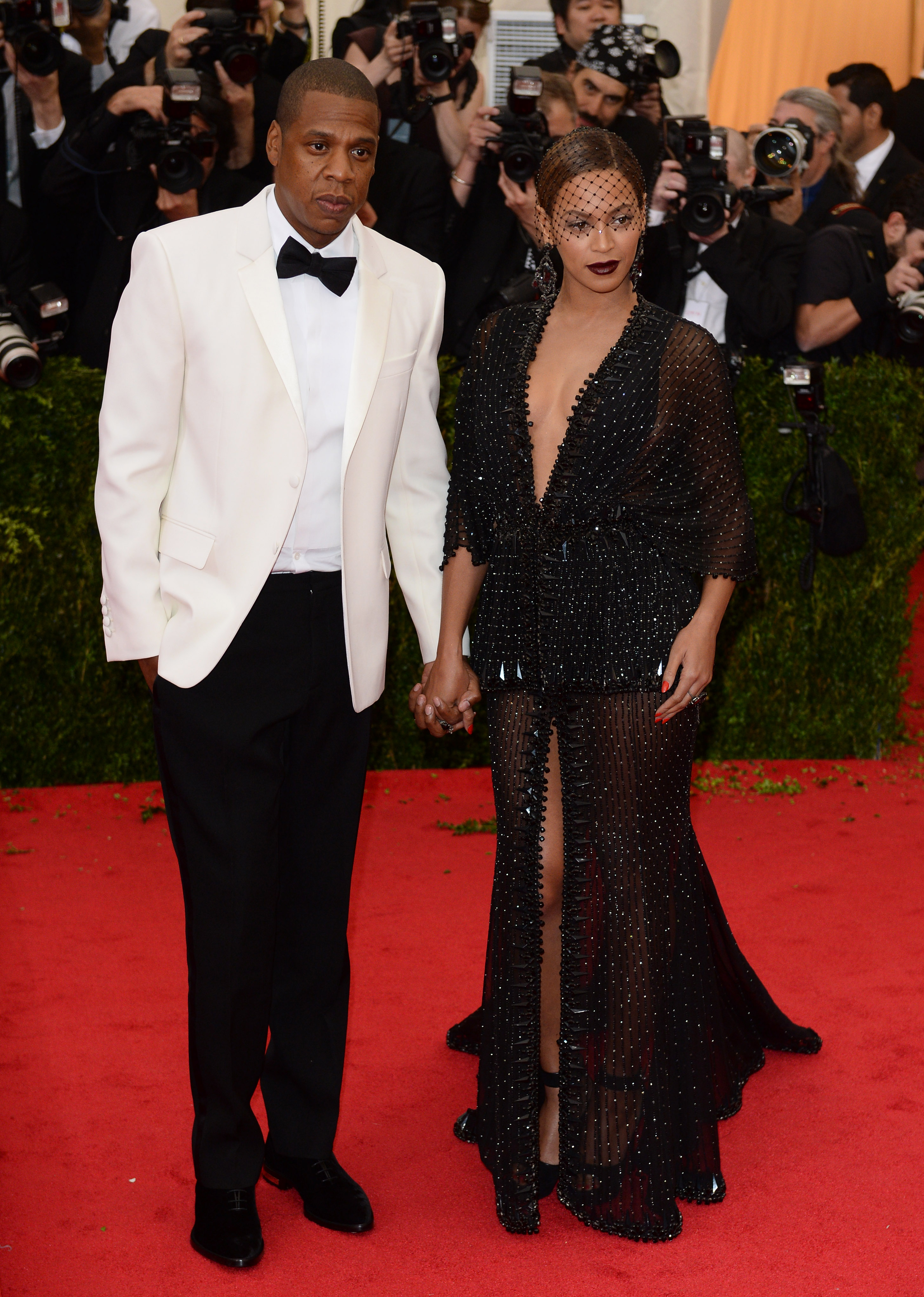
The 2014 Met Gala elevator incident refers to the physical altercation between Solange Knowles and Jay-Z inside a hotel elevator following the May 5, 2014, Met Gala after-party at the Standard Hotel in New York City. The security camera footage leaked to the public a week later, sparking intense media scrutiny, widespread public speculation, and substantial cultural discourse regarding celebrity privacy, family dynamics, and digital-age media distribution.
Historical and Cultural Context of the 2014 Met Gala
To understand the magnitude of the elevator incident, one must examine the environment in which it occurred. The Metropolitan Museum of Art’s Costume Institute Gala—commonly known as the Met Gala—is one of the most exclusive and heavily photographed red-carpet events in the world. In 2014, the event celebrated the exhibition "Charles James: Beyond Fashion." Celebrities, designers, and cultural icons gathered in New York City, adhering to strict high-fashion protocols under the supervision of Vogue editor-in-chief Anna Wintour.
Beyoncé, Jay-Z, and Solange Knowles attended the gala as part of a high-profile contingent representing contemporary music, fashion, and cultural royalty. Because public appearances by this specific family circle were heavily curated, controlled, and protected by private security teams, the general public perceived their public image as virtually impervious to scandal. The subsequent after-parties, held at various high-end venues across Manhattan, served as relaxed environments where high-net-worth attendees mingled away from the strict flashbulbs of the official red carpet, though not entirely away from professional surveillance or ambient media recording.
Chronology of Events: May 5–6, 2014
The sequence of events unfolded over the course of an evening that began with public celebration and concluded with private tension spilling into a semi-public space.
| Timeline Phase | Observed Activities and Verified Actions |
|---|---|
| Evening: Met Gala Red Carpet | Beyoncé, Jay-Z, and Solange Knowles arrive separately or coordinate arrivals for photographers. |
| Late Night: The After-Party | The group attends the Met Gala after-party hosted at the Standard Hotel in Manhattan. |
| Departure: Elevator Descent | Beyoncé, Jay-Z, Solange, and a bodyguard enter a private hotel elevator to leave the building. |
| The Incident | Security camera footage captures a physical and verbal altercation involving Solange and Jay-Z. |
| Street Level Exit | The group exits the hotel, appearing composed before entering separate waiting vehicles. |
As detailed in the security video that later surfaced, the altercation began shortly after the elevator doors closed. Solange Knowles can be seen stepping toward Jay-Z, launching a series of physical strikes and kicks while a bodyguard attempts to restrain her. Beyoncé stands largely motionless near the back of the elevator car, intervening verbally or adjusting her dress during brief lulls in the confrontation. Jay-Z primarily defends himself by catching Solange's foot or hands, offering minimal physical retaliation while exchanging sharp words.
Upon the elevator's arrival at the ground floor, the doors opened to reveal waiting paparazzi and hotel staff. Observers noted that Solange exited the building with an expression of visible anger, while Beyoncé and Jay-Z walked out moments later, entering separate vehicles under the direction of their security detail.
The Leak and Immediate Media Fallout
On May 12, 2014, the celebrity gossip website TMZ published the three-minute, silent closed-circuit television (CCTV) security footage from inside the elevator. The leak sent immediate shockwaves through traditional entertainment media and digital social networks. Without audio, millions of viewers attempted to read lips and interpret body language, transforming a private family dispute into a global guessing game.
The dissemination of the video raised significant legal and ethical questions regarding corporate data security and privacy rights within private hospitality spaces. The Standard Hotel swiftly launched an internal investigation to identify the individual responsible for accessing, recording, and leaking the proprietary security footage. Within days, the hotel released a public statement confirming that the employee responsible for selling the footage had been identified and terminated, and that the company had handed over all relevant information to appropriate legal authorities.
Public Speculation and the Internet Response
The absence of audio fueled intense public speculation across social media platforms such as Twitter, Tumblr, and Facebook. Internet users dissected every micro-expression, hand gesture, and clothing adjustment made by Beyoncé, Jay-Z, and Solange. Theories regarding the root cause of the argument ranged widely, encompassing speculative accounts of marital friction, professional disagreements, and protective familial dynamics.
This digital firestorm highlighted the shifting landscape of celebrity journalism in the 2010s. Independent blogs, social media influencers, and mainstream news outlets engaged in round-the-clock coverage, demonstrating how quickly a localized private incident could achieve saturation across international digital networks. Memes, reaction GIFs, and parodies proliferated within hours of the leak, showcasing the internet's capacity to trivialize severe personal conflicts for entertainment value.
The Official Statement and Damage Control
Facing mounting media pressure and relentless speculation, Beyoncé, Jay-Z, and Solange released a joint official statement to the Associated Press on May 15, 2014, three days after the leak occurred:
"As a result of the public release of the elevator security footage from Monday, May 5th, there has been a great deal of speculation about what triggered the unfortunate incident. But the most important thing is that our family has worked through it. Jay and Solange each assume their share of responsibility for what has occurred to-date. They both acknowledge their private role in this private matter that has played out in the public forum. They have apologized to each other and we have moved forward as a united family."
The statement explicitly addressed the rumors of deeper fractures within the family unit, presenting a united front. Furthermore, the family engaged in calculated public appearances in the weeks following the incident to reinforce the narrative of reconciliation. Solange and Beyoncé were photographed together at various public outings, and Jay-Z and Beyoncé continued their joint tour preparations without visible disruption to their professional schedules.
Artistic and Cultural Aftermath
Rather than letting the incident permanently damage their respective brands, the parties involved integrated the narrative into their subsequent creative output, turning vulnerability and public scrutiny into artistic commentary.
Musical Responses
- Solange Knowles: In her critically acclaimed 2016 album A Seat at the Table, Solange explored themes of autonomy, emotional regulation, and family legacy. Tracks such as "Don't Touch My Hair" resonated with discussions regarding personal boundaries and the protection of Black women's space.
- Beyoncé: In the 2014 remix of her single "Flawless" featuring Nicki Minaj, Beyoncé addressed the incident directly with the lyric, "Of course sometimes shit goes down when there's a billion dollars on an elevator." This acknowledgement neutralized the media's power over the narrative by bringing the private conflict directly into her artistic domain.
- Jay-Z: On his 2017 album 4:44, Jay-Z addressed marital infidelity, personal growth, and familial friction with explicit candor, particularly on the title track and the companion visual content, which obliquely referenced the events at the Standard Hotel.
Comparative Overview of Celebrity Crisis Management (2014 vs. Present)
The management of the 2014 elevator incident set a notable precedent for how modern celebrity camps handle digital-age leaks and privacy breaches.
| Crisis Management Element | 2014 Met Gala Elevator Incident Approach | Contemporary Digital Era Approach (2026) |
|---|---|---|
| Primary Response Medium | Formal written statement issued to wire services and major news outlets. | Direct-to-consumer publication via Instagram, TikTok, or X (formerly Twitter). |
| Handling of Leaked Media | Legal threats, termination of responsible personnel, and refusal to grant interviews. | Rapid meme appropriation, direct address via video, or tactical silence to starve engagement. |
| Brand Protection Strategy | United front appearances and prompt return to scheduled professional events. | Curated narrative control through controlled documentary releases or strategic album drops. |
| Third-Party Platform Reaction | Traditional media analysis, blind items, and speculative blogging. | Decentralized algorithmic discourse, TikTok breakdowns, and immediate viral commentary. |
Frequently Asked Questions
What caused the 2014 Met Gala elevator incident?
The exact cause of the argument between Solange Knowles and Jay-Z was never officially disclosed to the public. While numerous media outlets published unverified rumors alleging professional disagreements or personal disputes, the official statement released by the family emphasized that the matter was private, that both parties shared responsibility, and that they had resolved the issue privately.
Who leaked the elevator security footage?
The security footage was leaked by an employee of the Standard Hotel in New York City, where the after-party took place. Following an internal security audit, the hotel identified the staff member responsible, terminated their employment, and turned over the collected evidence to legal authorities.
How did Beyoncé react during the altercation?
In the security camera footage, Beyoncé appears calm and composed, standing near the back of the elevator. She occasionally intervenes verbally or adjusts her dress and jewelry, but does not participate in the physical altercation between Solange and Jay-Z. Observers noted her neutral demeanor as a deliberate attempt to defuse the tension in real time.
Did the incident impact the careers of Beyoncé, Jay-Z, or Solange?
While the incident generated massive temporary media attention and intense public scrutiny, it did not cause long-term damage to their respective careers. All three artists successfully leveraged the cultural momentum into subsequent creative projects, demonstrating high-level crisis management and narrative reclamation.
Were legal charges filed regarding the leak?
Neither Jay-Z, Beyoncé, nor Solange filed criminal charges against the individuals involved in the physical altercation. However, the Standard Hotel took swift legal and administrative action against the employee who accessed and sold the closed-circuit television recording to media outlets.
Conclusion and Recommendations
The 2014 Met Gala elevator incident remains a watershed moment in celebrity culture, illustrating the intersection of high-fashion exclusivity, private familial conflict, and digital-age surveillance capitalism. For researchers, media analysts, and cultural historians, the event serves as a prime case study in rapid crisis management, the ethics of corporate data security in the hospitality sector, and the strategic reframing of personal scandal into artistic currency. When analyzing similar historical events, observers should prioritize verified official statements, original journalism, and documented institutional responses over unverified tabloid speculation.