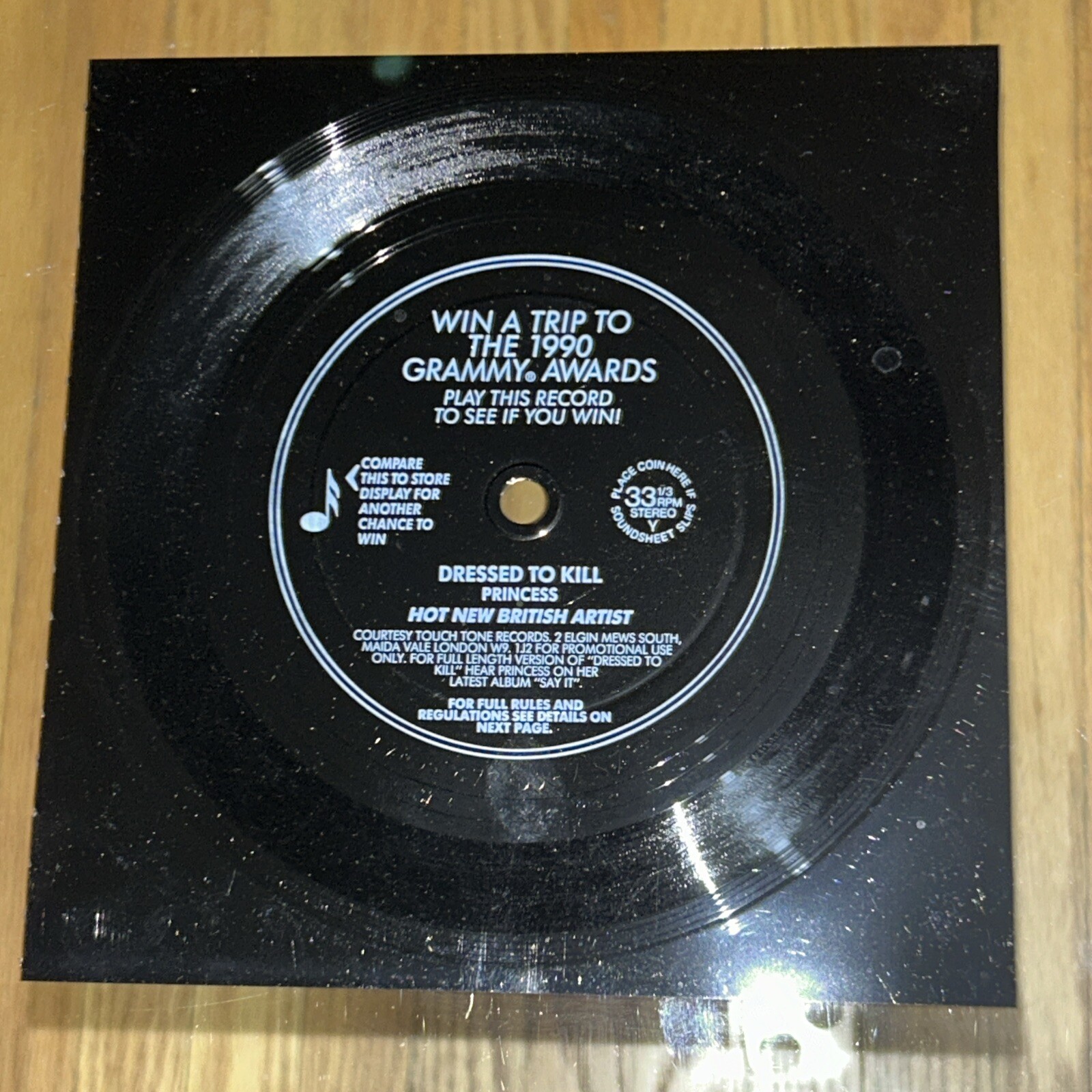
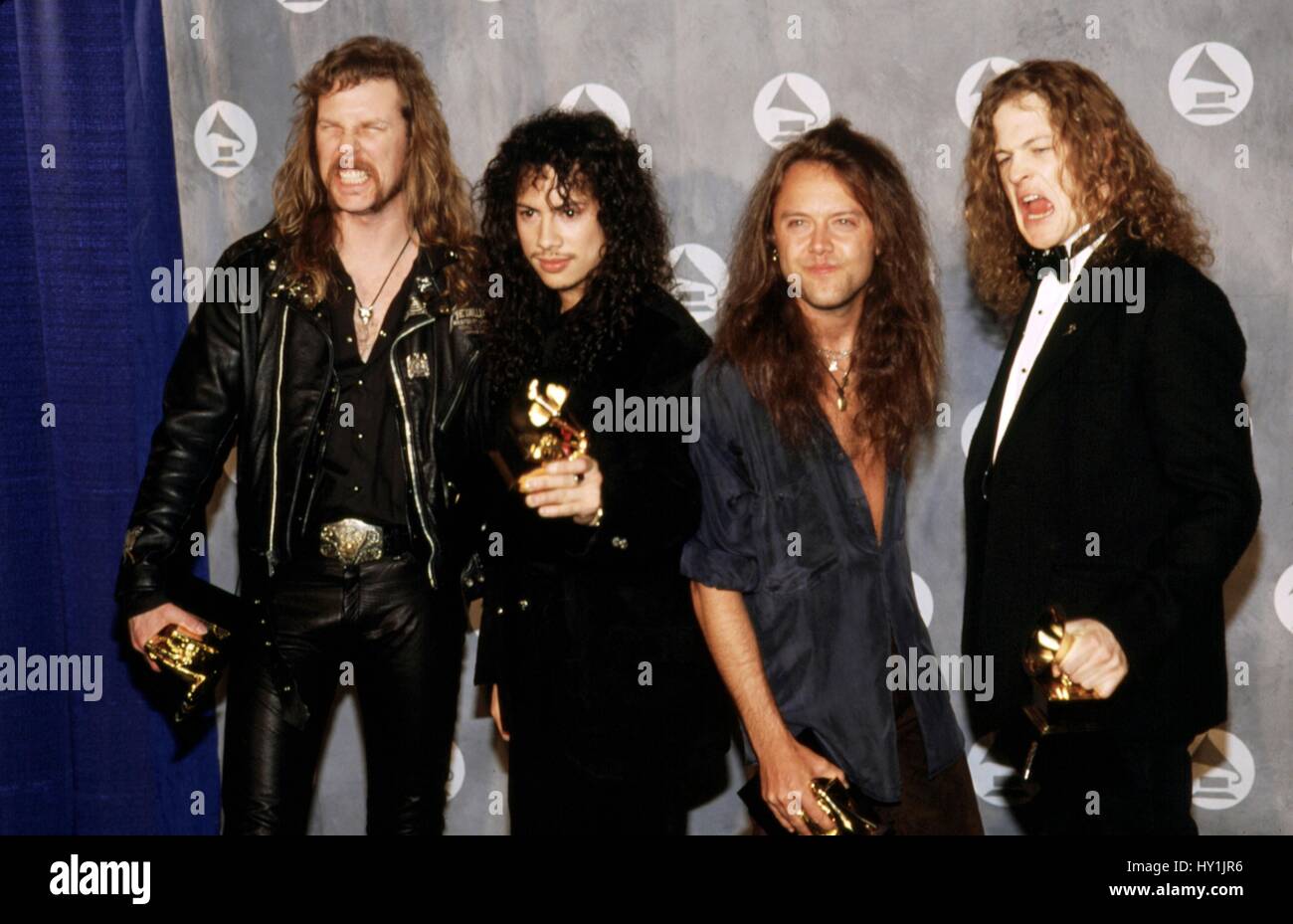
The 32nd Annual Grammy Awards, held on February 21, 1990, at the Shrine Auditorium in Los Angeles, recognized the finest musical achievements, recordings, and artists of the eligibility year spanning late 1988 through 1989. This landmark ceremony celebrated a transitional era in popular music, spotlighting both legendary legacy acts and explosive new talent while navigating the distinct cultural shifts of the late twentieth century.
Historical Context and Cultural Landscape of 1990
To understand the weight of the 1990 Grammy Awards, one must examine the broader cultural and musical landscape of the period. The late 1980s and early 1990s represented a period of intense creative friction and evolution within the global music industry. Traditional rock and adult contemporary pop shared the mainstream charts with the rapidly expanding commercial influence of hip-hop, heavy metal, and high-gloss dance-pop.
The National Academy of Recording Arts and Sciences (NARAS) faced increasing scrutiny from music critics and fans alike during this era. Historically, the Grammy Awards had a reputation for favoring conservative, traditional, and universally palatable choices over boundary-pushing artistic statements. As the music industry decentralized and splintered into vibrant subgenres, the governing body of the Grammys continually attempted to balance commercial viability with critical acclaim. The 1990 ceremony arrived at a critical juncture, reflecting these industry-wide tensions and setting the stage for subsequent decades of genre diversification within the mainstream awards framework.
Major Categories and Historic Winners
The competition across the major general-field categories—Album of the Year, Record of the Year, Song of the Year, and Best New Artist—showcased a diverse array of artistic approaches. Nominees and winners represented the pinnacle of studio production, songwriting craftsmanship, and cultural resonance for the 1989 release cycle.
Album of the Year
The Album of the Year category remains the ultimate benchmark of critical and commercial success at the Grammy Awards. At the 1990 ceremony, Bonnie Raitt secured the coveted trophy for her critically acclaimed tenth studio album, Nick of Time. Produced by Don Was, the album represented a commercial breakthrough for Raitt, blending roots rock, blues, and adult contemporary pop. Its victory signaled a triumph for authentic, mature songwriting and seasoned musicianship over manufactured pop trends.
Other nominees in this highly competitive field included:
- The Raw & the Cooked by Fine Young Cannibals
- The End of the Innocence by Don Henley
- Full Moon Fever by Tom Petty
- Traveling Wilburys Vol. 1 by Traveling Wilburys
Record and Song of the Year
While Record of the Year recognizes the overall artistic excellence, production, and engineering of a specific single, Song of the Year honors the songwriters responsible for the composition itself.
Phil Collins dominated these categories with his socially conscious track "Another Day in Paradise." The song, which addressed the crisis of homelessness, resonated deeply with listeners worldwide and captured the Record of the Year award. Meanwhile, the Song of the Year accolade went to "Wind Beneath My Wings," written by Larry Henley and Jeff Silbar. While the song had been recorded by multiple artists over the years, Bette Midler’s emotive rendition for the soundtrack of the film Beaches propelled the composition to unprecedented cultural heights and Grammy glory.
Best New Artist
The Best New Artist category serves as a historical predictor of long-term commercial viability and critical endurance. The 1990 award was presented to American singer-songwriter Milli Vanilli, a decision that would subsequently become one of the most infamous footnotes in Grammy history. At the time, the duo—consisting of Fab Morvan and Rob Pilatus—was riding an unprecedented wave of chart-topping success with dance-pop anthems like "Girl You Know It's True."
The full list of nominees for Best New Artist included:
- Milli Vanilli (Winner—later revoked)
- Neneh Cherry
- Indigo Girls
- Soul II Soul
- Tone Loc
The Milli Vanilli Controversy and Its Aftermath
No retrospective of the 1990 Grammy Awards is complete without examining the fallout surrounding Milli Vanilli. Several months after accepting the Best New Artist award, mounting rumors and admissions from producer Frank Farian revealed that Morvan and Pilatus did not actually sing on their hit records. Studio vocalists had provided all the recorded performances while the public-facing duo served strictly as dancers and performers.
In November 1990, NARAS took the unprecedented step of revoking Milli Vanilli's Best New Artist Grammy Award. This marked the first and only time in Grammy history that an award was rescinded due to ineligibility of performance. The scandal sent shockwaves through the music industry, prompting renewed calls for transparency in vocal production and reshaping how the academy verified eligibility for performance-based categories. The event remains a cautionary tale regarding the separation of image and substance in pop music marketing.
Genre Breakdown and Key Performances
Beyond the general field, the 1990 ceremony celebrated excellence across rock, pop, R&B, and rap, reflecting the complex segmentation of the music market.
| Category / Genre | Notable Winner / Recipient | Significant Work |
|---|---|---|
| Album of the Year | Bonnie Raitt | Nick of Time |
| Record of the Year | Phil Collins | "Another Day in Paradise" |
| Song of the Year | Larry Henley & Jeff Silbar (Songwriters) | "Wind Beneath My Wings" (performed by Bette Midler) |
| Best Rock Vocal Performance, Male | Don Henley | The End of the Innocence |
| Best R&B Vocal Performance, Female | Anita Baker | "Giving You the Best That I Got" |
| Best Rap Performance | Young MC | "Bust a Move" |
The inclusion of the Best Rap Performance category was itself a milestone, established for the first time at the 31st Grammy Awards in 1989 and continuing to gain institutional footing in 1990. Young MC's victory for "Bust a Move" highlighted the genre's growing commercial viability and mainstream integration, even as hip-hop artists famously boycotted the telecast due to the decision not to broadcast the rap category live on television.
Live performances during the telecast provided defining television moments. Artists such as Bonnie Raitt, Phil Collins, and a collaborative ensemble of rock and pop veterans demonstrated the enduring power of live instrumentation. These performances anchored a broadcast that sought to bridge generational divides in musical taste.
Legacy and Impact on Modern Music Awards
The 1990 Grammy Awards occupy a unique space in entertainment history. They capture a distinct cultural pivot point where the analog production methods of legacy rock and adult contemporary artists collided with the synthesized, high-energy pop and emerging urban sounds of a new decade.
The lessons learned from the controversies of 1990—particularly regarding authenticity, credit, and administrative oversight—permanently altered how NARAS evaluates submissions. The academy implemented stricter guidelines for producers, featured artists, and songwriters to ensure that awards accurately reflected the creative contributors behind nominated works.
For music historians, collectors, and fans, the 32nd Annual Grammy Awards serve as an invaluable time capsule. They document the exact moment when industry titans solidified their legacies, fresh voices broke through commercial barriers, and the recording industry confronted the complex realities of modern pop stardom.
Frequently Asked Questions
Who won Album of the Year at the 1990 Grammy Awards?
Bonnie Raitt won Album of the Year for her tenth studio album, Nick of Time. The victory marked a major commercial and critical milestone for Raitt, establishing her among the premier roots-rock artists of her generation.
Why was Milli Vanilli's Grammy award revoked?
Milli Vanilli's Best New Artist Grammy was revoked after it was revealed that members Fab Morvan and Pilatus did not sing on their hit recordings. Session vocalists performed the actual tracks, leading NARAS to strip them of the honor in late 1990.
Which song won Song of the Year in 1990?
"Wind Beneath My Wings," written by Larry Henley and Jeff Silbar and famously recorded by Bette Midler for the film Beaches, won the Grammy Award for Song of the Year at the 1990 ceremony.
How did the 1990 Grammys reflect changes in the music industry?
The ceremony highlighted the tension between traditional adult contemporary music and the rising influence of dance-pop, hip-hop, and alternative rock. The inclusion and expansion of categories like Best Rap Performance demonstrated the academy's gradual adaptation to shifting consumer markets.
Where did the 32nd Annual Grammy Awards take place?
The 1990 Grammy Awards ceremony was held at the Shrine Auditorium in Los Angeles, California, serving as the broadcast venue for music's premier night.