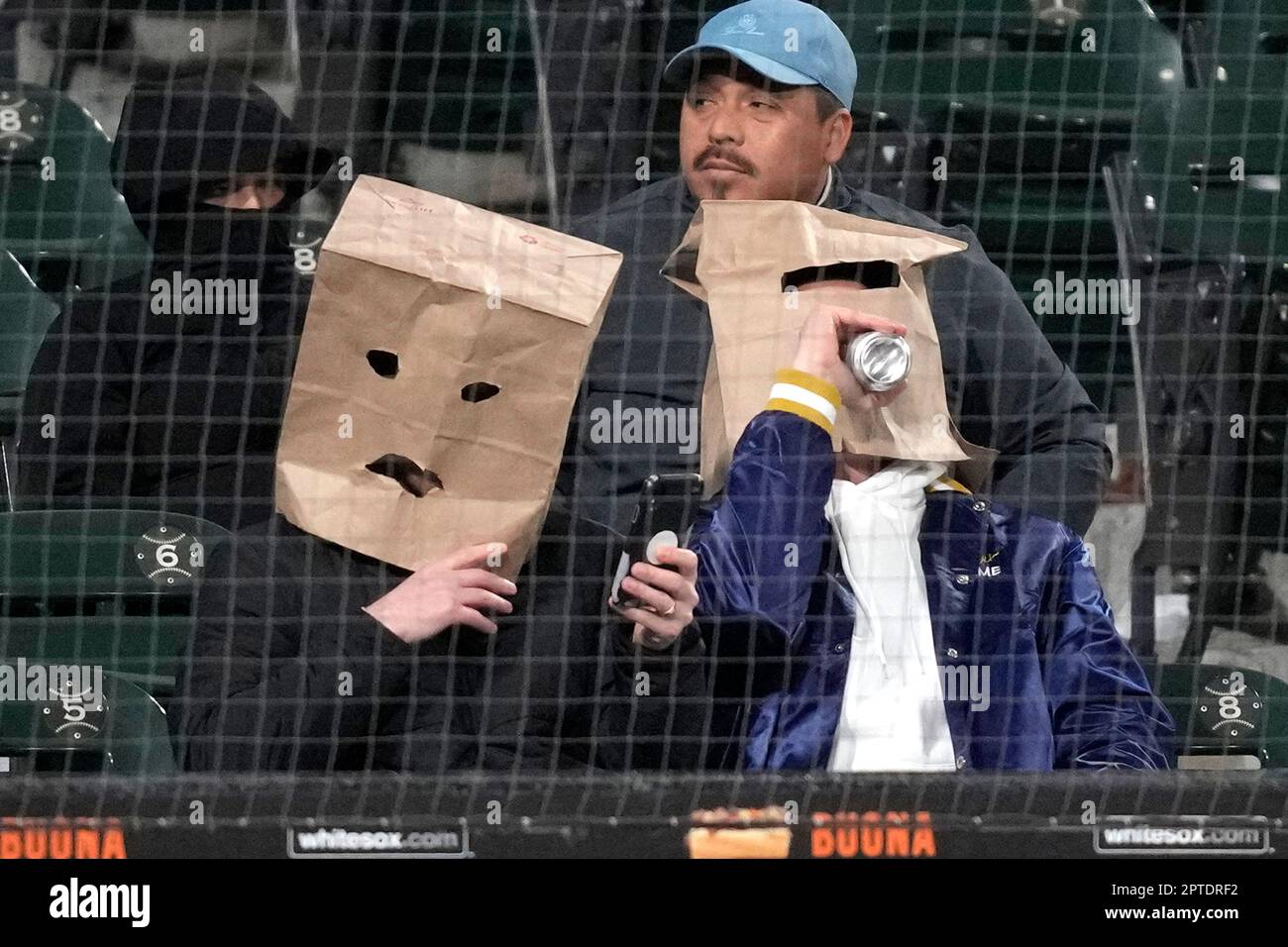
When a frustrated fan places a paper bag over their head in the stands, it transcends a mere sports prank to become one of the most potent symbols of fan protest in American professional sports. While this method of anonymous self-deprecation has been adopted by supporters of various struggling franchises across multiple leagues, it is most enduringly and culturally associated with the fans of the Raiders franchise—spanning their eras in Oakland and Las Vegas. This stark visual communicates absolute organizational disillusionment, transforming stadium seats into a canvas of collective despair and accountability demand.
Origins and Evolution of the Paper Bag Protest in Sports
The practice of putting a paper bag over one's head in professional sports dates back several decades, rooted in the rise of televised sports and the satirical coping mechanisms of long-suffering fanbases. Before the internet allowed fans to vent through social media forums and message boards, the stadium stands were the primary theater for expressing collective discontent.
While the New Orleans Saints famously inspired the "Aints" paper bag phenomenon in the late 1970s—where fans wore bags with eyeholes and the team's name misspelled or altered—the trope eventually found a permanent home in the lore of the Raiders. As the franchise navigated periods of front-office instability, coaching carousels, and prolonged playoff droughts following their appearance in Super Bowl XXXVII, the visual of silver and black supporters donning grocery bags became a staple of sports broadcasting.
The evolution of the bag over the head moved from a spontaneous act of gallows humor to a calculated form of visual protest. Fans began writing scathing commentary directly onto the paper bags:
- Sustained losing records and front-office critiques
- References to the franchise's once-proud "Just Win, Baby" ethos contrasted with current realities
- Sarcastic acknowledgements of high-priced draft busts or mismanaged coaching hires
- Direct pleas for ownership changes or general manager dismissals
Psychological and Sociological Drivers of Fan Protest
Understanding why fans resort to hiding their identities while simultaneously drawing maximum attention requires examining the psychology of sports fandom. For many supporters, a team is not merely an entertainment product; it is a core component of personal and communal identity. When a legacy franchise with a rich championship history experiences chronic underperformance, supporters experience a form of disenfranchisement.
The paper bag serves a dual psychological purpose. First, it provides anonymity, shielding the individual from the immediate embarrassment of being associated with a blowout loss on national television. Second, and more importantly, it is a theatrical device designed to signal collective unity in misery. By hiding their faces, these fans paradoxically make themselves the focal point of the broadcast, forcing television cameras, sports talk radio, and sports journalists to address the elephant in the room: organizational failure.
Unlike physical altercations or stadium disturbances, the bag over the head is a peaceful, creative, and inherently humorous form of civil disobedience. It weaponizes self-deprecation to highlight institutional incompetence. For Raiders fans, whose identity is historically built on being the intimidating, fiercely loyal "Black Hole" of the NFL, the paper bag represents a heartbreaking departure from swagger to sorrow.
Comparative Analysis of Fan Protests Across Sports
While the Raiders fanbase is frequently linked with this imagery due to the stark contrast between their fierce reputation and prolonged modern struggles, fans across the National Football League and other sports leagues have utilized similar tactics. The table below outlines notable instances and variations of structural fan protests across major sports leagues.
| Franchise / Team | Era / Year | Primary Protest Method | Underlying Grievance |
|---|---|---|---|
| New Orleans Saints | Late 1970s ("Aints" era) | Paper bags with eyeholes | Decades of losing seasons and organizational futility |
| Oakland / Las Vegas Raiders | Various (Post-2002 era) | Branded or marked paper bags | Front office instability, relocations, and playoff droughts |
| Cleveland Browns | 2016 (Perfect 0-16 season) | "FirstEnergy" parade / Bags | Historic levels of roster mismanagement and losses |
| New York Knicks | 2010s | "Sell the Team" chants and bags | Ownership decisions and prolonged absence of contention |
| Detroit Lions | 2008–2009 | Paper bags and brown paper jerseys | First 0-16 season in NFL history |
The Impact of Media, Broadcasting, and Social Media
The longevity of the Raiders bag-over-head phenomenon is heavily sustained by the modern sports media ecosystem. In the pre-digital era, a fan in a paper bag might capture a fleeting moment on the local evening news or a single photograph in a regional newspaper. Today, that same visual is captured by high-definition sideline cameras, broadcast globally, and instantly converted into viral memes, GIFs, and discussion threads on platforms like X (formerly Twitter), Reddit, and TikTok.
Broadcasters often find themselves in an awkward balancing act when these visuals appear on screen. Directors know that a fan with a bag over their head tells a more compelling visual story about a game's momentum than the scoreboard alone. Consequently, commentators are frequently forced to address the organizational climate of the franchise, turning the fan in the bag into a legitimate analytical talking point.
However, this hyper-visibility has also changed the nature of the protest. What once started as an organic, organic expression of genuine heartache can occasionally drift into performative territory, where attendees wear bags simply to court social media attention or secure a spot on the broadcast. Despite this commercialization of fan despair, the core emotional resonance remains tied to authentic frustration.
Frequently Asked Questions
Why do Raiders fans specifically wear bags over their heads?
Raiders fans wear paper bags over their heads to protest chronic underperformance, front-office instability, and losing seasons. Because the franchise holds a storied history of success and a fierce brand identity, the contrast of prolonged mediocrity drives supporters to use the bag as a humorous yet biting symbol of organizational accountability.
When did the paper bag protest originate in professional sports?
While impromptu protests happened earlier, the phenomenon gained national prominence during the late 1970s with fans of the New Orleans Saints, who famously dubbed themselves the "Aints" and wore bags to home games to mock the franchise's continuous futility.
Do NFL stadiums allow fans to wear paper bags over their heads?
In most cases, stadium security and NFL venue policies permit paper bags, provided they do not obscure security identification, violate clear bag policies when brought in, or contain prohibited threatening messaging. However, individual stadium personnel retain the discretion to address items that disrupt safety or sightlines.
How do sports franchises react to fans protesting with bags?
Front offices and ownership groups generally avoid addressing paper bag protests directly in public statements, as acknowledging them amplifies negative publicity. Instead, organizations typically respond by making personnel changes, restructuring management, or attempting to rebuild fan trust through community outreach and roster investments.
Has social media changed how fan protests are perceived?
Yes. Social media has accelerated the spread of visual protests, turning localized stadium moments into global digital phenomena. This increases the pressure on sports franchises, as the images of fan discontent are permanently archived and amplified across multiple digital channels instantly.
Conclusion and Next Actions
The image of a Raiders fan with a paper bag over their head remains an indelible part of modern sports culture, serving as a visceral reminder of the emotional investment fans place in professional franchises. For observers, analysts, and supporters alike, tracking these moments offers insight into the shifting dynamics between organizational accountability and consumer loyalty. When evaluating the health of a sports franchise, monitoring the morale and public demonstrations of its fanbase often provides a clearer picture than any corporate press release or front-office projection.