Larry Ellison, co-founder and former CEO of Oracle Corporation, owns approximately 98% of Lānaʻi, the sixth-largest of the Hawaiian Islands. Rather than owning an entire isolated archipelago or a minor islet, Ellison purchased a controlling stake in an inhabited, historically rich island comprising roughly 141 square miles, making it one of the largest private island acquisitions in modern history.
Introduction to Lānaʻi and the Ellison Acquisition
The question of which Hawaiian island Larry Ellison owns frequently arises among travelers, real estate enthusiasts, and those tracking high-net-worth asset acquisitions. The answer centers on Lānaʻi, an island historically defined by its plantation past, specifically its era as the world's largest pineapple plantation under the Dole Food Company. In June 2012, Ellison completed a high-profile purchase acquiring 98% of the island from billionaire David Murdock’s Castle & Cooke Inc.
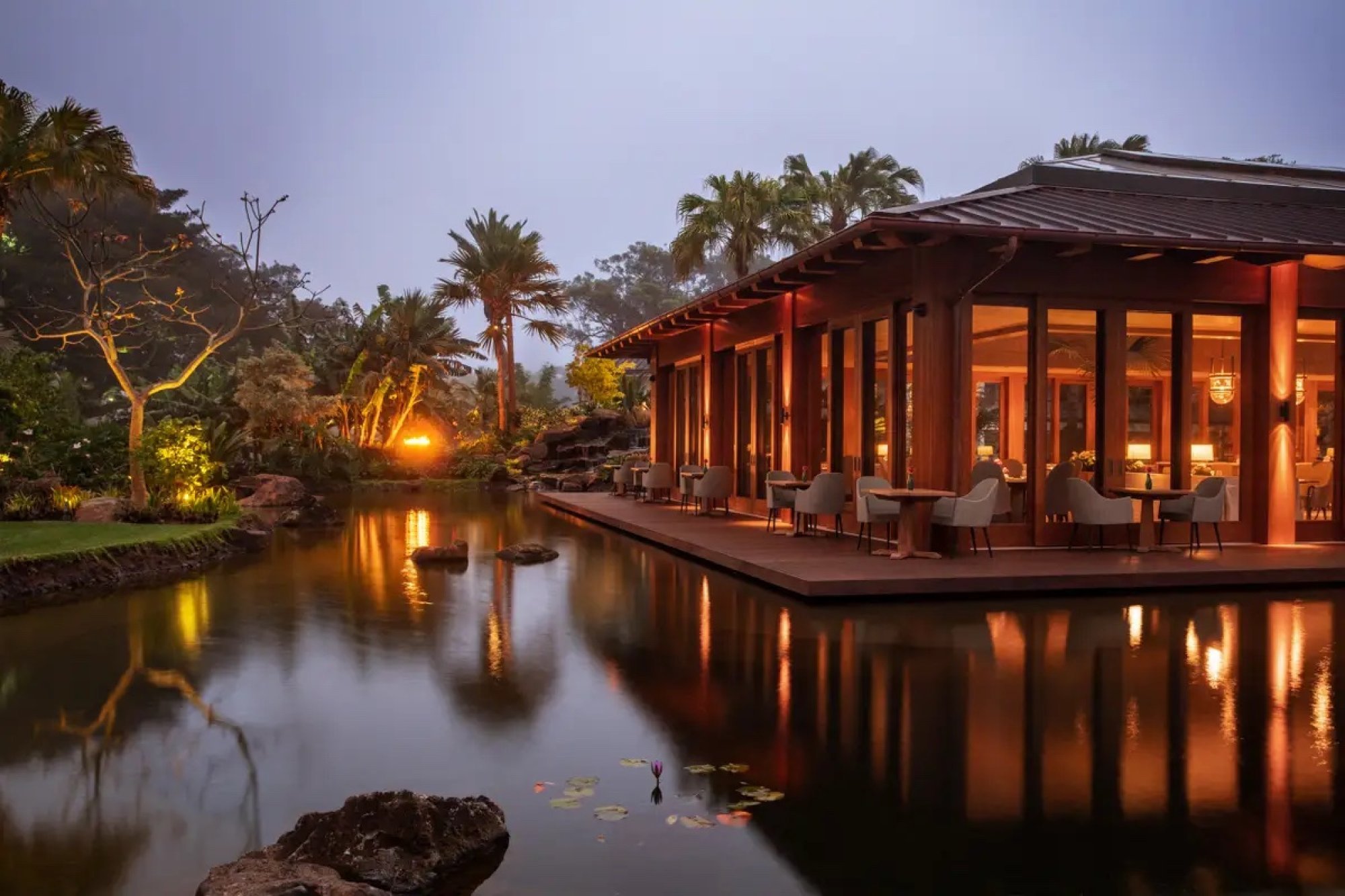
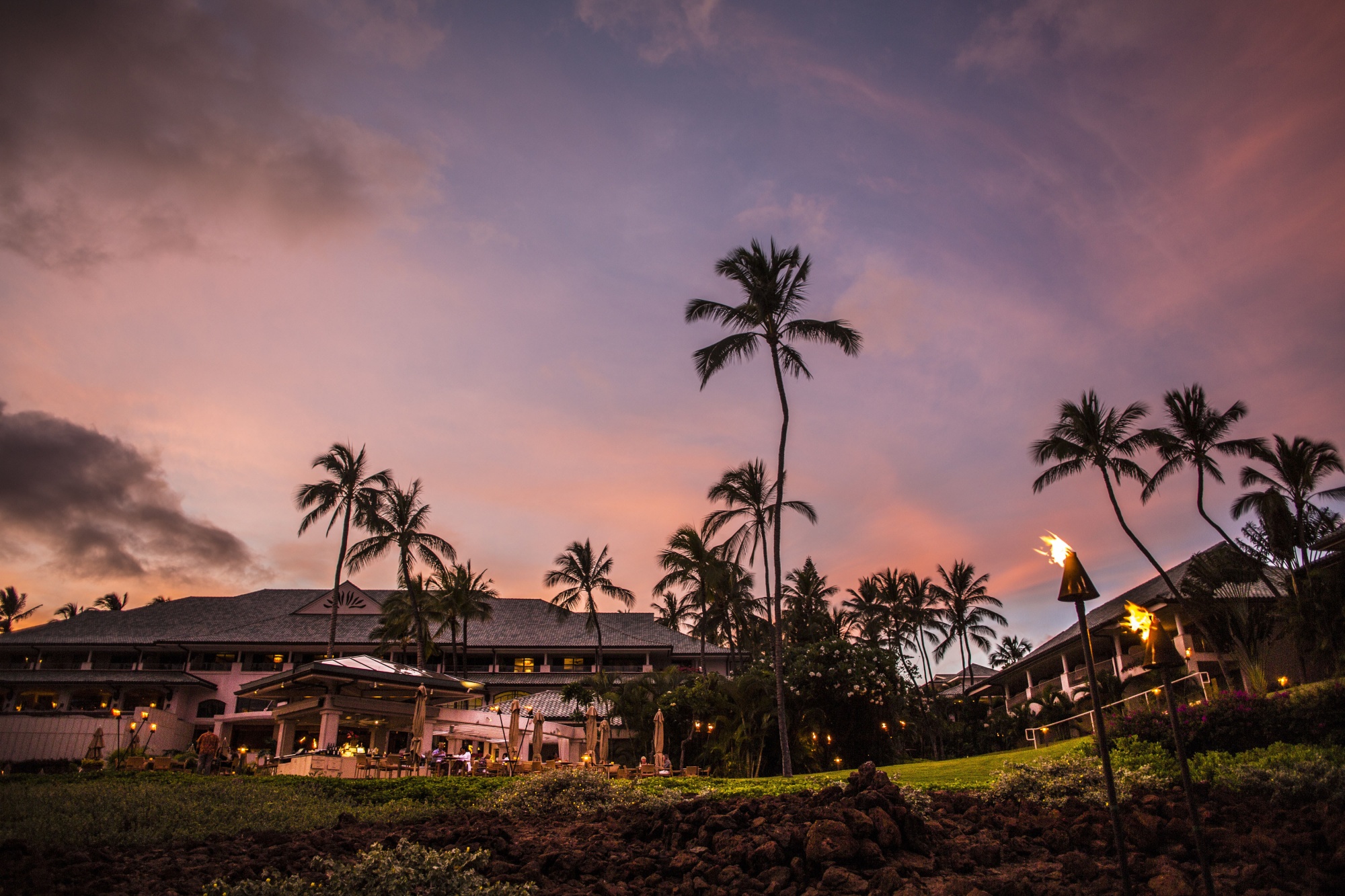
The remaining 2% of Lānaʻi is not owned by Ellison; instead, it consists of state-owned land, county infrastructure, and parcels owned by private residential and commercial property holders. This unique ownership structure means that while Ellison holds the vast majority of the landmass—including two luxury Four Seasons resorts, commercial buildings, utilities, and expansive agricultural lands—the island remains an open, functioning community with resident voters, local government oversight, and public access points.
Understanding this acquisition requires looking past the simple trivia of billionaire real estate holdings. Owning 98% of an island entails managing a complex socio-economic ecosystem, navigating local governance, and balancing luxury tourism development with community sustainability. The following sections examine the details of the purchase, the transformation of the island's infrastructure, the environmental initiatives implemented under Ellison's stewardship, and the broader implications for the local population.
The Acquisition Process and Financial Scope
The transaction that brought Lānaʻi under Larry Ellison’s control remains one of the most remarkable private property transfers of the 21st century. In 2012, Ellison purchased the Castle & Cooke subsidiary that owned the island's assets. While the exact purchase price was never officially disclosed in its entirety, regulatory filings and industry estimates pegged the transaction value at approximately $300 million to $500 million.
For this investment, Ellison acquired:
- Approximately 88,000 acres of land (representing 98% of the island's total area).
- Two Four Seasons luxury resorts (The Lodge at Koele and Manele Bay, later rebranded).
- Substantial infrastructure, including the island’s municipal water company, electric company, and the Lānaʻi Airport's commercial fueling facilities.
- Commercial real estate in Lānaʻi City, including historical plantation-style storefronts.
- Vast stretches of undeveloped coastline, conservation lands, and agricultural zones.
The scale of the purchase transformed Ellison from a traditional corporate executive into a municipal-scale landlord and utility provider. Unlike purchasing a secluded residential estate in Malibu or a private compound in Silicon Valley, owning Lānaʻi meant inheriting the day-to-day operational responsibilities of an entire municipality, from water distribution and energy grids to commercial lease management and workforce housing.
Infrastructure Transformation and Sustainable Development
Following the acquisition, Ellison initiated a multi-phase modernization and sustainability initiative across Lānaʻi. The island's historical reliance on imported fossil fuels and outdated water systems presented significant operational hurdles. Ellison’s holding company, Pulama Lānaʻi, was established to manage these infrastructural overhaul projects.
Energy and Water Modernization
Historically, Lānaʻi relied entirely on diesel generators for electricity and faced persistent challenges regarding freshwater availability, particularly given the historical demands of pineapple cultivation followed by resort golf courses. Under Ellison, investments targeted renewable energy integration, specifically exploring solar power arrays to reduce the island's carbon footprint and stabilize utility costs for residents. Water management systems were likewise upgraded to improve efficiency, reduce aquifer depletion, and support sustainable agricultural ventures.
Resort Upgrades and Tourism Economics
Tourism serves as the primary economic engine of Lānaʻi. Ellison invested heavily in upgrading the island's hospitality assets to cater to ultra-high-net-worth travelers. The properties were extensively renovated under the Four Seasons brand umbrella, introducing world-class wellness facilities, fine dining, and upscale amenities.
| Asset Category | Pre-Acquisition Status | Post-Acquisition Transformations |
|---|---|---|
| Resorts | Aging luxury properties requiring capital infusion. | Comprehensive modernization, Four Seasons rebranding, and ultra-luxury repositioning. |
| Infrastructure | Vulnerable fossil-fuel dependence and aging utility grids. | Exploration of solar energy, water grid updates, and municipal efficiency projects. |
| Agriculture | Declining plantation footprint. | Investment in hydroponic farming, orchards, and local food production. |
| Housing | Limited inventory and aging plantation homes. | Infrastructure support, community development, and local housing initiatives. |
Community Impact and Socio-Economic Dynamics
The reality of living on an island owned almost entirely by a single private individual has generated ongoing discussion among sociologists, economists, and residents. Lānaʻi’s population of approximately 3,000 residents experiences a unique dynamic where their employer, landlord, utility provider, and municipal benefactor are closely tied to a single entity.
Proponents of Ellison’s ownership point to substantial investments in local healthcare, education support, and job creation that might otherwise be unavailable on a remote, sparsely populated island. The upgrade of community facilities, sponsorship of local events, and the introduction of advanced agricultural projects have injected capital into an economy that previously struggled after the collapse of the pineapple industry.
Conversely, critics and housing advocates have raised concerns regarding the cost of living, housing availability, and the potential displacement of long-term residents as the island shifts increasingly toward ultra-luxury tourism. Because Pulama Lānaʻi owns the vast majority of commercial and residential rentals, property market dynamics differ significantly from the rest of Hawaii. Balancing the preservation of Lānaʻi’s small-town, plantation-era charm with the economic demands of a luxury resort destination remains a central challenge for the island's administration.
Frequently Asked Questions
Can anyone visit the Hawaiian island owned by Larry Ellison?
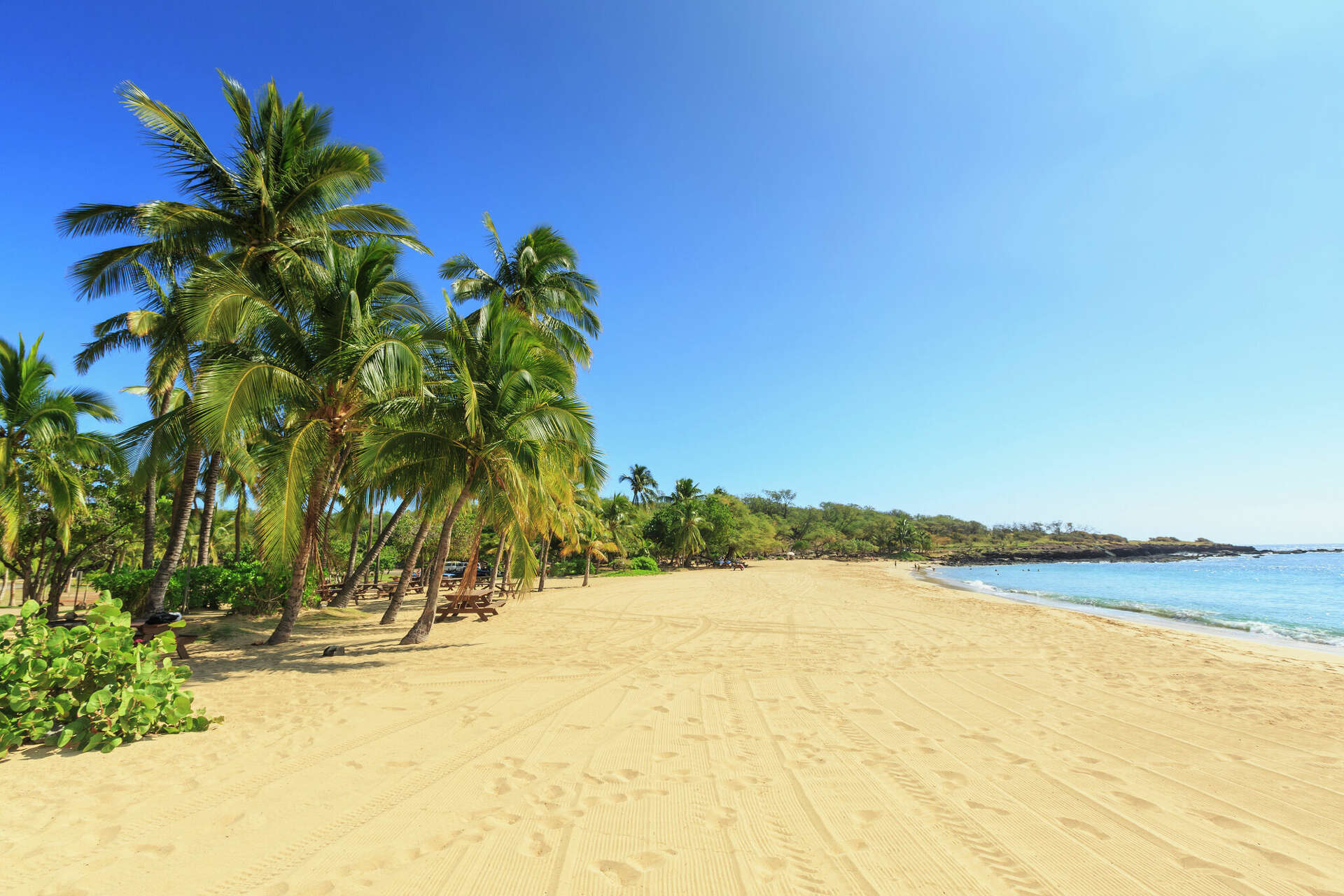
Yes, Lānaʻi is open to the public. Visitors can travel to the island via the Lānaʻi Ferry from Maui or by flying into Lānaʻi Airport. While Ellison owns 98% of the land, public beaches, state parks, and commercial businesses remain accessible to tourists and non-residents, though much of the interior land requires guided tours or authorized transport.
Did Larry Ellison buy the entire island of Lānaʻi?
No, he purchased approximately 98% of the island. The remaining 2% consists of parcels owned by the State of Hawaii, Maui County, and private individual homeowners, as well as specific public infrastructure sites.
What is Pulama Lānaʻi?
Pulama Lānaʻi is the operating management company established to oversee Larry Ellison's assets, development projects, conservation efforts, and community operations on the island. It functions similarly to a municipal management organization, handling utilities, housing, and resource conservation.
How much did Larry Ellison pay for Lānaʻi?
While the exact financial terms of the 2012 transaction were kept private, industry analysts and regulatory disclosures estimated the purchase price to be between $300 million and $500 million for the Castle & Cooke subsidiary holding the assets.
Are there cars and traffic lights on Lānaʻi?
Lānaʻi is famous for having no traffic lights on the entire island. While there are paved roads connecting Lānaʻi City to the resorts and the harbor, many of the remote interior roads are unpaved and require four-wheel-drive vehicles to navigate safely.
Conclusion and Next Actions
Larry Ellison’s ownership of 98% of Lānaʻi represents a fascinating intersection of private wealth, corporate stewardship, and island ecology. For travelers planning to visit Lānaʻi, understanding the island's unique ownership structure helps contextualize its blend of rustic plantation heritage and ultra-luxury resort amenities. Those interested in visiting should research ferry schedules from Maui, book accommodations well in advance given the limited resort inventory, and utilize authorized local tour operators to explore the island's rugged interior and pristine marine sanctuaries responsibly.