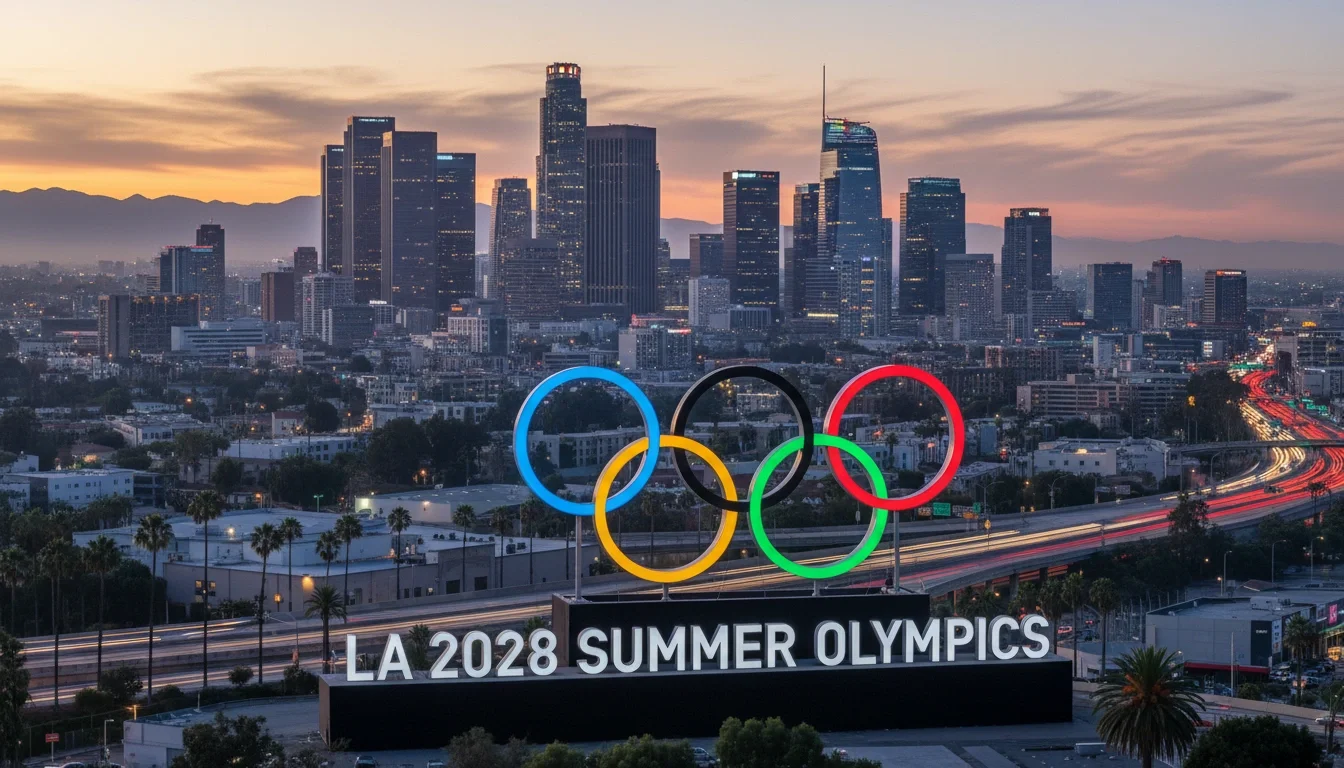
The 2028 Los Angeles Olympic and Paralympic Games represent a monumental milestone for the global sporting community, returning the Summer Games to the United States for the first time since 1996. As the countdown progresses, Los Angeles 2028 (LA28) is spearheading a transformative, privately funded model that relies entirely on existing world-class venues, temporary structures, and sustainable operational planning to deliver an iconic multi-sport showcase.
Understanding the LA28 Timeline and the 2026 Milestone
The path to the 2028 Los Angeles Olympic Games is structured through a meticulously managed multi-year timeline. Standing in 2026, the organizational focus has shifted decisively from high-level conceptual planning to operational execution, venue infrastructure testing, and community engagement. The 2028 Games will officially open on Friday, July 14, 2028, and run through Sunday, July 30, 2028, followed immediately by the Paralympic Games from August 15 through August 27, 2028.
As the multi-year countdown advances, stakeholders, athletes, and local residents track crucial operational milestones. The organizing committee operates under a unique framework approved by the International Olympic Committee (IOC) under "Normative Agenda 2020," which emphasizes fiscal responsibility, ecological sustainability, and long-term community benefits. Unlike previous host cities that constructed expensive, permanent white-elephant facilities, LA28 utilizes a master plan rooted in Southern California's existing sports and entertainment infrastructure.
The Venue Master Plan: Zero New Permanent Construction
One of the most defining characteristics of the 2028 LA Olympics is its commitment to sustainability through the complete avoidance of new permanent venue construction. This strategy drastically minimizes the environmental footprint and financial risks traditionally associated with hosting mega-events. The master plan groups competitions into distinct operational hubs across Southern California, connecting historic landmarks with state-of-the-art modern arenas.
Downtown Los Angeles Sports Hub
The Downtown LA cluster serves as a vibrant epicentre for the Games, leveraging dense urban infrastructure to host major indoor and outdoor competitions.
- Crypto.com Arena: Scheduled to host elite basketball tournaments.
- Los Angeles Memorial Coliseum: Making history as the first stadium to host track and field events for three separate Olympic Games (1932, 1984, and 2028).
- BMO Stadium and Exposition Park: Hosting soccer matches and aquatic events via temporary pool installations.
Valley and Long Beach Sports Parks
Spreading the events across the broader metropolitan area ensures optimal regional traffic distribution and showcases diverse Southern California landscapes. The Long Beach sports park will host open-water swimming, triathlon, and sailing along the Pacific coastline, utilizing temporary marina setups that can be efficiently dismantled post-Games. Meanwhile, the Sepulveda Basin in the San Fernando Valley will transform into an outdoor hub for archery, skateboarding, and BMX events.
The Inglewood Cluster
The state-of-the-art SoFi Stadium and the adjacent Intuit Dome anchor the Inglewood cluster. SoFi Stadium will undergo temporary structural modifications to accommodate premier events, showcasing how modern architectural marvels built for professional sports leagues adapt seamlessly to international Olympic standards without permanent alteration.
Sports Program Integration and New Additions
The LA28 sports program features a balanced mix of traditional Olympic mainstays and cutting-edge urban disciplines designed to appeal to younger, globally diverse demographics. Following the inclusion process outlined by the IOC and LA28 organizing committee, several sports have been added or reaffirmed for the 2028 schedule.
| Sport / Discipline | Status for LA28 | Venue Location Category | Operational Focus |
|---|---|---|---|
| Athletics (Track & Field) | Core Sport | Los Angeles Memorial Coliseum | Historic venue adaptation |
| Swimming & Aquatics | Core Sport | Temporary Stadiums (Expo Park) | Modular pool construction |
| Skateboarding | Optional/Included | Sepulveda Basin | Urban youth engagement |
| Sport Climbing | Optional/Included | Southern California Arena | Technical wall installations |
| Flag Football | Newly Added | Inglewood Cluster | First-time Olympic inclusion |
| Squash | Newly Added | Downtown LA Hub | Spectator-intimate venue setup |
| Baseball / Softball | Returning | Regional Ballparks | Traditional regional utilization |
The introduction of flag football and squash marks a notable expansion of the Olympic program, reflecting regional popularity and international growth trends. Furthermore, classic disciplines such as weightlifting and modern pentathlon have integrated governance reforms required by the IOC to secure their long-term positions on the 2028 sports calendar.
Sustainability, Transit, and "No-Car" Games Strategy
Transporting millions of spectators, athletes, officials, and media personnel across one of the world's most sprawling metropolitan areas presents an immense logistical challenge. LA28 has committed to a bold "No-Car" Games strategy, leveraging regional investments in public transportation infrastructure.
Public Transit Expansion
The Los Angeles County Metropolitan Transportation Authority (Metro) has accelerated light rail and subway extension projects under the "Twenty-Eight by '28" initiative. While completion timelines vary, major transit corridors connect Los Angeles International Airport (LAX) directly to downtown, coastal hubs, and the San Fernando Valley.
Fleet Electrification and Mobility Partners
Official logistics and mobility partners are tasked with deploying zero-emission vehicle fleets for official Olympic family transport. Dedicated Olympic lanes on major freeways and arterial roads will be established temporarily to ensure reliable transit times for athletes and officials, minimizing disruption to everyday commuter traffic.
Economic Model and Private Funding
The financial structure of the 2028 Games diverges sharply from publicly funded models of the past. LA28 operates as a completely privately funded entity, projecting a balanced budget supported by domestic sponsorships, ticket sales, hospitality packages, broadcast rights, and a substantial contribution from the IOC.
By eliminating the need to construct permanent venues from scratch, the organizing committee avoids massive capital expenditure overruns. Budgetary contingencies are built directly into the operational planning to manage inflation, security protocols, and workforce management. This private funding model protects local taxpayers from bearing the burden of structural debt, setting a benchmark for future Olympic host cities.
Frequently Asked Questions
When do the 2028 Los Angeles Olympic Games officially begin?
The 2028 Olympic Games open on Friday, July 14, 2028, and conclude on Sunday, July 30, 2028. The Paralympic Games follow immediately from August 15 to August 27, 2028.
Will there be any new permanent stadiums built for the 2028 Games?
No. LA28 is adhering strictly to a sustainability mandate that utilizes existing world-class sports facilities, university arenas, and temporary structures across Southern California to host all competitions.
How can spectators purchase tickets for the LA28 events?
Ticket registration and sales phases are managed through official LA28 channels. Prospective attendees can sign up on the official LA28 website to receive direct updates regarding registration windows, pricing tiers, and randomized ballot phases as they are announced.
What transportation options will be available during the Games?
The Games rely heavily on an expanded public transit network, including Metro rail and bus lines. LA28 is implementing a comprehensive "No-Car" spectator travel plan supported by dedicated shuttle services and temporary transit hubs.
How is the 2028 Olympic Games funded?
The LA28 Games are financed entirely through private funding sources, including corporate sponsorships, ticket sales, broadcast revenue, and international partnerships, without relying on taxpayer-funded municipal budgets for venue construction.
Next Actions and Getting Involved
As the countdown continues, stakeholders, sports fans, and local community members can engage directly with the unfolding preparations. To stay informed on volunteer opportunities, cultural olympiad programming, ticket release schedules, and community sports initiatives, interested individuals should monitor official announcements published directly through the LA28 organizational platform. Early registration for volunteer portals and ticketing interest lists ensures timely access as operational phases progress toward the summer of 2028.