Reaching the top 1 percent of net worth for your age bracket requires sustained high earnings, aggressive saving, and smart asset allocation over many years. While median net worth benchmarks provide a standard middle-class target, the 1st percentile represents the extreme upper echelon of personal wealth, reflecting generational wealth transfer, business equity, high-compensation careers, and disciplined long-term investing.
To determine whether you are on track, it is necessary to examine empirical wealth distribution data, understand how age heavily influences cumulative assets, and evaluate the specific financial behaviors required to build and sustain elite-tier wealth.
Defining Net Worth and the Elite 1 Percent Threshold
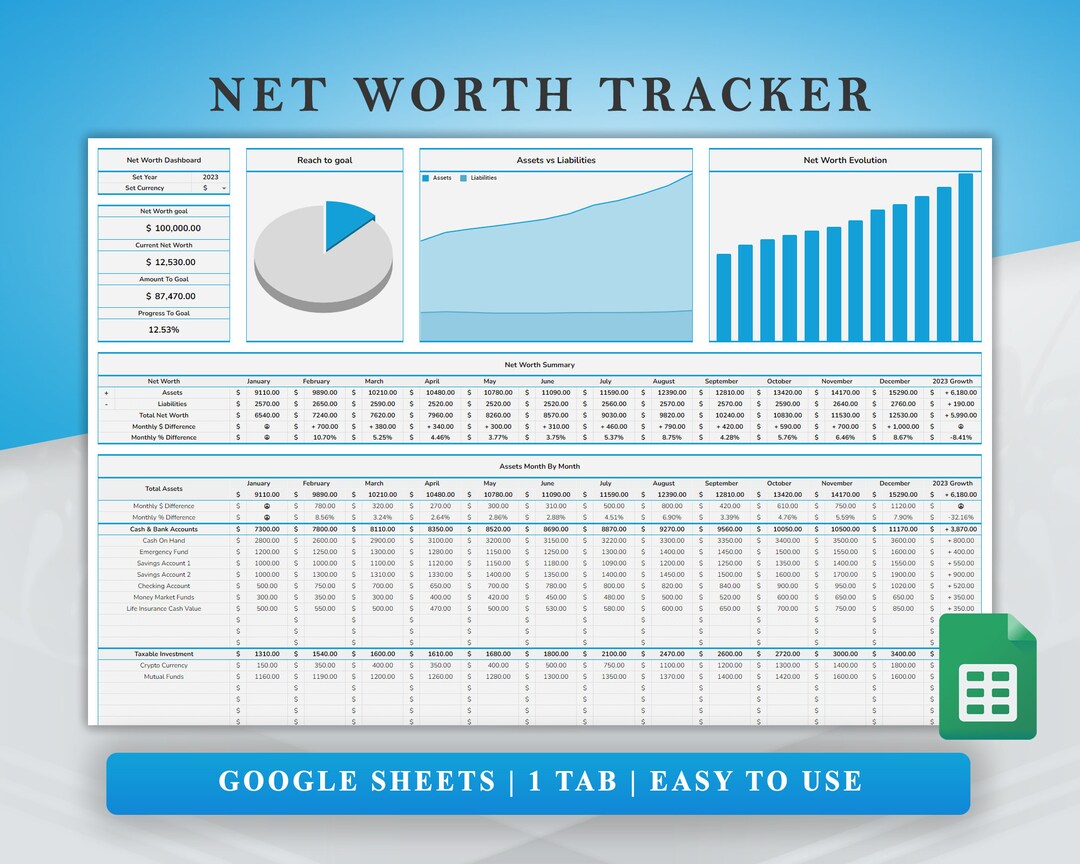
Net worth is a straightforward mathematical calculation: total assets minus total liabilities. Assets include liquid cash, retirement accounts, taxable brokerage portfolios, real estate equity, private business valuations, and valuable personal property. Liabilities encompass mortgages, student loans, consumer debt, and business loans.
When financial analysts speak of the "1 percentile," they refer to households or individuals whose net worth places them above 99 percent of the entire population. However, wealth is not distributed uniformly across age groups. A 30-year-old and a 60-year-old face vastly different time horizons for compounding investments and paying down debts. Consequently, financial economists segment net worth thresholds strictly by age brackets.
Data compiled from sources like the Federal Reserve’s Survey of Consumer Finances (SCF) demonstrates that net worth typically follows an upward trajectory over a lifetime, peaking near retirement age before gradually declining as retirees draw down their accumulated assets. Therefore, being "on track" for the 1 percent means holding an asset base that outpaces the vast majority of peers within your exact demographic cohort.
Net Worth Benchmarks by Age Bracket
Because wealth accumulates over time, the dollar amount required to enter the top 1 percent varies dramatically depending on life stage. Younger demographics face steeper hurdles due to shorter accumulation windows, while older brackets benefit from decades of compound interest, career earnings growth, and real estate appreciation.
Under 35 Years Old
For young adults under 35, the 1 percent threshold is typically lower in absolute dollar terms, yet proportionally difficult to reach through standard employment alone. This bracket is heavily impacted by student loan debt and the early stages of career development.
- Key Wealth Drivers: Entering high-paying fields (such as technology, corporate law, or investment banking), early stock option windfalls, or starting a successful business.
- Common Hurdles: High cost of living, housing down payments, and entry-level salaries.
Ages 35 to 44
Entering middle adulthood, individuals in the top 1 percent experience a significant jump in required net worth. By this stage, career progression accelerates, and early investments begin to experience noticeable compound growth.
- Key Wealth Drivers: Equity vesting, senior management promotions, and initial real estate equity accumulation.
- Common Hurdles: Balancing lifestyle inflation with aggressive saving, funding children's education, and managing growing mortgage liabilities.
Ages 45 to 54
This decade often represents peak earning years. Professionals and business owners have established market value, and assets have had 20 to 25 years to compound.
- Key Wealth Drivers: Peak business profitability, real estate portfolio maturity, and maximized retirement account contributions.
- Common Hurdles: Peak family expenses, healthcare costs, and aging dependents.
Ages 55 to 64
Approaching traditional retirement age, the 1 percent threshold reaches its apex. At this stage, net worth is heavily consolidated in liquid investments, business equity, and primary or secondary real estate.
- Key Wealth Drivers: Decades of compounded equity portfolios, business sales or liquidity events, and fully amortized mortgages.
- Common Hurdles: Sequence of returns risk and shifting investment allocations toward capital preservation.
Ages 65 and Older
In retirement, the absolute net worth required to remain in the top 1 percent remains exceptionally high. While individuals in this bracket may begin drawing down their portfolios, asset appreciation often outpaces withdrawals for the wealthiest households.
1 Percentile vs. Median Net Worth Comparison
To contextualize the 1st percentile, it is vital to contrast it with the median net worth. While the 1 percent represents the financial elite, the median represents the exact midpoint of the population—half hold more, and half hold less.
| Age Group | Median Net Worth (Estimated Baseline) | Top 1 Percent Net Worth Threshold | Ratio / Wealth Gap |
|---|---|---|---|
| Under 35 | ~$13,500 | ~$500,000 – $1,000,000 | 37x to 74x |
| 35 to 44 | ~$90,000 | ~$2,000,000 – $3,000,000 | 22x to 33x |
| 45 to 54 | ~$168,000 | ~$5,000,000 – $6,000,000 | 30x to 35x |
| 55 to 64 | ~$212,000 | ~$8,000,000 – $9,000,000 | 38x to 42x |
| 65+ | ~$266,000 | ~$10,000,000+ | 37x+ |
Note: Thresholds fluctuate based on macroeconomic conditions, stock market performance, and real estate valuations reported in major economic studies, such as the Federal Reserve Survey of Consumer Finances.
Core Strategies to Accelerate Wealth Accumulation
Reaching the upper percentiles of wealth is rarely achieved through a traditional salary and a standard 401(k) match alone. While high savings rates are mandatory, individuals targeting elite net worth brackets typically employ specific financial mechanisms.
1. Maximizing Equity and Business Ownership
The vast majority of ultra-high-net-worth individuals derive their wealth from ownership rather than labor. This includes founding a scalable business, acquiring commercial real estate, or holding significant equity (such as restricted stock units or stock options) in high-growth corporations. Owning a business provides exponential upside that linear wage growth cannot match.
2. Aggressive Savings Rates and Asset Allocation
While the average household saves between 5% and 10% of its income, aspiring 1-percenters often maintain a savings rate of 40% to 70%. Furthermore, their capital is aggressively allocated toward growth-oriented assets, primarily equities, private equity, and real estate, rather than sitting in low-yielding cash equivalents.
3. Leveraging Tax-Advantaged Structures
High earners utilize sophisticated tax planning to minimize their effective tax rates. Maximizing retirement vehicles (like backdoor Roth IRAs, mega-backdoor Roths, and defined-benefit plans), utilizing tax-loss harvesting, and leveraging real estate depreciation shelters (such as cost segregation studies) allow more capital to remain invested and compound over time.
Common Misconceptions About Wealth Percentiles
When evaluating net worth statistics, several common pitfalls can distort your perspective and lead to misguided financial planning.
- Conflating Income with Net Worth: A high annual income does not automatically equate to a high net worth. A professional earning $500,000 annually who spends $490,000 has a lower net worth than a disciplined earner making $150,000 who saves and invests 50% of their income for two decades.
- Ignoring Regional Cost of Living: Net worth requirements are heavily localized. A net worth of $3 million provides vastly different purchasing power and lifestyle security in high-cost metropolitan areas compared to rural regions.
- Overlooking Liabilities: Gross assets mean little if offset by toxic liabilities. True net worth accounts for all obligations, meaning highly leveraged real estate portfolios can be deceptively risky during economic downturns.
Frequently Asked Questions
What is the primary driver of entering the top 1 percent of net worth?
Business ownership, equity compensation in successful corporations, and sustained high savings invested in growth assets are the primary drivers. Labor income alone rarely suffices unless sustained at extreme levels over a long period.
Does primary residential real estate count toward my net worth?
Yes. Net worth is calculated by taking all assets—including the market value of your primary home—and subtracting all liabilities, such as your mortgage balance. However, financial planners often look at "liquid net worth" or "investable net worth" separately when assessing retirement readiness.
How does inflation affect net worth thresholds by age?
Inflation erodes the purchasing power of currency over time, meaning historical dollar thresholds for the top 1 percent adjust upward across consecutive economic surveys. Asset prices, particularly equities and real estate, generally outpace consumer price inflation over the long term.
Is it realistic for the average earner to reach the 1 percent net worth threshold?
For an average wage earner, reaching the top 1 percent through traditional employment and standard saving is statistically rare. However, achieving financial independence and securing a comfortable, upper-middle-class retirement is entirely feasible with disciplined investing and prudent budget management.
Next Steps and Professional Financial Guidance
Assessing your position against the 1st percentile net worth benchmarks should serve as an analytical exercise rather than a strict measure of personal worth. If your goal is aggressive wealth accumulation, begin by auditing your current balance sheet, optimizing your asset allocation to favor growth, and exploring avenues for business or equity ownership. Because individual tax situations, risk tolerances, and family obligations vary widely, consult a certified financial planner (CFP) or wealth manager to design a tailored strategy that aligns with your long-term objectives.