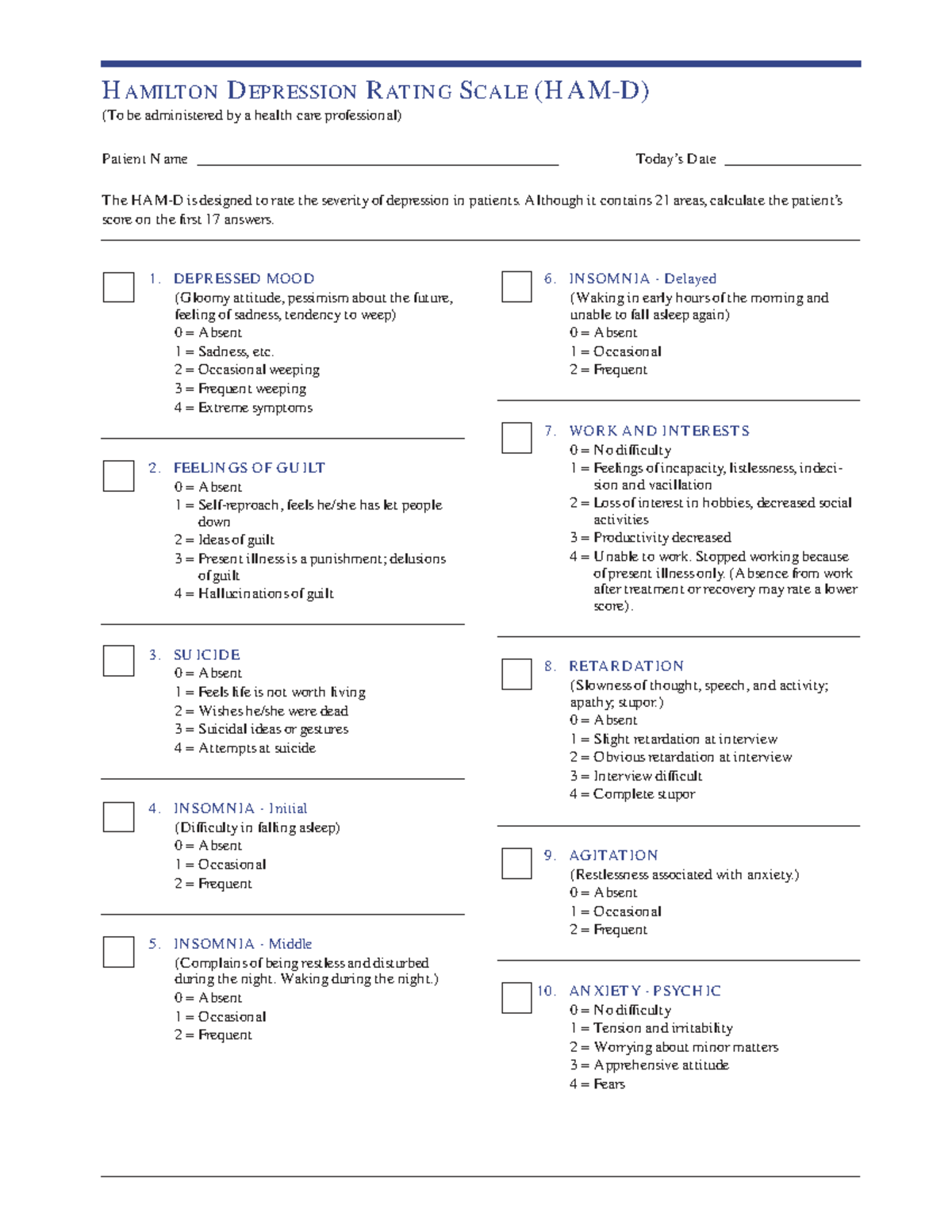
Navigating the Department of Veterans Affairs disability claims process for mental health conditions requires a clear understanding of the 38 Code of Federal Regulations (CFR) 4.130, commonly referred to as the VA mental health rating schedule. For veterans seeking benefits for major depressive disorder, persistent depressive disorder, or adjustment disorders with depressed mood, the VA depression rating chart dictates the percentage of compensation awarded based on the severity of occupational and social impairment. Under the 2026 guidelines, understanding how these percentages are assigned, what evidence is required, and how symptoms map to specific tiers is vital for securing an accurate disability rating.
Understanding the Legal and Regulatory Framework of Mental Health Ratings
The VA evaluates all mental health conditions, including depression, using a single set of diagnostic criteria under 38 CFR § 4.130. Unlike physical injuries that may rely on range-of-motion measurements or functional loss, mental health ratings are determined by evaluating the frequency, severity, and duration of social and occupational impairment.
The system does not rate the diagnosis itself; rather, it rates the impact that the depressive symptoms have on a veteran's ability to function in a work environment and maintain interpersonal relationships. The current rating tiers for mental health conditions are 0 percent, 10 percent, 30 percent, 50 percent, 70 percent, and 100 percent. Each percentage level corresponds to a specific cluster of symptoms and functional limitations outlined in the rating schedule.
The 2026 VA Depression Rating Scale Breakdown
To properly prepare for a Compensation and Pension (C&P) exam or to evaluate an existing rating, veterans must analyze how specific symptoms align with the regulatory criteria. The table below outlines the official statutory criteria utilized by the VA to assign disability percentages for depressive disorders.
| Rating Percentage | Statutory Criteria & Impairment Level | Common Associated Symptoms | Occupational & Social Impact |
|---|---|---|---|
| 100% | Total occupational and social impairment. | Gross impairment in thought processes or communication; persistent delusions or hallucinations; inappropriate bizarre behavior; persistent danger of hurting self or others; intermittent inability to perform activities of daily living (including personal hygiene); disorientation to time or place. | Complete inability to maintain employment or function independently in daily life. |
| 70% | Deficiencies in most areas, such as work, school, family relations, judgment, thinking, or mood. | Suicidal ideation; obsessions ritualistically which interfere with routine activities; sporadic panic attacks; chronic sleep impairment; mild memory loss; difficulty in establishing and maintaining effective work and social relationships. | Significant disruption in work performance; frequent inability to adapt to stressful circumstances. |
| 50% | Reduced reliability and productivity. | Flattened affect; circumstantial, circumlocutory, or stereotyped speech; panic attacks more than once a week; recurring sleep disturbance; impairment of short- and long-term memory; depressed mood; anxiety; suspiciousness. | Reduced capacity for work; occasional failure to maintain social and occupational functioning. |
| 30% | Occupational and social impairment with occasional decrease in work efficiency and intermittent periods of inability to perform occupational tasks. | Symptoms such as: anxious mood, chronic sleep impairment, mild memory loss, occasional depressed mood, panic attacks, or similar symptoms. | Generally functioning well with occasional lapses in productivity or interpersonal friction during high-stress periods. |
| 10% | Occupational and social impairment due to mild or transient symptoms which decrease work efficiency only during periods of significant stress. | Mild symptoms that are controlled continuously by medication, or transient depressive episodes brought on by environmental stressors. | Minimal impact on day-to-day employment; ability to maintain standard work schedules with minor adjustments. |
| 0% | A mental condition has been formally diagnosed, but symptoms are not severe enough to interfere with occupational and social functioning. | Mild, controlled symptoms that do not require continuous medication or professional intervention. | Fully able to maintain employment and positive social relationships without functional loss. |
Step-by-Step Guide to Filing or Increasing a Depression Claim
Successfully establishing a service connection for depression or obtaining an increase on the rating chart requires a structured, evidence-based approach. Veterans must meticulously document how their condition impacts their daily life and employment.
- Verify Service Connection: Ensure your depression is linked to your active-duty service. This can be direct service connection (an event, injury, or trauma during service caused the depression), secondary service connection (depression caused or aggravated by an already service-connected physical condition like chronic back pain or tinnitus), or aggravation of a pre-existing condition.
- Gather Comprehensive Medical Evidence: Collect private treatment records, VA medical center notes, prescription histories, and therapist evaluations. Ensure these documents explicitly detail symptom severity, frequency, and treatment compliance.
- Submit Formal Intent to File: Initiate the formal claims process by submitting VA Form 21-0265 (Intent to File a Claim for Compensation and Pension). This secures your effective date, giving you one year to gather and submit supporting evidence.
- Complete the Application Package: File VA Form 21-526EZ (Application for Disability Compensation and Related Compensation Benefits). Attach all medical evidence, a detailed personal statement (VA Form 21-4138), and buddy letters from family members, coworkers, or peers who witness the daily impact of your depression.
- Prepare for and Attend the C&P Examination: The VA will likely schedule a Compensation and Pension exam with an independent psychologist or psychiatrist. Review the rating criteria beforehand, answer questions honestly regarding your worst days, and articulate how symptoms affect your employment and relationships.
- Review the Rating Decision and Appeal if Necessary: Once the VA issues its rating decision, review the notification letter. If the assigned percentage does not accurately reflect your level of impairment, utilize the Decision Review Request process (Higher-Level Review, Supplemental Claim, or Board Appeal) within one year.
Key Considerations for Supporting Your Claim
When presenting your case to the VA, subjective statements alone are often insufficient to secure higher ratings. Independent medical opinions (IMOs) and Nexus letters can bridge the gap between military service and current depressive symptoms.
Furthermore, veterans who are completely unable to maintain substantial gainful employment due to their service-connected depression should evaluate their eligibility for Total Disability Based on Individual Unemployability (TDIU). Even if a veteran's schedular depression rating is less than 100 percent (for example, 70 percent), TDIU allows the VA to pay compensation at the 100 percent rate if the condition prevents them from securing and following a steady, gainful occupation.
Frequently Asked Questions
What is the most common VA rating for depression?
The most common VA disability ratings assigned for depression typically fall at the 30 percent, 50 percent, or 70 percent levels, depending on the frequency and severity of occupational and social impairment documented in medical records. Ratings at the 100 percent level require evidence of total social and occupational impairment.
Can I receive a VA rating for depression secondary to a physical injury?
Yes, depression can be service-connected on a secondary basis if it is proximately caused or aggravated by an existing service-connected physical condition, such as chronic pain, traumatic brain injury (TBI), or hearing loss. Medical evidence and a strong nexus statement from a physician are essential for secondary claims.
How does the VA evaluate mental health symptoms during a C&P exam?
The C&P examiner evaluates symptoms against the 38 CFR § 4.130 criteria by asking about your employment history, daily routines, social relationships, sleep patterns, and frequency of panic attacks, suicidal ideation, or anxiety. It is critical to describe your worst days rather than masking your symptoms during the evaluation.
Will working affect my VA depression rating?
Unless you are receiving TDIU (Total Disability Based on Individual Unemployability), maintaining employment does not automatically disqualify you from receiving a VA depression rating. The rating is based on symptom severity and functional impairment as measured by the rating chart, though working while holding a 100 percent schedular mental health rating may prompt a VA review if substantial recovery is noted.
What should I do if my VA depression rating is too low?
If your condition has worsened or the initial rating failed to capture your true level of impairment, you can file a Supplemental Claim with new and relevant medical evidence, request a Higher-Level Review, or submit a formal appeal through the VA decision review system.
Securing Your Benefits With Professional Guidance
Navigating the nuances of the VA disability system requires precision, thorough documentation, and strict adherence to procedural timelines. Ensuring that your medical records accurately reflect the daily operational and social limitations caused by your condition is the most effective way to secure a fair evaluation on the depression rating chart. To explore your options, gather your comprehensive medical history, consult with accredited Veterans Service Organizations (VSOs) or qualified legal representatives, and take proactive steps to claim the full benefits you earned through your service.