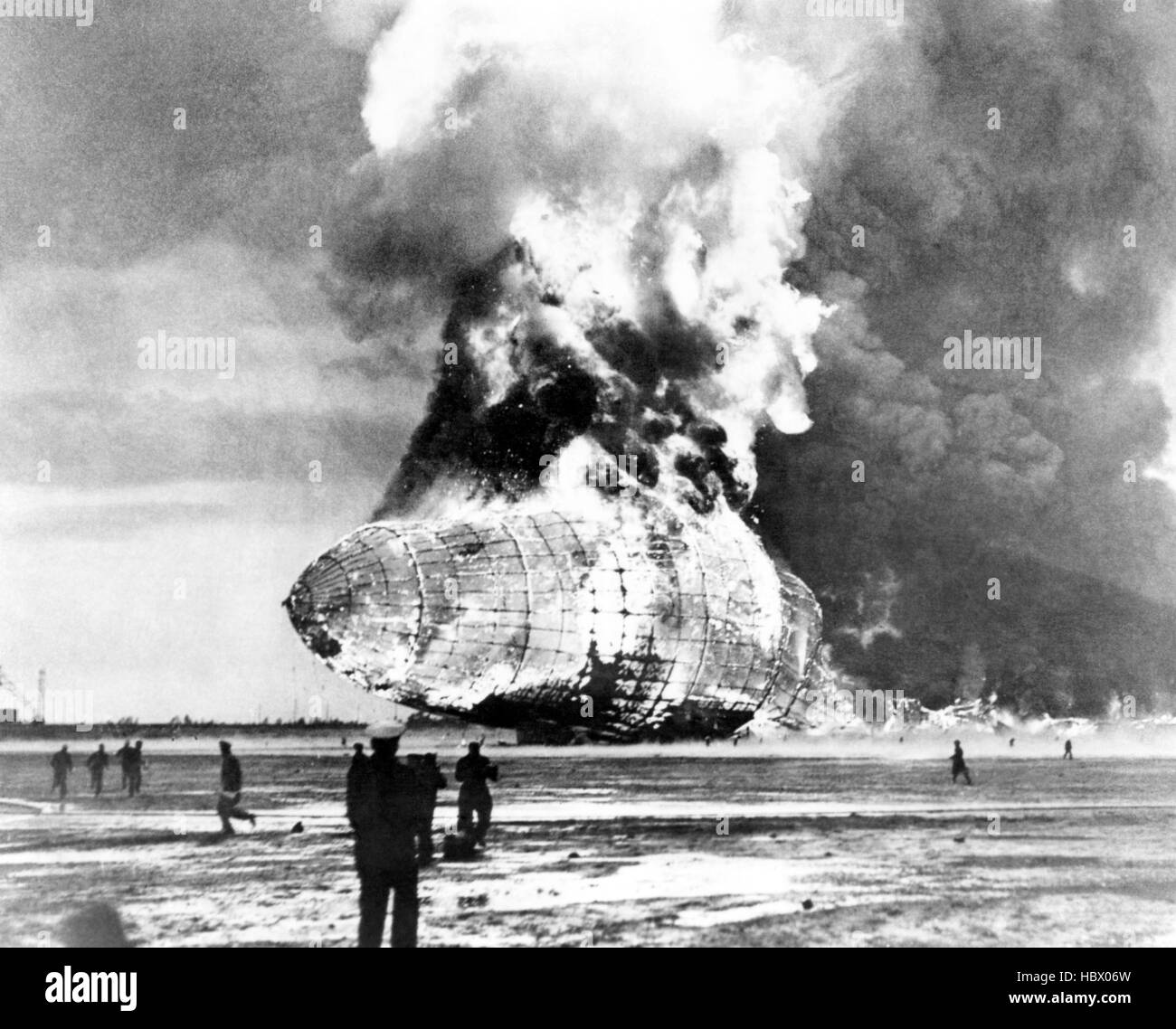
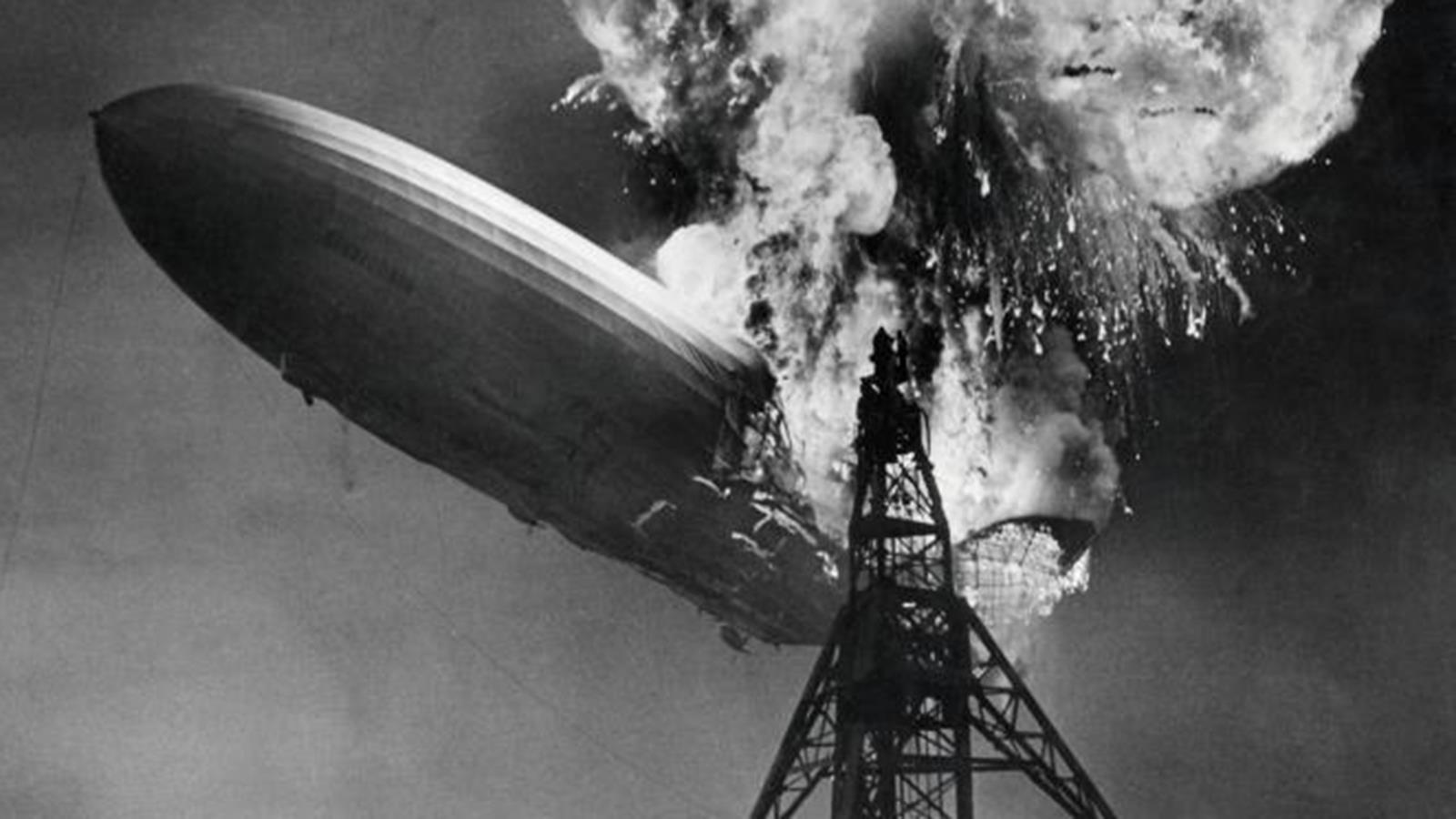
Of the 97 people on board the LZ 129 Hindenburg during its final flight on May 6, 1937, 62 survived the inferno at Lakehurst, New Jersey. These survivors included 39 crew members and 23 passengers who escaped the rapidly descending fireball by jumping from windows or waiting until the airship’s skeleton reached the ground.
The Hindenburg disaster remains one of the most iconic tragedies in aviation history, not because of the number of fatalities—which were fewer than many contemporary maritime or rail accidents—but because of the shocking speed of the destruction and the fact that it was captured on film and radio. As we reflect from the perspective of 2026, nearly nine decades after the event, the accounts of those who survived provide a harrowing look at human resilience and the sudden end of the era of the great passenger airships.
The Statistics of Survival: By the Numbers
Understanding the Hindenburg disaster requires a look at the survival rates, which are often higher than the public realizes. Most people assume that a hydrogen fire of that magnitude would leave no survivors. However, the nature of the ship's descent and the properties of hydrogen meant that many individuals had a narrow window of opportunity to escape.
On board were 36 passengers and 61 crew members. The death toll on the ship itself was 35 (13 passengers and 22 crew), plus one member of the ground crew who was killed when the ship collapsed.
| Category | Total on Board | Fatalities | Survivors | Survival Rate |
|---|---|---|---|---|
| Passengers | 36 | 13 | 23 | 63.9% |
| Crew | 61 | 22 | 39 | 63.9% |
| Ground Crew | N/A | 1 | N/A | N/A |
| Total | 97 | 36 | 62 | 63.9% |
The statistical parity between passenger and crew survival is notable. In many disasters of the era, crew survival rates often differed significantly from passenger rates due to duty stations or evacuation protocols. On the Hindenburg, the "equitable" survival rate was largely due to the ship’s structural failure mode: the stern burned and dropped first, causing the bow to tilt upward before the entire mass settled relatively slowly toward the airfield.
Gripping Personal Accounts: How They Escaped
The survival stories of the Hindenburg are diverse, ranging from miraculous strokes of luck to calculated leaps of faith. These accounts have been preserved through decades of interviews, court testimonies, and personal memoirs.
Werner Doehner: The Last Living Connection
Werner Doehner was only eight years old when he boarded the Hindenburg with his parents and siblings. His story became the most cited in later years because he was the last remaining survivor of the disaster, passing away in late 2019. Doehner recalled the moment the fire started; his mother, Matilde, realized the danger immediately. She threw Werner and his brother out of a window as the ship neared the ground. She then jumped herself, but Werner’s father and sister were unable to escape and perished in the flames. Werner survived with severe burns to his face and hands, requiring multiple surgeries over the years.
Werner Franz: The Cabin Boy’s Miracle
Fourteen-year-old cabin boy Werner Franz was in the mess hall when the ship caught fire. His survival is often attributed to a literal "shower of luck." As the ship tilted, a large water ballast tank directly above him ruptured. The drenching water not only soaked his clothes, providing a brief layer of thermal protection, but it also helped clear a path through the flames. Franz jumped from a hatch and ran against the wind to avoid the oncoming fire. He was one of the few crew members to escape without any significant physical injuries. He lived until 2014, frequently sharing his story with historians.
Joseph Spah: The Acrobat’s Precision
Joseph Spah was a professional vaudeville acrobat traveling with his dog, Ulla (who unfortunately did not survive). When the fire broke out, Spah utilized his physical training. He smashed a window and climbed out, hanging from the ledge as the ship descended. He timed his drop perfectly, landing on the sandy ground of the Lakehurst airfield just before the flaming wreckage collapsed on the spot where he had been hanging. His story highlighted how physical agility played a role in the chaotic seconds of the evacuation.
Captain Max Pruss: Staying with the Ship
Captain Max Pruss was the commander of the Hindenburg. Unlike the passengers who could focus solely on escape, Pruss remained in the control car until it hit the ground. He was severely burned while trying to help others escape the wreckage. Despite his injuries and the subsequent investigation that questioned the safety of hydrogen-filled dirigibles, Pruss remained a lifelong advocate for airships, arguing until his death in 1960 that the disaster was caused by sabotage rather than inherent design flaws.
The Mechanics of the Escape: Why 62 People Lived
To understand how so many survived a hydrogen inferno, one must look at the physics of the Hindenburg’s final moments. The ship did not explode in the sense of a sudden, pressurized blast. Instead, it suffered a massive, rapid fire.
- Hydrogen Buoyancy: Hydrogen is significantly lighter than air. When the gas cells ruptured, the flames rose upward and away from the passenger cabins for the first several seconds. This "chimney effect" gave those in the lower sections of the ship a few precious moments to react before the entire structure was engulfed.
- The Slow Descent: Because the ship was still partially buoyant as it burned, it did not fall like a stone. It settled. The stern hit the ground first, which actually served to cushion the impact for those in the middle and forward sections.
- The Windows: The Hindenburg was designed for luxury sightseeing. It featured large, slanted windows in the promenade decks. When the disaster began, many passengers were already standing near these windows to watch the landing. This proximity made it possible for many to simply step or jump out once the ship was close enough to the ground.
- The Surface Material: The outer "skin" of the Hindenburg was made of cotton fabric treated with a variety of "dope" compounds (including cellulose acetate butyrate and aluminum powder). This material burned incredibly fast, often disappearing before the interior furniture or the heavy diesel fuel for the engines could fully ignite, allowing survivors to run through the skeletal remains of the ship.
The Immediate Aftermath and Medical Response
In 1937, the medical response to a disaster of this scale was unprecedented for the Lakehurst area. Local hospitals in Lakewood, Point Pleasant, and Trenton were flooded with survivors suffering from third-degree burns and smoke inhalation.
The military presence at the Lakehurst Naval Air Station was crucial. Navy personnel on the ground acted as first responders, rushing toward the flaming wreckage while the fire was still active to pull survivors away from the heat. This bravery undoubtedly increased the survival count. Many survivors credited the ground crew’s "human chains" for pulling them to safety as they stumbled out of the smoke.
However, the psychological toll was also significant. The term "Post-Traumatic Stress Disorder" (PTSD) did not exist in the 1930s, but historical records show that many survivors suffered from "shell shock" and long-term anxiety. Some never flew again, while others, like Captain Pruss, became obsessed with vindicating the reputation of the airship.
The Legacy of the Hindenburg in 2026
By 2026, the Hindenburg disaster has transitioned from a living memory to a purely historical one. With the passing of Werner Doehner in 2019, there are no longer any living witnesses who can provide a first-hand account of the flight. This shift has placed a greater emphasis on the preservation of archives, digital recreations, and the legacy of aviation safety.
The End of the Airship Era
The most immediate legacy was the death of the commercial airship industry. While companies like Goodyear continued to use blimps for advertising, the "Sky Giants" designed for trans-Atlantic travel vanished. The public’s trust was shattered, and the rapid development of fixed-wing aircraft (like the Douglas DC-3) soon provided a faster, albeit less luxurious, alternative.
Evolution of Safety Protocols
The disaster forced a global shift in aviation fuel and lift gas. The United States had already restricted the export of helium (which is non-flammable), forcing the German Zeppelin Company to rely on hydrogen. Following the crash, the use of hydrogen for passenger transport was effectively banned. Modern aviation safety standards regarding fire-retardant materials and emergency exit accessibility can trace their philosophical roots back to the lessons learned at Lakehurst.
Cultural Impact and Media
The Hindenburg was the first "global" disaster of the modern media age. Herb Morrison’s recorded radio dispatch, featuring the famous "Oh, the humanity!" cry, created a template for emotional, on-the-scene reporting. In 2026, this recording is still studied in journalism schools as a pivotal moment in the history of broadcast media.
Where to Study the Hindenburg Today
For those looking to verify facts or see the remains of this history, several institutions maintain significant collections:
- The Navy Lakehurst Historical Society (NLHS): Located at the site of the crash in New Jersey, they offer tours of Hangar No. 1 and maintain a memorial at the crash site.
- The Smithsonian National Air and Space Museum: They hold various artifacts, including pieces of the aluminum framework and passenger items recovered from the site.
- The Zeppelin Museum (Friedrichshafen, Germany): This museum offers the most comprehensive technical look at the LZ 129, including a full-scale reconstruction of a section of the ship's interior.
Frequently Asked Questions
How many people survived the Hindenburg?
A total of 62 people survived out of the 97 on board. This included 23 passengers and 39 crew members. One ground crew member also died, bringing the total death toll to 36.
Who was the last living survivor of the Hindenburg?
Werner Doehner was the last living survivor. He was 8 years old at the time of the crash and passed away on November 8, 2019, at the age of 90.
Did any animals survive the Hindenburg?
Records indicate that there were animals on board, most notably a pet dog (a German Shepherd) belonging to Joseph Spah. Unfortunately, the dog did not survive the disaster. There are also reports of various birds on board that perished.
Why did the Hindenburg catch fire?
While theories about sabotage or a lightning strike have been debated for decades, the scientific consensus is that static electricity ignited leaking hydrogen. The leak was likely caused by a snapped bracing wire that punctured a gas cell during a sharp turn before landing.
Could the Hindenburg have survived if it used helium?
Yes. Helium is an inert, non-flammable gas. If the LZ 129 had been filled with helium as originally intended, the initial spark would not have resulted in a fire. The ship might have still suffered a structural failure or a rough landing due to the gas leak, but the catastrophic inferno would have been impossible.
Practical Recommendation for Historians and Researchers
If you are researching the survivors of the Hindenburg or the technical legacy of the airship in 2026, start by accessing the National Archives and Records Administration (NARA). They hold the original transcripts of the Commerce Department's investigation. For a more human perspective, the Navy Lakehurst Historical Society provides the best context for the local impact of the event. When analyzing survivor accounts, always cross-reference contemporary 1937 testimonies with later interviews, as memories of the chaotic 32-second event often shifted over the decades.