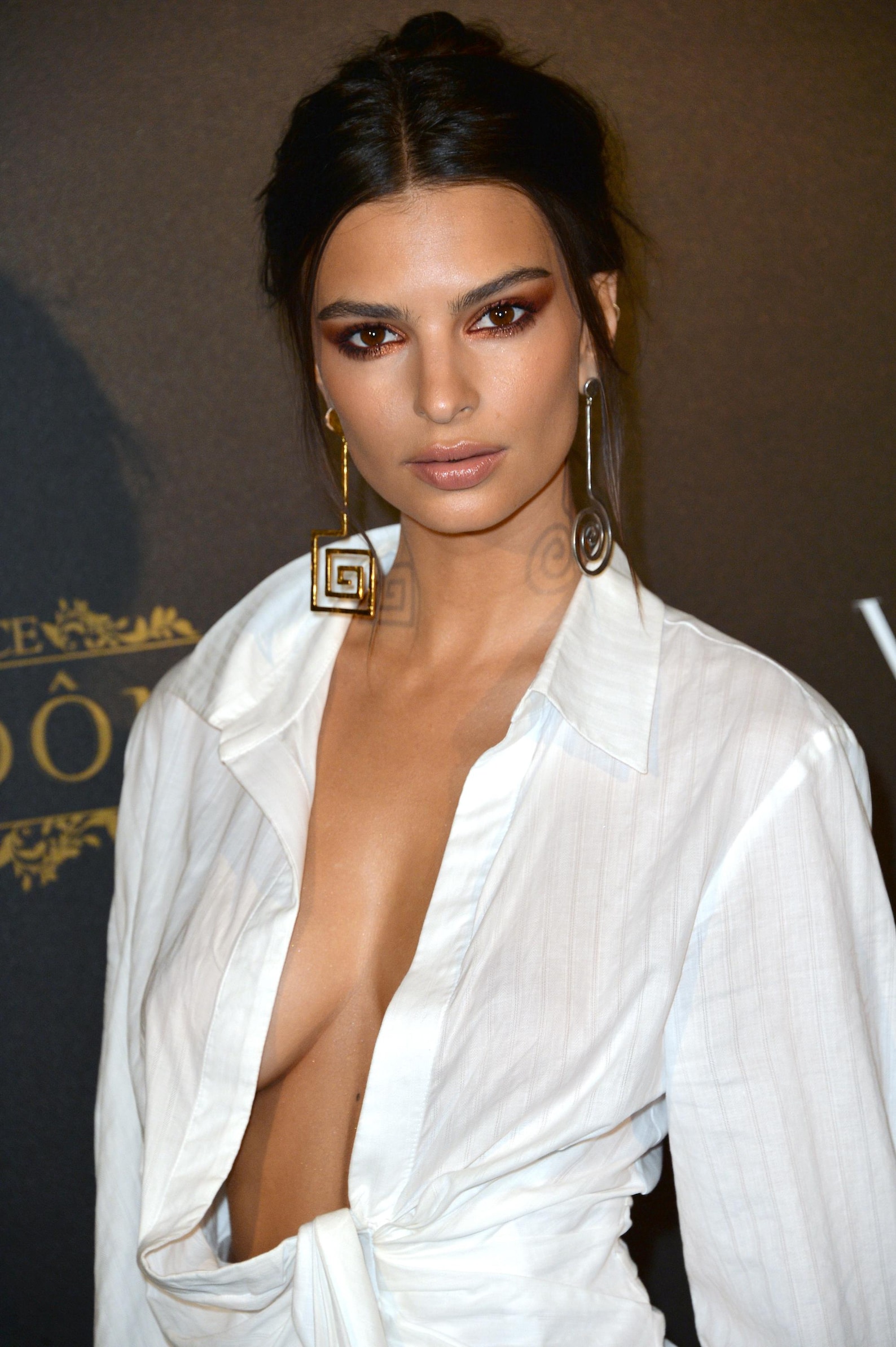
Celebrity modeling refers to the strategic use of high-profile individuals from entertainment, sports, and social media to serve as the face of fashion and beauty brands. Unlike professional modeling, which relies on technical posing and specific physical archetypes, celebrity modeling leverages established public personas, massive digital followings, and cultural influence to drive brand equity and consumer sales.
Understanding the Scope of Celebrity Modeling in 2026
By 2026, the distinction between a "professional model" and a "celebrity" has almost entirely evaporated. Historically, the modeling industry was populated by individuals whose primary career was the presentation of clothing and products. Today, celebrity modeling dominates the landscape, where the primary qualification is not just the ability to walk a runway, but the possession of a "marketable identity."
The essence of this practice lies in the transfer of equity. When a luxury brand signs an Academy Award-winning actress or a world-class athlete, they are not just buying a face for a photograph; they are renting the celebrity’s reputation, values, and loyal audience. This shift has redefined the "working model" into a "brand ambassador," a role that requires a blend of performance, social media management, and public relations.
The Core Difference: Recognition vs. Representation
Professional models are often viewed as "blank canvases" intended to highlight the designer’s vision without distracting the viewer. In contrast, celebrity models are chosen precisely because they cannot be ignored. Their personal history, recent projects, and even their controversies become part of the brand’s narrative. In the current market, a celebrity’s "engagement rate" on social platforms is frequently as important to a casting director as their height or facial symmetry.
The Historical Shift: From Supermodels to Star Power
To understand where celebrity modeling stands in 2026, one must look at the trajectory of the industry over the last few decades. The 1990s were the era of the "Supermodel," where figures like Naomi Campbell and Cindy Crawford achieved celebrity status through modeling. However, the early 2000s saw a massive pivot as Hollywood actors began appearing on the covers of major fashion magazines, effectively displacing professional models.
The Rise of the "Insta-Model" and Beyond
The 2010s introduced the "social media celebrity," where platforms like Instagram and TikTok birthed a new generation of models who were famous before they ever stepped onto a professional set. By 2026, this has evolved further into the "Multi-Hyphenate Era." Brands no longer look for just a singer or just an actor; they look for a "cultural disruptor." This has led to the rise of "nepo-babies"—the children of established stars—who enter the modeling world with pre-packaged celebrity status, further cementing the dominance of fame over traditional scouting.
How Celebrity Modeling Functions: Mechanics and Logistics
The process of securing and executing a celebrity modeling campaign is significantly more complex than a standard editorial shoot. It involves a multi-layered negotiation process involving talent agents, managers, publicists, and legal teams.
The Role of Talent Agencies
In 2026, the most powerful players in celebrity modeling are often not traditional modeling agencies like Elite or IMG, but talent powerhouses such as Creative Artists Agency (CAA) or United Talent Agency (UTA). These organizations manage the "total career" of the individual. When a brand wants a celebrity for a campaign, the agency negotiates a "360-degree deal" that might include:
- Runway Appearances: A singular "walk" during a major Fashion Week (Paris, Milan, NYC).
- Print and Digital Media: High-production stills for billboards and magazine spreads.
- Social Media Deliverables: A set number of posts, stories, and "behind-the-scenes" reels.
- Event Attendance: Requirement to wear the brand at the Oscars, Met Gala, or film premieres.
Contractual Covenants and Moral Clauses
Celebrity modeling contracts are notorious for their "moral clauses." Because the brand is so closely tied to the celebrity’s image, any personal scandal can lead to immediate contract termination. Conversely, brands often pay a premium for "exclusivity," meaning the celebrity cannot be seen wearing or promoting a competitor’s products for the duration of the contract—and sometimes for a "cooling off" period afterward.
The Economics of Celebrity Branding
The financial investment required for celebrity modeling is astronomical compared to using professional models. While a high-end professional model might earn five figures for a major campaign, a top-tier celebrity can command seven or eight figures.
| Feature | Professional Model | Celebrity Model |
|---|---|---|
| Primary Value | Physical versatility and technical skill | Cultural relevance and built-in audience |
| Audience Reach | Industry-specific (B2B/Niche) | Mass market (Global/Consumer) |
| Cost | Mid to high (per day/campaign) | Extremely high (multi-year retainers) |
| Training | Years of runway and posing practice | Varies; often relies on innate charisma |
| Risk Factor | Low (interchangeable) | High (scandal can damage the brand) |
| Contract Duration | Usually per job or season | Long-term ambassador roles (1-3 years) |
Return on Investment (ROI) Metrics
In 2026, brands measure the success of a celebrity campaign through Earned Media Value (EMV). This metric calculates the value of the social media buzz, press mentions, and organic sharing generated by the celebrity’s involvement. A single photo of a K-pop star at a Chanel show can generate more EMV in 24 hours than a year-long traditional advertising campaign. This "viral potential" is the primary driver behind the continued growth of celebrity modeling.
Types of Celebrity Modeling Engagements
1. The High-Fashion Runway "Cameo"
Designers often use a celebrity to close their show (the "bride" or the "final look") to ensure the collection receives maximum press coverage. This is less about the celebrity's ability to walk and more about the "shock and awe" factor for the front-row editors and influencers.
2. Fragrance and Beauty Ambassadorships
This is the most lucrative sector of celebrity modeling. Fragrance contracts are often the longest-running deals, as the "scent" becomes synonymous with the star’s persona. Think of the enduring legacy of Dior’s partnership with Charlize Theron or the 2020s-era dominance of stars like Timothée Chalamet for Bleu de Chanel.
3. The "Creative Director" Hybrid
A newer trend in 2026 is the celebrity not just modeling the clothes, but being given a title like "Guest Creative Director." This provides a veneer of authenticity, suggesting the celebrity had a hand in the design, which resonates more deeply with Gen Z and Gen Alpha consumers who value "genuine" brand connections.
The Ethical and Industrial Critique
The rise of celebrity modeling is not without significant controversy. The primary criticism is the displacement of professional models. As more brands allocate their budgets toward one or two "mega-stars," the middle class of the modeling industry has seen a decline in opportunities and wages.
Nepotism and the "Level Playing Field"
The industry has faced a backlash regarding "nepotism models"—individuals whose entry into the highest levels of fashion was facilitated by their famous parents. Critics argue that this stifles diversity and prevents talented individuals from lower socioeconomic backgrounds from breaking into the industry, as they lack the "pre-made" celebrity status brands now crave.
The "Aspirational" vs. "Attainable" Conflict
There is also a growing psychological debate. Professional models are often viewed as "genetic outliers," but celebrities are seen as "lifestyle goals." When celebrities model, they are selling a dream that includes their talent, wealth, and fame. This can create more intense pressure on consumers to achieve an impossible standard of living, rather than just admiring a piece of clothing.
The Role of AI and Digital Twins in 2026
As of 2026, celebrity modeling has entered the "digital age" through the use of AI. Many celebrities now license their "Digital Twins"—hyper-realistic 3D avatars—to brands. This allows the celebrity to "model" for a campaign in Tokyo while they are physically filming a movie in London.
This technology has solved many of the logistical hurdles of celebrity modeling, such as scheduling conflicts and travel costs. However, it introduces new legal challenges regarding "deepfake" technology and the ownership of a person's digital likeness. The SAG-AFTRA and other global guilds have established strict guidelines in 2025 and 2026 to ensure celebrities are fairly compensated for these digital appearances.
FAQ: Celebrity Modeling
Can anyone become a celebrity model?
Technically, no. One must first achieve "celebrity" status in another field—such as acting, music, professional gaming, or significant social media influence. Unlike professional modeling, which you can enter through an open call, celebrity modeling is an extension of an existing public career.
Do celebrity models get paid more than professional models?
In almost all cases, yes. While a top-tier professional model might earn a high salary, a celebrity model’s pay includes a "fame premium." They are being paid for their audience and the PR value they bring, which far exceeds the standard day rate for a professional model.
How do brands choose which celebrity to work with?
Brands use sophisticated data analytics to match a celebrity’s audience demographics with their target market. They look at "brand affinity," "sentiment analysis" (how much people like the star), and the celebrity’s history with fashion. A celebrity who is already known for their personal style is a much more attractive candidate.
Is the "Supermodel" dead?
Not entirely, but the definition has changed. The modern supermodel is essentially a celebrity who happened to start in modeling. Figures like Kendall Jenner or Bella Hadid are hybrids; they possess the technical skills of a model but the media infrastructure and fame of a Hollywood star.
How has AI changed celebrity modeling in 2026?
AI allows for "virtual campaigns" where the celebrity’s image is licensed rather than the celebrity being physically present. It also allows for "de-aging" or "re-styling" a celebrity’s image to fit a brand's aesthetic without hours of hair and makeup, though this has led to debates about authenticity.
Practical Recommendations for Aspiring Talent and Brands
For the Public Figure looking to enter modeling:
- Curate a Distinct Aesthetic: Brands look for a "vibe" that matches their own. Your social media should reflect a clear fashion perspective.
- Partner with a Specialized Agency: Ensure your management team has a dedicated "Commercial" or "Brand Partnership" department.
- Prioritize Brand Alignment: Taking a high-paying job with a brand that doesn't fit your image can damage your long-term "luxury" appeal.
For the Brand looking to hire a celebrity:
- Audit for Authenticity: Consumers are quick to spot a "cash grab." Choose a celebrity who actually likes or uses your product.
- Diversify Your Strategy: Don't put your entire budget into one celebrity. Use a mix of "Macro-Celebrities" for reach and "Micro-Influencers" for deep community engagement.
- Prepare for Crisis Management: Always have a contingency plan in case your celebrity face becomes involved in a public controversy.
The landscape of celebrity modeling in 2026 is a reflection of a culture that prizes influence and identity above all else. As technology continues to evolve, the way we define "fame" and "modeling" will likely continue to merge, creating a more integrated, albeit more complex, global fashion economy.