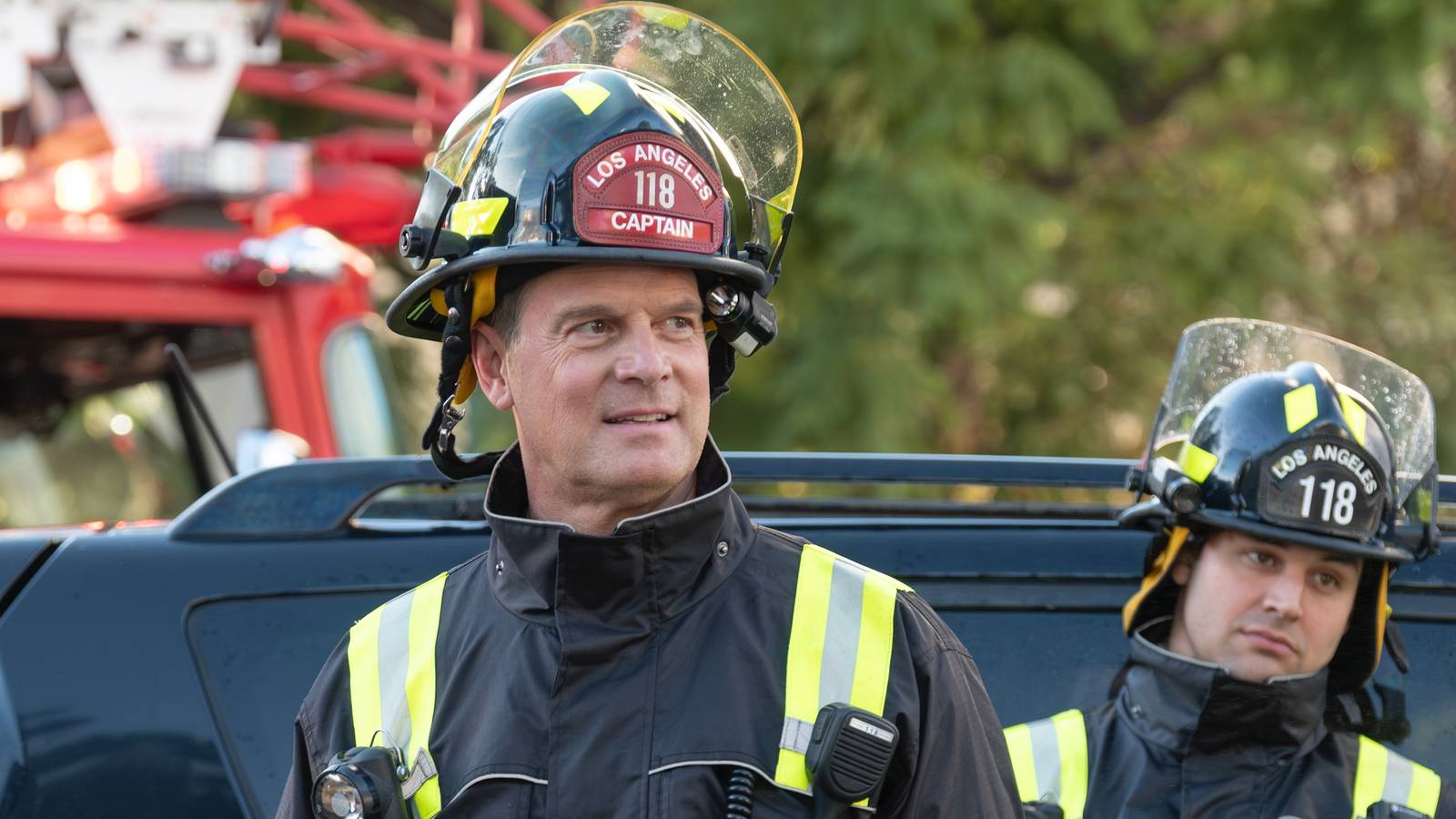
Captain 911 is the central educational character and ambassador for the "911 for Kids" international emergency safety program. This specialized curriculum provides children, parents, and educators with standardized training on how to properly use emergency services, identify life-threatening situations, and communicate effectively with emergency dispatchers to save lives.
The Origins and Mission of Captain 911
The figure of Captain 911 emerged from the need for a relatable, non-intimidating authority figure who could bridge the gap between high-stress emergency services and early childhood education. As the primary mascot for the 911 for Kids organization—the only program of its kind officially endorsed by the Association of Public-Safety Communications Officials (APCO) and the National Emergency Number Association (NENA)—Captain 911 serves as a catalyst for community-based safety awareness.
Established in the early 1990s, the program was a response to alarming statistics showing that a significant percentage of 911 calls were either accidental or placed by children who did not understand the gravity of the system. The mission of Captain 911 is twofold: to demystify the emergency response process for children and to reduce the number of non-emergency calls that clog the system. In 2026, the program continues to evolve, integrating modern communication technologies like text-to-911 and GPS-based location services into its core teachings.
By utilizing a character like Captain 911, the organization leverages the "edutainment" model. This approach recognizes that children are more likely to retain life-saving information when it is delivered through storytelling, visual aids, and interactive engagement rather than through abstract warnings.
Core Curriculum and Educational Objectives
The Captain 911 curriculum is structured to be age-appropriate, typically targeting children between the ages of 4 and 12. The program breaks down the complex world of emergency dispatch into manageable, actionable steps. In 2026, the educational objectives have expanded to include a wider range of communication methods beyond traditional landlines.
Identifying a True Emergency
One of the most critical aspects of the Captain 911 training is teaching children the difference between an "emergency" and a "problem." An emergency is defined as a situation where someone is badly hurt, a fire is starting, or a crime is occurring. Educators use the "Red Light/Green Light" methodology:
- Red Light (Call 911): Choking, unconsciousness, visible flames, or a stranger trying to enter the house.
- Green Light (Don't Call 911): A lost toy, a scraped knee that isn't bleeding heavily, or a pet that has run away.
The Anatomy of a 911 Call
The program teaches children exactly what to expect when they dial those three digits. This reduces the "fear of the unknown" that often causes children to hang up prematurely. Captain 911 emphasizes the following sequence:
- State the Location: In an era of mobile phones, teaching children their home address and how to describe their surroundings is paramount.
- Describe the Emergency: Providing clear details about what is happening (e.g., "My mommy fell and won't wake up").
- Stay on the Line: Dispatchers are trained to keep the caller on the phone until help arrives. Captain 911 teaches children that the dispatcher is their "friend on the phone" who will help them stay calm.
Modern Technology Integration
By 2026, the curriculum has been updated to reflect the dominance of mobile devices. Children are taught how to access the "Emergency" button on a locked smartphone screen and are introduced to the concept of Text-to-911. While calling is always preferred for the sake of speed and clarity, Captain 911 materials now include guidance on when texting might be necessary, such as in situations where silence is required for safety.
The Role of the Mascot in Childhood Development
Psychologically, children in crisis situations often experience "cognitive freezing." The presence of Captain 911 in educational materials acts as a mental anchor. Because the character is associated with safety and help rather than the frightening aspects of an injury or fire, children can more easily recall their training when the character’s image is mentally or physically present.
The mascot is often accompanied by "Reddy the 911 Hound," a supporting character used to teach younger toddlers. Together, these figures create a narrative world where emergency services are viewed as a community resource. This helps prevent the "scary policeman" or "scary siren" tropes that can sometimes hinder a child's willingness to cooperate with first responders.
Furthermore, Captain 911 assists in teaching the "Rules of the Phone." This includes the dangers of prank calling—a significant issue for public safety agencies. By framing 911 as a "tool for heroes," children are encouraged to respect the system rather than play with it.
Implementation Strategies for Schools and Agencies
For public safety agencies and schools looking to adopt the Captain 911 program, implementation involves more than just handing out brochures. It requires a coordinated effort between local fire, police, and EMS departments.
Classroom Presentations
The most effective delivery method remains the in-person or live-streamed presentation. Many agencies use high-quality Captain 911 costumes or digital avatars to engage students. These sessions typically last 30 to 45 minutes and include:
- A "mock call" demonstration using a disconnected or trainer phone.
- Distribution of "Emergency Contact" magnets or stickers.
- Interactive Q&A sessions where children can practice reciting their addresses.
Community Outreach Events
Captain 911 is a staple at "National Night Out" events and fire station open houses. These venues allow parents to engage with the material alongside their children. It is vital for parents to realize that they are the primary reinforcers of this education. The 911 for Kids program provides "Parent Packs" that guide adults on how to test their children's knowledge without causing unnecessary anxiety.
Digital and Multimedia Resources
In 2026, the program utilizes augmented reality (AR) apps where children can "walk through" an emergency scenario with Captain 911. These tools allow for a safe, simulated environment where mistakes don't have real-world consequences, but the lessons learned are deeply ingrained through experiential learning.
Key Resources and Training Materials in 2026
The suite of materials available under the Captain 911 branding has expanded significantly to meet diverse learning needs. Below is a breakdown of the standard resources utilized by modern educators.
| Resource Type | Description | Primary Use Case |
|---|---|---|
| The 911 Activity Book | A multi-page workbook featuring puzzles and coloring pages centered on safety. | Early elementary classroom settings. |
| Dispatcher-Link Simulator | A hardware or software tool that allows kids to talk to a "virtual dispatcher." | Interactive museum exhibits and safety fairs. |
| "When to Call" Flashcards | Visual scenarios (fire, injury, theft) for rapid identification training. | Small group or home-schooling environments. |
| Captain 911 Digital Badge | A certificate or digital token earned after completing the safety course. | Motivation and recognition for students. |
| Mobile Safety App | A 2026-updated app that helps children memorize their GPS coordinates and address. | Personal use on family devices. |
Evaluating Program Effectiveness
The success of the Captain 911 program is measured not just in materials distributed, but in lives saved and system efficiency. Data from municipal dispatch centers consistently shows that regions with active 911 for Kids chapters experience:
- Lower Rates of Abandoned Calls: Children who understand the system are less likely to hang up if they dial accidentally, which saves dispatchers from having to perform time-consuming callbacks.
- Higher Accuracy in Location Reporting: Program graduates are significantly more likely to know their street name and house number compared to untrained peers.
- Reduced Prank Call Volume: Education on the consequences of "playing with 911" leads to a measurable decrease in intentional false reports from school-aged children.
Beyond statistics, the "Hero Awards" program, often facilitated by Captain 911, highlights real-world stories where children as young as four have successfully summoned help during medical emergencies or house fires. These stories serve as powerful testimonials to the efficacy of early intervention education.
Troubleshooting Common Challenges in Safety Education
Even with a proven character like Captain 911, educators and parents may face specific hurdles. Addressing these proactively is essential for a successful safety program.
Overcoming the "Fear of Trouble"
Many children hesitate to call 911 because they fear "getting in trouble" for something related to the emergency (e.g., if a fire started while they were playing with something they shouldn't have). Captain 911 training emphasizes that the priority is always safety, and "heroes always tell the truth to the dispatcher."
Managing Anxiety and Panic
Some children may become overly anxious when discussing emergencies. It is important to emphasize that emergencies are rare, but being prepared is what makes them less scary. Educators are encouraged to use the "Stop, Breathe, Think" method promoted in 2026 Captain 911 modules to help children manage their physiological response to stress.
Technical Limitations of VoIP and Mobile
A common point of confusion is the technical limitation of certain phones. Children should be taught that while most phones work, some "toy" phones or disconnected cell phones (which are often given to kids to play with) may not always reach a dispatcher or provide location data. In 2026, the advice is clear: always use a "real" phone that belongs to an adult if possible.
Frequently Asked Questions
What is the ideal age to start Captain 911 training?
Most safety experts and the 911 for Kids organization recommend starting basic training as soon as a child can recognize numbers and hold a basic conversation, typically around age 4. However, the "Captain 911" curriculum has specific tiers designed to remain relevant through age 12, with more complex scenarios introduced as the child matures.
Does Captain 911 teach kids how to use smartwatches for emergencies?
Yes. The 2026 update to the program specifically includes instructions for wearable technology. Children are taught how to activate the "SOS" or emergency features on common smartwatches, which often require a different physical action (like holding a side button) than a traditional phone.
Can parents purchase Captain 911 materials directly?
While the program is primarily distributed through schools and public safety agencies (fire/police departments), many resources are available to the public through the official 911 for Kids website. Parents can download digital coloring sheets and "Home Safety Checklists" to use with their children.
How does Captain 911 handle the topic of "Text-to-911"?
The program teaches "Call if you can, text if you can't." Children are taught that texting 911 is a secondary option to be used only if they are in a situation where they cannot speak safely or if they have a hearing or speech disability. They are also warned that photos and videos cannot always be received by every dispatch center.
Is the program available in languages other than English?
To ensure all communities are served, Captain 911 materials are widely available in Spanish, and many local chapters have translated the core curriculum into other common regional languages. The 911 for Kids organization prioritizes accessibility to ensure that language barriers do not prevent a child from calling for help.
Recommendation for Next Actions
To effectively implement or utilize the Captain 911 program in 2026, start by contacting your local public safety agency—whether it is the Sheriff's office, Police department, or Fire department—to see if they have an active 911 for Kids chapter. If they do, request a classroom visit or a set of home educational materials.
For parents, the most immediate and effective action is to create a "911 Practice Station" at home. Use an old, disconnected phone to role-play scenarios with your child, ensuring they can recite their full name, address, and a brief description of an emergency. Consistent, low-stress practice is the key to ensuring that if the time ever comes, your child can act with the confidence of Captain 911.