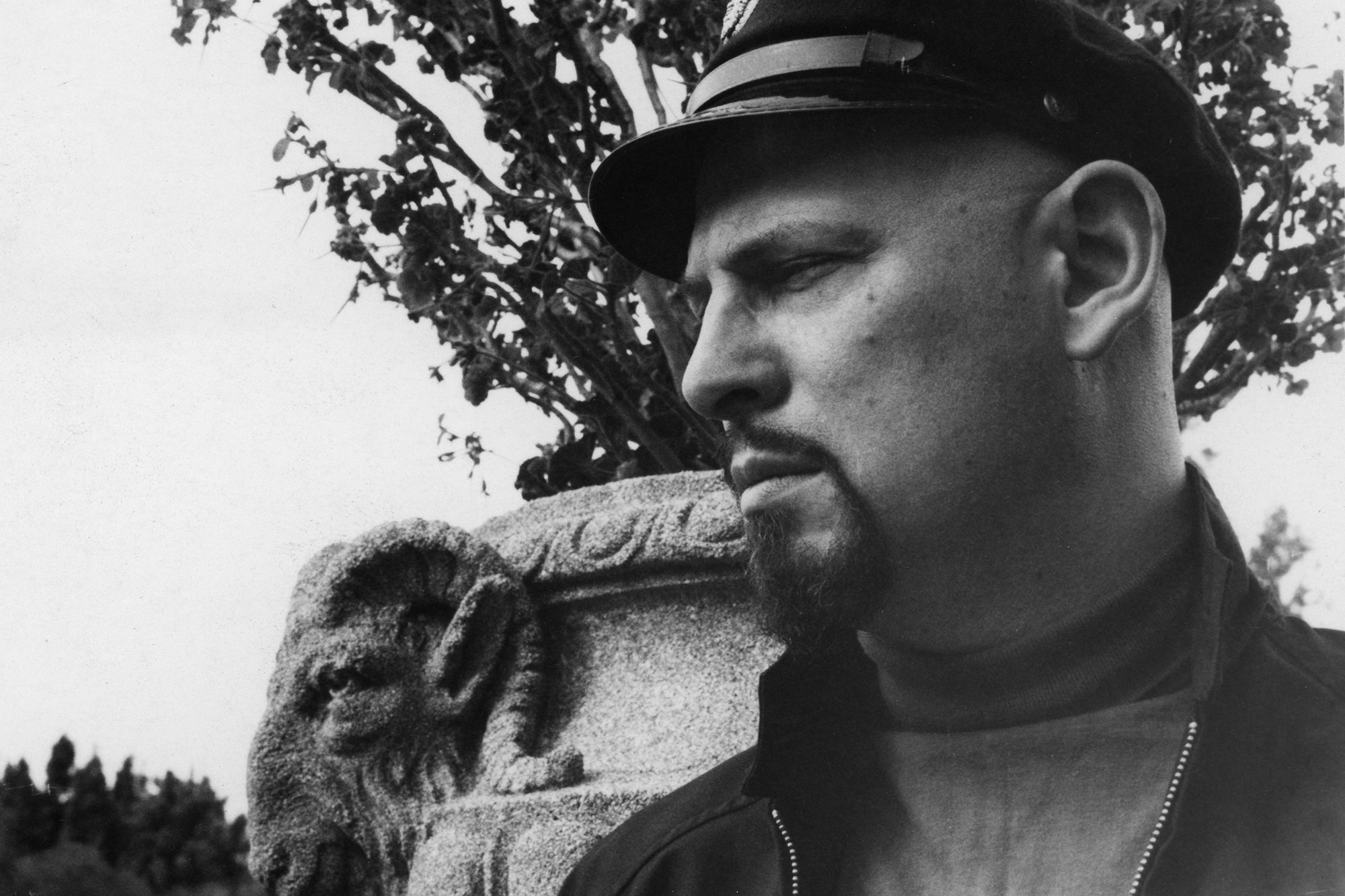
Anton Szandor LaVey remains one of the most polarizing, influential, and thoroughly misunderstood figures in modern cultural and religious history. Born Howard Stanton Levey in April 1930 and passing away in October 1997, LaVey founded the Church of Satan on Walpurgis Night in 1966. As the cultural landscape evolves through 2026, understanding LaVey requires looking past sensationalist media portrayals from the late 20th century to examine his foundational texts, ritual philosophies, and the enduring institutional structures he established. This analysis explores his biography, his philosophical frameworks, and the objective impact of LaVeyan philosophy on contemporary alternative culture.
Historical Foundations and the Birth of the Church of Satan
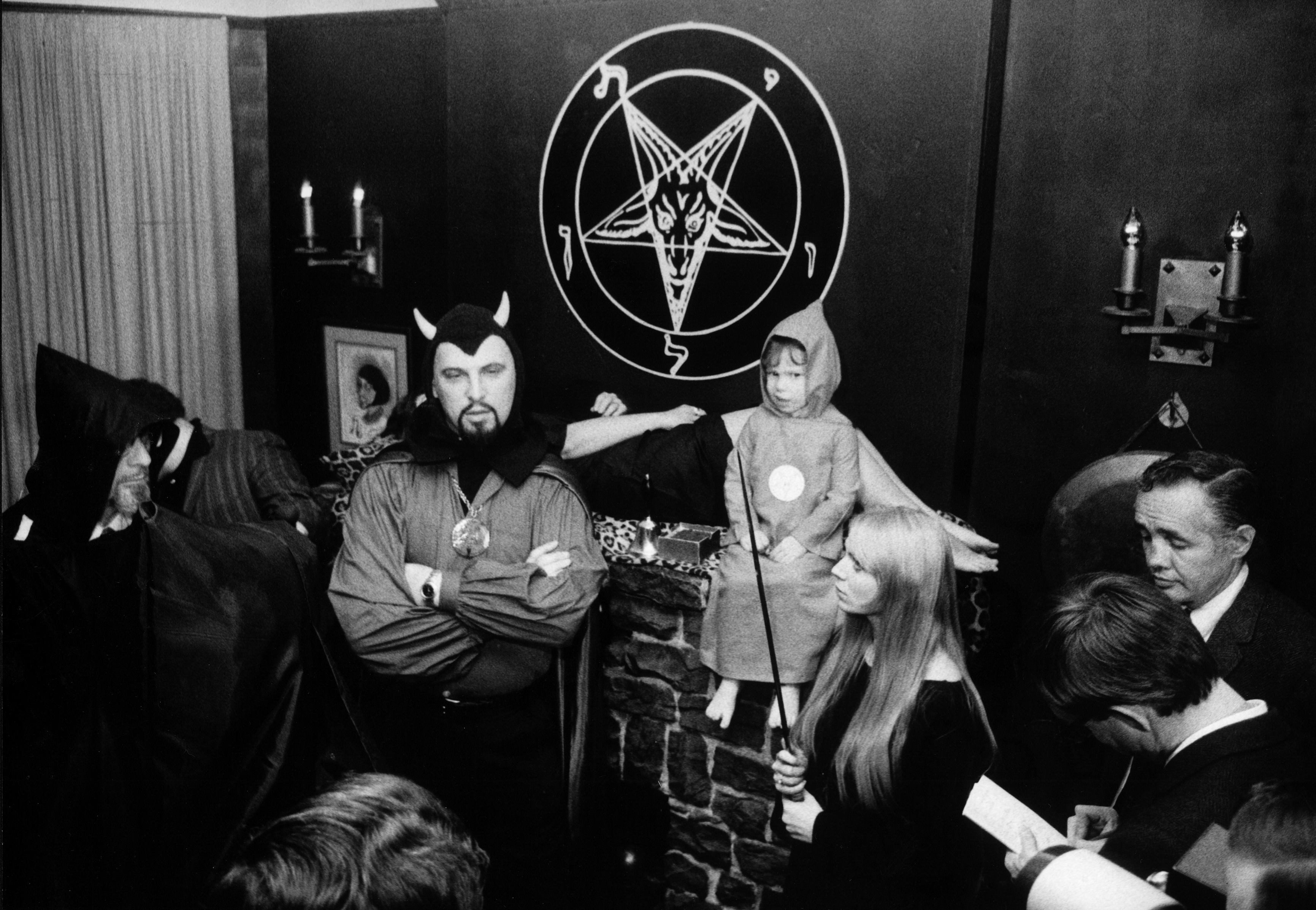
The genesis of the Church of Satan in San Francisco marked a distinct departure from historical, dualistic religious frameworks. During the mid-1960s, a period characterized by countercultural revolution and the relaxation of traditional societal mores, LaVey gathered a cohort known as the Order of the Trapezoid. This group evolved into the governing body of the Church of Satan, established officially on April 30, 1966.
Operating out of his famous Black House on California Street, LaVey positioned Satanism not as the worship of a Christian adversary, but as a secular, carnal philosophy centered on individualism, indulgence, and human nature. To evaluate LaVey's historical positioning accurately, one must examine the chronological milestones of his life and institutional development:
- 1930: Howard Stanton Levey is born in Chicago, Illinois, later relocating with his family to the San Francisco Bay Area.
- 1940s-1950s: LaVey reportedly works in various capacities, including carnival musician, crime scene photographer for the San Francisco Police Department, and organist, experiences that heavily influenced his view of human psychology and theatricality.
- 1966: Founds the Church of Satan, declaring the advent of the Age of Satan and appointing himself High Priest.
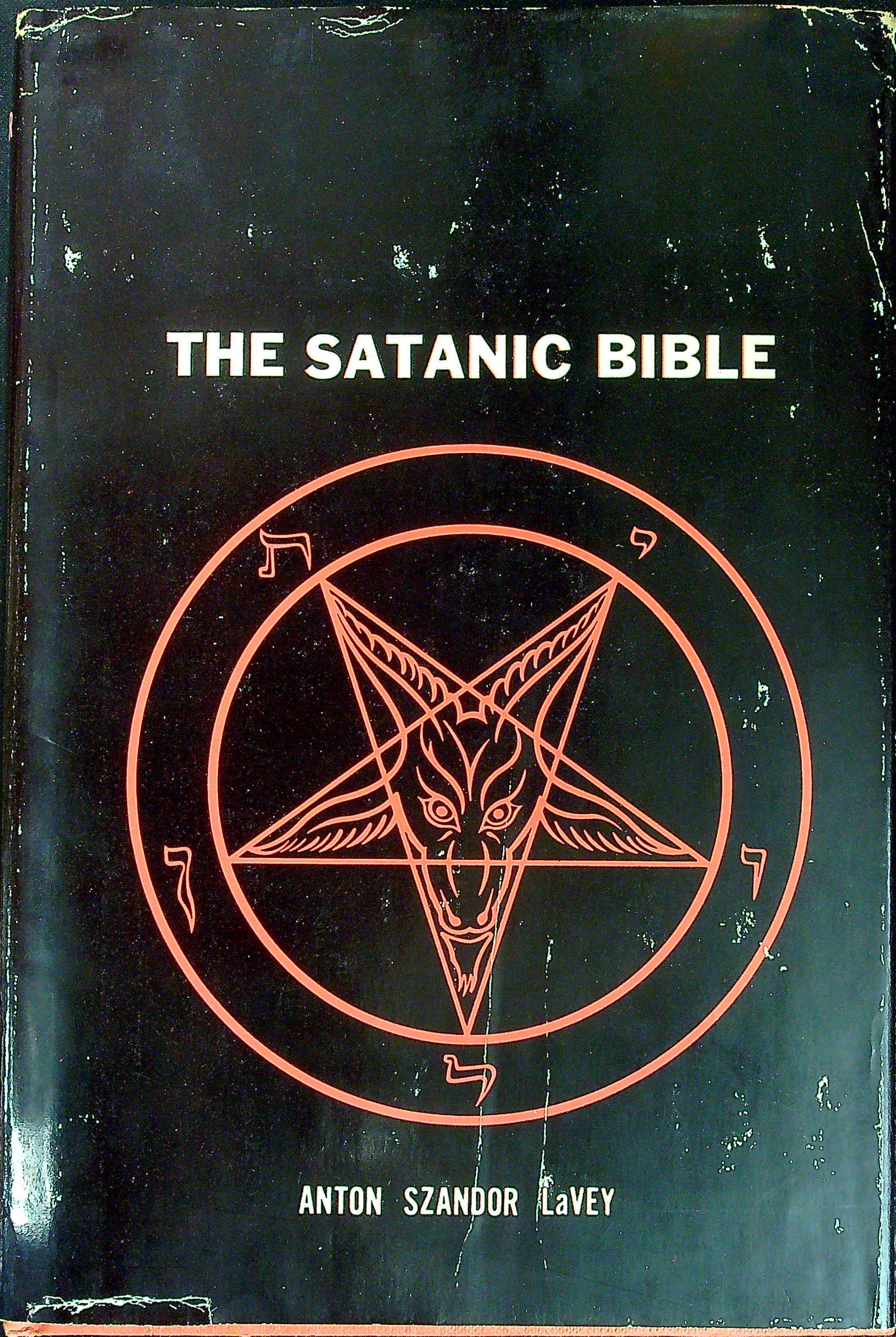
- 1969: Publishes The Satanic Bible, codifying the core tenets of LaVeyan philosophy into a single, accessible volume.
- 1972: Decentralizes local groups (grottos), shifting the Church of Satan toward a centralized administrative model.
- 1997: Passes away at the age of 67, leading to a temporary administrative transition handled by his partner Blanche Barton and later by current High Priest Peter H. Gilmore.
Core Philosophical Tenets of LaVeyan Philosophy
LaVeyan Satanism draws heavily from Friedrich Nietzsche, Ayn Rand, social Darwinism, and various occult traditions, yet it strips away supernaturalism. LaVey maintained that humans are animals governed by biological imperatives, and that denial of these impulses leads to psychological repression.
The philosophy is formally summarized in the Nine Satanic Statements and the Eleven Satanic Rules of the Earth. Unlike Abrahamic traditions that preach altruism and self-abnegation, LaVeyan philosophy champions enlightened self-interest, stratification based on merit, and responsibility to the responsible.
The Role of Ritual Magic: Within LaVey's framework, ritual is explicitly divided into two categories: the greater ritual (psychodrama designed to release pent-up emotional energy) and the lesser ritual (manipulation utilizing applied psychology and situational control). LaVey utilized theatrical elements—candles, robes, and bells—not to summon literal demons, but to bypass the intellectual mind and tap into the subconscious through sensory immersion.
Comparative Analysis: LaVeyan Satanism Versus Other Left-Hand Path Movements
The landscape of alternative spiritualities has fractured significantly since LaVey's passing. To understand the distinct nature of LaVeyan Satanism, it must be contrasted with other contemporary organizations and historical movements. The following matrix outlines the foundational differences between LaVeyan Satanism and other prominent philosophical frameworks.
| Movement/Organization | Core Metaphysical Stance | View of Authority | Primary Text |
|---|---|---|---|
| Church of Satan (LaVeyan) | Atheistic / Materialist; Satan is a symbolic archetype of carnal nature. | Hierarchical; strict administrative centralization led by a Priesthood. | The Satanic Bible (1969) |
| The Satanic Temple (TST) | Nontheistic / Activist; focuses on political lobbying and secular humanism. | Democratic; decentralized chapters with national leadership boards. | Various essays and non-dogmatic charters |
| Setianism (Temple of Set) | Theistic / Esoteric; believes in the objective existence of a conscious self (Xeper). | Hierarchical; initiatory grades managed by adepts. | The Book of Coming Forth by Night (1975) |
| Traditional Esoteric Occultism | Theistic or Pantheistic; manipulation of external spiritual entities. | Varies widely from solo practice to strict esoteric lineages. | Historical grimoires and esoteric manuscripts |
Major Literary Contributions and Bibliography
LaVey's written works serve as the canonical foundation for his followers. While The Satanic Bible remains his most commercially successful and widely read publication, his subsequent books expanded on specific facets of his worldview, social critique, and ritual practice.
- The Satanic Bible (1969): The central text containing the core philosophy, essays, and modified Enochian keys.
- The Satanic Rituals (1972): A companion volume detailing historical and theatrical rituals drawn from various global traditions.
- The Satanic Witch (1971): A manual focusing on lesser magic, psychological manipulation, and the utilization of feminine psychology.
- The Devil's Notebook (1992): A collection of essays providing social commentary on human stupidity, conformity, and modern cultural trends.
- Satan Speaks! (1998): Posthumously published essays offering sharp critiques of late-20th-century political and social developments.
Common Criticisms, Controversies, and Philosophical Limitations
Despite its intellectual influence, LaVeyan Satanism faces persistent scrutiny from sociologists, historians, and rival philosophical groups. Critics frequently point out internal contradictions within LaVey's writings, specifically the tension between his advocacy for absolute individualism and the strict hierarchical structure of the Church of Satan itself.
Furthermore, LaVey's reliance on social Darwinist principles has been challenged by modern biological and sociological consensus. While LaVey viewed human stratification as an objective natural law, contemporary critics argue that such frameworks overlook systemic variables and cooperative human evolution. Additionally, the theatricality that LaVey utilized to draw public attention has occasionally led outsiders to misinterpret the movement as genuinely malicious or dangerous, a misconception actively debunked by modern organizational representatives.
Frequently Asked Questions About Anton S. LaVey and His Legacy
Did Anton LaVey believe in a literal Satan?
No, Anton LaVey was an explicit atheist who viewed Satan as a metaphor for human nature, rebellion, independence, and the carnal aspects of reality. In LaVeyan philosophy, Satan is a symbol rather than a conscious, supernatural entity to be worshipped.
Is the Church of Satan still active today?
Yes, the Church of Satan remains active and operational, managed by a designated priesthood and high priest from undisclosed administrative headquarters. They continue to manage authorized literature, trademark assets, and membership inquiries globally.
How does LaVeyan Satanism differ from The Satanic Temple?
LaVeyan Satanism is an elitist, individualistic, and carnal philosophy that utilizes hierarchical structures and ritual psychodrama, whereas The Satanic Temple is a politically active, secular activist organization focused on public lobbying and the separation of church and state.
What are the main requirements to join the Church of Satan?
Membership is open to adults who have reached the age of majority in their respective jurisdictions and who accept the foundational tenets laid out in LaVey's published works. The organization requires a one-time lifetime membership fee and administrative vetting.
What role did carnivals play in LaVey's philosophy?
LaVey frequently credited his time working in carnivals and circuses as his primary education in human psychology. Observing how audiences willingly suspended disbelief and sought out spectacle informed his creation of Satanic ritual and his pragmatic view of human gullibility.
Conclusion and Engagement Strategy
Anton S. LaVey engineered a cultural flashpoint that permanently altered the landscape of alternative religion and personal philosophy. By synthesizing pragmatism, psychological theater, and unapologetic individualism, he provided an enduring framework for those rejecting conventional orthodoxies. For researchers, students of religion, and practitioners alike, examining LaVey's work requires separating sensationalized myth from the structured, materialist philosophy he codified. Explore primary texts such as The Satanic Bible and contemporary essays published by the Church of Satan to gain a comprehensive, unvarnished understanding of this foundational modern thinker.