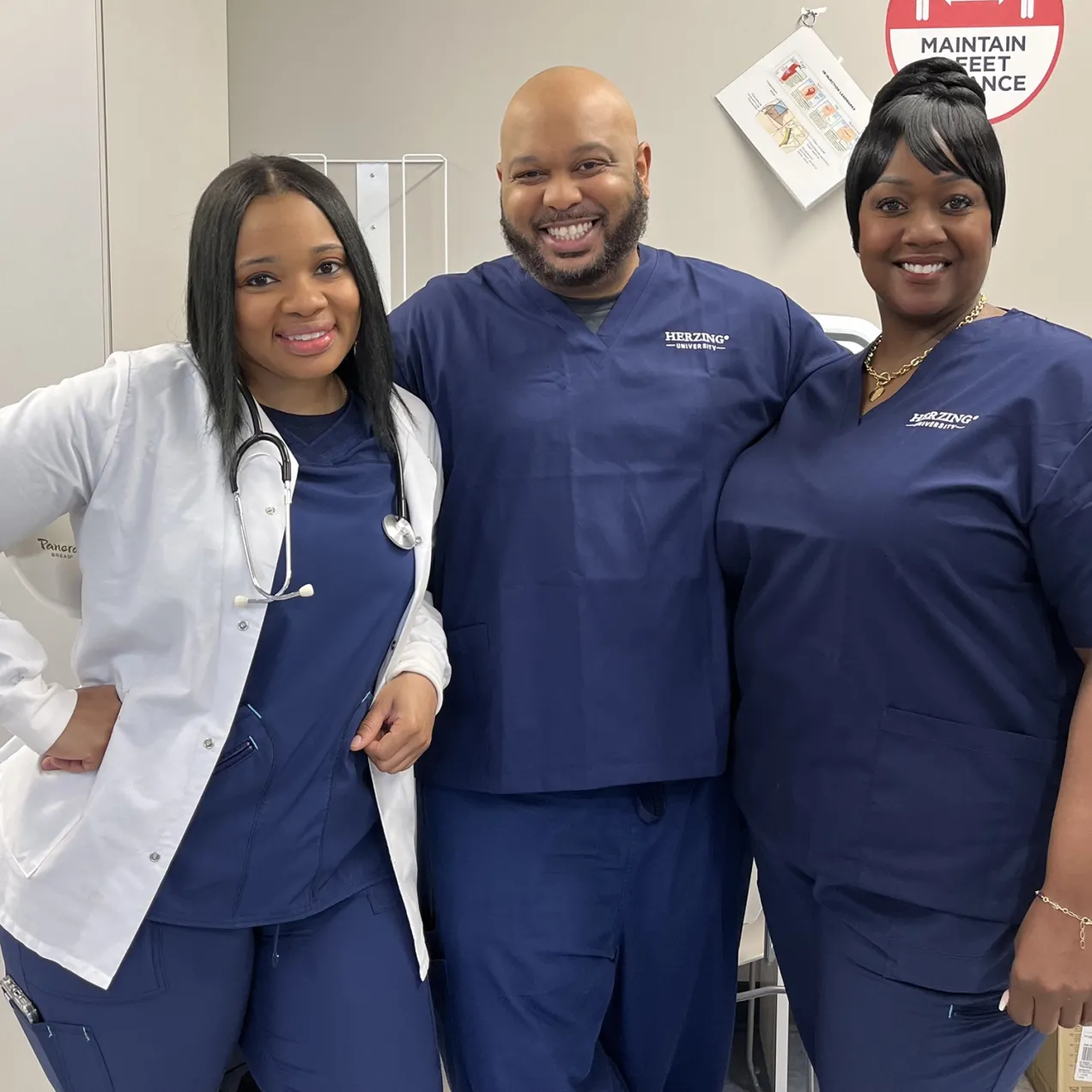
Pursuing a 6-month Licensed Practical Nurse (LPN) program in Ohio through a blended online and hybrid fast-track format offers an accelerated pathway into the healthcare workforce. While completely self-paced online nursing programs do not exist due to mandatory clinical and lab hours, hybrid models combine flexible digital theory coursework with intensive local clinical rotations, enabling motivated students to complete their education and prepare for the NCLEX-PN exam in approximately six months.
Understanding the Reality of "6-Month" LPN Fast-Tracks in Ohio
The appeal of a rapid vocational education is undeniable, especially in a high-demand field like nursing. However, prospective students must understand how accelerated programs function within the regulatory framework of the Ohio Board of Nursing.
An LPN program typically requires a specific number of contact hours, divided between classroom instruction (didactic learning) and hands-on clinical experience. While traditional programs stretch these hours across 12 to 18 months, a 6-month fast-track compresses the schedule. This means students take a full-time, highly intensive course load, often committing 40 to 60 hours per week to studying, attending virtual lectures, and participating in physical skills labs and clinical shifts.
The "online" aspect of these programs applies almost exclusively to non-clinical theory courses—such as anatomy, physiology, pharmacology, and nursing fundamentals. Students complete these modules via learning management systems on their own schedules. However, labs and clinical rotations must be attended in person at approved healthcare facilities, hospitals, or long-term care centers across Ohio.
Regulatory Approval and Accreditation: Protecting Your Investment
Before enrolling in any fast-track LPN program in Ohio, verifying the institution's accreditation and state approval status is the single most critical step. Attending a non-approved program means graduates cannot sit for the National Council Licensure Examination for Practical Nurses (NCLEX-PN), rendering the education useless for professional licensure.
Ohio Board of Nursing (OBN) Approval
The Ohio Board of Nursing regulates all practical and professional nursing education programs in the state. To practice as an LPN in Ohio, you must graduate from a program approved by the OBN. You can verify a school’s current standing directly through the Ohio eLicense System.
National Accreditation
In addition to state approval, look for programs accredited by national bodies such as the Accreditation Commission for Education in Nursing (ACEN) or the Commission on Collegiate Nursing Education (CCNE). National accreditation ensures high educational standards and simplifies the process if you later decide to transition from an LPN to a Registered Nurse (RN) through an LPN-to-RN bridge program.
Admissions Requirements and Prerequisites
Accelerated 6-month programs move at a rapid pace, meaning admissions standards are often strict to ensure candidates possess the foundational skills necessary to succeed. While requirements vary by career technical center, community college, or private vocational school, standard prerequisites generally include:
- High School Diploma or GED: Official transcripts demonstrating a high school credential or equivalent.
- Entrance Testing: Passing scores on standardized aptitude tests such as the TEAS (Test of Essential Academic Skills) or the HESI A2 exam, focusing on reading comprehension, math, and science.
- Background Checks: Clean criminal background checks via the Bureau of Criminal Identification and Investigation (BCI) and the Federal Bureau of Investigation (FBI), as required by Ohio law for healthcare workers.
- Immunization Records: Proof of vaccinations, including Hepatitis B, MMR, Varicella, Tdap, an annual influenza shot, and a negative tuberculosis (TB) skin test or chest X-ray.
- CPR Certification: Basic Life Support (BLS) for Healthcare Providers certification issued by the American Heart Association.
Curriculum Breakdown: What to Expect in an Accelerated Term
Because a standard curriculum is condensed into half the usual timeframe, the academic calendar is demanding. Students should expect to cover comprehensive nursing subjects concurrently rather than sequentially.
| Course Category | Typical Focus Areas | Delivery Method |
|---|---|---|
| Foundational Sciences | Anatomy, Physiology, Microbiology, Lifespan Development | Primarily Online (Asynchronous/Synchronous) |
| Nursing Theory | Fundamentals of Nursing, Pharmacology, Nutrition, Mental Health | Online Lectures, Discussion Boards, Exams |
| Clinical Skills Lab | Injection administration, catheterization, vital signs, wound care | In-Person (On-Site Skills Lab) |
| Clinical Rotations | Long-term care, medical-surgical units, pediatrics, geriatrics | In-Person (Affiliated Ohio Healthcare Facilities) |
Financial Considerations and Tuition Costs
Accelerated vocational programs represent a significant financial investment. Costs vary widely depending on whether you attend a public career center, a community college, or a private proprietary nursing school.
- Public Career Centers and Community Colleges: Generally offer lower tuition rates for Ohio residents, often ranging from $6,000 to $12,000 for the entire program.
- Private Vocational Schools: Frequently feature higher tuition costs, sometimes exceeding $20,000 to $30,000, but may offer rolling admissions and more frequent start dates.
- Additional Expenses: Beyond base tuition, budget for textbooks, digital access fees, uniforms, stethoscope, diagnostic equipment, liability insurance, background checks, NCLEX-PN registration fees, and the Ohio Board of Nursing licensure application fee.
Many students utilize federal financial aid (if the institution is Title IV approved), state grants like the Ohio Work Ready Grant, employer tuition assistance, or private student loans to offset these costs.
Pros and Cons of a Fast-Track Hybrid LPN Format
Choosing an accelerated hybrid pathway requires weighing distinct advantages against notable challenges.
Advantages
- Rapid Entry into the Workforce: Transitioning into a stable healthcare career in six months minimizes the time spent out of the workforce.
- Flexibility in Theory Work: Completing lectures and coursework online allows students with family or work commitments to manage their time more effectively.
- High Demand: Ohio faces a continuous demand for licensed practical nurses in long-term care, rehabilitation facilities, and outpatient clinics.
Disadvantages
- Intense Time Commitment: The heavy workload leaves little room for outside employment during the program.
- Steep Learning Curve: Complex medical concepts must be mastered rapidly, increasing stress for students without strong study habits.
- Geographic Limitations for Clinicals: Students must be willing to travel to assigned clinical sites within Ohio, which may require a reliable vehicle and flexible scheduling.
Frequently Asked Questions
Can I complete an Ohio LPN program 100% online?
No. While didactic coursework can be completed online, the Ohio Board of Nursing mandates strict in-person hours for clinical skills labs and direct patient care clinical rotations. Programs claiming to be entirely online are not approved for licensure in Ohio.
What is the pass rate for the NCLEX-PN after a 6-month program?
NCLEX-PN pass rates depend entirely on the individual student's dedication and the quality of the program's instruction. Look for Ohio schools that publish high board pass rates (ideally 80% or higher) on the Ohio Board of Nursing website.
Can I work while enrolled in an accelerated LPN program?
Due to the rigorous nature of a 6-month fast-track, maintaining a full-time job is strongly discouraged. Many students struggle to balance 40+ hours of combined online study, labs, and clinical shifts with external employment.
How do I find approved clinical sites for a hybrid program?
Enrolled students do not need to find their own clinical sites. Accredited hybrid nursing programs maintain formal clinical affiliation agreements with hospitals, nursing homes, and healthcare networks throughout Ohio, and faculty assign students to these rotations.
What are the next steps after graduating from an LPN program?
Upon successful completion of your program, you must apply for licensure through the Ohio Board of Nursing, register for the NCLEX-PN exam via Pearson VUE, pass the exam, and clear your criminal background check to receive your active LPN license.
Next Actions for Prospective Students
Begin your journey by identifying accredited institutions in your region of Ohio that offer hybrid practical nursing programs. Request detailed information packets, verify their current approval status on the Ohio Board of Nursing portal, attend informational sessions, and prepare for entrance exams to secure your spot in an upcoming cohort.